Mental Matters

Health Conditions

Find information on various health conditions affecting people of all ages. This category covers causes, symptoms, diagnosis, and management options for physical illnesses and chronic diseases. Get insights to help you understand different health challenges and make informed decisions about your wellbeing.

Pregnant woman holding apple with fresh vegetables on table

Treatment of Diabetes in Pregnancy

Treatment of Diabetes in Pregnancy Treatment of diabetes in pregnancy focuses on keeping blood sugar levels within a healthy range to avoid complications for both mother and baby. Managing diabetes in pregnancy requires a tailored approach that balances nutrition, physical activity, and medication when necessary. Prompt and consistent treatment minimises the risk of pre-eclampsia, premature delivery, and delivery complications. Dietary Management The first line of treatment is usually medical nutrition therapy: Meals are planned to include complex carbohydrates, lean proteins, and healthy fats Simple sugars and highly processed foods are avoided Meals are spread across three smaller meals and two to three snacks per day to maintain steady glucose levels Carbohydrate counting or portion control tools may be used Consultation with a registered dietitian is often recommended to develop a personalised meal plan. Exercise and Lifestyle Regular light-to-moderate exercise, such as walking or prenatal yoga, improves insulin sensitivity Activity after meals helps lower postprandial glucose levels Adequate hydration and sleep also support blood sugar regulation Blood Glucose Monitoring Daily monitoring is essential: Fasting levels should ideally be ≤ 5.3 mmol/L One-hour post-meal levels should be ≤ 7.8 mmol/L If lifestyle changes alone do not maintain these targets, medication may be introduced. Medication during Treatment of Diabetes in Pregnancy Insulin injections are the most common medication used, as they do not cross the placenta Oral medications like metformin may be considered, though they are used cautiously in pregnancy Dosages are frequently adjusted throughout pregnancy due to hormonal changes. Monitoring the Baby Growth scans may be scheduled every 2–4 weeks to monitor for macrosomia (large baby) Amniotic fluid levels and placental health are also assessed Cardiotocography (CTG) may be used in later pregnancy to check foetal heart rate Delivery Planning Women with well-controlled diabetes may carry to full term Induction may be recommended around 38–40 weeks Caesarean delivery may be advised if the baby is large or other risks are present In summary, treatment of diabetes in pregnancy relies on a structured and individualised care plan. With close monitoring and proactive care, most women deliver healthy babies and return to normal glucose levels postnatally. [Next: Complications and Recovery from Diabetes in Pregnancy →]

Treatment of Diabetes in Pregnancy Read More »

Newborn twins in neonatal incubator care unit

Complications and Recovery from Diabetes in Pregnancy

Complications and Recovery from Diabetes in Pregnancy Complications and recovery from diabetes in pregnancy depend largely on how well blood glucose levels are controlled throughout gestation. While most women with diabetes in pregnancy have healthy outcomes, the condition can lead to maternal and neonatal complications if left unmanaged. Understanding both the risks and recovery pathways helps prepare families for what lies ahead. Potential Complications for the Baby Macrosomia (Large Baby) Excess glucose crosses the placenta, causing foetal overgrowth Increases risk of shoulder dystocia during delivery Neonatal Hypoglycaemia Babies may produce extra insulin, resulting in low blood sugar after birth Requires close monitoring and early feeding after delivery Premature Birth Poor glucose control can lead to early delivery, with associated risks like respiratory distress syndrome Jaundice Higher bilirubin levels are more common in babies of diabetic mothers Stillbirth Although rare with good management, uncontrolled blood sugar significantly increases the risk Complications for the Mother Pre-eclampsia High blood pressure and protein in the urine may develop, requiring early delivery Increased Caesarean Risk Large babies or poorly controlled diabetes often necessitate surgical delivery Urinary Tract Infections (UTIs) More common in women with gestational diabetes Polyhydramnios Excess amniotic fluid, increasing the chance of preterm labour or placental complications Postnatal Recovery | Complications and Recovery from Diabetes in Pregnancy In most cases of gestational diabetes, blood sugar levels return to normal within 6–12 weeks A follow-up OGTT is recommended 6–13 weeks postpartum to confirm resolution Annual screening is advised as women remain at high risk of developing Type 2 diabetes later in life Long-Term Outlook for the Baby Children born to mothers with gestational diabetes may have a higher risk of obesity or Type 2 diabetes later in life Healthy feeding and an active lifestyle reduce this risk Emotional and Psychological Recovery Managing diabetes during pregnancy can be stressful Support from healthcare teams, partners, and support groups helps alleviate anxiety Addressing postpartum depression is also important, especially in high-risk pregnancies In conclusion, complications and recovery from diabetes in pregnancy highlight the importance of consistent prenatal care and postnatal follow-up. With proper management, most complications can be prevented, leading to positive outcomes for both mother and baby. [Next: Back to Overview →]

Complications and Recovery from Diabetes in Pregnancy Read More »

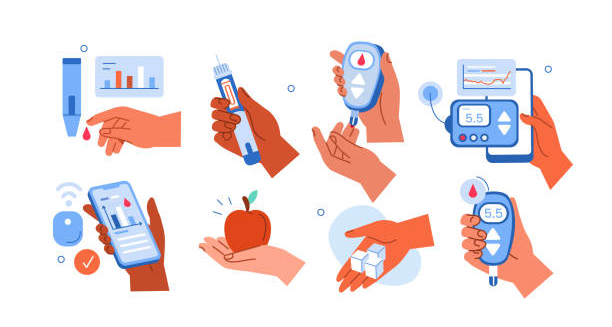
Diabetes management concept with glucose meter and medication

Diabetes

Diabetes – Overview Diabetes is a chronic condition that affects how the body processes blood sugar (glucose), the primary source of energy for our cells. In people with this disease, the body either does not produce enough insulin or cannot use insulin effectively. Insulin is a hormone produced by the pancreas that allows glucose to enter cells. Without it, glucose builds up in the bloodstream, leading to high blood sugar levels. There are several types, with the two most common being Type 1 and Type 2. Type 1 is an autoimmune condition where the immune system attacks insulin-producing cells in the pancreas. Usually diagnosed in childhood or adolescence. Type 2 develops over time due to insulin resistance and is often linked to lifestyle factors like obesity, inactivity, and poor diet. Another type, gestational diabetes, occurs during pregnancy and typically resolves after birth. However, increases the risk of developing Type 2 later. There are also rarer forms, such as MODY (maturity onset diabetes of the young) and LADA (latent autoimmune diabetes in adults). Diabetes This affects more than 460 million people worldwide and is a leading cause of heart disease, stroke, kidney failure, and blindness. Despite its prevalence, many people are unaware they have the condition until complications arise. Early diagnosis, effective treatment, and lifestyle changes can help manage the condition and prevent long-term damage. In summary, this is a serious yet manageable condition that requires continuous monitoring and proactive care. With the right knowledge and support, individuals living with diabetes can lead healthy, active lives. [Next: Causes of Diabetes →]

Diabetes Read More »

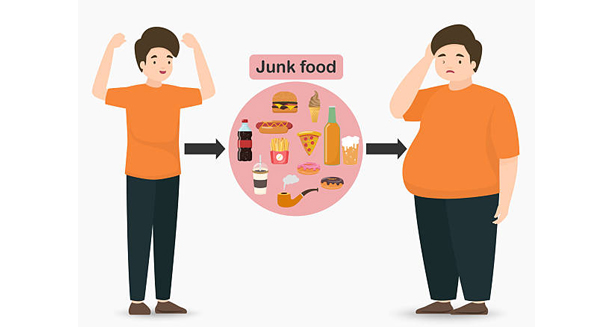
Junk food leading to obesity and diabetes

Causes of Diabetes

Causes of Diabetes Causes of diabetes differ depending on the type of condition. While diabetes is broadly characterised by high blood sugar levels due to insulin issues, the underlying causes involve genetic, environmental, and lifestyle factors. Understanding these causes is essential for prevention, early diagnosis, and effective management. Type 1 Diabetes An autoimmune reaction causes the body’s immune system to attack the insulin-producing beta cells in the pancreas This results in little to no insulin production The exact cause is unclear, but genetics and viral infections may play a role Typically appears in childhood or adolescence, but can develop in adults (LADA) Type 2 Diabetes Caused by insulin resistance, where the body’s cells do not respond effectively to insulin The pancreas initially compensates by producing more insulin, but over time it can’t keep up Strongly associated with: Obesity Physical inactivity Unhealthy diet Family history of diabetes Ageing and ethnic background (higher prevalence in African, South Asian, and Caribbean populations) Gestational Diabetes Occurs during pregnancy when hormones interfere with insulin function Most common in women with a family history of diabetes, overweight individuals, or those over 25 Usually temporary but increases future risk of Type 2 diabetes Other Causes of Diabetes Pancreatic diseases, such as pancreatitis or pancreatic cancer, can impair insulin production Certain medications, including steroids, antipsychotics, and immunosuppressants, can cause secondary diabetes Hormonal disorders, such as Cushing’s syndrome, can also contribute Risk Factors Across All Types Genetic predisposition plays a significant role Environmental triggers, such as viral infections or stress, may initiate autoimmune processes Modifiable factors—diet, weight, and exercise—are especially relevant in Type 2 In conclusion, causes of diabetes range from genetic and autoimmune to lifestyle-related and environmental. While some risk factors are unavoidable, many cases—particularly Type 2—can be prevented or delayed through healthier habits. [Next: Symptoms of Diabetes →]

Causes of Diabetes Read More »

Overweight man discussing symptoms with a healthcare professional

Symptoms of Diabetes

Symptoms of Diabetes Symptoms of diabetes often develop gradually, particularly in Type 2 cases, making early detection difficult. However, recognising the early signs of diabetes is critical for timely diagnosis and treatment. Without intervention, high blood sugar levels can damage vital organs and lead to serious complications. Common Symptoms Frequent urination (polyuria): Excess glucose in the blood draws water from tissues, increasing urine production Excessive thirst (polydipsia): Resulting from frequent urination and dehydration Extreme fatigue: Lack of glucose entering cells leads to energy depletion Unexplained weight loss: More common in Type 1 diabetes due to the body burning fat and muscle for fuel Increased hunger (polyphagia): Glucose doesn’t reach cells, triggering the body to signal more food intake Other Notable Symptoms Blurred vision: High blood sugar alters fluid levels in the eye Slow-healing wounds or frequent infections: High glucose impairs immune response and tissue repair Tingling, numbness, or pain in the hands and feet (neuropathy): Especially in longstanding or poorly controlled diabetes Darkened skin around the neck or armpits (acanthosis nigricans): Often associated with insulin resistance Symptoms of Diabetes in Type 1 vs Type 2 Type 1 symptoms appear suddenly and are more severe, often within weeks Type 2 symptoms develop gradually and may go unnoticed for years In both types, symptoms worsen over time if left untreated Symptoms of Gestational Diabetes Often asymptomatic and detected during routine pregnancy screening Some women may experience increased thirst or more frequent urination When to See a Doctor If experiencing multiple symptoms, especially thirst, fatigue, or vision changes Routine screening is advised for those over 45 or with risk factors In summary, symptoms of diabetes are warning signs that something is wrong with how the body handles glucose. Early recognition allows for faster intervention, reducing the risk of complications and improving long-term health. [Next: Diagnosis of Diabetes →]

Symptoms of Diabetes Read More »

Nurse discussing diabetes diagnosis with patient

Diagnosis of Diabetes

Diagnosis of Diabetes Diagnosis of diabetes involves blood tests that measure glucose levels and evaluate how the body processes sugar. Timely and accurate diagnosis of diabetes is essential to avoid long-term complications, particularly since many people may be living with the condition unknowingly. Early detection allows for better disease management and prevention of serious health problems. Key Diagnostic Tests Fasting Blood Glucose Test Measures blood sugar after an 8-hour fast A reading of 7.0 mmol/L or higher indicates diabetes 5.6–6.9 mmol/L is considered prediabetes (impaired fasting glucose) HbA1c Test (Glycated Haemoglobin) Reflects average blood glucose over the past 2–3 months A result of 6.5% (48 mmol/mol) or above suggests diabetes 5.7–6.4% (39–46 mmol/mol) may indicate prediabetes Random Blood Glucose Test Taken at any time, regardless of last meal A result of 11.1 mmol/L or more, especially with symptoms, confirms diagnosis Oral Glucose Tolerance Test (OGTT) Involves drinking a sugary solution and testing glucose levels two hours later A reading of 11.1 mmol/L or higher confirms diabetes Diagnosis of Different Types Type 1 Diabetes: Often diagnosed in hospital settings after sudden onset; blood tests may include autoantibodies and C-peptide levels to assess insulin production Type 2 Diabetes: Usually detected during routine health screenings or after symptom reporting Gestational Diabetes: Diagnosed between weeks 24–28 of pregnancy using an OGTT Monitoring After Diagnosis of Diabetes Once diagnosed, regular testing becomes part of diabetes management: Daily glucose checks for insulin users Quarterly HbA1c tests Annual screenings for cholesterol, kidney function, and eye health Importance of Early Detection Prevents complications like retinopathy, neuropathy, and cardiovascular disease Encourages early adoption of lifestyle changes Reduces healthcare costs and improves life expectancy Screening Recommendations Adults over 45, or younger individuals with risk factors such as obesity, family history, or high blood pressure, should undergo regular screening In conclusion, diagnosis of diabetes relies on blood testing and symptom analysis. Early detection empowers individuals to take control of their health, reduce risks, and live well with the condition. [Next: Treatment of Diabetes →]

Diagnosis of Diabetes Read More »

Treatment of Diabetes

Treatment of Diabetes

Treatment of Diabetes Treatment of diabetes aims to control blood sugar levels, prevent issues, and promote overall health. Depending on the type and severity of the condition, diabetes treatment may involve lifestyle changes, medication, insulin therapy, or a combination of all three. A multidisciplinary approach—including GPs, endocrinologists, dietitians, and diabetes educators—is often required. Lifestyle Modifications Diet Emphasis on low-glycaemic index foods: whole grains, legumes, vegetables Limit sugary drinks, refined carbs, and processed snacks Carbohydrate counting helps manage meal-time glucose spikes Exercise Regular physical activity improves insulin sensitivity and lowers blood sugar Aim for at least 150 minutes per week of moderate aerobic activity Weight Management Losing 5–10% of body weight can significantly improve Type 2 diabetes control Even small reductions in weight have measurable benefits Smoking Cessation and Alcohol Moderation Smoking increases cardiovascular risks Alcohol can disrupt blood sugar balance, especially in insulin users Medications Type 1 Diabetes Requires insulin therapy from the point of diagnosis Multiple daily injections or insulin pump therapy Type 2 Diabetes First-line treatment is metformin Other oral or injectable medications include sulphonylureas, SGLT2 inhibitors, DPP-4 inhibitors, and GLP-1 agonists Insulin may be added if blood sugar remains uncontrolled Gestational Diabetes Managed through diet and exercise Insulin prescribed if lifestyle changes do not suffice Monitoring and Follow-Up Regular HbA1c tests to assess long-term control Self-monitoring of blood glucose (SMBG) helps track daily variations Continuous glucose monitors (CGMs) are increasingly used for real-time feedback Additional Support as Treatment of Diabetes Psychological support is vital to address diabetes-related distress and burnout Diabetes education empowers individuals with self-care skills In summary, treatment of diabetes involves a personalised blend of lifestyle change and medical intervention. Consistency, education, and support are key to achieving good glycaemic control and avoiding complications. [Next: Complications and Recovery from Diabetes →]

Treatment of Diabetes Read More »

Woman using a continuous glucose monitor on her arm to manage diabetes complications and recovery

Complications and Recovery from Diabetes

Complications and Recovery from Diabetes Complications and recovery from diabetes are closely tied to blood sugar management and early intervention. While diabetes is a chronic condition, many of its complications are preventable or manageable with proactive care. Recovery in this context refers not to curing diabetes, but to restoring and preserving quality of life. Acute Complications Hypoglycaemia (Low Blood Sugar) Symptoms: shakiness, confusion, sweating, blurred vision Causes: missed meals, excess insulin, intense exercise Immediate treatment: fast-acting carbohydrates (e.g., fruit juice, glucose tablets) Hyperglycaemia (High Blood Sugar) Symptoms: thirst, frequent urination, fatigue Prolonged hyperglycaemia can lead to: Diabetic ketoacidosis (DKA) in Type 1 Hyperosmolar hyperglycaemic state (HHS) in Type 2 Both conditions are medical emergencies requiring hospital care. Chronic Complications and Recovery from Diabetes Cardiovascular Disease Increased risk of heart attack and stroke Linked to hypertension and abnormal cholesterol Kidney Disease (Diabetic Nephropathy) Damaged blood vessels in the kidneys lead to protein leakage May progress to kidney failure requiring dialysis Eye Damage (Diabetic Retinopathy) High glucose damages retinal blood vessels Can result in blindness if untreated Nerve Damage (Neuropathy) Commonly affects feet and hands Leads to numbness, tingling, or pain Increases risk of foot ulcers and amputations Foot Complications Poor circulation and nerve damage lead to slow-healing wounds Annual foot checks are essential Recovery and Prevention Tight glucose control reduces the risk of complications by over 50% Early detection through screening improves long-term outcomes Regular check-ups for eyes, kidneys, feet, and heart are essential Living Well with Diabetes With structured care plans and informed self-management, most people can lead active lives Peer support groups and mental health care enhance recovery Remission is possible in some cases of Type 2 diabetes through significant lifestyle changes In conclusion, complications and recovery from diabetes hinge on early detection, education, and continuous care. With a holistic approach, individuals can avoid severe complications and maintain a high quality of life. [Next: Back to Overview →]

Complications and Recovery from Diabetes Read More »

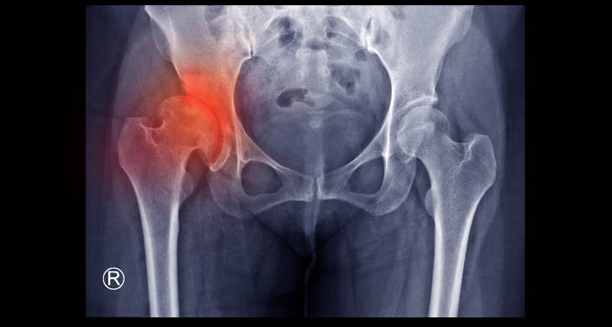
X-ray showing developmental dysplasia of the hip

Developmental Dysplasia of the Hip

Developmental Dysplasia of the Hip – Overview Developmental dysplasia of the hip (DDH) is a condition where the hip joint does not form properly in infants and young children. In this condition, the ball at the top of the thigh bone is not securely held in the socket of the pelvis. This can lead to instability, partial dislocation, or complete dislocation of the joint. Early detection and treatment are essential to avoid long-term mobility problems and joint degeneration. The hip joint is a ball-and-socket structure. In babies with DDH, the socket may be too shallow, or the ligaments holding the joint in place may be too loose. This abnormal development can begin before birth or continue to evolve after the child is born. The condition ranges in severity from mild instability to full dislocation. Additionally, it can affect one or both hips, although the left hip is more commonly involved. Developmental of this is more common in girls, first-born children, breech presentations. Additionally, in babies with a family history of hip problems. It is also more prevalent in cultures that practise tight swaddling of infants with extended legs. Which can restrict normal hip development. Developmental Dysplasia of the Hip When identified and managed early, most children with DDH develop normal hip function and avoid complications. However, if left untreated, the condition can lead to chronic pain, limping, leg length differences, and early-onset arthritis. In summary, developmental dysplasia of the hip is a condition that affects the normal development of the hip joint in infants and children. Prompt diagnosis and intervention can restore normal joint function and prevent future mobility issues. [Next: Causes of Developmental Dysplasia of the Hip →]

Developmental Dysplasia of the Hip Read More »

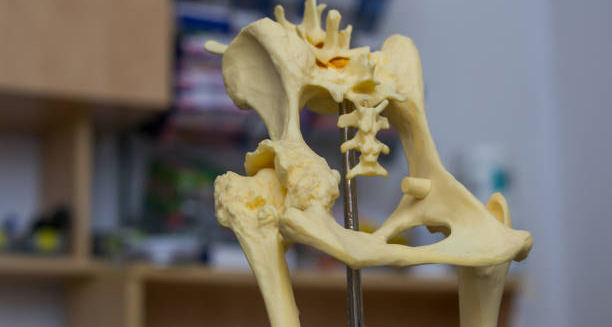
Anatomical model showing hip joint deformation

Causes of Developmental Dysplasia of the Hip

Causes of Developmental Dysplasia of the Hip Causes of developmental dysplasia of the hip are multifactorial, involving a combination of genetic, mechanical, and environmental factors. In many cases, the exact reason for developmental dysplasia of the hip is not clear. However, certain risk factors and developmental influences are strongly associated with the condition. Genetic Factors Family history plays a significant role. If a parent or sibling has had DDH, a child’s risk of developing the condition increases. Some studies suggest a genetic predisposition related to joint laxity. Where the ligaments and connective tissues are more elastic, allowing the hip to become unstable more easily. Mechanical and Positional Factors The position of the baby in the womb can influence hip development. Breech presentation (when the baby is born bottom-first rather than head-first) places additional pressure on the hips and limits their ability to move freely. This increased pressure can prevent the ball of the hip joint from settling properly in the socket. First-born babies are also at increased risk due to the tighter space in the uterus. Which may restrict movement and proper joint alignment. The left hip is more frequently affected because of the typical position of the foetus in the womb, with the left hip pressed against the mother’s spine. Postnatal Influences Certain cultural practices, particularly swaddling methods that keep a baby’s legs tightly extended and together, can contribute to the development or worsening of DDH. Swaddling that does not allow natural hip flexion and abduction can inhibit proper hip development. Hormonal Influence | Causes of Developmental Dysplasia of the Hip During pregnancy, maternal hormones like relaxin help loosen the mother’s joints in preparation for birth. These hormones may also affect the baby’s joints, especially in female infants, making their hip joints more susceptible to instability. In summary, the causes of developmental dysplasia of the hip are linked to genetics, in-utero positioning, hormonal effects, and cultural practices. Understanding these risk factors is key to prevention, early detection, and effective management. [Next: Symptoms of Developmental Dysplasia of the Hip →]

Causes of Developmental Dysplasia of the Hip Read More »

Scroll to Top