Mental Matters

Health Conditions

Find information on various health conditions affecting people of all ages. This category covers causes, symptoms, diagnosis, and management options for physical illnesses and chronic diseases. Get insights to help you understand different health challenges and make informed decisions about your wellbeing.

Radiation hazard symbol representing environmental exposure as a cause of chronic myeloid leukaemia.

Causes of Chronic Myeloid Leukaemia

Causes of Chronic Myeloid Leukaemia Causes of chronic myeloid leukaemia are primarily rooted in genetic abnormalities, particularly the formation of the Philadelphia chromosome. While the precise trigger for this mutation is not always known, nearly every case of chronic myeloid leukaemia involves the same genetic change, which has enabled the development of highly targeted treatments. 1. Philadelphia Chromosome and BCR-ABL1 Fusion Gene The Philadelphia chromosome is a shortened version of chromosome 22 formed when parts of chromosomes 9 and 22 switch places. This results in the BCR-ABL1 fusion gene, which creates an abnormal protein with unregulated tyrosine kinase activity. This protein signals cells to grow and divide uncontrollably, which is the fundamental cause of CML. This mutation is not inherited; rather, it occurs during a person’s lifetime. It’s an acquired mutation, meaning it happens in the DNA of a single blood-forming cell and is not passed from parent to child. 2. Radiation Exposure | Causes of Chronic Myeloid Leukaemia Exposure to high levels of radiation has been associated with an increased risk of CML. Studies of atomic bomb survivors and individuals exposed to therapeutic radiation have shown a modest increase in risk. However, CML is rare, even among these groups, and the overall risk remains low. 3. Age and Gender CML is more common in older adults, with the majority of cases diagnosed in people over 50. Men are slightly more likely to be diagnosed with CML than women, although the reasons for this are not well understood. 4. Environmental and Occupational Exposure Research has explored the role of chemical exposures such as benzene, but no conclusive links have been established. Smoking, diet, and other lifestyle factors have not been shown to significantly impact CML risk. 5. No Known Hereditary Link | Causes of Chronic Myeloid Leukaemia CML is not considered a hereditary cancer. There is no consistent evidence that it runs in families or is passed on genetically. Family members of patients with CML are not considered to be at increased risk. Although the causes of chronic myeloid leukaemia largely centre on a single genetic event, the reasons why this mutation occurs in some individuals and not others remain under investigation. What is known, however, is that this mutation offers a clear therapeutic target, which has revolutionised treatment options and prognosis for CML patients. [Next: Symptoms of Chronic Myeloid Leukaemia →]
Causes of Chronic Myeloid Leukaemia Read More »

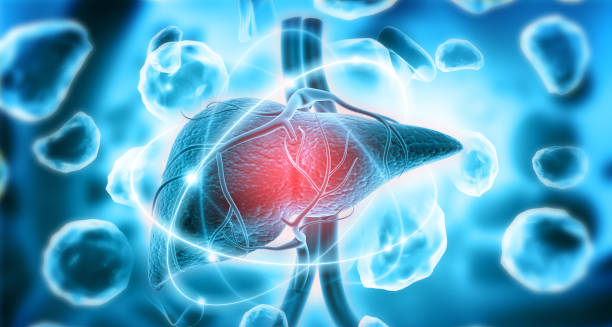
Enlarged liver due to chronic myeloid leukaemia (CML) – a common symptom caused by excess white blood cell production.

Symptoms of Chronic Myeloid Leukaemia

Symptoms of Chronic Myeloid Leukaemia Symptoms of chronic myeloid leukaemia can be mild, vague, or entirely absent in the early stages, particularly during the chronic phase. Because chronic myeloid leukaemia progresses gradually, many people are diagnosed incidentally during routine blood tests. As the disease advances, symptoms become more pronounced and may interfere with daily life. 1. Fatigue and Weakness A persistent feeling of tiredness is one of the most common symptoms. This occurs because the production of healthy red blood cells is disrupted, leading to anaemia and reduced oxygen delivery throughout the body. 2. Enlarged Spleen (Splenomegaly) The spleen may become significantly enlarged as it attempts to filter the excess abnormal white blood cells. This can cause discomfort or a feeling of fullness in the upper left abdomen, and may also lead to early satiety. 3. Weight Loss and Appetite Loss Unintentional weight loss is a common sign, especially as the disease enters more advanced phases. A reduced appetite often accompanies spleen enlargement and overall metabolic changes caused by cancer. 4. Night Sweats and Low-Grade Fevers Systemic symptoms such as excessive sweating at night and unexplained fevers may be present, especially during the accelerated phase or blast crisis. These symptoms reflect increased cancer activity and the body’s inflammatory response. 5. Bleeding or Bruising | Symptoms of Chronic Myeloid Leukaemia As CML progresses, platelet production may decline, resulting in increased bruising, frequent nosebleeds, or prolonged bleeding after minor injuries. 6. Bone and Joint Pain Pain in the bones or joints, particularly in the long bones, is sometimes reported. This is thought to result from the expanding population of immature white cells in the bone marrow. 7. Frequent Infections | Symptoms of Chronic Myeloid Leukaemia Although not as common in early stages, recurrent infections may occur due to poor immune function caused by an imbalance in white blood cell types. Recognising the symptoms of chronic myeloid leukaemia early enables earlier diagnosis, monitoring, and treatment. Regular health screenings and follow-up blood work in high-risk individuals, particularly older adults, can be vital in catching the disease in its earliest and most treatable phase. [Next: Diagnosis of Chronic Myeloid Leukaemia →]
Symptoms of Chronic Myeloid Leukaemia Read More »

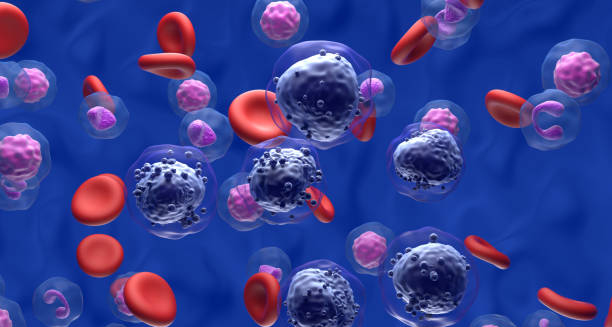
Blood cell illustration showing abnormal white cells used for diagnosing chronic myeloid leukaemia

Diagnosis of Chronic Myeloid Leukaemia

Diagnosis of Chronic Myeloid Leukaemia Diagnosis of chronic myeloid leukaemia begins with a thorough examination of blood and bone marrow samples. Since chronic myeloid leukaemia often progresses slowly and may not initially cause symptoms, it is frequently detected through routine blood tests revealing elevated white blood cell counts. 1. Complete Blood Count (CBC) The first indication of CML is usually a high white blood cell count. The CBC may also reveal anaemia (low red blood cells) and abnormal platelet counts. Immature white cells, such as myelocytes and promyelocytes, are often present in the blood. 2. Peripheral Blood Smear | Diagnosis of Chronic Myeloid Leukaemia A microscope is used to examine the shape and maturity of cells in the blood. A smear showing excessive immature granulocytes is typical of CML. 3. Bone Marrow Aspiration and Biopsy A bone marrow test confirms the diagnosis and provides insight into how far the disease has progressed. It assesses the percentage of immature white cells and the cellularity of the marrow. 4. Cytogenetic Analysis Testing for the Philadelphia chromosome is central to diagnosing CML. Conventional karyotyping or more sensitive techniques such as fluorescence in situ hybridisation (FISH) are used to identify the translocation between chromosomes 9 and 22. 5. PCR Testing | Diagnosis of Chronic Myeloid Leukaemia Polymerase chain reaction (PCR) detects and quantifies the BCR-ABL1 fusion gene. It is highly sensitive and used for ongoing monitoring of treatment response. A falling BCR-ABL1 level indicates successful treatment. 6. Additional Blood Tests Other tests may include serum lactate dehydrogenase (LDH), uric acid levels, and liver function tests. These help evaluate disease burden and manage side effects of treatment. Diagnosis also involves classifying the disease stage: A confirmed diagnosis of chronic myeloid leukaemia allows physicians to begin targeted treatment quickly. Because CML has such a strong molecular marker, diagnosis is highly specific and helps inform both prognosis and therapeutic strategy. [Next: Treatment of Chronic Myeloid Leukaemia →]

Diagnosis of Chronic Myeloid Leukaemia Read More »

Conceptual illustration of targeted drug therapy for chronic myeloid leukaemia treatment

Treatment of Chronic Myeloid Leukaemia

Treatment of Chronic Myeloid Leukaemia Treatment of chronic myeloid leukaemia has been revolutionised by the development of targeted therapies. While chronic myeloid leukaemia was once considered a fatal illness, it is now often managed as a chronic condition. Many patients achieve deep molecular remission and maintain normal life expectancy with ongoing treatment. 1. Tyrosine Kinase Inhibitors (TKIs) TKIs are the first-line treatment for most patients with CML. These drugs specifically block the BCR-ABL1 protein created by the Philadelphia chromosome, halting cancer cell growth. Common TKIs include: TKIs are usually taken orally once or twice daily and require lifelong adherence. 2. Monitoring Treatment Response Regular PCR tests are used to monitor the level of BCR-ABL1 in the blood. A major molecular response within 12 months is a positive sign. Treatment is adjusted if milestones are not met or if side effects are intolerable. 3. Stem Cell Transplant | Treatment of Chronic Myeloid Leukaemia For patients in blast crisis or with resistance to multiple TKIs, allogeneic stem cell transplantation may be considered. This option is high-risk and generally reserved for younger patients or those with aggressive disease. 4. Supportive Care Management of side effects such as fatigue, anaemia, or infections is essential. Some patients experience fluid retention, muscle cramps, or gastrointestinal issues. Regular monitoring helps manage these side effects and ensures continued treatment adherence. 5. Treatment-Free Remission (TFR) | Treatment of Chronic Myeloid Leukaemia Some patients who achieve deep, sustained remission may be eligible to stop therapy under medical supervision. This approach is still being studied but offers hope for long-term drug-free remission. In summary, treatment of chronic myeloid leukaemia is highly effective and focused on targeted inhibition of the disease-driving gene. With proper adherence and regular monitoring, most patients can live normal, active lives. [Next: Complications and Recovery from Chronic Myeloid Leukaemia →]

Treatment of Chronic Myeloid Leukaemia Read More »

Woman in recovery wearing a colourful beanie after treatment for chronic myeloid leukaemia

Complications and Recovery from Chronic Myeloid Leukaemia

Complications and Recovery from Chronic Myeloid Leukaemia Complications and recovery from chronic myeloid leukaemia depend on the stage of the disease. The patient’s response to treatment, and how early the condition was diagnosed. Although chronic myeloid leukaemia is now considered manageable, it can still lead to serious health challenges if not treated appropriately. 1. Drug Side Effects | Complications and Recovery from Chronic Myeloid Leukaemia Tyrosine kinase inhibitors (TKIs) are generally well tolerated, but they can cause fatigue, fluid retention, nausea, and, in some cases, cardiovascular effects. Long-term use may lead to decreased bone density or liver enzyme elevations, requiring close monitoring. 2. Resistance to Therapy Some patients develop resistance to TKIs, especially if they have certain mutations like T315I. Resistance can lead to disease progression and necessitate switching to a different TKI or considering a stem cell transplant. 3. Progression to Advanced Phases If untreated or if therapy fails, CML can progress to the accelerated phase or blast crisis. These advanced stages are more difficult to treat and resemble acute leukaemia, often requiring aggressive chemotherapy or transplant. 4. Secondary Cancers Though rare, some patients treated for CML may develop secondary malignancies. This may be linked to long-term suppression of normal blood cell development or previous exposure to radiation or chemotherapy. 5. Psychological Impact Living with a chronic cancer diagnosis, even one with a good prognosis, can be mentally and emotionally taxing. Anxiety about relapse, long-term medication use, and regular testing can affect quality of life. Recovery Outlook | Complications and Recovery from Chronic Myeloid Leukaemia With appropriate treatment, many patients achieve full remission. While CML requires lifelong monitoring, the outlook is excellent for most people diagnosed in the chronic phase. Patients who respond well to TKIs can enjoy long-term survival and, in some cases, discontinue therapy under close observation. Life After Diagnosis Most patients return to work, travel, and family life with few limitations. Regular appointments and lifestyle adjustments, such as maintaining a healthy diet and avoiding unnecessary medications, help support long-term health. In conclusion, complications are manageable with modern medicine. Long-term remission is achievable, and many patients live normal, healthy lives under continuous care and monitoring. [Next: Back to Overview →]

Complications and Recovery from Chronic Myeloid Leukaemia Read More »

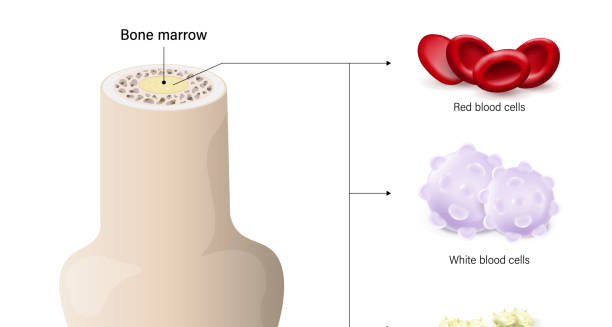
Bone marrow diagram showing red and white blood cells involved in chronic lymphocytic leukaemia

Chronic Lymphocytic Leukaemia

Chronic Lymphocytic Leukaemia – Overview Chronic lymphocytic leukaemia is a type of cancer that affects a specific group of white blood cells called lymphocytes. These cells originate in the bone marrow and play a vital role in the immune system. Chronic lymphocytic leukaemia (CLL) typically progresses slowly and is the most common form of leukaemia in adults, especially those over 60. It often presents with no symptoms in the early stages, making it a condition that is frequently diagnosed during routine blood tests. CLL develops when abnormal lymphocytes multiply uncontrollably. These cancerous cells accumulate in the blood, bone marrow, and lymph nodes, eventually crowding out healthy cells. As a result, individuals with CLL may become more prone to infections, anaemia, and bleeding problems due to a lack of functional blood cells. Unlike acute leukaemia, which progresses rapidly and requires immediate treatment, CLL can remain stable for many years. Some individuals may never require active treatment and are instead monitored under a strategy known as “watchful waiting.” However, others may experience worsening symptoms or blood count abnormalities that necessitate intervention. Chronic Lymphocytic Leukaemia – Overview The cause of CLL is not fully understood, but certain risk factors are known. These include advancing age, family history of blood cancers, exposure to certain chemicals like Agent Orange, and being of Caucasian descent. Men are more frequently affected than women. Diagnosis is typically made through blood tests that reveal elevated lymphocyte counts, followed by flow cytometry to identify the type of abnormal cells. A bone marrow biopsy or imaging tests may be used in more advanced cases to assess disease progression. CLL is generally considered incurable but manageable. Many people live for years — even decades — with the condition, especially if diagnosed early and monitored closely. Advances in targeted therapies and immunotherapy have transformed treatment, significantly improving prognosis. In summary, chronic lymphocytic leukaemia is a slow-growing blood cancer that affects older adults and can often be managed effectively. Early detection, careful monitoring, and personalised treatment plans offer the best path forward. [Next: Causes of Chronic Lymphocytic Leukaemia →]

Chronic Lymphocytic Leukaemia Read More »

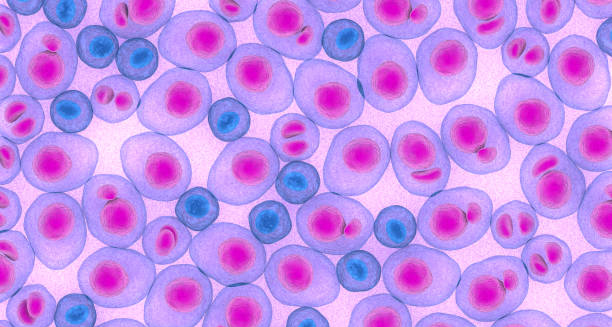
Microscopic image showing abnormal lymphocytes related to chronic lymphocytic leukaemia

Causes of Chronic Lymphocytic Leukaemia

Causes of Chronic Lymphocytic Leukaemia Causes of chronic lymphocytic leukaemia are not entirely clear, but scientists believe a combination of genetic, environmental, and age-related factors contribute to the development of this disease. Understanding the causes of chronic lymphocytic leukaemia is essential for risk assessment and ongoing research into prevention. 1. Genetic Predisposition One of the strongest indicators of CLL risk is family history. Individuals with a close relative who has CLL or another type of blood cancer are more likely to develop the condition themselves. Specific gene mutations, including abnormalities in chromosomes 13, 11, and 17, have been associated with CLL. Although these genetic changes are acquired rather than inherited, research continues into how inherited traits may influence susceptibility. 2. Age and Gender CLL primarily affects older adults. The average age at diagnosis is around 70, and the risk increases significantly with age. It is rare in individuals under 40. Men are about twice as likely to develop CLL compared to women, though the reasons for this disparity remain unclear. 3. Ethnicity | Causes of Chronic Lymphocytic Leukaemia There is a higher prevalence of CLL among people of European descent. The disease is less common in Asian and African populations, though migration studies suggest that environmental exposures also play a role, since risk levels change after relocation. 4. Environmental Factors Exposure to certain chemicals, especially herbicides and insecticides, has been linked to an increased risk of CLL. One well-documented example is Agent Orange, used during the Vietnam War, which has been associated with a higher incidence of CLL in exposed military personnel. Farming and agricultural occupations may also carry increased risk. 5. Immune System Irregularities People with autoimmune conditions or weakened immune systems due to infections such as HIV may have a higher chance of developing CLL. Although not a direct cause, immune system dysfunction may influence the onset or progression of the disease. 6. Radiation Exposure | Causes of Chronic Lymphocytic Leukaemia Unlike other cancers, ionising radiation is not strongly linked to CLL. However, it remains under investigation, especially in relation to other blood cancers. Importantly, CLL is not caused by lifestyle choices such as smoking, alcohol use, or diet. Nor is it contagious. However, general health and immune function can influence how the disease manifests and progresses. While many of the causes of chronic lymphocytic leukaemia remain under investigation, knowing the associated risk factors can help identify high-risk individuals and guide future prevention strategies. Ongoing genetic research may eventually uncover targeted ways to prevent or delay disease development. [Next: Symptoms of Chronic Lymphocytic Leukaemia →]

Causes of Chronic Lymphocytic Leukaemia Read More »

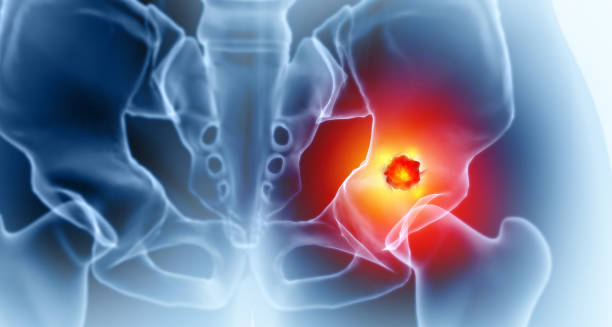
X-ray illustration showing cancerous growth in the pelvic region linked to chronic lymphocytic leukaemia

Symptoms of Chronic Lymphocytic Leukaemia

Symptoms of Chronic Lymphocytic Leukaemia Symptoms of chronic lymphocytic leukaemia can be vague or absent in the early stages, which is why the condition is often discovered during routine blood work. However, as this leukaemia progresses, more noticeable signs and symptoms may develop due to the accumulation of abnormal lymphocytes and the suppression of normal blood cell production. 1. Fatigue One of the most common symptoms is a persistent sense of tiredness or weakness. This results from anaemia caused by a shortage of healthy red blood cells, as well as the general energy drain caused by cancer in the body. 2. Swollen Lymph Nodes Swelling in the neck, armpits, or groin may occur as abnormal lymphocytes accumulate in the lymph nodes. These swellings are usually painless but can be uncomfortable or lead to a sensation of pressure. 3. Frequent Infections | Symptoms of Chronic Lymphocytic Leukaemia Because CLL weakens the immune system, affected individuals may experience more frequent or severe infections, including respiratory or urinary tract infections. The cancerous cells are ineffective at fighting pathogens, and they crowd out healthy white blood cells. 4. Easy Bruising and Bleeding Low platelet counts can lead to increased bruising, prolonged bleeding from minor cuts, or frequent nosebleeds. This symptom becomes more common in advanced stages of the disease. 5. Weight Loss and Loss of Appetite Unintentional weight loss and reduced appetite are red flags, often indicating disease progression. These symptoms may be caused by increased energy demands of the cancer or the body’s inflammatory response. 6. Night Sweats and Fever | Symptoms of Chronic Lymphocytic Leukaemia Some individuals experience drenching night sweats or unexplained fevers. These symptoms are often signs of systemic inflammation and are considered “B symptoms” — indicators of more aggressive disease. 7. Enlarged Spleen or Liver The spleen and liver may become enlarged due to lymphocyte infiltration. This can cause a feeling of fullness in the abdomen, discomfort, or early satiety after eating. Many of these symptoms are non-specific and may mimic other illnesses, especially in older adults. For that reason, diagnosis often comes after further investigation of unexplained symptoms or abnormalities in routine blood tests. Monitoring for symptoms of chronic lymphocytic leukaemia is essential, even after diagnosis, as their appearance or worsening can signal disease progression and the need to initiate or adjust treatment. [Next: Diagnosis of Chronic Lymphocytic Leukaemia →]

Symptoms of Chronic Lymphocytic Leukaemia Read More »

Doctor collecting blood sample in sterile conditions for chronic lymphocytic leukaemia diagnosis

Diagnosis of Chronic Lymphocytic Leukaemia

Diagnosis of Chronic Lymphocytic Leukaemia Diagnosis of chronic lymphocytic leukaemia often begins with an incidental finding during routine blood work. Many individuals with chronic lymphocytic leukaemia show no symptoms initially, but blood tests may reveal elevated white blood cell counts, prompting further investigation. 1. Complete Blood Count (CBC) The first clue is usually a high lymphocyte count on a CBC. A sustained elevation of lymphocytes, especially when not linked to an active infection, raises suspicion for CLL. Other abnormalities may include low red blood cells (anaemia) and reduced platelets (thrombocytopenia). 2. Peripheral Blood Smear This test involves examining a drop of blood under a microscope. It helps identify the presence of small, mature-appearing lymphocytes and smudge cells (damaged lymphocytes), which are typical in CLL. 3. Flow Cytometry | Diagnosis of Chronic Lymphocytic Leukaemia Flow cytometry is a key diagnostic tool. It analyses surface markers on white blood cells to distinguish between normal and abnormal lymphocytes. In CLL, the cancerous B-cells express a characteristic pattern of proteins, including CD5, CD19, and CD23. 4. FISH Testing and Cytogenetics Fluorescence in situ hybridisation (FISH) identifies chromosomal abnormalities that have prognostic significance. Deletions on chromosomes 13q, 11q, and 17p, or the presence of trisomy 12, help predict how aggressive the disease may be and guide treatment planning. 5. Bone Marrow Biopsy While not always necessary at diagnosis, a biopsy of the bone marrow may be performed to assess the extent of disease involvement, especially if treatment is being considered. 6. Imaging Tests | Diagnosis of Chronic Lymphocytic Leukaemia Ultrasound, CT, or PET scans may be used to evaluate enlarged lymph nodes, spleen, or liver. Imaging is especially useful if bulky disease or complications are suspected. 7. Beta-2 Microglobulin and IGHV Mutation Status These blood tests offer additional information about disease progression and prognosis. Unmutated IGHV genes, for example, are associated with a more aggressive disease course. Diagnosis is usually confirmed through a combination of these tests. Once diagnosed, CLL is staged using systems like the Rai or Binet classification, which help determine prognosis and treatment necessity. A timely and accurate diagnosis of chronic lymphocytic leukaemia provides the foundation for effective disease monitoring and tailored care. Not all cases require immediate treatment — many are simply observed until symptoms develop or blood counts change significantly. [Next: Treatment of Chronic Lymphocytic Leukaemia →]

Diagnosis of Chronic Lymphocytic Leukaemia Read More »

Medical professional administering intravenous treatment for chronic lymphocytic leukaemia

Treatment of Chronic Lymphocytic Leukaemia

Treatment of Chronic Lymphocytic Leukaemia Treatment of chronic lymphocytic leukaemia is tailored to the individual. Taking into account their age, general health, symptoms, and genetic markers. Because chronic lymphocytic leukaemia often progresses slowly, many patients do not need immediate therapy. Instead, doctors may recommend “watchful waiting” with regular monitoring until signs of disease progression emerge. The decision to begin treatment usually depends on the presence of symptoms such as significant fatigue, weight loss, night sweats, rapidly increasing lymphocyte counts, or complications like anaemia or thrombocytopenia. Enlarged lymph nodes or spleen that cause discomfort or organ dysfunction may also prompt treatment. 1. Chemotherapy Doctors have used traditional chemotherapy drugs—fludarabine, cyclophosphamide, and chlorambucil—to treat CLL for decades. These agents work by targeting and destroying rapidly dividing cells, but they also affect healthy cells, leading to side effects like nausea, fatigue, and increased infection risk. 2. Targeted Therapy | Treatment of Chronic Lymphocytic Leukaemia Modern treatment often focuses on targeted drugs that interfere with specific molecules or pathways in cancer cells. These therapies include: Taken orally, these medications have reshaped CLL treatment by delivering strong results with fewer side effects than standard chemotherapy. 3. Monoclonal Antibodies These laboratory-produced proteins bind to specific targets on cancer cells. Examples include: They can be used alone or in combination with chemotherapy or targeted drugs to enhance response rates. 4. Stem Cell Transplant In rare, aggressive cases — particularly those with high-risk genetic mutations like 17p deletion — allogeneic stem cell transplantation may be considered. This option is generally reserved for younger, fit patients who haven’t responded to other treatments. 5. Clinical Trials Participation in clinical research offers access to cutting-edge therapies. Many trials focus on combining drugs or testing new targeted treatments with fewer side effects. 6. Supportive Care | Treatment of Chronic Lymphocytic Leukaemia Management of infections, anaemia, and other symptoms is a critical part of CLL treatment. Prophylactic antibiotics, antiviral agents, blood transfusions, and immunoglobulin therapy may be used as needed. Treatment response is assessed using blood tests, physical exams, and imaging. Some patients achieve remission, while others experience relapses that require different therapies over time. Overall, treatment of chronic lymphocytic leukaemia has advanced significantly. Patients now have more options than ever, with many living long, high-quality lives thanks to improved, personalised care strategies. [Next: Complications and Recovery from Chronic Lymphocytic Leukaemia →]

Treatment of Chronic Lymphocytic Leukaemia Read More »

Scroll to Top