Mental Matters

Health Conditions

Find information on various health conditions affecting people of all ages. This category covers causes, symptoms, diagnosis, and management options for physical illnesses and chronic diseases. Get insights to help you understand different health challenges and make informed decisions about your wellbeing.

Doctor using stethoscope to examine patient's chest during heart check-up

Complications and Recovery from Cardiovascular Disease

Complications and Recovery from Cardiovascular Disease Complications and recovery from cardiovascular disease depend on how early the condition is detected, its severity, and the patient’s commitment to treatment. Without proper care, complications of cardiovascular disease can include heart attacks, strokes, heart failure, and sudden cardiac death. Common Complications Other long-term effects include reduced physical function, anxiety, depression, and impaired quality of life. These complications may be avoidable with early intervention and continued monitoring. Recovery Recovery involves: Complications and Recovery from Cardiovascular Disease The outlook varies: some people return to full function quickly, while others may need longer rehabilitation and ongoing care. With the right support and proactive management, complications can be controlled — and many people go on to enjoy long, active lives. [Next > Back to Overview]

Complications and Recovery from Cardiovascular Disease Read More »

Hand holding a red anatomical heart model

Cardiomyopathy

Cardiomyopathy – Overview This Cardiomyopathy is a disease of the heart muscle that affects its size, shape, or structure, leading to poor heart function. Amongst other conditions, cardiomyopathy can cause the heart to become enlarged, thickened, or stiff, reducing its ability to pump blood efficiently. It may lead to heart failure, arrhythmias, or sudden cardiac death if not properly managed. The condition affects people of all ages but is more common in adults. Some types are inherited, while others develop from long-term high blood pressure, infections, or unknown causess. The impact ranges from mild symptoms to life-threatening complications, depending on the type and stage. There are several types of cardiomyopathy: Cardiomyopathy Some people show no symptoms in early stages, while others may experience fatigue, breathlessness, or irregular heartbeats. Treatment focuses on managing symptoms, preventing complications, and slowing disease progression. This may involve medications, lifestyle changes, surgery, or implantable devices. With early diagnosis and proper care, many people with CM can live active, fulfilling lives. What Is Cardiomyopathy? Cardiomyopathy is a disease of the heart muscle that alters its size, shape, or structure, impairing the heart’s ability to pump blood efficiently. It can cause the heart to become enlarged, thickened, or stiff, potentially leading to serious conditions such as heart failure, arrhythmias, or even sudden cardiac death if left untreated. While it can affect anyone, doctors more commonly diagnose it in adults. Some forms inherit genetic causes, while chronic high blood pressure, infections, or unknown factors cause others Types and Impact There are several types of cardiomyopathy, each with unique characteristics: Symptoms can range from none at all in early stages to fatigue, breathlessness, or irregular heart rhythms. Treatment focuses on managing symptoms and preventing complications through medication, lifestyle changes, surgical procedures, or implantable devices. With proper care, many people with cardiomyopathy can maintain a good quality of life. [Next: Causes of Cardiomyopathy →]
Cardiomyopathy Read More »

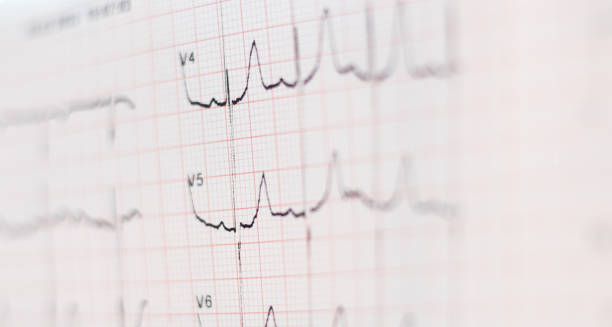
Close-up of ECG readings showing abnormal heart activity

Causes of Cardiomyopathy

Causes of Cardiomyopathy Causes of cardiomyopathy vary depending on the type, with both genetic and acquired factors playing a role. The most common causes include inherited gene mutations, high blood pressure, infections, long-term alcohol use, and certain medical conditions. Inherited causes are particularly relevant in hypertrophic and arrhythmogenic cardiomyopathy. Parents can pass on mutations in genes responsible for heart muscle structure or electrical function to their children. Doctors often recommend screening relatives, as family history strongly predicts risk. Dilated cardiomyopathy may result from: In restrictive cardiomyopathy, it may be a result of: Causes of Cardiomyopathy Arrhythmogenic cardiomyopathy is often genetic and linked to defects in the proteins that hold heart cells together, leading to muscle replacement by scar tissue. Other risk factors include obesity, diabetes, thyroid disorders, and sleep apnoea. In some cases, no identifiable cause is found — these are termed idiopathic cardiomyopathies. Understanding the causes of cardiomyopathy allows doctors to tailor treatment, identify at-risk family members, and advise on prevention strategies such as managing blood pressure or avoiding alcohol and recreational drugs. [Next: Symptoms of Cardiomyopathy →]

Causes of Cardiomyopathy Read More »

Woman clutching chest due to shortness of breath, a symptom of cardiomyopathy

Symptoms of Cardiomyopathy

Symptoms of Cardiomyopathy Symptoms of cardiomyopathy can develop slowly or appear suddenly, depending on the type and severity. Common symptoms of cardiomyopathy include shortness of breath, fatigue, swelling in the legs, irregular heartbeats, and chest discomfort. Shortness of breath (dyspnoea) often worsens with exertion or when lying flat. This occurs because the heart struggles to pump efficiently, causing fluid to back up into the lungs. Fatigue and weakness result from reduced blood flow to muscles and organs. Even routine activities like walking or climbing stairs may feel exhausting. Swelling in the legs, ankles, and abdomen (oedema) is another hallmark. It reflects fluid build-up due to poor heart function, especially in dilated or restrictive cardiomyopathy. Palpitations or sensations of a racing, fluttering, or skipping heartbeat may indicate arrhythmias. Some people may also experience dizziness or fainting, particularly in hypertrophic or arrhythmogenic cardiomyopathy where abnormal rhythms are more common. Chest pain can occur, although it is less common unless the cardiomyopathy is linked to coronary artery disease. It usually appears during exertion or stress and may resemble angina. Other symptoms may include: Symptoms of Cardiomyopathy In early stages, symptoms may be mild or absent. As the disease progresses, they become more pronounced and can significantly affect daily life. Recognising symptoms of cardiomyopathy early allows for quicker intervention, which can improve outcomes and prevent complications such as heart failure, stroke, or cardiac arrest. [Next: Diagnosis of Cardiomyopathy →]

Symptoms of Cardiomyopathy Read More »

Blood pressure monitor, ECG results, and pills used for diagnosing cardiomyopath

Diagnosis of Cardiomyopathy

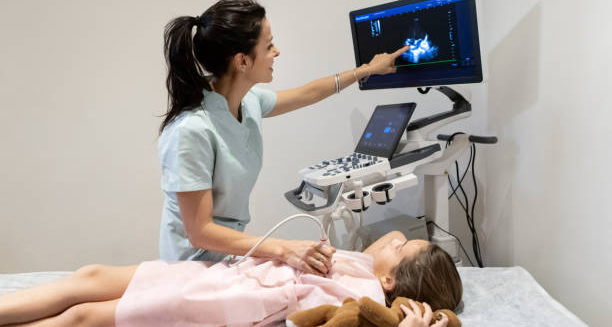
Diagnosis of Cardiomyopathy Diagnosis of cardiomyopathy involves a combination of physical examination, imaging tests, and sometimes genetic screening. A proper diagnosis of cardiomyopathy helps determine the type, severity, and treatment plan needed. Doctors start by reviewing medical history and asking about symptoms like breathlessness, fatigue, or fainting. They also inquire about family history of heart disease, sudden death, or genetic conditions. Physical examination may reveal signs such as heart murmurs, lung congestion, or swelling in the legs. A stethoscope may pick up abnormal heart sounds or fluid in the lungs. Key diagnostic tests include: 1. Electrocardiogram (ECG) Records the heart’s electrical activity and detects abnormal rhythms, past heart attacks, or conduction delays. 2. Echocardiogram Uses ultrasound to visualise the heart’s structure, thickness, and pumping ability. It helps distinguish between dilated, hypertrophic, and restrictive types. 3. Cardiac MRI Provides detailed images of heart muscle, scarring, and inflammation. Useful in complex or unclear cases. 4. Chest X-ray Can show heart enlargement or fluid in the lungs. 5. Blood tests Check for signs of heart failure, infection, or underlying conditions like thyroid dysfunction. 6. Genetic testing Recommended if inherited cardiomyopathy is suspected. Helps confirm the diagnosis and guide screening for family members. 7. Cardiac catheterisation Diagnosis of Cardiomyopathy May be used to assess blood flow, pressure inside the heart, or rule out coronary artery disease. A complete diagnosis of cardiomyopathy includes identifying the subtype, assessing function (ejection fraction), and staging the condition. This ensures treatment is accurate and effective. [Next: Treatment of Cardiomyopathy →]

Diagnosis of Cardiomyopathy Read More »

Healthcare professional performing an ultrasound on a young girl to monitor cardiomyopathy

Treatment of Cardiomyopathy

Treatment of Cardiomyopathy Treatment of cardiomyopathy focuses on relieving symptoms, preventing complications, and improving heart function. The approach depends on the type, severity, and individual patient profile. Effective treatment of cardiomyopathy often combines medication, lifestyle changes, and in some cases, surgery or devices. 1. Medications 2. Lifestyle Changes 3. Implantable Devices 4. Surgery 5. Monitoring and Rehabilitation Treatment of Cardiomyopathy With proper management, treatment of cardiomyopathy can significantly improve survival, reduce hospital admissions, and enhance quality of life. [Next: Complications and Recovery from Cardiomyopathy →]

Treatment of Cardiomyopathy Read More »

Man clutching his chest in discomfort, possibly due to cardiomyopathy

Complications and Recovery from Cardiomyopathy

Complications and Recovery from Cardiomyopathy Complications and recovery from cardiomyopathy depend on the type and how early treatment begins. While some people live with stable disease for years, others may face serious complications from cardiomyopathy, including heart failure, arrhythmias, or stroke. Common Complications Recovery and Long-Term Outlook With early diagnosis and treatment, many people can lead full lives. Recovery focuses on: For those with advanced cardiomyopathy, cardiac devices and surgery may offer dramatic improvements. Emotional wellbeing is also important. Depression, anxiety, or fear of sudden episodes are common. Support from healthcare teams, counselling, and patient groups can make a big difference. Complications and Recovery from Cardiomyopathy With consistent care, many live for decades with minimal disruption. Regular follow-ups ensure that any decline is caught early. By understanding complications and recovery from cardiomyopathy, patients and families can take proactive steps toward long-term health, stability, and peace of mind. [Next > Back to Overview]

Complications and Recovery from Cardiomyopathy Read More »

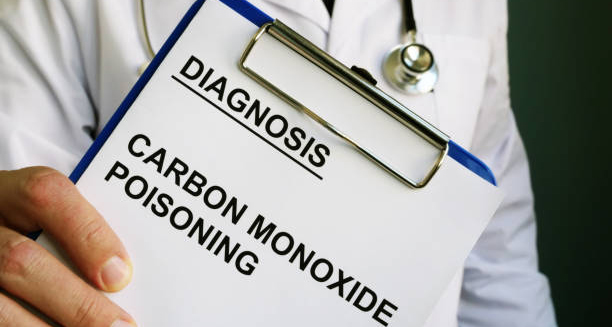
Doctor holding a clipboard with a diagnosis of carbon monoxide poisoning

Carbon Monoxide Poisoning

Carbon Monoxide Poisoning – Overview This condition Carbon monoxide poisoning occurs when CO (a colourless, odourless, and tasteless gas) builds up in the bloodstream and prevents the body from using oxygen properly. CO poisoning can cause serious harm to organs. Additionally, to tissues and is potentially fatal if not recognised and treated quickly. Incomplete burning of fuels like gas, wood, coal, or oil produces carbon monoxide (CO). Faulty appliances, blocked chimneys, and poorly ventilated heating systems are common sources. Because it is undetectable by human senses, people can inhale CO without knowing, making it especially dangerous. Once inhaled, carbon monoxide binds to haemoglobin in red blood cells more strongly than oxygen. Reducing the blood’s ability to carry oxygen. As a result, the body deprives vital organs like the brain and heart of oxygen. Furthermore, causing symptoms such as headaches, dizziness, confusion, and eventually loss of consciousness. Both acute and chronic exposure to carbon monoxide can cause harm. High-level exposure can kill within minutes, while long-term low-level exposure may cause lasting neurological problems. Carbon Monoxide Poisoning CO poisoning affects people in all environments — homes, workplaces, and vehicles. Young children, the elderly, pregnant women, and people with heart or lung disease are especially vulnerable. Early recognition, removal from exposure, and prompt treatment with oxygen can save lives and prevent complications. [Next: Causes of Carbon Monoxide Poisoning →]

Carbon Monoxide Poisoning Read More »

Smoke rising from a metallic mesh surface, illustrating carbon monoxide emission

Causes of Carbon Monoxide Poisoning

Causes of Carbon Monoxide Poisoning Causes of carbon monoxide poisoning are linked to the burning of fuel in enclosed or poorly ventilated spaces. The most common causes include malfunctioning heaters, blocked chimneys, car exhaust fumes, and indoor use of charcoal or gas-burning appliances. At home, faulty boilers, gas heaters, water heaters, wood-burning stoves, and fireplaces are major sources. If these appliances are not installed correctly, poorly maintained, or used in confined spaces, carbon monoxide can accumulate to dangerous levels. Blocked flues or chimneys prevent combustion gases from escaping properly, forcing CO back into the room. Cracks or leaks in furnace heat exchangers can also release CO into the air. Running petrol or diesel engines indoors — such as in garages, workshops, or basements — is particularly hazardous. A car left idling in a closed garage can produce lethal CO levels within minutes. Power generators, lawn mowers, and pressure washers can also pose risks if used in or near enclosed spaces. Carbon monoxide can also build up in caravans, tents, or boats if portable stoves, grills, or heaters are used without proper ventilation. In workplaces, sources may include gas-powered tools, forklifts, or industrial equipment used in enclosed spaces without adequate airflow. Tobacco smoke also contains small amounts of carbon monoxide, and chronic exposure in smokers may contribute to low-level poisoning. Causes of Carbon Monoxide Poisoning Lack of a working CO detector significantly increases the risk, as people may be exposed for hours or days before realising something is wrong. Recognising the causes of carbon monoxide poisoning is crucial for prevention. Installing CO detectors, ensuring proper ventilation, and regular appliance servicing are the most effective ways to stay safe. [Next: Symptoms of Carbon Monoxide Poisoning →]

Causes of Carbon Monoxide Poisoning Read More »

Illustration of a person feeling dizzy, a symptom of carbon monoxide poisoning

Symptoms of Carbon Monoxide Poisoning

Symptoms of Carbon Monoxide Poisoning Symptoms of carbon monoxide poisoning often resemble common illnesses, which makes the condition easy to miss. The most common symptoms poisoning include headache, dizziness, weakness, nausea, confusion, and shortness of breath. In severe cases, it can cause unconsciousness, coma, or death. Symptoms vary depending on the level and duration of exposure. At low levels, people may feel unwell without knowing why. The classic early signs include: With continued exposure, symptoms escalate. People may experience: One of the hallmark signs is that multiple people in the same environment (such as a household) develop similar symptoms at the same time, which should raise immediate suspicion of CO exposure. Symptoms of Carbon Monoxide Poisoning Chronic low-level exposure may cause memory problems, irritability, sleep disturbances, and difficulty focusing. In pregnant women, it can lead to developmental issues or stillbirth due to reduced oxygen to the foetus. Symptoms often worsen indoors and improve upon leaving the building. Pets may be affected before humans, showing signs of lethargy, unsteadiness, or vomiting. Because early symptoms mimic flu, food poisoning, or fatigue, it’s vital to consider environmental exposure — especially if there’s a gas appliance, fire, or generator in use. [Next: Diagnosis of Carbon Monoxide Poisoning →]

Symptoms of Carbon Monoxide Poisoning Read More »

Scroll to Top