Mental Matters

Health Conditions

Find information on various health conditions affecting people of all ages. This category covers causes, symptoms, diagnosis, and management options for physical illnesses and chronic diseases. Get insights to help you understand different health challenges and make informed decisions about your wellbeing.

Woman lying in bed appearing feverish and fatigued

Symptoms of Brucellosis

Symptoms of Brucellosis Symptoms of brucellosis can vary widely and may appear suddenly or develop slowly over time. The most common symptoms of brucellosis include intermittent fever, night sweats, joint pain, fatigue, and muscle aches. Because the condition mimics many other illnesses, it is often misdiagnosed in its early stages. One of the earliest and most noticeable symptoms is an undulating fever — meaning it rises and falls throughout the day. The fever may be low-grade or spike to 39–40°C, often accompanied by chills and profuse night sweats with a distinctive “wet hay” odour in some cases. Joint and muscle pain are also common, particularly in the lower back, knees, hips, and wrists. Inflammation of joints (arthritis) or spinal discs (spondylitis) may develop, especially in chronic cases. This symptom is frequently mistaken for rheumatic conditions or other musculoskeletal disorders. Fatigue and weakness may become debilitating. Many patients report feeling exhausted for weeks or months, even after the fever subsides. This prolonged tiredness can interfere with work, daily responsibilities, and mental wellbeing. Other symptoms include headache, loss of appetite, weight loss, irritability, and abdominal discomfort. Enlarged liver or spleen (hepatosplenomegaly) is sometimes found on physical examination or imaging. Symptoms of Brucellosis In men, brucellosis can cause inflammation of the testicles (orchitis), which may lead to infertility if untreated. Rare complications include inflammation of the heart lining (endocarditis), nervous system involvement (neurobrucellosis), or inflammation of the eyes (uveitis). The chronic form of brucellosis — where symptoms persist or recur for more than a year — is especially challenging. It may present with vague, fluctuating complaints and lead to emotional distress or misdiagnosis as depression or chronic fatigue syndrome. Recognising symptoms of brucellosis early allows for prompt treatment and prevents complications. Anyone with persistent fever, joint pain, or fatigue who has travelled to or lives in an at-risk area should seek medical advice and disclose any contact with livestock or unpasteurised food. [Next: Diagnosis of Brucellosis →]

Symptoms of Brucellosis Read More »

Syringe labelled brucellosis held by gloved hands

Diagnosis of Brucellosis

Diagnosis of Brucellosis Diagnosis of brucellosis requires a combination of clinical evaluation, laboratory testing, and a detailed patient history. An accurate diagnosis of brucellosis is vital. As the disease can mimic other infections or autoimmune conditions, delaying treatment if not correctly identified. Doctors begin by reviewing symptoms and asking about risk factors such as occupation (e.g. farming, veterinary work). Recent travel to endemic areas, and consumption of unpasteurised dairy products. People with prolonged fever, muscle pain, and fatigue — especially in rural or agricultural settings — should be evaluated for brucellosis. Physical examination may reveal fever, enlarged lymph nodes, joint tenderness, or hepatosplenomegaly. These findings are non-specific, so further testing is needed. Blood cultures are the most definitive diagnostic tool. Isolating Brucella bacteria from the blood confirms the infection, though it may take several days to grow in the lab. In chronic cases, the bacteria may be harder to detect. Furthermore, requiring repeated cultures or sampling from infected tissues or bone marrow. Serological tests such as the standard agglutination test (SAT), ELISA, or Coombs test measure antibodies to Brucella and help detect both acute and chronic infections. Rising antibody levels in repeat tests can confirm active infection. PCR (polymerase chain reaction) testing, though not widely available, offers rapid detection by identifying Brucella DNA. It is useful in complicated or advanced cases. Diagnosis of Brucellosis Additional tests like full blood counts, liver function tests, or inflammatory markers (ESR, CRP) can support the diagnosis and monitor disease severity, though they are not specific to brucellosis. Imaging studies such as ultrasound, CT scan, or MRI may be used to identify complications — such as abscesses, joint damage, or inflammation of internal organs. A timely diagnosis of brucellosis ensures appropriate treatment, reduces the risk of chronic complications, and improves the likelihood of full recovery. Doctors should always consider brucellosis in patients with fever of unknown origin and relevant exposure history. [Next: Treatment of Brucellosis →]

Diagnosis of Brucellosis Read More »

Patient receiving intravenous treatment for brucellosis

Treatment of Brucellosis

Treatment of Brucellosis Treatment of brucellosis focuses on eliminating the bacteria, relieving symptoms, and preventing recurrence. Because Brucella bacteria are hardy and slow-growing, effective treatment of brucellosis requires a combination of antibiotics taken for several weeks. The standard therapy includes doxycycline (an oral antibiotic) taken for at least six weeks, usually combined with an initial course of streptomycin injections or rifampicin taken orally for the first few weeks. This dual approach helps prevent relapses, which are common with shorter or incomplete treatment courses. In cases where streptomycin is not suitable, rifampicin may be used as the second drug alongside doxycycline for six weeks. This regimen is preferred in areas with limited access to injectable medications or in outpatient settings. For children, pregnant women, or those with specific contraindications, alternative antibiotics such as trimethoprim-sulfamethoxazole may be considered, always under specialist supervision. Severe or complicated cases — involving the nervous system, heart, bones, or genitals — require longer treatment, often up to 12 weeks or more. In these cases, intravenous antibiotics may be administered, followed by extended oral therapy. Painkillers and anti-inflammatory medication can help manage fever, joint pain, and fatigue during treatment. Bed rest is recommended during the acute phase, especially in patients with high fever or complications. Hospitalisation may be needed for those with severe disease, serious complications, or individuals unable to take oral antibiotics reliably. Treatment of Brucellosis Patients should complete the full course of medication even if symptoms improve early. Incomplete treatment increases the risk of relapse, which is a common challenge in managing brucellosis. Follow-up is important. Doctors will monitor symptom resolution, repeat blood tests, and assess for any lingering complications over several months. Proper treatment of brucellosis ensures most people recover fully, although fatigue and joint pain may persist for a while. Early diagnosis and adherence to antibiotic regimens are key to successful outcomes. [Next: Complications and Recovery from Brucellosis →]

Treatment of Brucellosis Read More »

Woman resting in a hospital bed during recovery from brucellosis

Complications and Recovery from Brucellosis

Complications and Recovery from Brucellosis Complications and recovery from brucellosis depend on how early the disease is diagnosed and how effectively it is treated. While most people recover completely, untreated or chronic cases can lead to serious complications and recovery from brucellosis challenges that affect multiple organ systems. One of the most common complications is relapse. This happens in up to 10–20% of cases, often due to incomplete treatment or poor adherence to antibiotic regimens. Symptoms such as fever, fatigue, and joint pain may return within months. Osteoarticular complications are frequent. These include arthritis, sacroiliitis (inflammation of the pelvic joints), or spondylitis (spinal infection). These conditions can cause persistent back pain and may require extended antibiotic therapy and physiotherapy. Neurobrucellosis — involving the brain or spinal cord — is a rare but serious complication. It can lead to meningitis, encephalitis, or nerve damage, and may result in seizures or long-term neurological problems. Endocarditis (infection of the heart valves) is the leading cause of death in brucellosis patients. It requires intensive antibiotic treatment and sometimes surgical valve replacement. Other complications include hepatitis, orchitis (testicular inflammation), abscess formation in the liver or spleen, and chronic fatigue. Complications and Recovery from Brucellosis Recovery from uncomplicated brucellosis typically takes a few weeks, although full energy levels may return more slowly. Patients are advised to rest, hydrate well, and avoid strenuous activity until cleared by their doctor. Preventing relapse is a key part of recovery. This means completing the full course of antibiotics, attending follow-up appointments, and reporting any returning symptoms early. Emotional support is also important. Chronic brucellosis can lead to depression or anxiety, particularly when symptoms linger or affect work and family life. With proper care, most individuals overcome complications and recovery from brucellosis successfully. Prevention remains the best strategy — through safe food practices, animal vaccination, and occupational safety in high-risk settings. Back to Overview

Complications and Recovery from Brucellosis Read More »

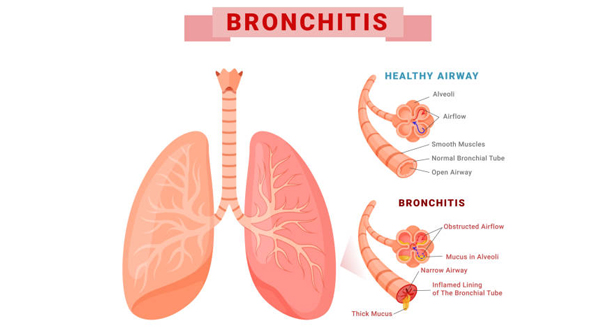
Medical illustration showing healthy lungs versus lungs affected by bronchitis

Bronchitis

Bronchitis – Overview This condition bronchitis is a condition where the lining of the bronchial tubes — the airways that carry air to and from the lungs — becomes inflamed. This condition causes a persistent cough, production of mucus (sputum), chest discomfort, and sometimes shortness of breath. It can be acute, lasting a few days to weeks, or chronic, which persists over months and often recurs. Acute bronchitis is usually caused by a viral infection, such as a cold or flu. It commonly affects people of all ages and typically resolves on its own. The chronic version, on the other hand, is a long-term condition often linked to smoking or exposure to air pollutants, and is one form of chronic obstructive pulmonary disease (COPD). In both types, the inflammation of the airway linings leads to excess mucus production, which irritates the lungs and triggers coughing. Acute bronchitis is more prevalent in colder months and may follow an upper respiratory tract infection. Chronic is more common in adults, especially smokers. Bronchitis The hallmark symptom is a persistent cough, which may produce clear, yellow, or greenish mucus. Other symptoms include fatigue, wheezing, chest tightness, and low-grade fever. While the acute version is self-limiting, the chronic condition requires long-term management. Most people with bronchitis recover without complications. However, in vulnerable groups — such as the elderly, infants, or people with weakened immune systems — the condition can lead to more serious respiratory illnesses like pneumonia. [Next: Causes of Bronchitis →]

Bronchitis Read More »

Doctor examining chest X-ray to assess lung inflammation and bronchitis cause

Causes of Bronchitis

Causes of Bronchitis Causes of bronchitis vary depending on whether the condition is acute or chronic. The most common causes of bronchitis include viral infections, smoking, air pollution, and exposure to irritants like dust or chemical fumes. Understanding the cause helps determine the best treatment and prevent future episodes. Acute bronchitis is usually caused by viruses such as rhinovirus, influenza, parainfluenza, or respiratory syncytial virus (RSV). These viruses infect the nose, throat, and then travel down to the bronchi, triggering inflammation. Because it’s viral, antibiotics are not effective unless there’s a secondary bacterial infection. Bacterial infections are a less common cause of acute bronchitis. Mycoplasma pneumoniae, Chlamydia pneumoniae, and Bordetella pertussis (which causes whooping cough) are examples of bacteria that may lead to bronchitis, particularly in people with compromised immunity. Chronic bronchitis is almost always linked to long-term irritation of the lungs. The main culprit is cigarette smoke. Smokers inhale harmful substances that damage the bronchial linings and reduce the lungs’ ability to clear mucus, making them prone to persistent inflammation and infection. Causes of bronchitis Exposure to environmental pollutants such as smog, dust, or industrial chemicals can also cause chronic irritation. People working in mining, farming, or manufacturing are at higher risk. Repeated bouts of acute bronchitis, particularly if poorly treated or combined with ongoing irritant exposure, can eventually lead to chronic bronchitis. Other risk factors include passive smoking, weak immune systems, gastro-oesophageal reflux disease (GORD), and underlying conditions such as asthma or allergic rhinitis. Recognising the causes of bronchitis is essential for both treatment and prevention. Avoiding smoking, reducing exposure to pollutants, and managing infections early can lower the risk of bronchitis, especially in high-risk individuals. [Next: Symptoms of Bronchitis →]

Causes of Bronchitis Read More »

Man experiencing sore throat and fatigue, early symptoms of bronchitis

Symptoms of Bronchitis

Symptoms of Bronchitis Symptoms of bronchitis often mimic those of a common cold or chest infection, but the key feature is a persistent cough that produces mucus. The most typical symptoms of bronchitis include coughing with phlegm, chest discomfort, wheezing, shortness of breath, and mild fever. Symptoms may vary in severity depending on whether the condition is acute or chronic. The main symptom is a cough that lasts for several days or even weeks. In acute bronchitis, the cough is initially dry but becomes productive over time, bringing up yellow or green mucus. The cough may worsen at night and cause difficulty sleeping. Chest pain or a burning sensation may occur due to the constant coughing. Some patients also experience tightness in the chest, which may be mistaken for heart-related discomfort. However, bronchitis-related chest pain typically worsens during coughing fits or deep breathing. Wheezing — a whistling sound when breathing — is often present, especially in children or adults with underlying asthma or smoking history. It indicates narrowing of the airways due to inflammation. Shortness of breath can occur if the airways are clogged with mucus. This is more common in chronic bronchitis or during acute flare-ups in patients with underlying lung conditions. Symptoms of bronchitis Other symptoms include fatigue, mild chills, low-grade fever, sore throat, and nasal congestion. These flu-like symptoms usually improve after a few days, but the cough often lingers. In chronic bronchitis, symptoms persist for at least three months and typically worsen in the morning or during cold weather. Patients may have frequent respiratory infections and progressively declining lung function over time. Blood-streaked mucus is rare and may signal a more serious issue such as pneumonia or lung cancer. Any such symptom should be reported to a doctor immediately. Recognising symptoms of bronchitis early helps with timely treatment and monitoring — especially in older adults, smokers, or those with chronic respiratory conditions. [Next: Diagnosis of Bronchitis →]

Symptoms of Bronchitis Read More »

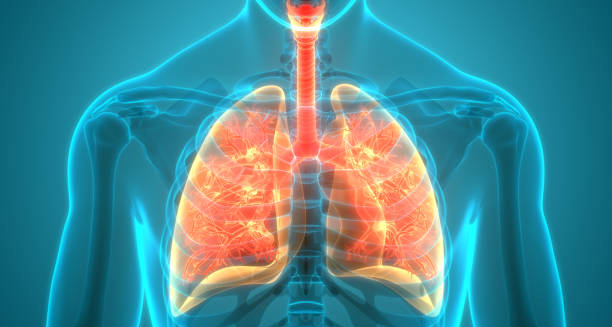
3D illustration of inflamed lungs showing bronchitis diagnosis

Diagnosis of Bronchitis

Diagnosis of Bronchitis Diagnosis of bronchitis begins with a thorough medical history and physical examination. A proper diagnosis of bronchitis helps distinguish it from other respiratory illnesses such as pneumonia, asthma, or even early signs of chronic obstructive pulmonary disease (COPD). The doctor will start by asking questions about the onset and duration of symptoms, particularly the nature of the cough, presence of mucus, fever, or breathing difficulties. Information about smoking habits, occupational exposure to irritants, and any history of lung disease is also important. During the physical exam, the doctor will listen to the chest using a stethoscope. Crackles or wheezing may be heard, especially during exhalation. If the lungs sound clear and the patient is otherwise well, no further tests may be necessary. For acute bronchitis, no special investigations are usually required unless complications are suspected. If symptoms persist beyond three weeks, worsen, or include a high fever, further tests may be recommended. A chest X-ray may be done to rule out pneumonia, especially in elderly patients or those with underlying conditions. Chest X-rays are particularly useful if the patient presents with shortness of breath, chest pain, or coughing up blood. Diagnosis of bronchitis In cases of chronic bronchitis or frequent episodes of acute bronchitis, lung function tests (spirometry) may be performed. These tests measure how well the lungs can inhale and exhale air and are used to diagnose or monitor COPD. Blood tests are not routinely needed but may help rule out other infections or check for inflammation. A sputum culture can be taken if a bacterial infection is suspected or if the patient is not responding to initial treatment. Pulse oximetry may be used to check oxygen levels in the blood, especially in people experiencing breathlessness. A confirmed diagnosis of bronchitis guides the next steps — whether symptomatic relief for acute cases or long-term management strategies for chronic sufferers. [Next: Treatment of Bronchitis →]

Diagnosis of Bronchitis Read More »

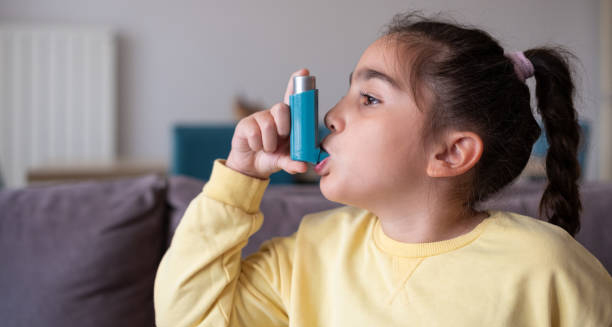
Young girl using an asthma inhaler for bronchitis treatment

Treatment of Bronchitis

Treatment of Bronchitis Treatment of bronchitis depends on whether the condition is acute or chronic. In acute cases, treatment of bronchitis focuses on relieving symptoms and helping the lungs clear the infection, while in chronic cases, long-term care is needed to manage inflammation and improve lung function. For acute bronchitis, rest, fluids, and over-the-counter painkillers such as paracetamol or ibuprofen are often sufficient. These reduce fever, muscle aches, and chest discomfort. A humidifier may also help loosen mucus and ease coughing. Cough medicines are not generally recommended, especially for children, as they may suppress the cough needed to clear mucus. However, if the cough is dry and disruptive, a doctor may suggest a short-term remedy. Antibiotics are not routinely used for acute bronchitis, as the cause is usually viral. However, they may be prescribed if a bacterial infection is suspected or if the patient is at high risk of complications — such as the elderly, people with heart disease, or those with weakened immunity. Inhalers or bronchodilators may be prescribed for patients who experience wheezing or have co-existing asthma. These help relax the airway muscles and make breathing easier. Chronic bronchitis treatment requires a more structured approach. Key elements include quitting smoking, avoiding air pollutants, and using prescribed medications to reduce inflammation and control symptoms. Treatment of bronchitis Long-term inhalers, including corticosteroids and bronchodilators, may be used. In advanced cases, oxygen therapy or pulmonary rehabilitation (a supervised exercise and education programme) can be beneficial. Vaccination against flu and pneumonia is advised to reduce the risk of respiratory infections, which can worsen bronchitis. Lifestyle adjustments such as staying active, eating a healthy diet, and managing stress play a vital role in recovery and prevention of recurrence. Effective treatment of bronchitis improves lung function, reduces hospital visits, and helps patients return to their daily activities without prolonged illness. [Next: Complications and Recovery from Bronchitis →]

Treatment of Bronchitis Read More »

Bronchitis Complications and Recovery in Adults

Complications and Recovery from Bronchitis

Complications and Recovery from Bronchitis Complications and recovery from bronchitis depend on the severity of the illness, the individual’s overall health, and how quickly treatment begins. Most people recover without issues, but understanding complications helps reduce risks and ensures complete healing. In acute bronchitis, complications are uncommon but can include: For those with asthma or COPD, a bout of bronchitis may trigger flare-ups or exacerbate existing respiratory symptoms. Monitoring and early intervention are key. Chronic bronchitis can lead to more serious issues, such as: Recovery from acute bronchitis usually takes 1 to 3 weeks. Drinking plenty of fluids, resting, and avoiding smoke and pollutants help speed up recovery. Lingering fatigue and cough are normal but should be monitored. Complications and recovery from bronchitis In chronic cases, recovery focuses on managing flare-ups and maintaining quality of life. Regular doctor check-ins, lung function testing, and vaccination help prevent complications. To aid both complications and recovery from bronchitis, patients should: With the right care, most patients — even those with chronic bronchitis — can live active, fulfilling lives with fewer interruptions from respiratory issues. Back to Overview

Complications and Recovery from Bronchitis Read More »

Scroll to Top