Mental Matters

Health Conditions

Find information on various health conditions affecting people of all ages. This category covers causes, symptoms, diagnosis, and management options for physical illnesses and chronic diseases. Get insights to help you understand different health challenges and make informed decisions about your wellbeing.

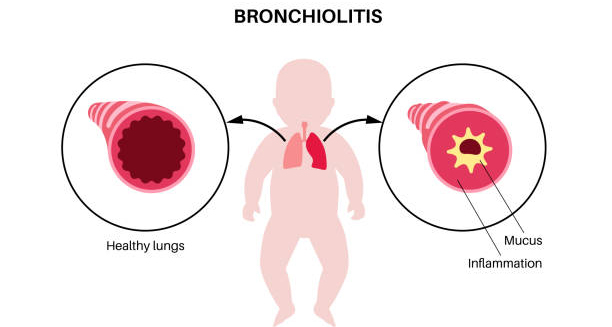
Infographic showing bronchiolitis in infants with comparison of healthy lungs and inflamed airways

Bronchiolitis

Bronchiolitis – Overview The condition bronchiolitis is a common viral lung infection that affects the small airways (bronchioles) in the lungs. Particularly in infants and young children. Bronchiolitis causes inflammation and swelling of these airways, leading to breathing difficulties, wheezing, and a persistent cough. It most often occurs during winter and early spring and is one of the leading causes of hospitalisation in babies under one year old. The infection usually starts as a mild cold but can worsen over a few days as inflammation blocks the bronchioles. Making it hard for air to move in and out of the lungs. While most cases are mild and resolve on their own. Furthermore, some children — especially those born prematurely or with existing health conditions — may experience more severe symptoms and need medical attention. The most common cause is the respiratory syncytial virus (RSV), although other viruses such as influenza, adenovirus, and rhinovirus can also trigger this condition. Adults can catch RSV too, but the symptoms are generally milder, similar to a cold. Bronchiolitis There is no specific cure for bronchiolitis, and antibiotics are not effective since it is caused by viruses. Treatment focuses on symptom relief, ensuring the child stays hydrated, and monitoring breathing. In severe cases, hospital care with oxygen or intravenous fluids may be needed. Most children recover from bronchiolitis within one to two weeks, though a cough may linger for longer. Parents and caregivers should watch for signs of worsening breathing and seek medical help if needed. [Next: Causes of Bronchiolitis →]
Bronchiolitis Read More »

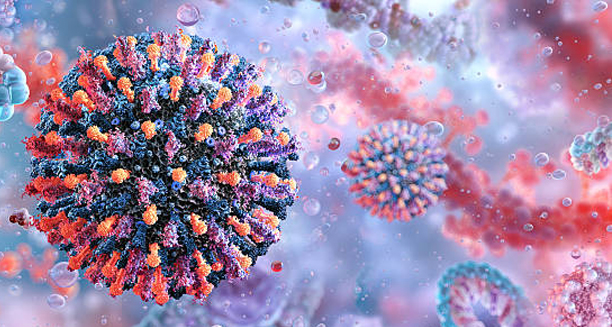
3D illustration of respiratory syncytial virus (RSV) particles, a common cause of bronchiolitis

Causes of Bronchiolitis

Causes of Bronchiolitis Causes of bronchiolitis are almost always viral, with respiratory syncytial virus (RSV) being the most common trigger. The leading causes of bronchiolitis include RSV, influenza virus, rhinovirus, adenovirus, and parainfluenza virus. These viruses are easily spread through droplets in the air when someone coughs or sneezes, or through direct contact with contaminated surfaces. RSV accounts for the majority of bronchiolitis cases, especially in babies under 12 months old. RSV is highly contagious and spreads quickly in crèches, households, and hospitals. It can live on surfaces such as toys, bedding, and doorknobs for hours, making hygiene and handwashing crucial in preventing transmission. Other viruses like influenza and rhinovirus, which cause flu and the common cold respectively, can also infect the lower airways and lead to bronchiolitis, particularly in children who already have a weakened immune system. Babies and toddlers are more vulnerable because their airways are smaller, meaning even a little swelling or mucus can block airflow. Those born prematurely or with conditions such as congenital heart disease, asthma, or chronic lung problems are at higher risk of severe bronchiolitis. Causes of bronchiolitis Exposure to tobacco smoke, overcrowded living conditions, and lack of breastfeeding can also increase the risk. Seasonal outbreaks are common during the colder months, and siblings or caregivers with a common cold can unknowingly pass the virus to the child. Although bronchiolitis mostly affects infants and toddlers, older children and adults can contract the viruses that cause it — but in them, it usually results in only mild cold symptoms. Understanding the causes of bronchiolitis helps in early recognition and prevention, particularly for high-risk babies. Avoiding sick contacts, maintaining good hygiene, and keeping environments smoke-free are key steps in reducing transmission. [Next: Symptoms of Bronchiolitis →]

Causes of Bronchiolitis Read More »

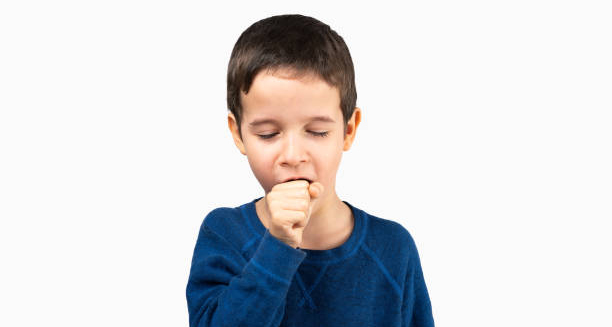
Young boy in a blue shirt coughing, illustrating early symptoms of bronchiolitis

Symptoms of Bronchiolitis

Symptoms of Bronchiolitis Symptoms of bronchiolitis often start like a common cold and worsen over a few days as the virus moves deeper into the lungs. The most common symptoms of bronchiolitis include a runny nose, dry cough, wheezing, rapid breathing, and difficulty feeding in babies. Symptoms usually peak around day three to five of illness. Early symptoms are similar to a mild upper respiratory infection: a blocked or runny nose, slight fever, and irritability. As the infection progresses, the bronchioles become inflamed and filled with mucus, which leads to lower respiratory symptoms. Wheezing is a key sign — it’s a high-pitched whistling sound when the child breathes out. Along with this, breathing becomes more laboured. You may notice flaring nostrils, chest wall retractions (when the skin between the ribs pulls in during breathing), and faster-than-normal breathing. Babies with bronchiolitis often have trouble feeding due to breathlessness. They may take smaller feeds or refuse feeding entirely. Dehydration becomes a risk if fluid intake drops too much. A persistent, dry cough usually develops and may worsen at night. In some cases, the child may vomit after coughing spells. Symptoms of bronchiolitis Fever is typically mild or absent, but some children may have a temperature of up to 38°C. Unlike bacterial infections, bronchiolitis rarely causes high fever. In severe cases, symptoms may include blue-tinged lips or fingernails (cyanosis), long pauses in breathing (apnoea), and extreme fatigue. These require urgent medical attention. For most children, the illness lasts 7 to 10 days. However, the cough may continue for up to 2–3 weeks after other symptoms resolve. Recognising symptoms of bronchiolitis early allows parents to monitor the condition and seek help if breathing becomes difficult. Mild cases can be managed at home, but any signs of breathing distress or poor feeding should prompt a visit to the doctor. [Next: Diagnosis of Bronchiolitis →]

Symptoms of Bronchiolitis Read More »

3D illustration of lungs under a magnifying glass used to represent bronchiolitis diagnosis

Diagnosis of Bronchiolitis

Diagnosis of Bronchiolitis Diagnosis of bronchiolitis is typically made through clinical evaluation, based on the child’s age, symptoms, and a physical examination. A formal diagnosis of bronchiolitis does not usually require lab tests or imaging unless complications or severe illness are suspected. During the consultation, the doctor will ask about the onset and pattern of symptoms — including cough, wheezing, feeding behaviour, and breathing difficulty. The child’s age is also an important factor, as bronchiolitis most often affects those under two years old. The doctor will listen to the lungs with a stethoscope to check for wheezing, crackling sounds, or reduced breath sounds. They will also observe the child’s breathing rate, chest movements, oxygen levels, and signs of dehydration. In most uncomplicated cases, no additional tests are needed. However, in hospitals or during outbreaks, a nasal swab may be taken to identify the virus (especially RSV). This helps in managing the spread of infection, particularly in neonatal or paediatric wards. Pulse oximetry is often used to measure oxygen saturation levels in the blood. Low readings may indicate the need for oxygen support or hospital admission. Diagnosis of bronchiolitis Chest X-rays are not routinely done but may be ordered if the child is not improving, has underlying conditions, or the doctor suspects pneumonia or another complication. Blood tests are rarely necessary unless the child appears very unwell or there’s concern about secondary bacterial infection. An accurate diagnosis of bronchiolitis allows caregivers and healthcare professionals to focus on supportive care. Most importantly, it helps avoid the unnecessary use of antibiotics, which are ineffective against viruses. [Next: Treatment of Bronchiolitis →]

Diagnosis of Bronchiolitis Read More »

RSV vaccine vial and syringe used in bronchiolitis treatment preparation

Treatment of Bronchiolitis

Treatment of Bronchiolitis Treatment of bronchiolitis focuses on relieving symptoms and supporting the child while the illness runs its course. There is no antiviral medication that cures the condition, so treatment of bronchiolitis is mostly supportive and tailored to each child’s severity of symptoms. For mild cases, care can be given at home. Parents are advised to ensure their child gets plenty of fluids, has enough rest, and remains in a well-ventilated, smoke-free environment. Saline nasal drops and gentle suctioning can help clear blocked noses, especially before feeding or sleeping. Fever and discomfort can be managed with paracetamol. Over-the-counter cough and cold remedies are not recommended for young children and can do more harm than good. Keeping the child upright or slightly elevated during rest may help ease breathing. Humidified air can sometimes make breathing more comfortable, though evidence for this is limited. In more serious cases, especially when the child is struggling to breathe or not feeding well, hospital care may be required. Treatment may include: Treatment of bronchiolitis Nebulisers, bronchodilators, and steroids are not routinely used, as studies show they offer little benefit in bronchiolitis unless the child has a pre-existing lung condition like asthma. Antibiotics are not effective unless a bacterial co-infection is diagnosed. The illness usually resolves on its own within 1 to 2 weeks. However, a lingering cough may persist longer. Follow-up may be advised if symptoms worsen or don’t improve. Proper treatment of bronchiolitis includes supportive care, vigilant observation, and knowing when to seek help. Most children recover fully with no long-term effects. [Next: Complications and Recovery from Bronchiolitis →]

Treatment of Bronchiolitis Read More »

Child sleeping with oxygen mask due to severe bronchiolitis

Complications and Recovery from Bronchiolitis

Complications and Recovery from Bronchiolitis Complications and recovery from bronchiolitis depend largely on the child’s age, health status, and severity of symptoms. Most children recover completely, but understanding the potential complications and recovery from bronchiolitis is important for proper aftercare and prevention. In otherwise healthy children, bronchiolitis usually resolves within 7 to 10 days. The cough may persist for up to 3 weeks, which is normal and not a sign of serious illness unless accompanied by worsening breathing. However, complications can occur. The most common is dehydration, particularly in babies who feed less due to breathlessness. Parents should monitor fluid intake and seek help if nappies are dry for more than 6 hours. Respiratory distress is another concern. If the child breathes very quickly, appears blue or pale, or is using extra muscles to breathe (chest retractions), urgent care is required. Pneumonia can develop if secondary bacterial infection sets in. This may require antibiotics and closer monitoring. Complications and recovery from bronchiolitis In very young babies — especially those under 6 weeks old — apnoea (pauses in breathing) is a serious risk and often requires hospital admission. Long-term effects are uncommon, but some children may experience recurrent wheezing or develop asthma-like symptoms after repeated infections. Ongoing research is still evaluating the connection between bronchiolitis and childhood asthma. Preventive measures include: Recovery care includes ensuring the child is well-hydrated, encouraging rest, and slowly reintroducing normal feeding and activity. Parents should be reassured that noisy breathing and mild coughing may continue for days after the child starts improving. With proper care, complications and recovery from bronchiolitis are manageable, and most children bounce back with no lasting effects. Back to Overview

Complications and Recovery from Bronchiolitis Read More »

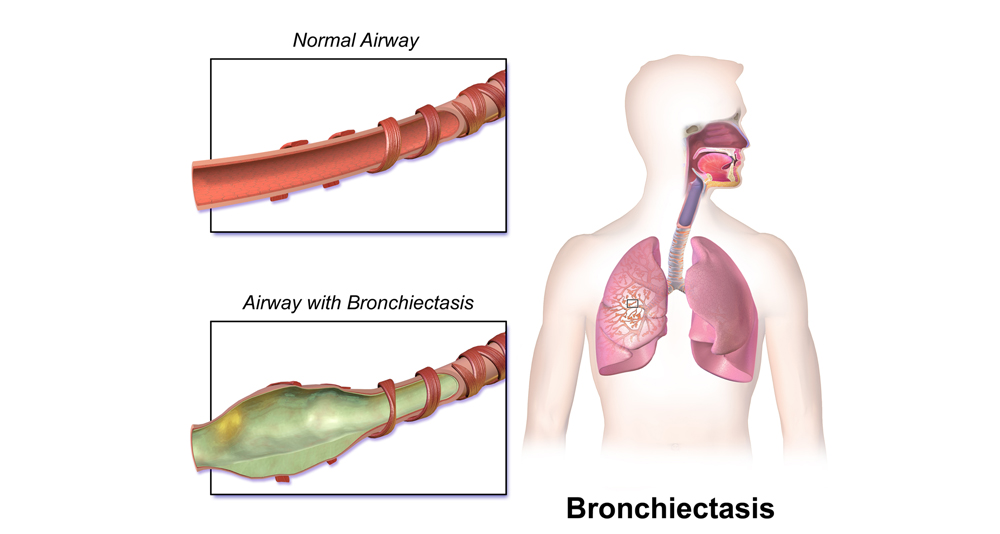
Medical illustration comparing normal airway to an airway affected by bronchiectasis

Bronchiectasis

Bronchiectasis – Overview Bronchiectasis is a chronic lung condition where the airways become permanently widened and damaged. This structural change makes it difficult to clear mucus, leading to repeated infections and long-term breathing difficulties. This condition affects the bronchi, the tubes that carry air in and out of the lungs. Over time, trapped mucus builds up, creating an environment that allows bacteria to thrive, triggering a cycle of inflammation, infection, and further airway damage. The condition can affect anyone but is more commonly found in older adults and people with a history of lung infections or underlying conditions such as cystic fibrosis or immune system disorders. In South Africa, respiratory infections like tuberculosis are a leading contributor to developing it. Bronchiectasis Although bronchiectasis is a progressive disease, early diagnosis and consistent treatment can help control symptoms, slow its progression, and improve overall quality of life. It’s often classified as either localised (affecting one area of the lung) or widespread (affecting multiple lung segments). Treatment aims to keep the lungs clear of mucus, prevent infections, and minimise further lung damage. There is no cure, but regular chest physiotherapy, prescribed antibiotics, and in some cases, bronchodilators or surgery can significantly improve symptom control and lung function. With appropriate care, many patients live full, active lives despite their diagnosis. [Next: Causes of Bronchiectasis →]

Bronchiectasis Read More »

Causes of Bronchiectasis

Causes of Bronchiectasis Causes of Bronchiectasis vary, but all lead to inflammation and damage of the airway walls. The most common causes of bronchiectasis include severe lung infections, immune system problems, allergic reactions, congenital conditions, and obstruction of the airways. In many cases, especially in developing countries, tuberculosis is a major contributor. One of the primary causes is past infection. Lung infections such as pneumonia, whooping cough, or tuberculosis can cause enough inflammation to damage the bronchial walls permanently. This damage leads to scarring and the development of abnormally widened airways where mucus collects. Congenital conditions like cystic fibrosis are a well-known cause. In cystic fibrosis, thick, sticky mucus builds up in the lungs from birth, leading to chronic infection and bronchiectasis. While rare in South Africa, it is a major factor in high-income countries. Immunodeficiency conditions — where the body has trouble fighting infections — also increase the risk. People with HIV, primary immunodeficiencies, or those on immune-suppressing treatments (such as chemotherapy or corticosteroids) may develop frequent lung infections that lead to bronchiectasis. Allergic bronchopulmonary aspergillosis (ABPA) is another cause. This condition results from an allergic reaction to a common fungus called Aspergillus, and it causes airway inflammation and mucus plugging, eventually leading to airway dilation. Causes of Bronchiectasis Obstruction of the airways can also trigger bronchiectasis. Inhaled foreign bodies, tumours, or lymph node pressure can block airflow and create a breeding ground for infection. Over time, these infections can cause lasting damage. In some cases, the exact cause remains unknown — this is referred to as idiopathic bronchiectasis. Understanding the causes of bronchiectasis is essential for effective management. When the root cause is identified early, targeted treatment can reduce progression and prevent recurrent infections that worsen lung damage. [Next: Symptoms of Bronchiectasis →]

Causes of Bronchiectasis Read More »

Symptoms of Bronchiectasis

Symptoms of Bronchiectasis Symptoms of bronchiectasis develop gradually and often mimic other chronic lung conditions, making early diagnosis a challenge. The most common symptoms of bronchiectasis include a persistent productive cough, thick mucus, shortness of breath, frequent chest infections, and general fatigue. These symptoms may worsen during flare-ups or after respiratory infections. The hallmark symptom is a chronic cough that brings up large amounts of sputum (phlegm). The mucus is often thick, sticky, and may be yellow or green — especially during infections. Patients may need to clear their throat and cough frequently throughout the day. Shortness of breath is another key symptom, particularly during physical activity. As the lungs become less efficient, patients may struggle to catch their breath even with moderate exertion. This can limit mobility and affect daily routines. Chest pain or tightness is sometimes reported. This is typically due to the constant coughing or inflammation in the lungs. Some people also experience wheezing, which can be confused with asthma. Recurrent respiratory infections are a significant issue. People with bronchiectasis tend to experience frequent bouts of bronchitis or pneumonia. These infections cause worsening symptoms, more mucus production, and sometimes fever or chills. Symptoms of bronchiectasis Clubbing — a change in the shape of the fingertips or nails — may develop over time in people with long-standing bronchiectasis. It’s a sign of chronic oxygen deficiency in the bloodstream. Fatigue is common and often underestimated. Constant coughing, disrupted sleep, and frequent infections take a toll on energy levels, affecting work, family life, and mental health. Symptoms may worsen during cold weather, after illness, or when exposed to pollutants or smoke. It’s important to monitor these patterns and work with a healthcare provider to manage flare-ups. Identifying symptoms of bronchiectasis early makes it possible to start treatment before lung damage becomes severe. If you or someone you know has a persistent cough with daily mucus, especially after previous lung infections, medical evaluation is strongly recommended. [Next: Diagnosis of Bronchiectasis →]

Symptoms of Bronchiectasis Read More »

Diagnosis of Bronchiectasis

Diagnosis of Bronchiectasis Diagnosis of bronchiectasis involves a combination of medical history, physical examination, imaging, and lab tests. A clear diagnosis of bronchiectasis allows healthcare providers to determine the severity of the disease, identify underlying causes, and begin tailored treatment to reduce long-term damage. The process begins with a detailed history. Doctors will ask about the duration and pattern of symptoms — especially coughing, sputum production, breathlessness, and history of chest infections or childhood illnesses. A history of tuberculosis, pneumonia, or asthma is often relevant. A physical examination may reveal crackles or wheezing sounds when listening to the lungs with a stethoscope. Doctors also look for signs like finger clubbing, chronic infection, or general fatigue. High-resolution CT (HRCT) scans are the gold standard for diagnosis. Doctors use these detailed images to confirm whether the airways are abnormally widened, thickened, or filled with mucus—classic signs of bronchiectasis. Chest X-rays may be done initially but are less sensitive. Lung function tests (spirometry) assess how well the lungs are working. These tests help determine if airway obstruction is present and monitor progression over time. Diagnosis of bronchiectasis Sputum cultures identify which bacteria or fungi are present in the mucus. This guides antibiotic treatment, especially during infections. In some cases, doctors test sputum for tuberculosis or resistant organisms like Pseudomonas aeruginosa. Blood tests may check for signs of infection, immune system function, and underlying conditions like autoimmune diseases or allergic responses (e.g. IgE levels in allergic bronchopulmonary aspergillosis). In children or patients with suspected cystic fibrosis, doctors may perform a sweat chloride test or genetic testing to confirm the diagnosis. An accurate diagnosis of bronchiectasis allows doctors to create the right treatment plan, prevent repeated infections, preserve lung function, and improve quality of life. [Next: Treatment of Bronchiectasis →]

Diagnosis of Bronchiectasis Read More »

Scroll to Top