Mental Matters

Health Conditions

Find information on various health conditions affecting people of all ages. This category covers causes, symptoms, diagnosis, and management options for physical illnesses and chronic diseases. Get insights to help you understand different health challenges and make informed decisions about your wellbeing.

Treatment of Bronchiectasis

Treatment of Bronchiectasis Treatment of bronchiectasis focuses on controlling infections, clearing mucus from the lungs, reducing inflammation, and managing any underlying causes. There is no cure, but consistent treatment of bronchiectasis can dramatically improve symptoms and reduce flare-ups. Airway clearance is a central part of treatment. Chest physiotherapy — including postural drainage, percussion, and breathing exercises — helps remove mucus and prevent blockages. Devices such as flutter valves or oscillating PEP (positive expiratory pressure) tools may assist with this process. Antibiotics are commonly prescribed, especially during infections. Oral antibiotics are used for mild infections, while more severe or resistant cases may require intravenous (IV) antibiotics. Some patients benefit from long-term, low-dose antibiotic therapy to reduce flare-up frequency. Bronchodilators and corticosteroids may be used in people with overlapping asthma or chronic obstructive pulmonary disease (COPD). These medications help relax airway muscles and reduce inflammation, improving airflow. For people with thick mucus, mucolytic agents or saline nebulisers can thin the secretions and make it easier to cough them up. Vaccinations play an important role in prevention. Annual flu vaccines and pneumococcal vaccines help protect against respiratory infections that can worsen bronchiectasis. Surgery is rarely required but may be considered in patients with localised bronchiectasis who do not respond to medication. Lung resection may help if only one area of the lung is severely damaged. Treatment of bronchiectasis Pulmonary rehabilitation and regular exercise are also beneficial. They help improve lung function, increase endurance, and reduce shortness of breath. In severe or advanced cases, oxygen therapy or referral for lung transplantation may be considered — although these situations are uncommon. Self-management, including quitting smoking, maintaining hydration, avoiding air pollutants, and treating flare-ups early, is essential for long-term success in treatment of bronchiectasis. [Next: Complications and Management of Bronchiectasis →]

Treatment of Bronchiectasis Read More »

Complications and Management of Bronchiectasis

Complications and Management of Bronchiectasis Complications and management of bronchiectasis go hand in hand. If left untreated, the condition can lead to worsening lung damage, respiratory failure, or serious infections. However, with proactive care, most complications and management of bronchiectasis challenges can be avoided or controlled. One major complication is recurrent lung infections. These infections cause further damage to the airways and increase mucus production, making symptoms worse. Regular sputum monitoring, prompt antibiotics, and good airway hygiene help manage this risk. Pneumonia and respiratory failure are severe complications, particularly in people with widespread lung involvement. These cases may require hospitalisation, oxygen support, and aggressive treatment. Haemoptysis (coughing up blood) may occur due to fragile or damaged blood vessels in the lungs. Minor bleeding can be managed with rest and antibiotics, but heavy bleeding needs urgent medical care and possibly surgery or embolisation. Lung function decline is another concern. If bronchiectasis progresses, breathing becomes harder, oxygen levels drop, and physical activity is affected. Regular spirometry testing and early intervention can slow this process. Complications and management of bronchiectasis In rare cases, abscesses or Pseudomonas colonisation may develop, which are harder to treat and require long-term antibiotic therapy. Chronic fatigue, depression, and reduced quality of life are commonly reported by patients. Support groups, mental health support, and regular exercise play important roles in emotional wellbeing. Management of bronchiectasis involves a combination of medical care and lifestyle changes. Consistent follow-up with a respiratory specialist, adherence to treatment plans, vaccination, and healthy habits are key to long-term control. With proper complications and management of bronchiectasis, most individuals can lead fulfilling lives, minimise hospital visits, and maintain good lung health well into the future. Back to Overview

Complications and Management of Bronchiectasis Read More »

Bruised Ribs

Bruised Ribs

Bruised Ribs – Overview Bruised ribs is an injury where the muscles or cartilage around the ribcage are damaged. Without fracturing the bone itself. A bruised rib is typically the result of blunt trauma. Such as a fall, sports injury, or impact from a seatbelt — and although not as serious as a fracture, it can be extremely painful and take several weeks to fully heal. The ribcage is made up of 12 pairs of ribs that protect vital organs like the lungs and heart. When bruised, the soft tissue between and around these bones becomes inflamed, leading to pain, swelling, and tenderness. The injury may also affect the intercostal muscles, which help with breathing and movement. Bruised ribs are commonly confused with broken ribs due to similar symptoms. However, bruised ribs don’t involve a break in the bone and usually carry less risk of internal complications. That said, deep bruising can still cause difficulty breathing and discomfort during sleep or physical activity. Bruised Rib Typical causes include sports collisions, slipping and falling onto the side of the body, physical assaults. Additionally, even intense coughing fits. Diagnosis is made through physical examination and, if necessary, imaging like X-rays or CT scans to rule out fractures. Treatment focuses on pain management, rest, and gradual return to normal activity. Unlike some injuries, ribs can’t be immobilised with a cast, so healing requires careful avoidance of activities that aggravate the injury. A bruised rib generally takes 3 to 6 weeks to heal, but persistent symptoms may warrant further evaluation to exclude more serious conditions. [Next: Causes of a Bruised Rib →]

Bruised Ribs Read More »

Boxers exchanging punches during a fight, highlighting potential rib injuries

Causes of a Bruised Rib

Causes of a Bruised Rib Causes of a Bruised Rib typically involve blunt trauma to the chest or repeated strain on the ribcage. The most common causes of a bruised rib include falls, sports injuries, car accidents, and excessive coughing. Identifying the source of the injury is crucial for effective treatment and future prevention. Falls are a major cause, especially when someone lands directly on their side or back. Slipping on wet floors, falling off a bicycle, or tumbling down stairs can create enough force to bruise the ribs without breaking them. Sports injuries are also frequent culprits. Contact sports like rugby, hockey, or football often result in collisions or tackles that impact the chest. High-speed sports like cycling and skateboarding also carry risk when a rider falls or crashes into a hard surface. Car accidents are another significant source. A seatbelt can compress the chest during a sudden stop or crash, causing bruising to the ribs and surrounding tissues. While seatbelts save lives, the pressure they apply during impact can still result in soft tissue injury. Repeated physical strain, such as heavy lifting, intense gym training, or repetitive twisting motions, can also bruise the intercostal muscles and soft tissue between the ribs. Rowers, dancers, and weightlifters are especially prone to these types of injuries. Causes of a Bruised Rib Severe or prolonged coughing fits can bruise the ribs too. This is especially common in people with respiratory illnesses like bronchitis, pneumonia, or chronic obstructive pulmonary disease (COPD). The repeated contraction of chest muscles puts pressure on the ribcage, which can lead to bruising — particularly in older adults or those with fragile bones. In rare cases, minor rib injuries may result from underlying medical conditions like osteoporosis or bone cancer, where the ribs are more susceptible to damage. Understanding the causes of a bruised rib can help prevent recurrence. Protective gear during sport, proper lifting technique, treating persistent coughs early, and improving home safety are all helpful preventative strategies. [Next: Symptoms of a Bruised Rib →]

Causes of a Bruised Rib Read More »

Man holding his lower back with spine highlighted in red, indicating pain or injury

Symptoms of a Bruised Rib

Symptoms of a Bruised Rib Symptoms of a Bruised Rib usually develop quickly after injury and are often similar to those of a broken rib, which is why a professional evaluation is important. The most common symptoms of a bruised rib include localised chest pain, tenderness, swelling, and discomfort when breathing or moving the upper body. These symptoms can range from mild to severe, depending on the impact. Pain is the most noticeable symptom. It usually occurs in one specific area of the ribcage and may feel sharp or achy. The pain tends to worsen with movement, deep breathing, coughing, sneezing, or laughing. Some people also experience a burning or throbbing sensation, especially at night or when lying on the affected side. Tenderness over the injured area is common. Light touch, pressure, or wearing tight clothing can trigger pain. Bruising may develop externally as a visible blue or purple discolouration on the skin above the ribs. In deeper injuries, bruising may not be visible, but discomfort remains significant. Swelling around the ribs may appear within hours of the injury. In some cases, the area feels warm or tight. Applying pressure or lying on the bruised side can intensify the discomfort. Symptoms of a Bruised Rib Difficulty breathing deeply is another typical symptom. Although the ribs are not broken, inflammation of the soft tissue limits expansion of the chest, making full breaths painful. This may lead to shallow breathing, which increases the risk of lung infections like pneumonia if left unmanaged. Muscle spasms in the surrounding area may also occur as the body tries to protect the injury. These spasms can cause additional stiffness and reduced mobility in the upper torso. People often mistake symptoms of a bruised rib for pulled muscles or internal organ issues. However, rib bruises tend to produce very localised and consistent pain during specific movements, which helps differentiate them from other conditions. If symptoms persist beyond a few days, worsen, or are accompanied by shortness of breath, blood in coughs, or dizziness, immediate medical evaluation is needed to rule out more serious problems. [Next: Diagnosis of a Bruised Rib →]

Symptoms of a Bruised Rib Read More »

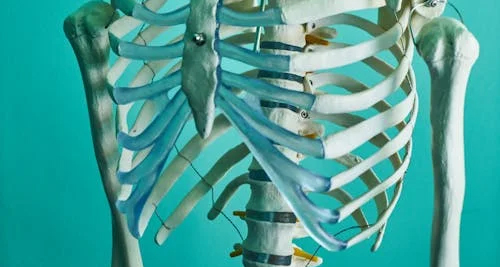
Medical rib cage model showing upper torso bones against a teal background

Diagnosis of a Bruised Rib

Diagnosis of a Bruised Rib Diagnosis of a Bruised Rib relies primarily on a clinical examination, followed by imaging tests if necessary to rule out fractures or complications. A proper diagnosis of a bruised rib helps ensure the correct treatment approach. Additionally, prevents overlooking more serious injuries like lung damage or broken ribs. The doctor begins by asking about the injury. How it happened, when it started hurting, and whether other symptoms such as difficulty breathing or chest tightness are present. A physical examination follows, where the doctor gently presses along the ribcage to find tender or swollen areas. Most bruised ribs don’t require imaging, especially if the injury is mild and there are no signs of complications. However, if the patient has severe pain, signs of breathing difficulty, or is involved in high-impact trauma (like a car accident), further tests may be needed. X-rays are commonly used to rule out broken ribs. Although they do not always detect bruising of soft tissues or muscles, X-rays are useful in eliminating more serious skeletal injuries. CT scans may be ordered in cases involving multiple trauma or if lung or organ damage is suspected. These provide a more detailed look at the chest cavity and can reveal internal bleeding or other complications. Diagnosis of a Bruised Rib An ultrasound may also be used to evaluate bruising of the intercostal muscles or check for fluid build-up around the lungs (pleural effusion). In respiratory cases, oxygen saturation and lung function may be assessed to ensure breathing isn’t compromised. MRI scans are rarely required but may be used to evaluate soft tissue damage if symptoms are prolonged or unexplained. In patients with a history of osteoporosis, cancer, or bleeding disorders. Additionally, blood tests or bone scans may be requested to check for underlying causes or coexisting conditions. An early and accurate diagnosis of a bruised rib prevents unnecessary anxiety and supports a smoother recovery process, especially when the pain mimics that of a more serious internal injury. [Next: Treatment of a Bruised Rib →]

Diagnosis of a Bruised Rib Read More »

Various pain relief tablets and capsules spilled from a bottle on a black surface

Treatment of a Bruised Rib

Treatment of a Bruised Rib Treatment of a Bruised Rib focuses on pain relief, inflammation control, and allowing the soft tissue around the ribcage to heal. Most cases of a bruised rib heal without medical procedures, although supportive care and lifestyle adjustments are crucial to recovery. The cornerstone of treatment is rest. Patients are advised to avoid strenuous activity and movements that strain the upper body, especially twisting, lifting, or reaching. While complete bed rest isn’t required, overexertion can worsen inflammation and delay healing. Pain management includes over-the-counter medication such as ibuprofen or paracetamol. These help reduce inflammation and make it easier for patients to breathe deeply — which is essential for lung health. In more severe cases, doctors may prescribe stronger pain relief or administer local anaesthetic injections. Ice packs applied to the injured area for 15 to 20 minutes at a time during the first 48 hours help minimise swelling. After that, warm compresses may be used to ease muscle tension and improve circulation. Unlike in the past, binding or wrapping the chest is no longer recommended. This can restrict breathing and lead to complications such as pneumonia. Instead, patients are encouraged to breathe deeply, cough gently, and perform chest-expansion exercises to keep the lungs healthy. Supportive devices like rib belts or elastic vests are only prescribed in rare situations and must be used under medical supervision. Treatment of a Bruised Rib Using a cushion or soft pillow when sitting or sleeping may improve comfort. Elevating the upper body while sleeping can also relieve pressure and reduce nighttime discomfort. In cases where pain prevents normal breathing, physiotherapy may be introduced to teach safe breathing techniques and improve posture. Avoiding smoking and maintaining good hydration can also support healing by keeping the lungs clear and reducing irritation. Most people recover from treatment of a bruised rib in 3 to 6 weeks, though mild discomfort may linger longer depending on the severity of the bruising and individual health factors. [Next: Complications and Recovery from a Bruised Rib →]

Treatment of a Bruised Rib Read More »

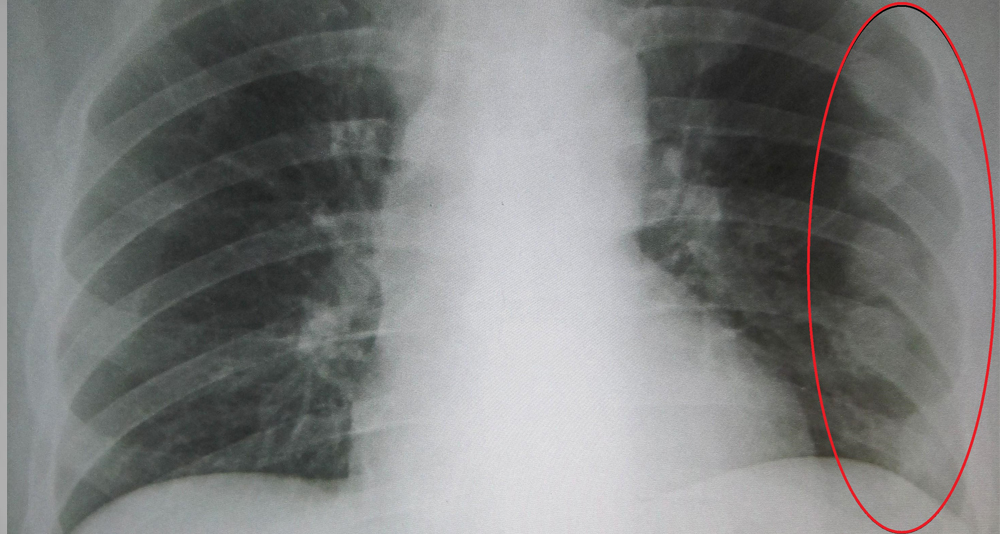
Chest X-ray showing bruised rib area with red circle highlighting injury

Complications and Recovery from a Bruised Rib

Complications and Recovery from a Bruised Rib Complications and Recovery from a Bruised Rib are usually minimal, especially when the injury is treated properly. However, certain factors can prolong healing or lead to secondary problems. The most important concerns include prolonged pain. Additionally, reduced lung capacity, and in rare cases, pneumonia. The most common complication is shallow breathing due to pain. If patients avoid deep breaths or coughing, mucus can accumulate in the lungs, increasing the risk of infection. Breathing exercises and appropriate pain relief are essential to avoid this issue. Persistent pain may last longer than expected. Particularly in older adults or those with poor posture, stress, or coexisting musculoskeletal issues. This chronic discomfort may limit activity levels, disturb sleep, or cause psychological effects such as irritability or anxiety. Muscle spasms around the injury site can also develop. Especially if poor posture or guarding habits are adopted to reduce pain. These spasms may restrict movement and add to the discomfort during recovery. Complications and Recovery from a Bruised Rib Recovery usually takes 3 to 6 weeks, though healing may be quicker in healthy, active individuals and longer in those with underlying health conditions. Regular but gentle activity is encouraged to maintain fitness without aggravating the injury. Most patients resume normal activities within a few weeks. However, returning to sports or physically demanding work should be delayed until pain is completely gone and range of motion has returned to normal. Complications are more likely if the injury was misdiagnosed or left untreated. If symptoms worsen — especially shortness of breath, high fever, coughing blood, or fainting — urgent medical care is required to rule out internal injuries or infection. With the right approach, complications and recovery from a bruised rib are manageable. Pain gradually subsides, function returns, and long-term issues are rare when patients follow their recovery plan closely. Back to Overview

Complications and Recovery from a Bruised Rib Read More »

Woman kneeling on a mat while holding her lower back in discomfort

Broken Tailbone

Broken Tailbone – Overview A broken tailbone is a fracture or dislocation of the coccyx. The small triangular bone located at the bottom of the spine. This is usually caused by direct trauma. Such as slipping and falling backwards, and while the injury is not often medically dangerous. However, it can be extremely painful and restrict movement for weeks or even months. The coccyx consists of three to five small vertebrae and is the remnant of a vestigial tail. It acts as an anchor point for muscles and ligaments that support sitting, balance, and posture. Although small, injury to the coccyx can have a disproportionate effect on comfort, especially when sitting or transitioning between seated and standing positions. Common causes include falling directly onto the buttocks, repetitive strain from cycling or rowing, or trauma during childbirth. Less frequently, the injury may result from degenerative joint conditions or abnormal bone growth. Symptoms include sharp or aching pain at the base of the spine. Additionaly, discomfort while sitting, pain during bowel movements, and in some cases, radiating pain into the legs or lower back. Bruising and tenderness in the area are also typical. broken tailbone Diagnosis is often made through a physical exam and symptom history, but imaging such as X-rays or MRI may be needed to rule out more serious conditions or confirm a fracture. Treatment is generally conservative and includes rest, pain relief, special cushions for sitting, stool softeners, and physical therapy. In rare cases where pain becomes chronic or the bone is severely displaced, surgery (coccygectomy) may be considered. Most people recover from a broken tailbone within a few weeks to months, although some cases can result in persistent discomfort if not treated appropriately. [Next: Causes of a Broken Tailbone →]

Broken Tailbone Read More »

Construction worker holding lower back in pain while wearing a reflective vest

Causes of a Broken Tailbone

Causes of a Broken Tailbone Causes of a Broken Tailbone most commonly involve direct trauma to the lower back or repetitive stress to the coccyx. The leading causes of a broken tailbone include falling backwards onto a hard surface, childbirth, repetitive strain from certain activities, and in rare cases, bone diseases or tumours. Understanding the cause helps tailor treatment and prevent further injury. Falling onto the buttocks is by far the most common cause. This may happen during sports, slipping on wet floors, icy pavements, or accidents involving steps or stairs. The force of the fall travels through the buttocks and directly impacts the coccyx, often causing a fracture or dislocation. Childbirth can also lead to tailbone injury. During delivery, the baby’s head may push against the coccyx, stretching or even dislocating it. Women with narrow pelvic outlets or prolonged labour are at higher risk. Repetitive activities like rowing, cycling, or horse riding can lead to stress on the coccyx. Over time, microtrauma from constant pressure and motion can cause inflammation, bruising, or even fracture — particularly in people with poor posture or insufficient cushioning. Car accidents and other high-impact trauma can also fracture the coccyx, especially when seatbelts don’t distribute force properly. Sudden stops or backward jolts may slam the coccyx against the seat, resulting in injury. Causes of a Broken Tailbone Other less common causes include bone thinning from osteoporosis, which increases the likelihood of fractures from minor bumps. Tumours or infections in the spine may also weaken the area and make the tailbone more prone to breaking. Being overweight or underweight can also contribute. Excess weight puts additional pressure on the coccyx when sitting, while very thin individuals may lack the necessary fat padding to protect the bone. Knowing the causes of a broken tailbone helps in diagnosis, recovery, and prevention. Simple measures such as using proper seating, fall-proofing your home, and strengthening core muscles can reduce the risk of future injury. [Next: Symptoms of a Broken Tailbone →]

Causes of a Broken Tailbone Read More »

Scroll to Top