Mental Matters

Health Conditions

Find information on various health conditions affecting people of all ages. This category covers causes, symptoms, diagnosis, and management options for physical illnesses and chronic diseases. Get insights to help you understand different health challenges and make informed decisions about your wellbeing.

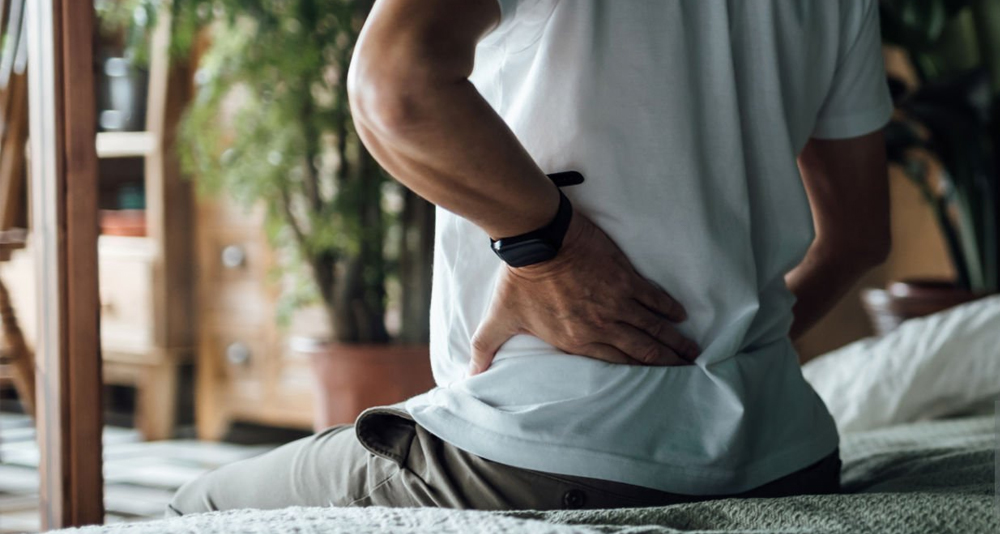
Person sitting on bed and holding lower back due to tailbone pain

Symptoms of a Broken Tailbone

Symptoms of a Broken Tailbone Symptoms of a Broken Tailbone usually develop immediately after trauma, though in some cases, the pain builds gradually. The most common symptoms of a broken tailbone include sharp or aching pain at the base of the spine, difficulty sitting, tenderness, and discomfort during bowel movements. Recognising these symptoms early helps avoid chronic issues and speeds up recovery. The hallmark symptom is pain located just above the buttocks. This pain often feels sharp or stabbing when moving from sitting to standing, and dull or aching when sitting for long periods. It may worsen during certain activities such as bending, lifting, or using the toilet. Many patients describe extreme discomfort when sitting on hard surfaces. Prolonged sitting without a cushion intensifies the pain. In response, people often shift weight to one side, which can lead to poor posture and secondary pain in the hips or lower back. Tenderness and bruising over the coccyx are common, particularly after direct trauma. Touching the area or applying pressure may trigger a sharp response. In some cases, swelling is visible, and wearing tight clothing may aggravate the discomfort. Symptoms of a Broken Tailbone Pain during bowel movements can also be a symptom. The muscles used in defecation attach near the coccyx, and the act of pushing may irritate the injury. Some people may avoid passing stools due to fear of pain, which increases the risk of constipation. In rare cases, the pain may radiate down the legs or into the pelvis. Women may feel discomfort during intercourse, as the coccyx moves slightly during pelvic muscle engagement. Psychological effects such as frustration, anxiety, or depression may also arise in chronic cases. When sitting becomes difficult or sleep is interrupted due to pain, quality of life suffers. Identifying symptoms of a broken tailbone early allows for proper care. If pain persists for more than a few days after a fall, or worsens instead of improving, medical evaluation is recommended to rule out serious complications. [Next: Diagnosis of a Broken Tailbone →]
Symptoms of a Broken Tailbone Read More »

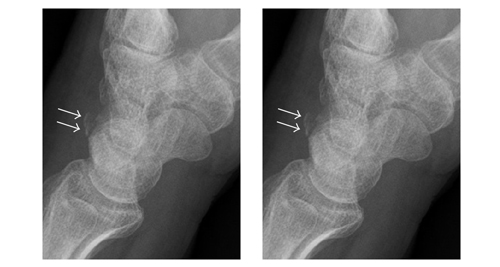
X-ray image comparison showing coccyx fracture and alignment irregularities

Diagnosis of a Broken Tailbone

Diagnosis of a Broken Tailbone Diagnosis of a Broken Tailbone is typically based on clinical symptoms and physical examination. When needed, imaging tests confirm the extent and nature of the injury. An accurate diagnosis of a broken tailbone ensures effective treatment and helps prevent the development of chronic pain conditions such as coccydynia. A healthcare provider will begin by asking detailed questions about the incident, symptoms, and how long the pain has lasted. Information about difficulty sitting, bowel movement discomfort, or pain during specific activities helps narrow down the diagnosis. During the physical exam, the doctor may palpate the area near the coccyx to check for tenderness, swelling, or deformity. In some cases, a rectal examination may be done to feel for abnormal movement of the coccyx or detect dislocation. X-rays are the most common imaging method used to confirm a fracture. Lateral (side) views of the coccyx allow doctors to see misalignment or bone fragments. However, small cracks may be hard to detect if swelling obscures the view. CT scans may be used in more complex cases or when multiple injuries are suspected. They provide a more detailed image of the bones and can help determine whether the injury involves surrounding structures. Diagnosis of a Broken Tailbone MRI is useful when soft tissue damage, inflammation, or infection is suspected. It can reveal issues like bruised ligaments or bone marrow swelling that may not be visible on X-ray or CT. Diagnosis also includes ruling out other causes of lower back or pelvic pain, such as herniated discs, sciatica, or sacroiliac joint dysfunction. A thorough review of posture, lifestyle, and past injuries may also be conducted. An early and accurate diagnosis of a broken tailbone allows healthcare providers to develop a recovery plan tailored to the patient’s lifestyle, activity level, and overall health. [Next: Treatment of a Broken Tailbone →]

Diagnosis of a Broken Tailbone Read More »

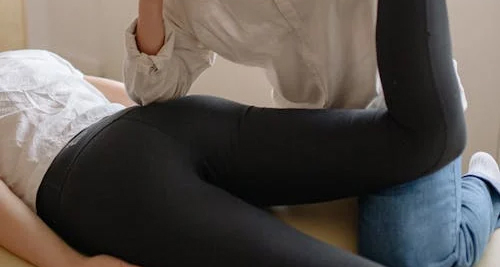
Physiotherapist supporting patient's leg during lower back and pelvic treatment session

Treatment of a Broken Tailbone

Treatment of a Broken Tailbone Treatment of a Broken Tailbone is usually non-surgical and focuses on relieving pain, reducing inflammation, and allowing the coccyx to heal naturally. In most cases, treatment of a broken tailbone involves rest, lifestyle adjustments, and physical therapy, with surgery reserved for persistent, unresponsive pain. Pain relief is the primary goal. Over-the-counter medications like paracetamol or ibuprofen are often recommended to reduce inflammation and discomfort. In more severe cases, a short course of prescription painkillers or muscle relaxants may be necessary. Modified seating plays a major role in recovery. Special cushions (often donut- or U-shaped) reduce pressure on the tailbone and make sitting more tolerable. These are particularly helpful for people who work at desks or must sit for long periods. Patients are advised to avoid hard surfaces and to lean slightly forward when sitting to shift weight away from the coccyx. Standing and walking should be done regularly to prevent stiffness and improve circulation. Ice packs can help in the first 48 hours post-injury to reduce swelling. After that, warm compresses may aid in loosening tight muscles and reducing discomfort. Stool softeners may be prescribed to prevent constipation and reduce strain during bowel movements — a common trigger of pain after tailbone fractures. Treatment of a Broken Tailbone Physical therapy can aid recovery by improving posture, strengthening supporting muscles. Additionally, teaching techniques to reduce pressure on the coccyx during daily activities. Therapists may also offer massage or manipulation techniques in cases where the coccyx is dislocated. In rare cases where pain becomes chronic (lasting more than several months), further intervention may be necessary. Corticosteroid injections, nerve blocks, or surgical removal of the coccyx (coccygectomy) may be considered when all other treatments fail. The majority of people recover with conservative treatment of a broken tailbone. Especially when care begins early and lifestyle adjustments are followed closely. [Next: Complications and Recovery from a Broken Tailbone →]

Treatment of a Broken Tailbone Read More »

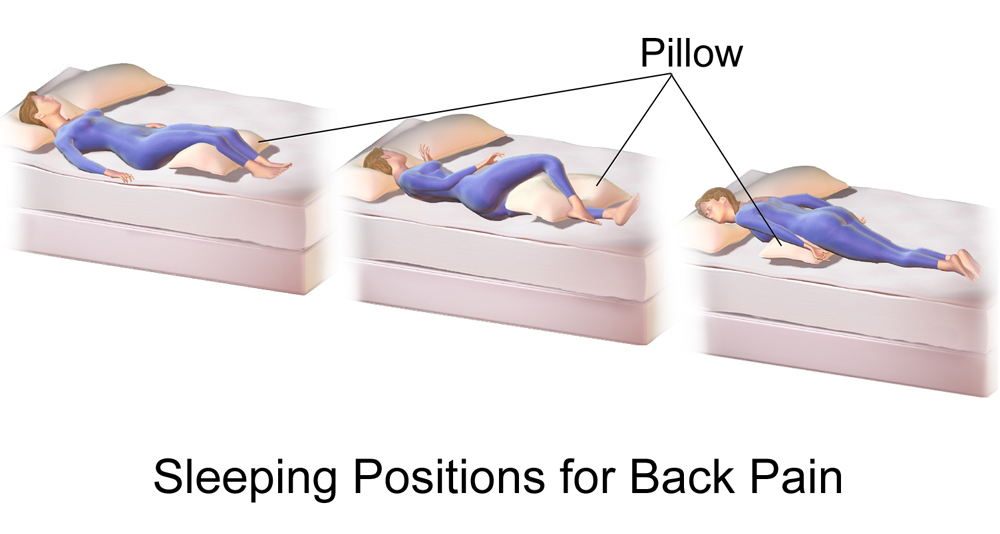
Illustration showing ideal sleeping positions for back pain relief using pillows

Complications and Recovery from a Broken Tailbone

Complications and Recovery from a Broken Tailbone Complications and Recovery from a Broken Tailbone vary depending on the severity of the injury and how well treatment guidelines are followed. The most common complications and recovery from a broken tailbone concerns include chronic pain (coccydynia), posture problems, constipation, and reduced quality of life. However, with proper care, most patients recover fully. Coccydynia is the most significant complication. This is long-term tailbone pain that persists after the fracture has healed, often caused by poor healing, dislocation, or nerve sensitivity in the area. It may interfere with work, exercise, sleep, or even routine sitting. Poor posture is another issue. People who avoid sitting directly on the coccyx often shift their weight awkwardly, leading to hip or lower back pain. Over time, this compensation may cause new injuries or exacerbate existing ones. Straining during bowel movements can worsen symptoms, especially in patients who develop fear of pain during defecation. This can lead to chronic constipation and pelvic floor dysfunction if not addressed early with stool softeners or dietary changes. Sexual discomfort, particularly in women, can also occur due to the coccyx’s location near pelvic muscles and nerves. This is rare but may require additional medical evaluation. Complications and Recovery from a Broken Tailbone Psychological effects, including frustration or depression, may arise in chronic cases where recovery feels slow. Pain-related insomnia is common in patients who struggle to find a comfortable sleeping position. Recovery from a broken tailbone typically takes 4 to 12 weeks, depending on the extent of the injury and the patient’s age, health, and activity level. Using cushions, adjusting posture, and staying active within limits all contribute to faster healing. In cases where pain persists beyond three months, further evaluation is needed to determine whether advanced interventions like injections or surgery are appropriate. Successful complications and recovery from a broken tailbone require patience, consistency, and the support of a healthcare team. Most individuals who follow medical advice return to their usual activities with little to no long-term issues. Back to Overview

Complications and Recovery from a Broken Tailbone Read More »

Pelvic X-ray showing fracture lines marked in red and blue

Broken Pelvis

Broken Pelvis – Overview A broken pelvis refers to a fracture in any part of the pelvic ring — the group of bones connecting the spine to the legs. This is a serious injury that can range from a stable hairline crack to a life-threatening, unstable fracture involving multiple breaks and internal bleeding. Pelvic fractures are often caused by high-impact trauma, such as car accidents or falls from a height, and they require prompt diagnosis and careful management. The pelvis consists of three bones: the ilium, ischium, and pubis. These bones form a ring that protects important organs, including the bladder, reproductive organs, and intestines. The pelvis also provides structural support for the spine and serves as the base for lower body movement. Pelvic fractures are classified as stable (involving one break and minimal displacement) or unstable (multiple breaks or disrupted pelvic alignment). Stable fractures are more common and typically heal with rest and physiotherapy. Unstable fractures, on the other hand, may involve blood vessel or organ damage and often require emergency surgery. Broken Pelvis Symptoms include intense hip or groin pain, difficulty walking or standing, bruising and swelling around the pelvis, and in some cases, numbness or bleeding. Internal injuries may go unnoticed at first, making early imaging essential. Diagnosis typically involves X-rays and CT scans to assess the fracture’s location and severity. Treatment depends on the type of fracture, the patient’s overall health, and whether internal organs are affected. With proper care, many patients with a broken pelvis recover fully, but the rehabilitation process can be long and requires careful monitoring. [Next: Causes of a Broken Pelvis →]

Broken Pelvis Read More »

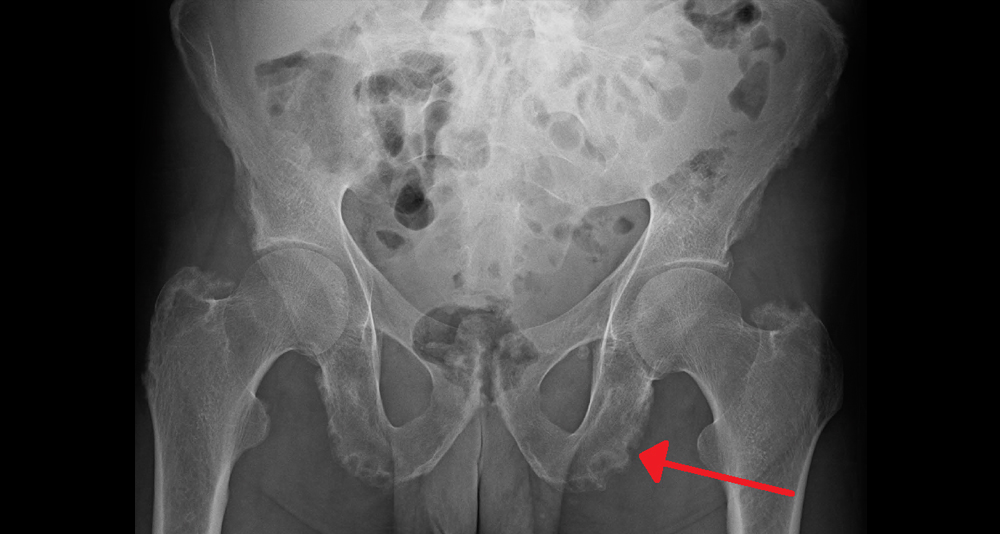
X-ray of pelvis with red arrow indicating fracture area

Causes of a Broken Pelvis

Causes of a Broken Pelvis Causes of a Broken Pelvis typically involve high-impact trauma or weakened bone structure. The most common causes of a broken pelvis include road accidents, falls from height, sports injuries, osteoporosis, and crushing incidents. Identifying the cause is crucial for both emergency treatment and future prevention. Motor vehicle collisions are the leading cause of pelvic fractures. In severe crashes, the force transmitted through the dashboard, seatbelt, or impact with external objects can compress the pelvis and cause multiple breaks. Cyclists and motorcyclists are particularly vulnerable due to limited protection. Falls from height — such as ladders, scaffolding, or stairs — are another major contributor. When a person lands on their feet or buttocks from a height, the energy travels through the legs and into the pelvis, potentially causing compression fractures. Older adults with osteoporosis are at high risk of pelvic fractures from even minor falls. This is because reduced bone density makes the pelvis more fragile and susceptible to breaks from low-energy impacts, such as tripping over a rug or slipping on wet tiles. Causes of a Broken Pelvis Industrial or workplace accidents can result in crushing injuries to the pelvis, particularly in environments involving heavy machinery, forklifts, or structural collapses. These incidents are often medical emergencies and may involve bleeding or organ damage. Contact sports and extreme sports can also cause pelvic injuries, particularly in scenarios involving high-speed collisions, falls, or repetitive impact to the hips and lower spine. Horse riding, rugby, and gymnastics carry notable risk. Less commonly, pathological conditions such as cancer that has spread to the bones can weaken the pelvic ring, making it prone to fractures during normal activity. Understanding the causes of a broken pelvis helps guide not only treatment, but also important prevention strategies — including safety training, fall-prevention for the elderly, bone health screening, and use of protective gear during high-risk activities. [Next: Symptoms of a Broken Pelvis →]

Causes of a Broken Pelvis Read More »

Person clutching pelvic area in pain wearing black athletic wear

Symptoms of a Broken Pelvis

Symptoms of a Broken Pelvis Symptoms of a Broken Pelvis vary depending on the severity of the injury but generally include pain, swelling, and mobility problems. The most common symptoms of a broken pelvis include sharp hip or groin pain, bruising around the lower abdomen or back, difficulty standing or walking, and in severe cases, signs of internal bleeding or nerve damage. Recognising these signs early is critical for urgent care. Pain is usually intense and localised around the hip, lower back, buttocks, or groin. The discomfort often worsens with movement, particularly when trying to stand, walk, or sit upright. Patients may instinctively hold their legs still or resist attempts to move the hips. Bruising and swelling develop rapidly around the pelvis, lower abdomen, or thighs. In some cases, this bruising may extend to the scrotum, labia, or upper thighs, particularly in fractures involving blood vessel damage or pelvic instability. Difficulty walking or bearing weight is one of the earliest and most alarming signs. Patients may be unable to stand without help, and even minor movements of the legs can be excruciating. Some may experience a sensation of “instability” in the pelvis when attempting to shift position. Symptoms of a Broken Pelvis In more severe cases, symptoms extend beyond pain. Numbness, tingling, or weakness in the legs may indicate nerve compression or damage. Internal bleeding may lead to signs of shock — including rapid heartbeat, dizziness, cold sweats, pale skin, or confusion. Bleeding from the urethra, rectum, or vagina can occur if the fracture damages pelvic organs. This is a medical emergency and often requires immediate surgical intervention. People with symptoms of a broken pelvis following trauma should never attempt to walk or move unaided. Emergency medical help should be called immediately, and spinal precautions should be taken until imaging confirms stability. Identifying symptoms early increases the chance of proper alignment, prevents further injury, and improves long-term outcomes — especially in elderly patients and those with unstable fractures. [Next: Diagnosis of a Broken Pelvis →]

Symptoms of a Broken Pelvis Read More »

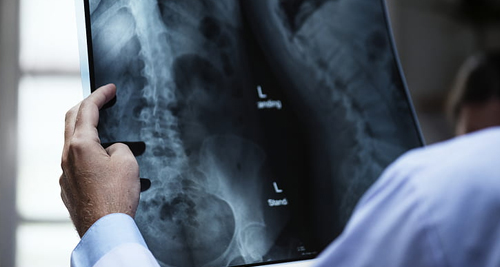
Doctor examining X-ray scan showing pelvic bones

Diagnosis of a Broken Pelvis

Diagnosis of a Broken Pelvis Diagnosis of a Broken Pelvis is made through a combination of physical examination, imaging studies, and assessment of possible complications. A correct and timely diagnosis of a broken pelvis is crucial to prevent permanent damage. Identify internal bleeding, and determine whether surgery is required. The diagnostic process begins with a clinical assessment. Doctors will ask about the injury, the mechanism of trauma (e.g. fall, vehicle accident), and the patient’s symptoms. The physical exam includes checking for pelvic instability, swelling, bruising, leg length discrepancies, and tenderness along the pelvic ring. If the patient is in shock or unable to move, spinal precautions are maintained. Additionally, imaging is done while the patient remains stabilised. This is particularly important in suspected unstable fractures or when multiple injuries are involved. X-rays are the initial diagnostic tool. Anteroposterior (AP) views of the pelvis can detect most types of fractures. However, subtle or complex injuries may not be visible on standard X-rays alone. CT scans are often used to confirm the diagnosis and give a detailed view of the fracture pattern. They can identify displaced fractures, joint involvement, or bone fragments. CT scans also help in pre-surgical planning, especially in unstable or multi-fragment injuries. Diagnosis of a Broken Pelvis Ultrasound or FAST scans may be done in trauma cases to check for internal bleeding in the abdomen or pelvic cavity. MRI may be used to assess soft tissue damage, ligaments, or spinal involvement if neurological symptoms are present. In some cases, urethral or bladder imaging (retrograde urethrogram or cystogram) may be required if blood is found in the urine or there is difficulty urinating. In elderly patients with low-impact trauma, careful evaluation is necessary, as small fractures can easily be missed or mistaken for soft tissue pain. A thorough diagnosis of a broken pelvis guides all further treatment decisions and ensures that life-threatening complications such as internal bleeding or organ injury are managed without delay. [Next: Treatment of a Broken Pelvis →]

Diagnosis of a Broken Pelvis Read More »

Assorted medication tablets and capsules used in pain management

Treatment of a Broken Pelvis

Treatment of a Broken Pelvis Treatment of a Broken Pelvis depends on whether the fracture is stable or unstable, and whether internal organs or blood vessels are involved. The primary goal of treatment of a broken pelvis is to stabilise the bones, control pain, manage any complications, and restore mobility through rehabilitation. Stable fractures with minimal displacement are usually treated conservatively. Patients are advised to rest, take pain-relief medication, and limit weight-bearing activities. Bed rest is often necessary for several days, followed by a gradual return to walking with the help of a walker or crutches. Unstable fractures — where the pelvic ring is disrupted or multiple fractures are present — require hospitalisation. These injuries are often associated with significant internal bleeding and may involve damage to the bladder, urethra, or intestines. In such cases, surgical intervention is often required. Pelvic stabilisation may involve inserting metal plates, screws, or external fixators to realign the bones. If bleeding is present, embolisation (a procedure to stop blood flow to a bleeding vessel) may be done urgently before orthopaedic surgery. Pelvic binders may be applied in emergency settings to stabilise the bones temporarily and limit internal bleeding until further imaging or surgery can take place. Pain management is essential and often includes a combination of paracetamol, NSAIDs, and sometimes opioids for short-term relief. Blood transfusions and antibiotics may also be required in trauma cases. Treatment of a Broken Pelvis Rehabilitation begins once the bones start healing. Physiotherapists guide patients through mobility exercises, posture correction, and strength-building routines. The recovery timeline depends on the fracture type but typically ranges from 8 to 12 weeks or more. Patients with osteoporosis may be prescribed bone-strengthening medication and receive guidance on fall prevention. Lifestyle changes, including calcium-rich diets and vitamin D supplementation, support long-term recovery. Proper treatment of a broken pelvis also involves psychological support. Many patients, especially after traumatic injury, experience fear, anxiety, or depression, which can hinder recovery if not addressed. [Next: Complications and Recovery from a Broken Pelvis →]

Treatment of a Broken Pelvis Read More »

Man pressing on his pelvic area, indicating discomfort or injury

Complications and Recovery from a Broken Pelvis

Complications and Recovery from a Broken Pelvis Complications and Recovery from a Broken Pelvis depend on the severity of the injury, the treatment received, and the patient’s age and health status. The most common complications and recovery from a broken pelvis concerns include chronic pain, pelvic instability, blood clots, nerve damage, and organ dysfunction. Despite these risks, most patients recover well with the right care and support. One major complication is internal bleeding. The pelvis houses large blood vessels, and unstable fractures can cause significant haemorrhage, leading to shock and potentially death if not treated promptly. Early stabilisation and monitoring are critical in trauma cases. Nerve damage is another concern. If the sciatic or femoral nerves are injured, patients may experience numbness, tingling, or weakness in the legs. In some cases, nerve function may recover over time, but permanent deficits are possible. Damage to pelvic organs — particularly the bladder, urethra, or rectum — may result in difficulty urinating, incontinence, or sexual dysfunction. These issues may require long-term medical or surgical management. Complications and Recovery from a Broken Pelvis Blood clots (deep vein thrombosis or pulmonary embolism) are a risk due to prolonged immobility. Preventive measures include early movement, blood-thinning medication, and compression devices. Chronic pain can persist even after bone healing, especially in patients with complex fractures or nerve involvement. Ongoing physiotherapy, pain management strategies, and sometimes counselling are needed to manage this effectively. Recovery takes time and effort. Stable fractures may heal in 6 to 8 weeks, while unstable injuries or those requiring surgery often need 3 to 6 months or more. A full return to daily activities, including work and sport, may take longer. Rehabilitation is key. Guided exercises, mobility aids, home adjustments, and lifestyle changes all support a smoother recovery. Psychological support and encouragement also play a vital role, particularly for patients recovering from severe trauma. Long-term outcomes are generally good when treatment is timely and comprehensive. Successful complications and recovery from a broken pelvis depend on regular follow-up, early rehabilitation, and proactive prevention of risks such as falls and fractures. Back to Overview

Complications and Recovery from a Broken Pelvis Read More »

Scroll to Top