Mental Matters

Health Conditions

Find information on various health conditions affecting people of all ages. This category covers causes, symptoms, diagnosis, and management options for physical illnesses and chronic diseases. Get insights to help you understand different health challenges and make informed decisions about your wellbeing.

Causes and Risk Factors of Antiphospholipid Syndrome

Causes and Risk Factors of Antiphospholipid Syndrome

Causes and Risk Factors of Antiphospholipid Syndrome The exact cause of APS is not fully understood, but it is classified as an autoimmune disorder, meaning the immune system mistakenly attacks the body’s own tissues. Read more about the causes and risk factors of antiphospholipid syndrome below. What Happens in APS? People with APS produce antiphospholipid antibodies, such as: These antibodies interfere with the normal clotting process, making the blood more likely to form clots in arteries, veins, or the placenta. Primary vs Secondary APS Risk Factors Causes and Risk Factors of Antiphospholipid Syndrome In South Africa, APS may be underdiagnosed due to low awareness. It is particularly important in women with recurrent miscarriages, young patients with stroke, or people with unexplained DVT. Let’s now explore how APS is diagnosed. 👉 [Next: Diagnosis of Antiphospholipid Syndrome] Diagnosis of Coeliac Disease Treatment for Antiphospholipid Syndrome Complications of Antiphospholipid Syndrome Antiphospholipid Syndrome Overview

Causes and Risk Factors of Antiphospholipid Syndrome Read More »

Diagnosis of Antiphospholipid Syndrome

Diagnosis of Antiphospholipid Syndrome

Diagnosis of Antiphospholipid Syndrome Diagnosing APS requires a combination of clinical events (such as a blood clot or pregnancy loss) and laboratory evidence of antiphospholipid antibodies. These must be present on two separate occasions at least 12 weeks apart. Read more about the diagnosis of antiphospholipid syndrome below. Step 1: Clinical Criteria Step 2: Laboratory Testing Positive blood tests for any of the following: Tests must be positive on two occasions to confirm the diagnosis, as transient antibodies can occur after infections or other triggers. Additional Tests Differential Diagnosis It’s important to distinguish APS from: Early diagnosis helps prevent dangerous complications like stroke, miscarriage, or pulmonary embolism. Let’s now look at treatment options. 👉 [Next: Treatment for Antiphospholipid Syndrome] Diagnosis of Coeliac Disease Antiphospholipid Syndrome Overview Complications of Antiphospholipid Syndrome Causes and Risk Factors of Antiphospholipid Syndrome

Diagnosis of Antiphospholipid Syndrome Read More »

Treatment for Antiphospholipid Syndrome

Treatment for Antiphospholipid Syndrome

Treatment for Antiphospholipid Syndrome Treatment for antiphospholipid syndrome focuses on preventing blood clots, managing symptoms, and reducing risk in high-stress situations like surgery or pregnancy. The mainstay of treatment is long-term blood thinning medication (anticoagulation). 1. Anticoagulants (Blood Thinners) 2. Pregnancy Management 3. Lifestyle Changes 4. Immunosuppressive Therapy (in some cases) 5. Monitoring Access to anticoagulation therapy and specialised obstetric care is improving in South Africa, especially in urban areas. Awareness is key to preventing complications. Let’s now look at the possible complications of APS if left untreated or poorly managed. 👉 [Next: Complications of Antiphospholipid Syndrome] Dr Stuart Wade Anaesthetist Brighton Antiphospholipid Syndrome Overview Causes and Risk Factors of Antiphospholipid Syndrome Diagnosis of Antiphospholipid Syndrome

Treatment for Antiphospholipid Syndrome Read More »

Complications of Antiphospholipid Syndrome

Complications of Antiphospholipid Syndrome

Complications of Antiphospholipid Syndrome Without proper treatment, APS can lead to life-threatening complications, including organ damage, stroke, pregnancy loss, and chronic disability. Even with treatment, close monitoring is essential to manage risks. Read more about Complications of Antiphospholipid Syndrome below. 1. Deep Vein Thrombosis (DVT) 2. Pulmonary Embolism (PE) 3. Stroke or TIA (Mini-Stroke) 4. Pregnancy Complications 5. Heart Valve Disease 6. Kidney Damage 7. Catastrophic Antiphospholipid Syndrome (CAPS) Preventing Complications With proper management, many people with APS lead long, healthy lives. Awareness, especially in women of reproductive age and people with unexplained clots, is crucial for early intervention. 👉 End of Series | Back to Overview Cardiomyopathy Treatment for Antiphospholipid Syndrome Diagnosis of Antiphospholipid Syndrome Antiphospholipid Syndrome Overview Causes and Risk Factors of Antiphospholipid Syndrome

Complications of Antiphospholipid Syndrome Read More »
Anorexia Nervosa

Anorexia Nervosa Overview

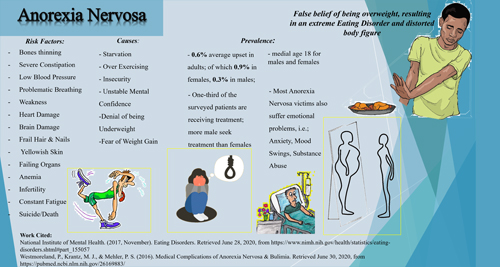
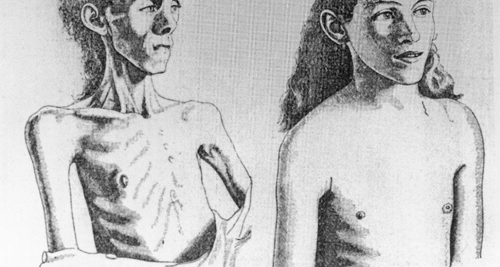
An Overview on Anorexia Nervosa Anorexia nervosa is a serious and potentially life-threatening eating disorder characterised by extreme food restriction, intense fear of gaining weight, and a distorted body image. People with anorexia severely limit their calorie intake, may exercise excessively, and often have an obsessive preoccupation with body shape and weight. This disorder affects both males and females, but is more common in teenage girls and young women. However, increasing numbers of boys, men, and older adults are being diagnosed globally, including in South Africa. Despite being underweight, individuals with anorexia often perceive themselves as overweight and continue to lose weight even when it puts their health at risk. This has the highest mortality rate of all mental health disorders, due to both medical complications and suicide. Key signs and symptoms: Recovery from Anorexia Nervosa Anorexia is a complex mental health condition involving psychological, environmental, and biological factors. Recovery is possible with early diagnosis and comprehensive treatment. 👉 [Next: Causes and Risk Factors of Anorexia Nervosa] Dr Susannah Rose Psychotherapist London Treatment for Anorexia Nervosa Complications of Anorexia Nervosa Diagnosis of Anorexia Nervosa

Anorexia Nervosa Overview Read More »

Causes and Risk Factors of Anorexia Nervosa

Causes and Risk Factors of Anorexia Nervosa

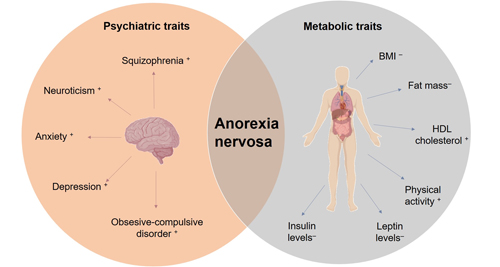
Causes and Risk Factors of Anorexia Nervosa Anorexia nervosa is a multifactorial disorder, meaning it results from a combination of genetic, psychological, social, and environmental factors. There is no single cause, but several factors increase vulnerability. Read more about the causes and risk factors of anorexia nervosa below. 1. Genetic and Biological Factors 2. Psychological Traits 3. Social and Cultural Pressure 4. Trauma and Life Stress | Causes and Risk Factors of Anorexia Nervosa 5. Dieting and Weight Loss In South Africa, growing westernised beauty ideals, rising social media use, and unaddressed trauma contribute to increased risk in both urban and rural settings. Understanding the underlying causes helps guide effective treatment and long-term prevention. 👉 [Next: Diagnosis of Anorexia Nervosa] Dr Susannah Rose Psychotherapist London Anorexia Nervosa Overview Treatment for Anorexia Nervosa Complications of Anorexia Nervosa

Causes and Risk Factors of Anorexia Nervosa Read More »

Diagnosis of Anorexia Nervosa

Diagnosis of Anorexia Nervosa

Diagnosis of Anorexia Nervosa Diagnosing anorexia nervosa involves a combination of clinical interviews, behavioural assessments, and physical evaluations. Early diagnosis of anorexia nervosa is critical to reduce health risks and improve recovery outcomes. Diagnostic Criteria (Based on DSM-5) To be diagnosed with anorexia nervosa, the following must be present: Anorexia can be restricting type (pure restriction) or binge-purge type (episodes of overeating followed by vomiting, laxatives, or excessive exercise). What a Doctor or Therapist May Assess: Physical Tests During the Diagnosis of Anorexia Nervosa May Include: Diagnosis is usually made by a GP, psychologist, or psychiatrist. In South Africa, eating disorder assessments are available at certain private hospitals and specialised mental health centres. Let’s now look at the treatment options and what recovery involves. 👉 [Next: Treatment for Anorexia Nervosa] Dr Susannah Rose Psychotherapist London Causes and Risk Factors of Anorexia Nervosa Complications of Anorexia Nervosa Anorexia Nervosa Overview

Diagnosis of Anorexia Nervosa Read More »

Treating Sciatic Pain

Treating Sciatic Pain – What Really Helps and What to Avoid

Living with sciatic pain can be draining — physically and emotionally. The shooting, burning discomfort that travels from your lower back down your leg isn’t something you can just “walk off.” The good news though, is most people recover without surgery. The key is knowing what works, what doesn’t, and when to get help. At-home relief that makes a difference For many, simple lifestyle adjustments can go a long way: Treatment with professional support When home remedies aren’t enough, other treatments may offer relief: Physical therapy: A physiotherapist can show you stretches and strength-building exercises that reduce pressure on the sciatic nerve. Massage therapy and acupuncture: These can relax muscle tension and improve circulation — both of which may ease symptoms. Chiropractic care: Spinal adjustments might help if your sciatica is linked to poor alignment, but this should be approached cautiously and under expert guidance. When you need more than conservative care If symptoms persist beyond six weeks or get worse, it’s time to consult your doctor. They may suggest: Takeaway: There’s no one-size-fits-all solution. Recovery often takes time and the right mix of approaches. Don’t wait too long — the earlier you treat it, the better your chances of a full recovery. 👉 Next: When to Seek Help for Sciatic Pain Reviewed April 2025. Always consult a professional for individual guidance. You’ve Got This! Take Control of Your Anxiety Treatment of a Broken Toe Sciatic Pain Symptoms Sciatic Pain: What It Is and Why It Happens

Treating Sciatic Pain – What Really Helps and What to Avoid Read More »

Sciatic Pain Symptoms

Sciatic Pain Symptoms

Sciatic pain can feel different from one person to the next, but there are some common signs to watch for. Knowing what to look for can help you catch it early — and get relief faster. What does sciatic pain feel like? Sciatica typically causes pain that radiates from the lower back down the back of one leg. It may feel like a burning, tingling, or sharp stabbing sensation. Some people describe it as an electric shock that travels down the leg. Others feel a persistent dull ache or a mix of sensations that change depending on position or movement. Other sciatic pain symptoms might also notice: Is it always in one leg? Yes — most cases of sciatica affect one side of the body. The pain typically follows the path of the sciatic nerve, which runs from the lower spine through the buttocks and down the leg. The intensity can vary from mild discomfort to severe pain that makes it difficult to walk or sleep. Other signs to watch for: When should you worry? If you experience leg weakness or struggle to control your bladder or bowels, this may indicate cauda equina syndrome — a rare but serious condition that needs immediate medical attention. It’s always best to consult a healthcare professional if symptoms worsen or interfere with your daily life. 👉 Next: Treating Sciatic Pain Reviewed April 2025. Always consult a professional for individual guidance. Broken Leg Complications and Recovery from a Broken Leg When to Seek Help for Sciatic Pain (And What Can Happen if You Don’t) Sciatic Pain: What It Is and Why It Happens

Sciatic Pain Symptoms Read More »

Sciatic Pain What It Is and Why It Happens

Sciatic Pain: What It Is and Why It Happens

If you’ve ever felt a sharp, shooting pain that starts in your lower back and travels down your leg, you might have experienced sciatica. It’s not just a sore back — sciatica can affect how you move, sleep, and go about your day. What is sciatic pain? Sciatic pain, or sciatica, occurs when the sciatic nerve — the longest and widest nerve in your body — becomes irritated or compressed. This nerve runs from your lower back through your hips, buttocks, and down both legs. When it’s inflamed or pinched, the result can be pain, numbness, or even muscle weakness along the nerve pathway. Common causes of sciatica: Should you be worried? Most sciatic pain improves with time, gentle movement, and a few lifestyle adjustments. Stretching, staying active, and using heat or cold packs can help manage symptoms. However, if the pain sticks around, gets worse, or interferes with your ability to function, it’s time to speak to a healthcare professional. Don’t ignore persistent pain — understanding the cause is the first step toward finding relief and avoiding complications later on. 👉 Next: Sciatic Pain Symptoms Reviewed April 2025. Always consult a professional for individual guidance. Diagnosing Autism: How and When It’s Done Coventry Back Pain Chiropractor ED Sciatica Nerve Treating Sciatic Pain – What Really Helps and What to Avoid When to Seek Help for Sciatic Pain (And What Can Happen if You Don’t)

Sciatic Pain: What It Is and Why It Happens Read More »

Scroll to Top