Mental Matters

Health Conditions

Find information on various health conditions affecting people of all ages. This category covers causes, symptoms, diagnosis, and management options for physical illnesses and chronic diseases. Get insights to help you understand different health challenges and make informed decisions about your wellbeing.

Treatment for Anorexia Nervosa

Treatment for Anorexia Nervosa

Treatment for Anorexia Nervosa Treatment for anorexia nervosa must address both physical and psychological health, and typically requires a multidisciplinary approach involving doctors, dietitians, psychologists, and sometimes hospital care. 1. Nutritional Rehabilitation 2. Psychological Therapy | Treatment for anorexia nervosa 3. Medical Monitoring | Treatment for anorexia nervosa 4. Medication 5. Hospital or Inpatient Care In South Africa, treatment is available at some private psychiatric units and eating disorder clinics. Access in the public sector remains limited, highlighting the need for awareness, early intervention, and referral systems. Let’s now explore the complications that may arise from anorexia if left untreated. 👉 [Next: Complications of Anorexia Nervosa] Dr Susannah Rose Psychotherapist London Anorexia Nervosa Overview Diagnosis of Anorexia Nervosa Causes and Risk Factors of Anorexia Nervosa

Treatment for Anorexia Nervosa Read More »

Complications of Anorexia Nervosa

Complications of Anorexia Nervosa

Complications of Anorexia Nervosa Anorexia nervosa affects every organ system. Without treatment, it can lead to severe and irreversible complications, including death. Even after recovery, some health consequences may persist. Read more about the complications of anorexia nervosa below. 8 Complications of Anorexia Nervosa 1. Cardiovascular Complications 2. Endocrine and Hormonal Effects 3. Gastrointestinal Problems 4. Bone Health 5. Neurological Effects 6. Kidney and Electrolyte Imbalance 7. Mental Health Risks Mortality Long-Term Recovery Recovery is possible, especially with early treatment, strong family support, and long-term care. Relapse is common, but many individuals fully regain health and develop healthier relationships with food and body image. Raising awareness, reducing stigma, and offering accessible support services are crucial — especially in countries like South Africa where eating disorders are often underdiagnosed. 👉 End of Series | Back to Overview Dr Susannah Rose Psychotherapist London Anorexia Nervosa Overview Diagnosis of Anorexia Nervosa Causes and Risk Factors of Anorexia Nervosa Treatment for Anorexia Nervosa

Complications of Anorexia Nervosa Read More »

Ankylosing Spondylitis

Ankylosing Spondylitis Overview

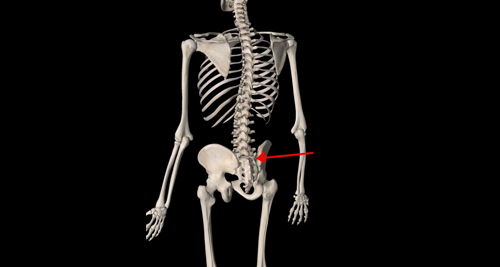
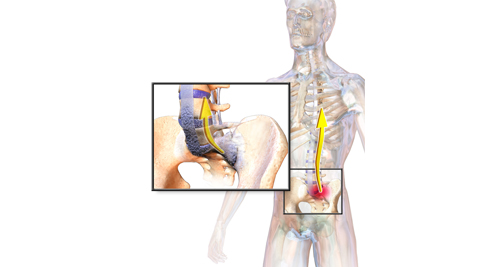
Ankylosing Spondylitis Overview Ankylosing Spondylitis (AS) is a chronic inflammatory disease that primarily affects the spine and sacroiliac joints (where the spine connects to the pelvis). It leads to pain, stiffness, and eventual fusion of the spine, severely limiting flexibility and posture. AS is a form of axial spondyloarthritis, part of a group of related autoimmune diseases. AS most commonly begins in young adults between ages 15 and 35 and is more frequent in men than women. In South Africa and globally, many cases go undiagnosed for years due to the subtle onset and overlap with common back pain. Key symptoms include: Over time, AS can lead to fusion of the spine, resulting in a hunched posture (kyphosis). It may also affect other parts of the body, such as the eyes, heart, and lungs. Preventing The Worst Ankylosing Spondylitis Although there is no cure, early diagnosis and treatment can prevent serious complications and help maintain mobility and quality of life. 👉 [Next: Causes and Risk Factors of Ankylosing Spondylitis] Causes and Types of Arthritis Complications of Ankylosing Spondylitis Treatment for Ankylosing Spondylitis Diagnosis of Ankylosing Spondylitis

Ankylosing Spondylitis Overview Read More »

Causes and Risk Factors of Ankylosing Spondylitis

Causes and Risk Factors of Ankylosing Spondylitis

Causes and Risk Factors of Ankylosing Spondylitis The exact cause of ankylosing spondylitis remains unclear, but it is believed to involve a combination of genetic and immune system factors. Read more about the causes and risk factors of ankylosing spondylitis in the article below. Genetic Link in the Causes and Risk Factors of Ankylosing Spondylitis Doctors strongly associate the HLA-B27 gene with AS: Doctors often use the presence of HLA-B27 as part of the diagnostic process, as it is common in certain populations Other Risks and Causes AS is an autoimmune condition, meaning the immune system attacks healthy tissue, particularly in the joints of the spine. The result is ongoing inflammation that can eventually cause bone growth and joint fusion. Understanding the cause helps tailor treatment and manage lifestyle risks effectively. 👉 [Next: Diagnosis of Ankylosing Spondylitis] Causes and Risk Factors of Breast Cancer in Women Complications of Ankylosing Spondylitis Ankylosing Spondylitis Overview Treatment for Ankylosing Spondylitis

Causes and Risk Factors of Ankylosing Spondylitis Read More »

Diagnosis of Ankylosing Spondylitis

Diagnosis of Ankylosing Spondylitis

Diagnosis of Ankylosing Spondylitis Diagnosing ankylosing spondylitis can be challenging because its symptoms often mimic general back pain. Diagnosis of Ankylosing Spondylitis usually combines clinical signs, imaging, and blood tests. Step 1: Medical History and Physical Examination Your doctor will assess: Physical tests may include: Step 2: Imaging Step 3: Laboratory Tests Differential During Diagnosis of Ankylosing Spondylitis AS must be distinguished from: In South Africa, AS may be underdiagnosed, especially in rural areas with limited access to rheumatologists and MRI. Early referral improves outcomes significantly. 👉 [Next: Treatment for Ankylosing Spondylitis] Arthritis Causes and Risk Factors of Ankylosing Spondylitis Ankylosing Spondylitis Overview Complications of Ankylosing Spondylitis

Diagnosis of Ankylosing Spondylitis Read More »

Treatment for Ankylosing Spondylitis

Treatment for Ankylosing Spondylitis

Treatment for Ankylosing Spondylitis There is no cure for ankylosing spondylitis, but early and consistent treatment for ankylosing spondylitis can relieve symptoms, slow progression, and improve function. Treatment typically involves a combination of medication, physical therapy, and lifestyle changes. 1. Medications 2. Physical Therapy during Treatment for Ankylosing Spondylitis 3. Lifestyle Modifications 4. Surgical Options during Treatment for Ankylosing Spondylitis In South Africa, biologics may be available through medical aid or specialist referral at public tertiary hospitals. Early diagnosis improves access to treatment and long-term mobility. 👉 [Next: Complications of Ankylosing Spondylitis] Arthritis Causes and Risk Factors of Ankylosing Spondylitis Ankylosing Spondylitis Overview Diagnosis of Ankylosing Spondylitis

Treatment for Ankylosing Spondylitis Read More »

Complications of Ankylosing Spondylitis

Complications of Ankylosing Spondylitis

Complications of Ankylosing Spondylitis If not well-managed, ankylosing spondylitis can lead to a range of issues — some affecting the spine, others involving organs, joints, or mental health. Read more about the complications of ankylosing spondylitis below. 1. Spinal Fusion 2. Fractures 3. Eye Inflammation (Uveitis) 4. Cardiovascular Issues with Complications of Ankylosing Spondylitis 5. Breathing Difficulties 6. Fatigue and Depression 7. Functional Limitations Prevention and Monitoring Complications of Ankylosing Spondylitis With the right treatment, people with AS can maintain mobility and lead active, productive lives. 👉 End of Series | Back to Overview Dr Willem de Kock | Orthopaedic Surgeon – Westdene Causes and Risk Factors of Ankylosing Spondylitis Ankylosing Spondylitis Overview Diagnosis of Ankylosing Spondylitis

Complications of Ankylosing Spondylitis Read More »

Angioedema

Angioedema Overview

Angioedema Overview Angioedema is a sudden and severe swelling of the deeper layers of the skin and mucous membranes, often affecting the face, lips, tongue, throat, and sometimes the hands, feet, or genitals. It can occur on its own or alongside urticaria (hives) and may result from allergic reactions, medications, or genetic factors. Unlike a rash, this condition occurs beneath the skin’s surface and may appear without visible redness or itching. In some cases, it causes only mild discomfort. However, in some cases, particularly when the airway is involved, it becomes a medical emergency because of the risk of suffocation. Common symptoms include: How Long Does Angioedema Last? This may last a few hours to a few days and often resolves on its own, but recurring or severe cases need medical evaluation and treatment. In the next section, we’ll explore the main causes and different types. 👉 [Next: Causes and Types of Angioedema] Acute Pancreatitis: An Overview Treatment for Angioedema Complications of Angioedema Diagnosis of Angioedema

Angioedema Overview Read More »

Causes and Types of Angioedema

Causes and Types of Angioedema

Causes and Types of Angioedema Angioedema can result from allergic reactions, medication side effects, autoimmune responses, or genetic mutations. The causes and types of angioedema often determine whether the swelling is short-lived or chronic, and whether it responds to antihistamines. 1. Allergic (Histaminergic) Angioedema 2. Non-Allergic Drug-Induced Angioedema 3. Hereditary Angioedema (HAE) 4. Acquired Angioedema 5. Idiopathic Angioedema Understanding the underlying cause is essential for long-term management and preventing recurrence. 👉 [Next: Diagnosis of Angioedema] Understanding Idiopathic Pancreatitis Complications of Angioedema Complications of Angioedema Angioedema Overview

Causes and Types of Angioedema Read More »

Diagnosis of Angioedema

Diagnosis of Angioedema

Diagnosis of Angioedema Diagnosing angioedema begins with a thorough medical history and physical examination. Identifying the type and cause of swelling is key to choosing the right treatment. Read more about the diagnosis of angioedema below. Step 1: Medical History Your doctor may ask: Step 2: Physical Examination The doctor will assess: Step 3: Laboratory Tests (when needed) for the Diagnosis of Angioedema Imaging In South Africa, GPs, allergists, or internal medicine specialists typically make the diagnosis. Genetic testing for HAE is available in specialised centres. Prompt diagnosis helps prevent life-threatening airway swelling and guides appropriate treatment. 👉 [Next: Treatment for Angioedema] Diagnosis and Evaluation of Breast Cancer in Women Causes and Types of Angioedema Complications of Angioedema Angioedema Overview

Diagnosis of Angioedema Read More »

Scroll to Top