Mental Matters

Health Conditions

Find information on various health conditions affecting people of all ages. This category covers causes, symptoms, diagnosis, and management options for physical illnesses and chronic diseases. Get insights to help you understand different health challenges and make informed decisions about your wellbeing.

Treatment for Angioedema

Treatment for Angioedema

Treatment for Angioedema Treatment for angioedema depends on its severity and cause. Some cases resolve without treatment, while others — especially those affecting the airway — need immediate emergency care. Emergency Management for the Treatment for Angioedema If swelling involves the tongue, throat, or breathing passages, call emergency services immediately. First-line emergency treatments: For Allergic Angioedema For ACE Inhibitor-Induced Angioedema For Hereditary Angioedema (HAE) For Recurrent or Idiopathic Angioedema In South Africa, access to emergency care and medication varies. Education on symptoms and early treatment is key to preventing complications. 👉 [Next: Complications of Angioedema] Treatment for Allergic Rhinitis Causes and Types of Angioedema Angioedema Overview Diagnosis of Angioedema

Treatment for Angioedema Read More »

Complications of Angioedema

Complications of Angioedema

Complications of Angioedema While many cases of angioedema are mild, severe or untreated episodes can lead to life-threatening complications. Understanding these risks and complications of angioedema helps patients seek prompt treatment and avoid recurrence. 1. Airway Obstruction 2. Recurrent Attacks 3. Abdominal Attacks 4. Psychological Impact 5. Medication-Related Issues Prevention and Monitoring the Complications of Angioedema With the right diagnosis, care, and emergency plan, most people with angioedema can live safe, active lives. 👉 End of Series | Back to Overview Acute Respiratory Distress Syndrome Causes and Types of Angioedema Treatment for Angioedema Angioedema Overview Diagnosis of Angioedema

Complications of Angioedema Read More »

Angina

Angina Overview

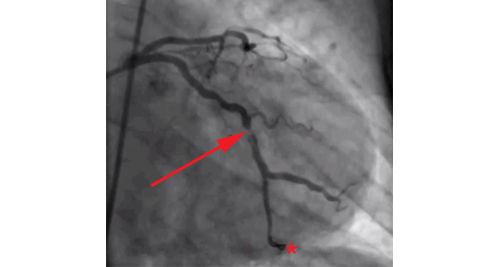
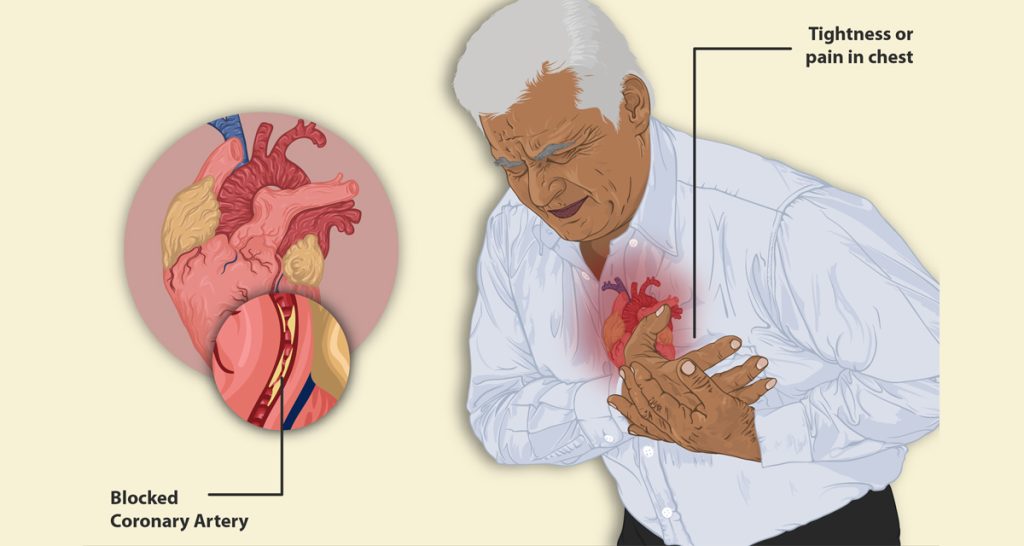
Angina Angina is a type of chest pain caused by reduced blood flow to the heart muscle. It’s not a disease itself, but a symptom of coronary artery disease (CAD) — the most common type of heart disease globally and in South Africa. Angina signals that the heart is not getting enough oxygen-rich blood, especially during physical activity or emotional stress. Often described as: While this is not the same as a heart attack, it’s a warning sign that you’re at higher risk. Immediate medical attention is essential, especially if symptoms are new, worsening, or occurring at rest. There are different types of angina: This condition can significantly affect quality of life, but it’s manageable with lifestyle changes, medication, and sometimes surgery. 👉 [Next: Causes and Risk Factors of Angina] Heal Grow Flow Counsellor Claremont Diagnosis of Angina Complications of Angin Treatment for Angina

Angina Overview Read More »

Causes and Risk Factors of Angina

Causes and Risk Factors of Angina

Angina Overview(Opens in a new browser tab) Causes and Risk Factors of Angina Angina is caused by reduced blood flow through the coronary arteries that supply the heart. These causes and risk factors of angina are most often due to atherosclerosis — the buildup of fatty plaques that narrow the arteries and limit oxygen delivery to the heart muscle. Common Causes of Angina Risk Factors In South Africa, rising rates of diabetes, obesity, and smoking contribute significantly to the growing burden of angina and heart disease, particularly in urban areas. Causes and Risk Factors of Angina Recognising these causes and risks allows for better prevention and targeted management. 👉 [Next: Diagnosis of Angina] Causes of Cardiovascular Disease Treatment for Angina Complications of Angina

Causes and Risk Factors of Angina Read More »

Diagnosis of Angina

Diagnosis of Angina

Diagnosis of Angina Diagnosing angina involves evaluating chest pain symptoms, checking for underlying heart problems, and ruling out other causes like indigestion, muscle strain, or anxiety. Read more about the diagnosis of angina below. Step 1: Medical History and Symptoms Doctors will ask: Step 2: Physical Examination Step 3: Tests During the Diagnosis of Angina Early diagnosis is crucial to prevent heart attacks and long-term damage. If doctors suspect angina, timely testing and treatment can save lives. 👉 [Next: Treatment for Angina] Diagnosis of Cardiovascular Disease Complications of Angina Angina Overview Causes and Risk Factors of Angina

Diagnosis of Angina Read More »

Treatment for Angina

Treatment for Angina

Treatment for Angina The goal of treatment for angina is to relieve pain, prevent heart attacks, and improve quality of life. Management usually includes medication, lifestyle changes, and sometimes procedures like stenting or bypass surgery. 1. Lifestyle Changes 2. Medications 3. Surgical and Procedural Options for Treatment for Angina Treatment is tailored to the severity of angina, overall health, and individual risk profile. Let’s now explore the potential complications of angina if left untreated. 👉 [Next: Complications of Angina] Treatment of Coronary Heart Disease Causes and Risk Factors of Angina( Diagnosis of Angina Angina Overview

Treatment for Angina Read More »

Complications of Angina

Complications of Angina

Complications of Angina If angina is not managed properly, it can lead to serious and life-threatening complications. Complications of angina is a red flag that your heart is struggling — and ignoring it can have devastating consequences. 1. Heart Attack (Myocardial Infarction) 2. Heart Failure 3. Arrhythmias 4. Sudden Cardiac Arrest Due To Complications of Angina 5. Reduced Quality of Life Prevention of Complications With early diagnosis, consistent treatment, and healthy living, many people with angina can lead full and active lives. 👉 End of Series | Back to Overview Bladder Stones Causes and Risk Factors of Angina Diagnosis of Angina Treatment for Angina Angina Overview

Complications of Angina Read More »

Angelman Syndrome

Angelman Syndrome Overview

Angelman Syndrome Overview Angelman Syndrome is a rare genetic and neurological disorder that primarily affects the nervous system, leading to severe developmental delays, problems with movement and balance, speech impairment, and a distinctive happy, excitable demeanour. It is often diagnosed in infancy or early childhood when symptoms become more noticeable. Children with Angelman Syndrome typically exhibit: Despite these challenges, individuals usually have strong social personalities, enjoy interaction, and display a joyful disposition that sets them apart. This Syndrome is not degenerative, meaning it does not worsen over time. However, individuals require lifelong support and therapy to manage symptoms and maximise their independence. Testing & Diagnosis In South Africa and worldwide, access to genetic testing has improved diagnosis rates, although awareness remains limited. Early intervention can make a major difference in quality of life. Let’s explore the genetic causes and how it’s inherited. Understanding Angelman Syndrome This is a complex but non-degenerative condition that, while rare, has profound impacts on a child’s development, movement, communication, and daily life. Recognizing its hallmark traits — such as minimal speech, coordination difficulties, frequent laughter, and seizures — is key to ensuring early diagnosis and support. The Importance of Early Support With improved access to genetic testing, especially in regions like South Africa, more families are receiving timely diagnoses, enabling early therapeutic intervention. While lifelong care is essential, individuals with Angelman Syndrome often maintain joyful, engaging personalities. With the right support, they can lead fulfilling lives, foster meaningful relationships, and achieve important developmental milestones that enhance their overall well-being and independence over time. Click on the link below to read more about this condition and how genetics contributes to its causes and outcomes overall. 👉 [Next: Causes and Genetics of Angelman Syndrome] Living with Bladder Pain Syndrome Treatment for Angelman Syndrome Complications of Angelman Syndrome Diagnosis of Angelman Syndrome

Angelman Syndrome Overview Read More »

Causes and Genetics of Angelman Syndrome

Causes and Genetics of Angelman Syndrome

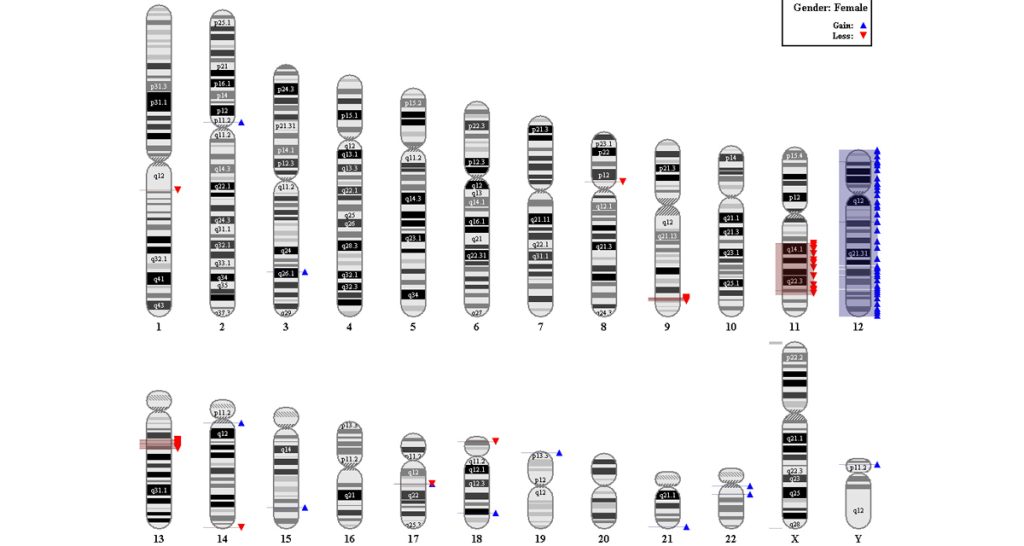
Causes and Genetics of Angelman Syndrome Angelman Syndrome is caused by problems with the UBE3A gene, located on chromosome 15. This gene plays a crucial role in brain development. Normally, each person inherits two copies of chromosome 15 — one from each parent — but only the maternal copy of UBE3A is active in the brain. If this maternal copy is missing or not working, Angelman Syndrome occurs. Read more about the causes and genetics of Angelman syndrome below. Genetic Mechanisms There are several known causes: In some cases, the exact cause is unknown, but symptoms still match the clinical profile of Angelman Syndrome. Is It Inherited? Most cases are not inherited but occur as random genetic events during early development. However, in a small percentage, it can be inherited, especially in families with imprinting defects or UBE3A mutations. Genetic counselling is recommended for families planning future pregnancies. South African genetics services are available in many academic hospitals and private clinics, offering testing and support for families. 👉 [Next: Diagnosis of Angelman Syndrome] Causes of Chronic Myeloid Leukaemia Treatment for Angelman Syndrome Complications of Angelman Syndrome Angelman Syndrome Overview

Causes and Genetics of Angelman Syndrome Read More »

Diagnosis of Angelman Syndrome

Diagnosis of Angelman Syndrome

Diagnosis of Angelman Syndrome Angelman Syndrome can be suspected based on clinical symptoms, but genetic testing is required to confirm the diagnosis. Diagnosis of Angelman syndrome usually occurs between 6 months and 3 years of age, when developmental delays become clear. Signs That May Prompt Testing: Diagnostic Steps Early diagnosis allows families to begin therapies and educational support as soon as possible. It also provides clarity and helps connect with resources, including support groups. Let’s now look at the various treatment options for managing Angelman Syndrome. Importance of Diagnosis Diagnosing Angelman Syndrome is a critical step that allows families and healthcare providers to understand the unique needs of the child and plan appropriate interventions. While clinical signs such as speech delays, balance issues, seizures, and characteristic behaviors may raise early suspicions, genetic testing remains the gold standard for confirmation. Benefits of Early Diagnosis Early and accurate diagnosis not only provides clarity but also opens doors to specialized therapies, educational planning, and supportive networks that can significantly improve the quality of life for both the child and their family. With timely intervention, children with Angelman Syndrome can reach their fullest potential and lead enriched, meaningful lives. 👉 [Next: Treatment for Angelman Syndrome] Living with Bladder Pain Syndrome Causes and Genetics of Angelman Syndrome Complications of Angelman Syndrome Angelman Syndrome Overview

Diagnosis of Angelman Syndrome Read More »
Scroll to Top