Mental Matters

Health Conditions

Find information on various health conditions affecting people of all ages. This category covers causes, symptoms, diagnosis, and management options for physical illnesses and chronic diseases. Get insights to help you understand different health challenges and make informed decisions about your wellbeing.

Treatment for Angelman Syndrome

Treatment for Angelman Syndrome

Treatment for Angelman Syndrome There is no cure for Angelman Syndrome, but early intervention, supportive therapy and treatment for Angelman syndrome can greatly improve a child’s development, independence, and quality of life. Treatment focuses on managing symptoms and maximising potential. Multidisciplinary Care Approach In South Africa, therapy services are available through hospitals, early childhood development centres, and some schools for learners with special needs. However, access may be limited in rural areas. Let’s now explore the long-term complications and outlook for those living with Angelman Syndrome. 👉 [Next: Complications of Angelman Syndrome] Symptoms of Brugada Syndrome Causes and Genetics of Angelman Syndrome Angelman Syndrome Overview Diagnosis of Angelman Syndrome


Treatment for Angelman Syndrome Read More »

Complications of Angelman Syndrome

Complications of Angelman Syndrome

Complications of Angelman Syndrome Although Angelman Syndrome is not progressive, individuals may face lifelong challenges that affect mobility, communication, learning, and health. Early support helps reduce complications of Angelman syndrome and improve independence. Common Long-Term Complications Emotional and Social Impact Life Expectancy With the right care, people with Angelman Syndrome can participate in family, community, and even assisted work environments, bringing positivity to those around them. 👉 End of Series | Back to Overview Symptoms of Brugada Syndrome Causes and Genetics of Angelman Syndrom Angelman Syndrome Overview Diagnosis of Angelman Syndrome Treatment for Angelman Syndrome
Complications of Angelman Syndrome Read More »

Androgen Insensitivity Syndrome

Androgen Insensitivity Syndrome

Androgen Insensitivity Syndrome Overview Androgen Insensitivity Syndrome (AIS) is a rare genetic condition that affects sexual development before birth and during puberty. People with AIS are genetically male (46,XY chromosomes). However, their bodies are partially or completely unable to respond to androgens — the male sex hormones like testosterone. Late Discoery As a result, individuals with AIS may have female external genitalia, despite having male chromosomes and internal testes. In many cases, doctors do not diagnose the condition until puberty. When menstruation does not begin, or when tests for an inguinal hernia in infancy reveal unexpected internal anatomy. AIS is classified into two main forms: AIS is not a disease, but a difference in sex development (DSD). With appropriate care and support, individuals with AIS can lead full, healthy lives. In the next section, we’ll explore the genetic causes of AIS and how doctors pass it down in families. 👉 [Next: Causes and Genetics of AIS] Martin Herbst Physiotherapist Pretoria East Complications of Androgen Insensitivity Syndrome Complications of Androgen Insensitivity Syndrome Treatment for Androgen Insensitivity Syndrome Diagnosis of Androgen Insensitivity Syndrome

Androgen Insensitivity Syndrome Read More »

Causes and Genetics of AIS

Causes and Genetics of AIS

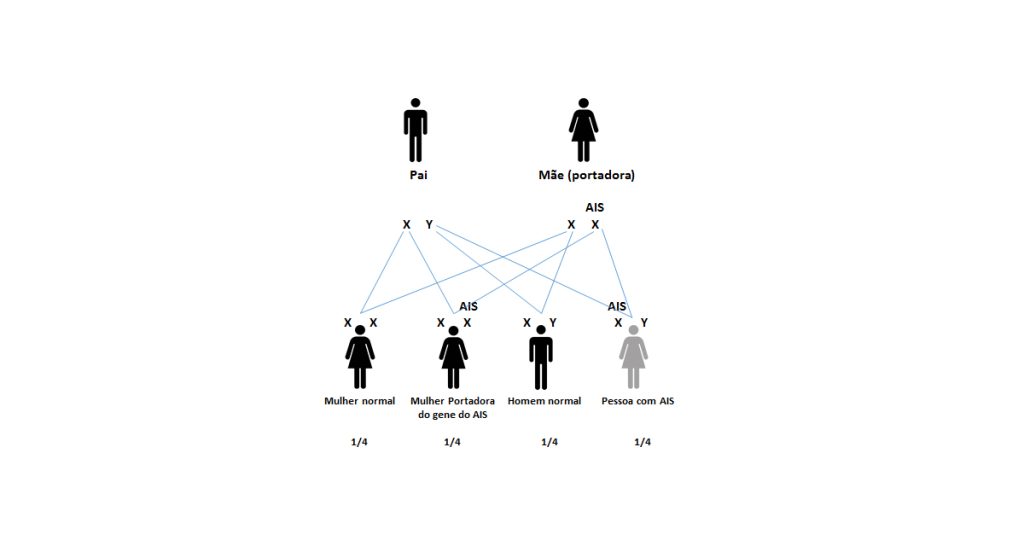
Causes and Genetics of AIS Androgen Insensitivity Syndrome is caused by mutations in the AR gene (androgen receptor gene), which is located on the X chromosome. While looking at the causes and genetics of AIS, it is found that this gene provides instructions for making androgen receptors — proteins that allow the body to respond to testosterone and other male hormones. When the AR gene is faulty, the body cannot process androgens properly, leading to incomplete male sexual development in people with XY chromosomes. Inheritance Pattern AIS is inherited in an X-linked recessive pattern: A mother who is a carrier has a: Types of AIS Genetic testing can confirm the diagnosis by identifying the AR gene mutation. In South Africa, genetic counselling services are available at specialised centres and academic hospitals. 👉 [Next: Diagnosis of Androgen Insensitivity Syndrome] Complications of Androgen Insensitivity Syndrome Martin Herbst Physiotherapist Pretoria East Treatment for Androgen Insensitivity Syndrome Androgen Insensitivity Syndrome

Causes and Genetics of AIS Read More »

Diagnosis of Androgen Insensitivity Syndrome

Diagnosis of Androgen Insensitivity Syndrome

Diagnosis of Androgen Insensitivity Syndrome Diagnosing AIS can happen at different life stages — infancy, childhood, or adolescence — depending on the form and presentation. During the diagnosis of androgen insensitivity syndrome, it is found that many cases of complete AIS are only discovered during puberty when menstruation does not begin. Key Triggers for Diagnosis Diagnostic Tests Differential Diagnosis AIS must be distinguished from other intersex or DSD conditions such as: Early diagnosis is essential to provide appropriate medical and psychological support for the individual and their family. Let’s now look at the treatment and long-term care options for AIS. 👉 [Next: Treatment for Androgen Insensitivity Syndrome] Martin Herbst Physiotherapist Pretoria East Causes and Genetics of AIS Complications of Androgen Insensitivity Syndrome Androgen Insensitivity Syndrome

Diagnosis of Androgen Insensitivity Syndrome Read More »

Treatment for Androgen Insensitivity Syndrome

Treatment for Androgen Insensitivity Syndrome

Treatment for Androgen Insensitivity Syndrome Treatment for AIS depends on whether the condition is complete, partial, or mild, and doctors tailor it to the individual’s needs. When it comes to treatment for androgen insensitivity syndrome, the focus is on physical health, hormone balance, psychological support, and informed decision-making. Complete AIS (CAIS) Partial AIS (PAIS) Mild AIS (MAIS) Multidisciplinary Approach In South Africa, treatment is available at specialised endocrine and urology centres. A team approach may involve: Let’s now examine possible complications and the long-term outlook for people living with AIS. 👉 [Next: Complications of Androgen Insensitivity Syndrome] Martin Herbst Physiotherapist Pretoria East Causes and Genetics of AIS Androgen Insensitivity Syndrome Diagnosis of Androgen Insensitivity Syndrome

Treatment for Androgen Insensitivity Syndrome Read More »

Complications of Androgen Insensitivity Syndrome

Complications of Androgen Insensitivity Syndrome

Complications of Androgen Insensitivity Syndrome Although AIS is not life-threatening, it can have long-term physical, emotional, and social implications, especially when diagnosis and care are delayed or mishandled. Read more about the complications of androgen insensitivity syndrome below. 1. Gonadal Cancer Risk 2. Infertility 3. Delayed or Absent Puberty 4. Bone Health 5. Emotional and Psychological Challenges Open communication, education, and support play a key role in improving mental health outcomes. 6. Gender Identity and Disclosure Support and Advocacy Support groups and online communities (local and international) offer a vital network for individuals and families affected by AIS. Awareness is growing in South Africa, but stigma and lack of access to care remain barriers. With comprehensive care, acceptance, and support, individuals with AIS can live confident, healthy, and fulfilling lives. 👉 End of Series | Back to Overview Martin Herbst Physiotherapist Pretoria East Causes and Genetics of AIS Treatment for Androgen Insensitivity Syndrome Diagnosis of Androgen Insensitivity Syndrome

Complications of Androgen Insensitivity Syndrome Read More »

Anaphylaxis

Anaphylaxis

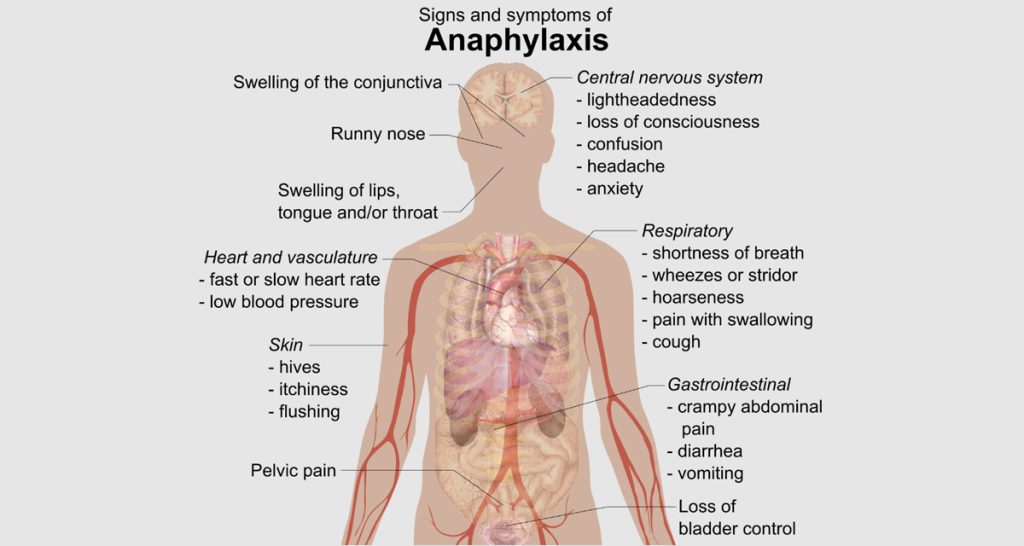
Anaphylaxis Overview Anaphylaxis is a severe, life-threatening allergic reaction that occurs suddenly and affects multiple body systems — including the skin, respiratory tract, cardiovascular system, and gastrointestinal tract. Without immediate treatment, this can quickly lead to shock, respiratory failure, and even death. This medical emergency usually develops within minutes of exposure to an allergen but can occasionally occur hours later. In South Africa and worldwide, anaphylaxis is increasingly recognised due to rising rates of allergies — especially to food, medications, and insect stings. Common triggers include: This can happen to anyone, but those with a history of allergies, asthma, or previous anaphylactic episodes are at higher risk. Warning signs of anaphylaxis: This requires immediate emergency treatment, usually with an injection of adrenaline (epinephrine). Delay in treatment can be fatal. In the next section, we’ll explore the causes and risk factors behind this life-threatening condition. 👉 [Next: Causes and Risk Factors of Anaphylaxis] Treatment for Angioedema Treatment for Anaphylaxis Diagnosis of Anaphylaxis Complications of Anaphylaxis

Anaphylaxis Read More »

Causes and Risk Factors of Anaphylaxis

Causes and Risk Factors of Anaphylaxis

Causes and Risk Factors of Anaphylaxis Anaphylaxis occurs when the immune system overreacts to a substance, mistakenly identifying it as harmful and releasing a flood of chemicals such as histamine. These chemicals cause blood vessels to widen, airway tissues to swell, and blood pressure to drop dangerously. Read more about the causes and risk factors of anaphylaxis below. Common Causes (Triggers) Risk Factors In South Africa, bee stings and food-related anaphylaxis are among the most common causes. Limited access to adrenaline auto-injectors (e.g. EpiPens) in public healthcare remains a concern. Let’s now look at how anaphylaxis is diagnosed — especially when the reaction happens rapidly. 👉 [Next: Diagnosis of Anaphylaxis] Understanding Emotional Triggers Treatment for Anaphylaxis Anaphylaxis Complications of Anaphylaxis

Causes and Risk Factors of Anaphylaxis Read More »

Diagnosis of Anaphylaxis

Diagnosis of Anaphylaxis

Diagnosis of Anaphylaxis Anaphylaxis is a clinical diagnosis — meaning it is based primarily on recognising signs and symptoms. Since the reaction progresses quickly, healthcare providers must act on presentation and history, not wait for test results. Clinical Signs A diagnosis is strongly suspected if a person shows: History and Timing Doctors will ask about: Physical Examination May reveal: Tests (usually done after the emergency) In South Africa, testing may be referred to an allergist or immunologist, especially for people with recurrent or idiopathic anaphylaxis. Early diagnosis helps prevent future episodes through avoidance and emergency planning. Next, let’s examine how to treat anaphylaxis effectively. 👉 [Next: Treatment for Anaphylaxis] Royal Paediatrics and Allergy Claremont Causes and Risk Factors of Anaphylaxis Anaphylaxis Complications of Anaphylaxis

Diagnosis of Anaphylaxis Read More »

Scroll to Top