Mental Matters

Health Conditions

Find information on various health conditions affecting people of all ages. This category covers causes, symptoms, diagnosis, and management options for physical illnesses and chronic diseases. Get insights to help you understand different health challenges and make informed decisions about your wellbeing.

Diagnosis of Antisocial Personality Disorder

Diagnosis of Antisocial Personality Disorder

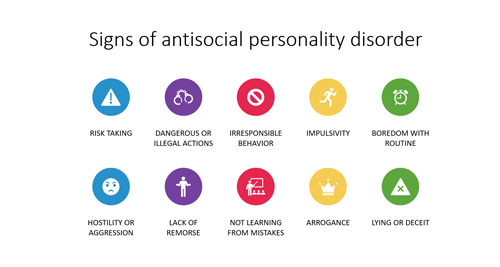
Diagnosis of Antisocial Personality Disorder The diagnosis of antisocial personality disorder is complex and requires a careful, consistent approach supported by thorough psychological assessment. Clinicians use criteria from the Diagnostic and Statistical Manual of Mental Disorders (DSM-5) to make the diagnosis. Key Diagnostic Criteria (DSM-5): Additional Conditions: Assessment Methods: Differential Diagnosis: ASPD is sometimes confused with other mental health conditions that share similar behavioral traits, such as borderline personality disorder or narcissistic personality disorder: Diagnosis of Antisocial Personality Disorder In South Africa, professionals often identify ASPD in forensic settings or psychiatric hospitals. However, many individuals remain undiagnosed, especially if they avoid contact with mental health professionals. Let’s now explore the treatment and management strategies for ASPD. 👉 [Next: Treatment for Antisocial Personality Disorder] Cognitive behavioral therapy Cape Town Antisocial Personality Disorder Causes and Risk Factors of Antisocial Personality Disorder Complications of Antisocial Personality Disorder


Diagnosis of Antisocial Personality Disorder Read More »

Treatment for Antisocial Personality Disorder

Treatment for Antisocial Personality Disorder

Treatment for Antisocial Personality Disorder Treatment for antisocial personality disorder is challenging because individuals often do not seek help voluntarily and may lack insight into their condition. However, with early intervention, structure, and long-term therapy, some behavioural improvements are possible. 1. Psychotherapy Therapy is more successful when: 2. Medication There is no specific drug to treat ASPD, but medication may be used to manage: 3. Rehabilitation Programs 4. Family and Community Involvement 5. Monitoring and Risk Management While treatment success varies, early behavioural intervention in childhood offers the best outcomes. Adults with entrenched ASPD traits may show limited but meaningful improvements over time. 👉 [Next: Complications of Antisocial Personality Disorder] What Causes Depression? Antisocial Personality Disorder Diagnosis of Antisocial Personality Disorder Causes and Risk Factors of Antisocial Personality Disorder

Treatment for Antisocial Personality Disorder Read More »

Complications of Antisocial Personality Disorder
Complications of Antisocial Personality Disorder

Complications of Antisocial Personality Disorder If left unmanaged, complications of antisocial personality disorder can lead to significant personal, social, and legal consequences. The disorder is associated with high rates of incarceration, substance abuse, and premature death. 1. Legal Issues 2. Substance Use 3. Relationship Breakdown 4. Occupational Failure 5. Health Risks 6. Suicide and Violence 7. Impact on Society Prevention and Early Intervention Though outcomes are mixed, early behavioural intervention, stable environments, and structured therapy can reduce the long-term harm of ASPD — both to the individual and those around them. 👉 End of Series | Back to Overview More Calls for Help: Domestic Violence Cases Rise in Cape Town Diagnosis of Antisocial Personality Disorder Causes and Risk Factors of Antisocial Personality Disorder Treatment for Antisocial Personality Disorder(

Complications of Antisocial Personality Disorder Read More »

Broken Ankle

Broken Ankle

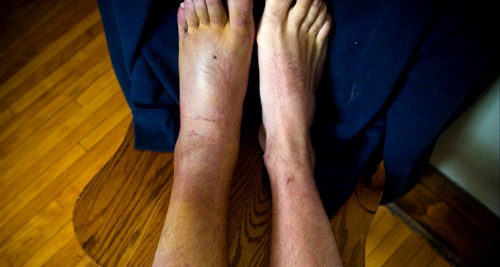
Broken Ankle – Overview A broken ankle occurs when one or more of the bones that form the ankle joint—typically the tibia, fibula, or talus—fracture due to trauma or excessive force. This can range from a minor hairline crack to a full break involving multiple bones and ligaments, making early diagnosis and proper treatment essential. This type of injury is common in sports, car accidents, or simple falls. Slipping off a curb or landing awkwardly from a jump can apply enough pressure to fracture the ankle. People of all ages can experience this, but the risk is higher in those with weak bones or balance issues. Signs of a broken ankle include: It’s important to distinguish a this from a sprain. While both cause pain and swelling, a fracture typically results in greater instability and requires medical imaging (like X-rays) to confirm. In South Africa, emergency departments in public and private hospitals can assess and treat broken bones. Access to orthopaedic care varies by region, but most urban centres offer both surgical and non-surgical treatment options. Prompt diagnosis and early care improve healing, prevent complications, and reduce long-term disability. A broken ankle may heal completely with proper treatment, allowing most people to return to their normal activities. 👉 [Next: Causes and Symptoms of Broken Ankle] Diagnosis of a Broken Nose Broken Hip Diagnosis and Evaluation of Broken Ankle Broken Nose Treatment Options for Broken Ankle

Broken Ankle Read More »

Causes and Symptoms of Broken Ankle

Causes and Symptoms of Broken Ankle

Causes and Symptoms of Broken Ankle The causes and symptoms of broken ankle injuries are diverse, ranging from everyday mishaps to high-impact accidents. Recognising the causes and symptoms of broken ankle fractures is crucial for early treatment and long-term recovery. Causes of Broken Ankle: Symptoms of Broken Ankle: If you’re unsure whether an injury is a sprain or fracture, it’s safest to assume it’s serious until proven otherwise. An untreated broken ankle can lead to complications like chronic instability, arthritis, or improper healing. In South Africa, emergency rooms and trauma clinics are equipped to perform X-rays to confirm the diagnosis. Early intervention limits damage and helps ensure a smooth recovery. Being familiar with the causes and symptoms of broken ankle injuries empowers patients to act quickly and avoid long-term complications. 👉 [Next: Diagnosis and Evaluation of Broken Ankle] Symptoms of a Broken Nose Broken Nose Melbourne Foot Ankle & Walking Clinic Podiatrist Broken Ankle Club Foot

Causes and Symptoms of Broken Ankle Read More »

Diagnosis and Evaluation of Broken Ankle

Diagnosis and Evaluation of Broken Ankle

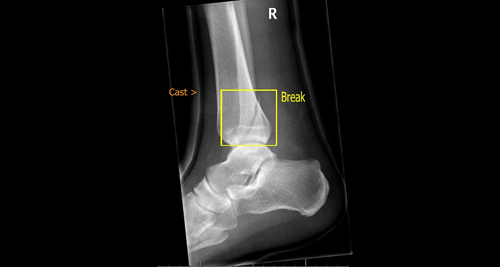
Diagnosis and Evaluation of Broken Ankle The diagnosis and evaluation of broken ankle injuries require a detailed medical examination and imaging tests to determine the extent of damage. An accurate diagnosis and evaluation of broken ankle conditions is key to selecting the most effective treatment plan and preventing long-term issues. 1. Clinical history and physical examDoctors will ask how the injury occurred and examine the ankle for: In some cases, they’ll check for open wounds or signs of nerve or blood vessel damage. 2. Imaging tests 3. Fracture classification Doctors classify ankle fractures by: 4. Assessing severityThis includes checking whether surgery is necessary and evaluating the potential impact on weight-bearing. . Open fractures (where bone pierces the skin) are medical emergencies requiring urgent surgical care. In South Africa, most hospitals and orthopaedic clinics in major cities can perform these evaluations. In rural areas, doctors often stabilise patients and refer them to regional hospitals with imaging and surgical capabilities. Doctors diagnose and evaluate broken ankle injuries to choose the right treatment, which may range from simple casting to complex surgery. The goal is to restore stability, prevent arthritis, and promote full mobility. 👉 [Next: Treatment Options for Broken Ankle] Diagnosis of Anal Fissure Diagnosis of a Broken Hip Diagnosis and Evaluation of Breast Cancer in Women Diagnosis of Aphasia Broken Ankle

Diagnosis and Evaluation of Broken Ankle Read More »

Treatment Options for Broken Ankle

Treatment Options for Broken Ankle

Treatment Options for Broken Ankle The treatment options for broken ankle injuries depend on the type and severity of the fracture. Proper and timely intervention is critical to healing. The goal of all treatment options for broken ankle injuries is to restore normal function, reduce pain, and prevent long-term complications. 1. Non-surgical treatmentFor minor fractures (non-displaced or hairline): This approach usually lasts 6–8 weeks, followed by physiotherapy. 2. Surgical treatmentFor more serious fractures, surgery is often required. This may involve: 3. Post-operative care 4. Rehabilitation and weight-bearingRehabilitation may take several months. Doctors will gradually allow more weight-bearing activities as the bone heals. Full recovery can take 3 to 6 months or longer depending on the severity. 5. Complication preventionComplications like delayed healing, joint stiffness, or infection are rare with proper care. Diabetics and smokers are at higher risk for slower recovery. In South Africa, most urban hospitals are equipped for both conservative and surgical management. Public sector patients may experience wait times, while private care offers quicker access to surgery and follow-up rehab. Choosing the right treatment options for broken ankle injuries leads to better mobility, less pain, and a faster return to daily life. Therefore, it is crucial to have the correct treatment administered in time.. 👉 [Next: Living with a Broken Ankle – Recovery and Mobility] Treatment of Club Foot How Is Depression Diagnosed? Treatment of a Broken Arm Treatment of a Broken Leg Treatment of a Broken Wrist

Treatment Options for Broken Ankle Read More »

Living with a Broken Ankle

Living with a Broken Ankle

Living with a Broken Ankle – Recovery and Mobility Living with a broken ankle – recovery and mobility involves a phased return to movement, strength-building, and regaining confidence in daily activities. While recovery can be frustrating at times, most people fully heal. Navigating living with a broken ankle – recovery and mobility successfully depends on patience, proper rehab, and follow-up care. 1. Early recoveryFor the first few weeks, doctors will immobilise your ankle. During this time: Even during rest, wiggling your toes and doing gentle stretches (as approved by your doctor) helps circulation. 2. Transition phaseOnce the bone begins to heal: 3. Full mobility and strength-buildingBy weeks 8–12: 4. Emotional impact and daily lifeLimited mobility may lead to frustration, especially for active individuals. Support from friends, family, and physiotherapists makes a difference. Planning accessible transport, home modifications, and workplace adjustments may be necessary. 5. Preventing future injury In South Africa, access to community clinics, physiotherapy centres, and online rehabilitation guidance makes it easier to recover from a broken ankle and regain mobility. Private healthcare may offer faster access to orthopaedic rehab programmes, but many public hospitals now include follow-up therapy. With consistency and support, living with a broken ankle – recovery and mobility becomes a manageable chapter — one that ends with regained strength and confidence. 👉 [End of Series | Back to Overview] Complications and Recovery from Concussion Treatment of Concussion Complications and Recovery from a Bruised Rib Complications and Recovery from a Broken Back

Living with a Broken Ankle Read More »

When to Seek Help for Sciatic Pain

When to Seek Help for Sciatic Pain (And What Can Happen if You Don’t)

It’s tempting to wait out sciatic pain, hoping it’ll pass with time. And in many cases, it does. But when the discomfort lingers — or gets worse — it’s not something you should ignore. So, when should you see a doctor? If your sciatic pain lasts more than a week or two without improvement, it’s time to check in with a healthcare professional. You should also reach out if: These symptoms could mean your sciatic nerve is being compressed or damaged — and the longer that goes untreated, the more serious the consequences can become. Red flags to watch for: These are signs of a potential medical emergency, like cauda equina syndrome — and require immediate medical attention. What happens if you ignore it? Leaving sciatica untreated for too long can lead to: Sciatica may start off as a minor ache, but it can quickly turn into something that affects your day-to-day activities. If the pain is persistent or limiting, don’t push through it — reach out for help. Early intervention often leads to faster recovery and better long-term outcomes. Missed an article in the series? You can catch up here: • Sciatic Pain: What It Is and Why It Happens• Sciatic Pain Symptoms• Treating Sciatic Pain Reviewed April 2025. Always consult a professional for individual guidance. Complications of Untreated Astigmatism Diagnosing Autism: How and When It’s Done

When to Seek Help for Sciatic Pain (And What Can Happen if You Don’t) Read More »

Antiphospholipid Syndrome

Antiphospholipid Syndrome Overview

Antiphospholipid Syndrome Overview Antiphospholipid Syndrome (APS) is an autoimmune disorder in which the body produces abnormal antibodies that mistakenly attack phospholipids — essential components of cell membranes and blood-clotting systems. This triggers excessive blood clotting, known as thrombosis, which can block arteries and veins, leading to serious complications. APS can affect anyone but is most common in women of childbearing age. It is a major cause of recurrent miscarriages, stroke, and deep vein thrombosis (DVT) in young adults. APS may occur on its own (primary APS) or in connection with another autoimmune condition such as lupus (SLE) — this is called secondary APS. Antiphospholipid Syndrome Symptoms vary but may include: Preventing Clotting APS is a lifelong condition, but with proper management, many people lead full, healthy lives. Early diagnosis and prevention of clotting events are key. 👉 [Next: Causes and Risk Factors of APS] Risks and Complications of Amniocentesis Treatment for Antiphospholipid Syndrome Diagnosis of Antiphospholipid Syndrome Complications of Antiphospholipid Syndrome

Antiphospholipid Syndrome Overview Read More »

Scroll to Top