Mental Matters

Health Conditions

Find information on various health conditions affecting people of all ages. This category covers causes, symptoms, diagnosis, and management options for physical illnesses and chronic diseases. Get insights to help you understand different health challenges and make informed decisions about your wellbeing.

Overview of Leptospirosis

Leptospirosis

Overview of Leptospirosis Overview of Leptospirosis is essential for understanding this potentially severe, yet often overlooked, bacterial infection. Overview of Leptospirosis helps medical workers, travelers, pet owners, and the public identify, manage, and prevent this disease. It is more common in tropical and subtropical regions but can occur anywhere. Leptospirosis is caused by Leptospira bacteria. These bacteria spread when people come into direct or indirect contact with urine from infected animals. This makes leptospirosis a zoonotic disease, meaning it can pass from animals to humans. Awareness and education are therefore very important. Spread and Symptoms in Overview of Leptospirosis Leptospirosis causes a wide range of symptoms. These can be mild, like flu symptoms, or very serious, such as kidney damage, liver failure, or meningitis. Despite occurring worldwide, leptospirosis is often missed because its symptoms are not specific. Also, many places lack good diagnostic tools. Outbreaks happen more in flood-prone or poorly sanitized areas, especially after natural disasters when dirty water spreads. Animals that carry leptospirosis vary. Rodents, especially rats, are the main carriers. Domestic animals like dogs, cattle, pigs, and horses can also carry the bacteria. These animals often show no illness, so they can unknowingly spread infection. Humans usually get infected when broken skin or mucous membranes touch contaminated water or soil. This puts groups like farmers, sewage workers, vets, and outdoor enthusiasts at higher risk. Public Health and Environmental Factors in Overview of Leptospirosis From a public health view, overview of leptospirosis must note that the disease is re-emerging. Climate change causes more extreme weather, leading to more floods. Floodwaters with animal waste spread the bacteria easily. Urban growth also pushes people into areas where carrier animals live. Estimating the global burden of leptospirosis is hard due to poor reporting and tracking. The World Health Organization (WHO) estimates over one million cases and about 60,000 deaths yearly. This may be too low because many cases are misdiagnosed or not reported, especially in remote areas. So, better tests, awareness campaigns, and national health plans are urgently needed. Clinical Challenges and Prevention in Overview of Leptospirosis Leptospirosis can start suddenly with high fever, muscle pain, and headache. It looks like dengue or malaria, which makes diagnosis tricky. Severe cases progress to Weil’s disease, which is life-threatening. This includes jaundice, kidney failure, and bleeding. Meningitis can also occur if bacteria reach the brain. Early diagnosis and quick antibiotic treatment improve outcomes. Anyone can get leptospirosis, but it mostly hits people in poor areas with bad sanitation and little rodent control. The disease is both a tropical health problem and a social issue. It causes long illness, missed work, and sometimes permanent disability. The disease also affects animals, especially dogs. Dogs can get very sick and pass the infection to humans. Vaccines for dogs exist in many countries but are not always used. Leptospirosis in livestock causes problems like poor reproduction and less milk, hurting farmers financially. Doctors face challenges because leptospirosis symptoms mimic many other diseases. They rely on patient history, exposure risk, and lab tests to diagnose. Blood and urine tests can detect bacteria through culture or newer molecular tests like PCR. Unfortunately, many rural clinics lack these tools. Prevention is key in overview of leptospirosis. Using protective gear, controlling rodents, improving sanitation, and ensuring clean water all reduce spread. Public health education in flood-prone and farming areas helps people spot symptoms early and take action. Human vaccines are rare and mostly used in high-risk jobs or outbreak zones. Research continues to develop better vaccines. Meanwhile, spreading knowledge about how leptospirosis spreads and early warning signs remains the best defense. Surveillance and Conclusion on Overview of Leptospirosis Environmental monitoring also plays a role. Weather and rainfall data can predict outbreaks. This lets authorities prepare and respond quickly. Integrated tracking systems that monitor animals, humans, water, and rodents help control leptospirosis better. In conclusion, overview of leptospirosis shows a disease that still flies under the radar despite being worldwide. It risks health in humans and animals, especially where water contamination and rodents are common. Although preventable and treatable, lack of awareness, slow diagnosis, and poor infrastructure keep it going. Understanding causes, symptoms, how it spreads, and prevention lets public health officials and individuals act to reduce its impact. [Next: Causes of Leptospirosis →]

Leptospirosis Read More »

Causes of Leptospirosis

Causes of Leptospirosis

Causes of Leptospirosis are primarily linked to exposure to water, soil, or food contaminated with the urine of infected animals. Leptospirosis is caused by bacteria called Leptospira. These bacteria thrive in warm, wet places. They can live outside a host for weeks or months in still water and damp soil, especially in tropical or subtropical areas. The causes of leptospirosis vary depending on geography, job, hobbies, and even living conditions. Animal Contact and Environmental Causes of Causes of Leptospirosis One main cause of leptospirosis is direct or indirect contact with urine from infected animals, mainly rodents like rats. Other animals such as cattle, pigs, horses, and dogs can also carry the bacteria. Humans get infected when the bacteria enter through cuts or broken skin, or through the eyes, nose, or mouth. Activities like wading in floodwaters, swimming in dirty rivers or lakes, or working in sewers or slaughterhouses increase the risk. Jobs also play a big role in the causes of leptospirosis. People working outdoors or with animals—farmers, vets, sewage workers, slaughterhouse staff, and soldiers—face higher risks. Daily contact with dirty water, mud, or animal fluids makes them more vulnerable. In cities, people living in crowded areas with poor sanitation are at risk due to rat infestations. Outdoor activities have become a growing cause of leptospirosis, especially in developed countries. People who kayak, raft, or run on muddy trails can meet contaminated water or soil. Even gardening in places where infected animals live can cause infection if someone has open wounds or touches their face after contact. Weather and Human Factors in Causes of Leptospirosis Weather affects the causes of leptospirosis greatly. Heavy rain and flooding spread the bacteria through water and bring it closer to people. This is a big problem in tropical climates where floods happen often. Natural disasters like hurricanes or cyclones worsen outbreaks, especially when sanitation fails and clean water is hard to find. Animal-to-human transfer, called zoonotic transmission, is the main cause of leptospirosis. Infected animals often show no signs, making it hard to prevent exposure. Pet dogs can carry the bacteria without getting sick, which can put owners at risk. Livestock without proper veterinary care may also spread infection to workers or consumers. Water sports and tourism in areas where leptospirosis is common are now known causes, especially when tourists don’t know the risks or lack protective gear. Countries in Southeast Asia, the Caribbean, Central America, and parts of Africa often report outbreaks linked to water. Travelers sometimes return home without knowing they caught the infection. Urban and Rare Causes of Causes of Leptospirosis Climate change may increase the causes of leptospirosis by causing more floods, changing rain patterns, and growing rodent habitats. These changes raise chances of human contact with Leptospira-contaminated environments, especially where infrastructure is poor. Poor waste disposal and blocked drainage make the causes worse, especially in low-income cities. Garbage piles up and attracts rats, increasing urine contamination of water. This cycle of bad sanitation, more rodents, and human exposure helps the disease spread. Though very rare, leptospirosis can sometimes pass directly from one person to another. Cases include sexual contact, breastfeeding, and organ transplants. However, human-to-human spread is the exception. Travelers should also watch for causes of leptospirosis when visiting infected areas. They should avoid swimming in freshwater, walking barefoot in flood zones, and drinking untreated water. Wearing protective clothes and good hygiene lower infection risk during travel or outdoor fun. Prevention and Control of Causes of Leptospirosis Preventing causes of leptospirosis includes rodent control programs, public education, and better city planning for safe water and waste systems. Vaccinating animals at risk, like livestock and dogs, helps stop transmission to people. Understanding causes of leptospirosis is key to stopping outbreaks and lowering risk. This needs many approaches: personal hygiene, healthy environments, vet care, and public teaching. By spotting and managing sources of exposure—whether from jobs, environment, or hobbies—communities can act early to reduce this serious bacterial disease. [Next: Symptoms of Leptospirosis →]

Causes of Leptospirosis Read More »

Symptoms of Leptospirosis

Symptoms of Leptospirosis

Symptoms of leptospirosis can vary greatly in severity, ranging from mild flu-like discomfort to life-threatening complications. Symptoms of leptospirosis usually appear within 5 to 14 days after exposure to Leptospira bacteria, though sometimes they take up to a month. Early recognition is very important because symptoms often look like other common illnesses. This can delay care. Fever with chills is often the first sign. Other early symptoms include headache, muscle pain—especially in calves and lower back—and tiredness. These signs can be confused with flu or dengue without proper tests. A key symptom of leptospirosis is conjunctival suffusion, which means red eyes without discharge. This helps distinguish leptospirosis from other fevers. Patients might also feel nausea, vomit, or have diarrhea. These symptoms can cause dehydration, especially in children and older adults. Early and Severe Symptoms of Symptoms of Leptospirosis If untreated, leptospirosis symptoms can worsen in a second phase. This phase often brings jaundice, which means yellow skin and eyes due to liver problems. Kidney damage may show as dark urine or less urine output. Some patients develop breathing problems such as cough or shortness of breath. The most serious form of leptospirosis is called Weil’s disease. It includes bleeding, especially from the lungs, kidney failure, severe jaundice, and sometimes meningitis (swelling of brain membranes). Patients may become confused, have stiff necks, or be very sleepy. Without quick medical care, these symptoms can cause death. Children and people with weak immune systems often show stronger symptoms. Children might be irritable, refuse food, have high fevers, or cry a lot. As the disease worsens, they can become very tired, have seizures, or behave differently. Variations and Risk Factors in Symptoms of Leptospirosis Not everyone infected shows clear symptoms. Some remain symptom-free or only have mild signs like low fever or slight tiredness. These people can still spread the bacteria through urine, posing a risk to others. Symptoms vary by location and job. In tropical areas, symptoms are usually worse due to higher exposure. Farmers, sewage workers, vets, and people involved in water sports or animal work face higher risks of strong symptoms. Because leptospirosis affects many organs, neurological signs like dizziness, seizures, or numbness may appear. These symptoms can be mistaken for other illnesses like encephalitis, which may delay correct treatment. Complications and Psychological Effects of Symptoms of Leptospirosis Watching for dehydration is vital. Vomiting and diarrhea can cause fast loss of body fluids and salts. This leads to cramps, confusion, or heart rhythm problems. These can warn of worsening disease. Besides physical signs, leptospirosis can affect mental health. Many patients report anxiety, depression, or fatigue after illness. These long-term effects can harm work, family, and overall wellbeing. Treatment plans should address these too. Public awareness is key because symptoms are varied and unclear. People in high-risk areas must learn the signs and seek help quickly. Health workers should always consider leptospirosis if patients have fever plus recent water exposure, animal contact, or travel to infected places. To summarise, symptoms of leptospirosis range from mild to deadly. They affect organs like the liver, kidneys, lungs, and brain. Symptoms often come in two stages: first flu-like, then more severe systemic problems. Spotting symptoms early helps ensure timely care and better outcomes. [Next: Diagnosis of Leptospirosis →]

Symptoms of Leptospirosis Read More »

Diagnosis of Leptospirosis

Diagnosis of Leptospirosis

Diagnosis of leptospirosis plays a critical role in managing this potentially severe bacterial infection. Doctors face a challenge in diagnosing leptospirosis early because its symptoms are not specific. These symptoms often look like flu, dengue fever, or malaria. Still, quick and correct diagnosis is very important to start proper treatment, avoid complications, and control outbreaks. This is especially true in places with floods or poor sanitation. Knowing the tests and tools used for diagnosis helps patients and health workers make good choices when symptoms appear. Initial Steps in Diagnosis of Leptospirosis Diagnosis of leptospirosis usually starts with a detailed medical history and physical exam. The doctor checks if the patient had risks like recent travel to infected areas, contact with dirty water or soil, or jobs that involve animals or sewage. These risk factors give important clues. Leptospirosis spreads through urine of infected animals. When exposure combines with fever, muscle pain, and red eyes, doctors suspect leptospirosis. Early diagnosis of leptospirosis includes blood and urine tests. During the first week, the bacteria may show in blood or spinal fluid and later in urine. Basic blood tests often show signs like high white blood cells, raised liver enzymes, and kidney problems. These signs are not certain proof but guide doctors to do more specific tests. Serological and Molecular Diagnosis of Leptospirosis Serological tests are the most common way to confirm diagnosis of leptospirosis. The main test is the Microscopic Agglutination Test (MAT), which finds antibodies against Leptospira types. A big increase in antibody levels from early to later illness shows infection. However, MAT needs skilled staff and special labs that are not always available. Because of this, many doctors choose ELISA tests instead. ELISA is faster and easier, but sometimes less exact. Another helpful method in diagnosis of leptospirosis is Polymerase Chain Reaction (PCR). PCR looks for Leptospira’s genetic material in blood or urine. It gives quick and very exact results. PCR is useful in severe or unusual cases when fast confirmation is needed. But many places with fewer resources cannot use PCR, limiting its use worldwide. Clinical Diagnosis and Imaging in Diagnosis of Leptospirosis In areas without advanced tests, doctors often rely on clinical diagnosis. They assess symptoms and exposure risks together. This method is less exact but important to start early treatment. Early antibiotics can lower the risk of serious problems like kidney damage, liver failure, or meningitis. Sometimes, treatment begins before lab results return. Imaging tests like chest X-rays and ultrasounds support diagnosis in severe leptospirosis cases. Chest X-rays can show lung problems in patients with breathing symptoms. Ultrasound helps check the liver and kidneys. These tests help rule out other illnesses and guide care, especially in hospitalized patients. Challenges and Advances in Diagnosis of Leptospirosis Diagnosis of leptospirosis is tricky because it looks like other fever-causing diseases such as dengue, malaria, typhoid, and viral hepatitis. Lab confirmation is important to avoid wrong diagnosis. Mistakes can delay care and cause more sickness or death, especially in vulnerable groups. Public health groups recommend clear testing guidelines and more training for healthcare workers. Educating doctors helps them recognize leptospirosis signs and order the right tests. In places where the disease is common, including leptospirosis in fever diagnosis improves detection and outcomes. Rapid test kits are being developed to make diagnosis easier in the field. These kits detect proteins or antibodies quickly. While they are not as accurate as PCR or MAT yet, they could change how we diagnose leptospirosis. These kits may help start treatment sooner and control outbreaks better. In conclusion, diagnosis of leptospirosis needs clinical checks, lab tests, and risk assessment together. Early suspicion in at-risk people helps start treatment quickly. No single test is perfect, but combining antibody, molecular, and clinical methods helps doctors manage this serious illness well. Ongoing research and better access to tests will improve global efforts to reduce leptospirosis. [Next: Treatment of Leptospirosis →]

Diagnosis of Leptospirosis Read More »

Treatment of Leptospirosis

Treatment of Leptospirosis

Treatment of leptospirosis plays a crucial role in preventing complications and improving recovery outcomes for those affected by this bacterial infection. Early treatment of leptospirosis works best, especially before the disease becomes severe. Because leptospirosis symptoms often look like other illnesses, quick and proper action helps protect vital organs like the kidneys, liver, and lungs. Mild cases may clear up with little help, but moderate to severe infections need stronger and more careful care. Treatment of Leptospirosis with Antibiotics The main part of the treatment of leptospirosis uses antibiotics. These medicines kill the Leptospira bacteria in the body. For mild cases, doctors usually prescribe oral antibiotics like doxycycline or amoxicillin for five to seven days. Patients can often take these at home if symptoms are mild and organs work normally. Patients must finish all their antibiotics, even if they feel better early. This prevents the infection from coming back or causing more problems. Severe Treatment of Leptospirosis For serious cases, doctors give antibiotics through an IV, such as penicillin or ceftriaxone, in the hospital. This type of treatment of leptospirosis suits patients with jaundice, trouble breathing, kidney failure, or meningitis signs. Hospitals provide close watch and extra care like IV fluids, dialysis, or breathing machines depending on organ problems. Supportive Care in Treatment of Leptospirosis Besides antibiotics, supportive care helps ease symptoms and protect organs. For example, patients with high fever and muscle pain get medicine to reduce fever and pain. Rehydration through drinks or IV fluids is very important if vomiting, diarrhea, or low fluid intake causes dehydration. Staying hydrated protects kidney function and flushes out toxins. In very severe leptospirosis cases—such as Weil’s disease—extra care is needed. Weil’s disease causes liver failure, kidney damage, and bleeding inside the body. Treatment of leptospirosis then involves many specialists, including infection experts, kidney doctors, and critical care teams. Dialysis may be needed for kidney failure, and blood transfusions can help with bleeding or low platelets. Oxygen or breathing machines may support lungs if affected. Preventive Measures in Treatment of Leptospirosis Treatment of leptospirosis also means preventing infection in high-risk people. For instance, doxycycline can act as a short-term preventive antibiotic for travelers or workers exposed to dirty water or soil. This prevention is important during outbreaks or natural disasters like floods when infection risk rises. Early antibiotic use in the treatment of leptospirosis is key. Studies show that starting antibiotics within the first five days cuts down how long and how bad symptoms last. Late treatment can make illness last longer and raise the chance of lasting problems like chronic kidney or liver damage and fatigue after leptospirosis. Tailored Treatment and Follow-Up Care Doctors must adjust treatment of leptospirosis based on each patient’s symptoms, health history, and disease severity. Pregnant women, older adults, or people with other health issues may need different plans to keep treatments safe. Doctors should also watch for other infections, especially in tropical areas where many germs spread. After the main illness, some patients need follow-up care. This care includes tests to check that the infection is gone and to monitor kidney and liver health. Some people have ongoing tiredness, joint pain, or depression after leptospirosis. Doctors call these symptoms post-leptospirosis syndrome. Patients may need rest, supportive care, or referrals to specialists like rheumatologists or mental health experts. Patient Education as Part of Treatment of Leptospirosis Teaching patients is an important part of treatment of leptospirosis. People recovering should know the signs if the illness returns. They also need to understand why finishing medicines and avoiding reinfection matter. Public health education in risky areas helps communities learn about water safety, rodent control, and personal hygiene. These steps reduce how leptospirosis spreads. In summary, treatment of leptospirosis involves early antibiotics, supportive care, prevention, and education. The best results come from spotting the disease early and starting treatment before serious problems start. Whether mild or severe, fast medical care and full treatment are vital for full recovery and to avoid long-term harm. With more awareness and good treatment plans, we can greatly lower leptospirosis cases in vulnerable groups. [Next: Complications of Leptospirosis →]

Treatment of Leptospirosis Read More »

Complications of Leptospirosis

Complications of Leptospirosis

Complications of leptospirosis can vary greatly, ranging from mild symptoms that linger to serious, life-threatening organ damage. These complications usually happen when the infection is not diagnosed or treated quickly, or when a person has a weak immune system. Leptospirosis is tricky because it can look like many other diseases, which may delay proper diagnosis and increase the risk of complications. The bacteria that cause leptospirosis can invade many organs, causing widespread inflammation and damage. In severe cases, the illness moves beyond the early fever stage into an immune phase. During this phase, the body’s immune response may cause extra tissue harm. Knowing about these complications helps guide treatment and prevent long-term problems. Kidney Damage and Renal Failure One of the most serious complications of leptospirosis is acute kidney injury (AKI). If not treated quickly, this can worsen into kidney failure. The bacteria attack parts of the kidneys, reducing their ability to filter waste from the blood. This can cause imbalances in body salts, fluid buildup, and toxin accumulation. Early signs include low urine output, dark urine, and swelling in the legs or feet. If kidney damage gets worse, patients may need dialysis to support kidney function. Many people recover with treatment, but some develop chronic kidney problems, especially if diagnosis is delayed. Regular kidney check-ups may be needed to avoid further harm. Liver Damage and Jaundice Leptospirosis can also affect the liver, causing hepatitis or, in serious cases, liver failure. The liver helps detoxify the body and regulate metabolism, so damage here can be dangerous. People with liver involvement may develop jaundice, where the skin and eyes turn yellow due to a rise in bilirubin levels. Liver damage can disrupt blood clotting, increasing the risk of internal bleeding. Weil’s disease, a severe form of leptospirosis, combines kidney and liver failure and carries a higher risk of death. Treatment includes hydration, antibiotics, and close monitoring of liver function. Respiratory Complications Leptospirosis can also affect the lungs. Symptoms include coughing, difficulty breathing, chest pain, and sometimes coughing up blood. In severe cases, bleeding into the lungs can lead to acute respiratory distress syndrome (ARDS). ARDS is life-threatening and often requires intensive care with mechanical ventilation. Respiratory problems can develop suddenly, even if patients seemed to be improving. Doctors need to watch for these signs and may use chest X-rays or CT scans to assess lung damage and guide treatment. Neurological Effects The bacteria can cross into the brain, causing neurological complications such as meningitis, encephalitis, or nerve dysfunction. Symptoms include severe headache, confusion, neck stiffness, sensitivity to light, or seizures. These signs mean the central nervous system is involved and need urgent medical attention. Neurological complications are less common but can cause lasting brain damage and cognitive or movement problems. Early diagnosis with tests like lumbar puncture and treatment with intravenous antibiotics are critical. Cardiac Involvement Though rare, leptospirosis can affect the heart. It may cause inflammation of the heart muscle (myocarditis), the lining around the heart (pericarditis), or irregular heartbeats (arrhythmias). These result from the infection or the body’s inflammatory response. Symptoms such as chest pain, palpitations, tiredness, or dizziness may signal heart issues. Tests like ECGs and echocardiograms help measure damage. Early treatment improves outcomes, but untreated cardiac problems can lead to heart failure. Ocular Complications During the recovery or immune phase, the eyes may become inflamed. Uveitis is the most common eye problem. It causes blurred vision, eye pain, redness, and light sensitivity. If untreated, uveitis can lead to glaucoma or cataracts and permanent vision loss. Eye specialists may treat these complications with corticosteroids or immune-suppressing drugs. While not life-threatening, eye problems significantly affect quality of life and need early care. Haematological and Muscular Issues Leptospirosis often lowers platelet counts (thrombocytopenia), increasing bleeding and bruising risk. Patients may also have muscle pain (myalgia) and elevated creatine kinase levels, suggesting muscle damage (rhabdomyolysis). Severe muscle breakdown can worsen kidney damage by releasing toxins into the bloodstream. Treatment focuses on hydration and maintaining electrolyte balance. Blood transfusions may be needed if bleeding or anaemia is severe. Psychological and Long-Term Effects Some people continue to feel tired, depressed, or anxious long after the infection clears. These long-term effects may result from ongoing inflammation, organ damage, or trauma from severe illness. They highlight the need for holistic care that includes mental health support. Stigma around leptospirosis can also cause social isolation and discrimination. Public education is key to preventing these social consequences. Conclusion In conclusion, complications of leptospirosis can be severe and even deadly if the disease is not recognized and treated early. From kidney and liver failure to lung and brain involvement, these complications require careful medical attention and fast treatment. Many recover fully with timely care, but some need long-term support, including dialysis and mental health services. Preventing complications means focusing on early diagnosis, effective treatment, and public awareness to reduce the global impact of this serious infection. [Next: Back to Overview →]

Complications of Leptospirosis Read More »

Overview of Leprosy

Leprosy

Overview of Leprosy Overview of Leprosy is essential for understanding one of the world’s oldest known infectious diseases, which continues to pose a public health challenge in some regions. Leprosy, also known as Hansen’s disease, is a long-term illness caused by a bacterium called Mycobacterium leprae. It mostly affects the skin, nerves near the skin, the inside of the nose, and the eyes. The overview of leprosy helps us see how this disease changed over time. It moved from being feared and misunderstood to something we can now treat. This shift happened thanks to new treatments and strong efforts by health organisations. The disease develops slowly. It can take years before any symptoms show up. Because the bacteria grow very slowly, people often don’t know they have leprosy for a long time. Skin problems or nerve issues may appear much later. The illness spreads through close contact over a long period, most likely through droplets from the nose. Unlike old beliefs, leprosy does not spread easily. In fact, most people have natural protection against it. Even so, spotting it early remains key. It stops lasting damage and helps break the chain of spread. Global Spread and Current Status in the Overview of Leprosy A full overview of leprosy should look at where the disease still exists today. It used to be found worldwide, but now it mainly affects parts of Asia, Africa, and South America. Each year, more than 200,000 new cases appear, according to the World Health Organization (WHO). India, Brazil, and Indonesia report the most cases. Thanks to strong health campaigns, many areas have seen big drops in cases. But in places with weak healthcare and strong stigma, leprosy still lingers. Over time, fear and myths caused harsh treatment of people with leprosy. Many were forced into leper colonies and taken away from their families. They lost jobs, respect, and their place in society. This deep-rooted stigma remains, even though leprosy can be cured. A mix of drugs called multidrug therapy (MDT), given free by WHO, works well. So, the overview of leprosy must also highlight the global push to reduce stigma and help cured people return to normal life. Types, Symptoms, and Complications in the Overview of Leprosy Leprosy shows up in two main ways: paucibacillary and multibacillary. The first type is mild and causes only a few skin and nerve problems. The second is more serious and affects more parts of the body. Both types can be treated if caught early. If not, they can lead to serious problems. These include changes to the shape of limbs, loss of sight, and long-lasting pain from nerve injury. Even after finishing treatment, many people deal with physical and emotional scars. That’s why care must go beyond medicine. The overview of leprosy must include its warning signs. These often start with skin changes. Some patches lose color or become darker and may feel numb. Over time, damaged nerves cause muscle weakness and even deformities in hands and feet. The eyes can also suffer, leading to vision problems or even blindness. Acting fast with MDT can stop the bacteria and prevent most of these issues. But for those with nerve damage, extra care and therapy may still be needed. Public Awareness and Mental Health in the Overview of Leprosy Public health plays a big role in the overview of leprosy. Community check-ups, training for local health workers, and public education are very important. Finding hidden cases early means faster treatment. In areas where the disease is common, spreading correct information helps reduce fear. New testing tools and better health systems have made it easier to find and treat cases. However, more money and effort are still needed. Mental health must also be part of this picture. Even after they are cured, many people feel ashamed or left out. The damage leprosy does to the body can be seen, and that leads to people treating them unfairly. Because of this, many suffer from sadness or anxiety. Research shows that mental health problems are common among people with leprosy. So, support like counselling and job training becomes very important. These programmes help people gain confidence again. International Goals and the Future in the Overview of Leprosy The Global Leprosy Strategy by WHO gives clear goals. It wants zero spread of leprosy, no new children with lasting problems, and no more unfair treatment of people who have or had the disease. To reach these goals, we need to keep checking for cases, improve vaccines and tests, and make sure health clinics can handle cases early. In short, the overview of leprosy shows us that the disease can be treated, but its impact still runs deep. Leprosy affects people’s bodies, minds, and lives. To beat it, we need doctors, leaders, social workers, and communities to work together. With strong efforts, early treatment, and care for the whole person, we can stop new cases and help those already affected to live better lives. [Next: Causes of Leprosy →]

Leprosy Read More »

Causes of Leprosy

Causes of Leprosy

Causes of leprosy are rooted in a bacterial infection that primarily affects the skin, peripheral nerves, mucosa of the upper respiratory tract, and the eyes. The causes of leprosy have long been misunderstood, partly due to historical stigma and a lack of access to proper medical research in earlier centuries. However, modern science has clearly identified the microbial origins and transmission pathways responsible for the disease, shedding light on how and why it spreads in certain populations. Understanding the causes of leprosy is essential for both effective prevention and global eradication efforts, especially in developing countries where the disease still remains a public health issue. The main cause of leprosy is an infection with a slow-growing bacterium called Mycobacterium leprae. In rare cases, another similar bacterium, Mycobacterium lepromatosis, can also cause the disease. These bacteria thrive in cooler parts of the body, such as the skin and nerves. They grow slowly, and symptoms may take months or even up to 20 years to show. Because of this delay, it becomes harder to trace the exact source of infection or stop its spread early. Bacterial Spread and the Causes of Leprosy The most direct of all causes of leprosy is exposure to Mycobacterium leprae. It spreads through droplets from the nose and mouth when untreated patients cough or sneeze. People nearby may breathe in these droplets or get them on their mucous membranes. Still, leprosy does not spread easily. Around 95% of people are naturally immune. Even when exposed, they do not get sick. While this means outbreaks are rare, it also makes it harder to track how and when someone became infected. Role of Genetics in the Causes of Leprosy A person’s genes also play a big role in the causes of leprosy. Studies show that some genes affect how likely someone is to get the disease. Certain immune-related genes—like TLR1, TLR2, and PARK2—can make someone more prone to infection. In many families living in areas where leprosy is common, several members may get the disease. This can happen due to shared genes, not just shared spaces. So, both inherited traits and close contact can increase the risk. Environmental Conditions That Increase Risk Poor hygiene, crowded homes, and weak health systems all raise the risk of infection. These conditions make it harder to avoid contact with untreated people and delay getting care. Slums, refugee camps, and rural places with few clinics often see more cases. Malnutrition and illnesses like HIV or diabetes also make it easier for bacteria to grow. All these factors add up and make leprosy more likely to spread in these areas. Animal Sources and the Causes of Leprosy Most cases of leprosy come from other people, but animals can also pass on the disease. In parts of the southern U.S. and Latin America, nine-banded armadillos carry Mycobacterium leprae. People can get infected if they handle raw meat or come into contact with these animals. Hunters or those who prepare armadillo meat are more at risk. Public health experts now warn people in these regions to avoid direct contact to reduce the chances of getting infected. Incomplete Treatment and How It Spreads Some causes of leprosy come from poor treatment practices. If patients don’t finish their full course of medicine, they may stay infectious. They might also get sick again, and bacteria can become resistant to drugs. This makes treatment harder for everyone. That’s why health programs must not only find cases but also help people stick to their full treatment plan. Doing so can stop future infections in the community. How Culture and Stigma Delay Care In many places, myths and stigma are major causes of leprosy’s spread. Some believe it’s a curse, which leads to shame and hiding symptoms. Because of this, people wait too long to see a doctor. During this time, they may unknowingly infect others. These beliefs don’t come from science, but they still affect how the disease spreads. Educating people and breaking myths are just as important as giving medicine. The Immune System’s Role in the Causes of Leprosy Not everyone who gets exposed develops the disease. The body’s immune system plays a huge role. People with strong immune responses may never get sick or only get a mild form called tuberculoid leprosy. Those with weaker immunity often get more severe, widespread disease. This shows that immune strength directly affects the chances of getting sick and the type of symptoms one may have. Causes of Leprosy in Modern Research Even though we understand many causes of leprosy, research continues. New studies are looking at things like co-infections, other bacteria in the environment, and even changes in gene activity. Climate change and deforestation may also play a role. They push animals and people into closer contact, which can spread the disease in new ways. As the world changes, so might the causes of leprosy. We need to stay alert and adjust our health plans as new information comes in. [Next: Symptoms of Leprosy →]

Causes of Leprosy Read More »

Symptoms of Leprosy

Symptoms of Leprosy

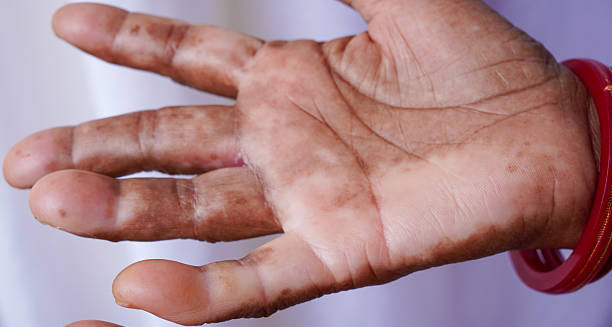
Symptoms of leprosy can vary significantly based on the type of infection and the individual’s immune response, but certain patterns are common and often help in recognising this chronic infectious disease. Symptoms of leprosy usually appear slowly. In fact, it can take years after the first exposure to the germ Mycobacterium leprae for symptoms to show. Because of this delay, early signs often go unnoticed. That’s one reason why many cases remain undiagnosed in the beginning. Also, since symptoms of leprosy can look like other skin or nerve conditions, early diagnosis is difficult. This makes treatment harder and increases the risk of long-term harm. Doctors often group the symptoms of leprosy into two main types: skin problems and nerve problems. These symptoms can show up on their own or together. How severe they are depends on the kind of leprosy—whether it is tuberculoid, lepromatous, borderline, or indeterminate. Skin Symptoms Linked to Symptoms of Leprosy One of the most common symptoms of leprosy is patches on the skin. These patches may look flat and lighter than the skin around them. In some cases, they may look red or copper-coloured. These spots usually feel numb and don’t sweat. That’s because the sweat glands in those areas stop working. This loss of feeling is a key sign of the disease. Some people may also find small lumps or bumps under their skin. If left untreated, these may grow and change the skin’s shape. In more serious cases like lepromatous leprosy, skin changes can cover large parts of the body. The face, ears, and arms may look thick or lumpy. These changes once led to the strong stigma linked to the disease. Dry and rough skin is another sign, especially in areas where nerves have been harmed. When the nerves that control sweating and skin moisture stop working, the skin can dry out, crack, and become open to infection. These changes make the skin more fragile. Nerve Damage in Symptoms of Leprosy One of the clearest signs of leprosy is nerve damage. The germs often attack nerves near the surface of the skin, such as those in the hands, feet, and face. As this happens, people slowly lose feeling. That means they may not notice small cuts or burns, which then become long-lasting wounds or ulcers. In the early stages, people may feel tingling, burning, or numbness in affected areas. Later, they may lose muscle strength. Weakness or even paralysis may develop, especially in the hands and feet. In some cases, the hands may curl into a “claw” shape, or the feet may lose the ability to lift, known as foot drop. These changes happen when muscles shrink after nerve damage. If the disease affects the nerves in the face, people may lose the ability to blink. This puts the eyes at risk and may lead to ulcers or even blindness. Sometimes, damaged nerves become thick enough to feel under the skin, especially near the elbows and knees. Systemic Effects and Emotional Impact Although leprosy mostly affects the skin and nerves, it can sometimes harm other parts of the body. For example, people with lepromatous leprosy may get stuffy or bloody noses. This happens when the lining of the nose becomes inflamed. Over time, this can lead to a runny nose or even loss of the middle part of the nose. The symptoms of leprosy don’t just affect the body. Many people feel deep emotional stress due to fear and stigma. They may face rejection, feel anxious, or become depressed. In many places, the public still does not understand the disease, and this misunderstanding adds to the suffering. Some people with leprosy also have strong immune reactions called “reactions.” These may show up suddenly and require fast medical care. Type 1 reactions cause skin and nerve swelling. Type 2 reactions, like erythema nodosum leprosum (ENL), bring painful red lumps, fever, and other symptoms. Without quick treatment, these can cause serious and lasting damage. Symptoms of Leprosy in Children and Early Clues Symptoms of leprosy in children are usually less severe but still very important to catch early. Children may show just one or a few skin spots, which can be confused with conditions like ringworm or eczema. However, children’s nerves can get damaged quickly. That’s why fast diagnosis is vital. If treatment starts late, children may face lifelong issues with movement and hand use. Doctors need to act fast when they see signs in children. Early care can prevent serious problems and allow the child to grow and develop more normally. Telling Symptoms of Leprosy Apart from Other Conditions Sometimes, symptoms of leprosy look like other skin or nerve diseases. These include psoriasis, eczema, diabetic nerve damage, or vitiligo. But one thing makes leprosy different—skin spots that have no feeling. This clue helps doctors tell leprosy apart from other skin problems. Also, the mix of skin spots and nerve damage is rare in other conditions. This makes the presence of both signs an important red flag during diagnosis. Importance of Early Recognition of Symptoms of Leprosy Noticing the first signs of leprosy early can prevent serious harm. When left untreated, the disease can cause long-term disability. Since leprosy spreads through close contact, especially in crowded or dirty places, catching it early also helps protect others. Treating one person can stop the spread to many. Teaching the public to recognise symptoms of leprosy is key. Awareness efforts help people feel less fear and encourage them to seek help when they see changes in their skin or nerves. [Next: Diagnosis of Leprosy →]

Symptoms of Leprosy Read More »

Diagnosis of Leprosy

Diagnosis of Leprosy

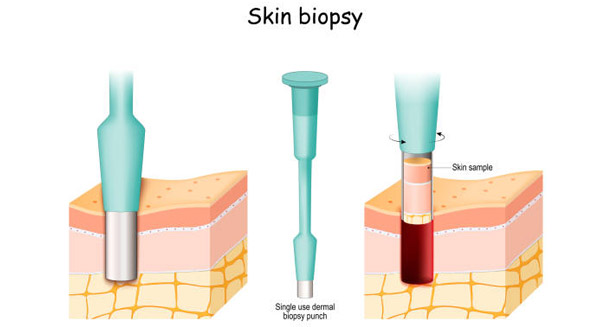
Diagnosis of leprosy is a critical step in managing this chronic infectious disease effectively. A quick and accurate diagnosis of leprosy helps stop long-term problems. It also lowers the spread of the disease and improves the lives of those affected. Because leprosy looks like other skin and nerve problems, spotting it early is key. It helps prevent confusion and treatment delays. Doctors usually rely on symptoms, skin tests, nerve checks, and lab results. Early signs and risk factors play a big role in this process. Clinical Signs Help in the Diagnosis of Leprosy Doctors begin by doing a full body check. They look for signs like skin patches that have little or no feeling, thick nerves, and weak muscles. These symptoms can be hard to notice in the early stages. That’s why trained doctors must tell it apart from other skin problems like vitiligo, fungal infections, or psoriasis. It can also look like nerve damage from diabetes or alcohol use. During the exam, doctors test areas of skin for temperature, pain, and light touch. Patches that are pale and numb often raise suspicion. Using Skin Tests to Support Diagnosis After checking the skin, doctors often do a skin smear or biopsy. For a smear test, they scrape a bit of skin or fluid from a spot and stain it. They use a special method called Ziehl-Neelsen staining to look for leprosy bacteria. The number of bacteria helps doctors know how serious the case is and whether it’s likely to spread. But sometimes, especially in cases with few bacteria, the test may not show anything. A negative result does not mean the person doesn’t have leprosy. In these cases, a skin biopsy can help. It shows if there is damage to the nerves or signs of infection under a microscope. Newer Lab Tests in the Diagnosis of Leprosy In some advanced clinics, doctors also use blood and DNA tests. A test called PCR finds leprosy DNA in skin or nerve samples. It works well even when bacteria are low. However, this test is not available in many places with fewer resources. Blood tests can also find certain antibodies made against the leprosy germ. These tests help spot people who were close to someone with leprosy. Still, they are not perfect and are not used often in normal care because the results vary a lot. Nerve Checks Are Key for Diagnosis of Leprosy Checking the nerves is another important step. Leprosy often harms nerves, and catching this early can stop serious damage. Doctors feel for swollen nerves like those in the arms and legs. They also test muscle strength and sensation. In more advanced cases, people might have weak muscles, curled fingers, or a dropped foot. These signs also help confirm leprosy. In some hospitals, doctors use machines to measure how well nerves work, giving even more detail. WHO Guidelines and Practical Tools for Diagnosis The World Health Organization uses a simple system to help with the diagnosis of leprosy. If someone has five or fewer skin spots and no bacteria on smear tests, they are labeled as paucibacillary. If they have more than five spots or bacteria are found, they are multibacillary. This system helps doctors decide how to treat the patient. It also works well in places with few lab tools. Some countries also use terms like tuberculoid or lepromatous leprosy, based on the body’s response and lab results. Look-Alike Conditions Can Delay Diagnosis Doctors also need to rule out other diseases that look like leprosy. These include lupus, syphilis, sarcoidosis, and many skin problems. So, they need to ask about the person’s past, travel history, and whether they’ve been near someone with leprosy. Some people might not get diagnosed quickly because the disease moves slowly. This delay makes it more important for doctors to stay alert. Contact Tracing in the Diagnosis of Leprosy Finding leprosy early isn’t just about the patient. It also means checking their close contacts. People living with someone who has leprosy have a higher chance of getting sick too. Doctors should check these people regularly for early signs. Teaching people about leprosy and fighting stigma helps them get checked sooner. It also makes them more likely to come back for follow-ups. Wrapping Up the Diagnosis of Leprosy In short, doctors use many steps to make a diagnosis of leprosy. They watch for symptoms, do lab tests, check nerves, and sometimes use advanced tools like DNA tests. Catching the disease early helps stop its spread and lets doctors treat it quickly. As better tests become more common and people learn more, fewer cases will be missed or found too late. [Next: Complications of Leprosy →]

Diagnosis of Leprosy Read More »

Scroll to Top