Mental Matters

Health Conditions

Find information on various health conditions affecting people of all ages. This category covers causes, symptoms, diagnosis, and management options for physical illnesses and chronic diseases. Get insights to help you understand different health challenges and make informed decisions about your wellbeing.

Complications of Leprosy

Complications of Leprosy

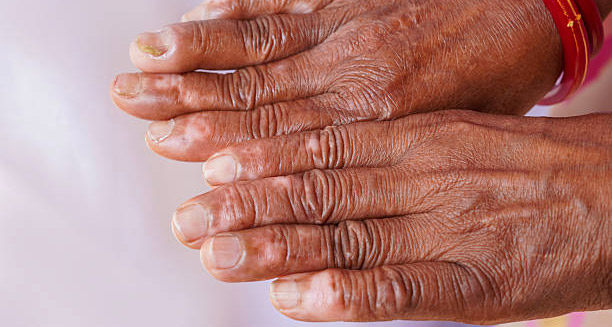
Complications of leprosy can be debilitating, disfiguring, and long-lasting if the condition is not diagnosed and treated early. Complications of leprosy arise both from the direct effects of the Mycobacterium leprae bacteria on the body and from the immune system’s response to the infection. Though leprosy itself is a chronic infectious disease, it is often the resulting complications that cause the most suffering and disability for affected individuals. Addressing these complications is essential not only for improving quality of life but also for reducing stigma and social isolation. Nerve Damage and Secondary Injuries One of the most serious complications of leprosy is nerve damage. The bacteria attack and inflame nerves, especially in the hands, feet, and face. Damaged nerves stop the body from feeling pain or temperature changes. At first, this might not seem dangerous. But without pain as a warning, people can get burns, cuts, or other injuries without knowing it.Over time, these injuries may turn into chronic wounds or infections. Some people even lose fingers or toes. In fact, the deformities that many people link to leprosy often come from repeated injuries, not the disease itself. Eye Problems and Vision Loss Another major concern under the scope of complications of leprosy is eye involvement. The bacteria can damage facial nerves that help with blinking. When people cannot close their eyes fully, a condition called lagophthalmos, their eyes become dry and unprotected. Dust and germs can then enter more easily.This increases the risk of corneal ulcers and, if untreated, blindness. On top of that, long-lasting swelling inside the eyes can lead to other issues like iritis or glaucoma, making vision worse. Deformities, Weakness, and Stigma Muscle weakness and deformities are also key complications of leprosy. When nerves like the ulnar, radial, or peroneal nerves get damaged, people may develop clawed hands, foot drop, or wrist drop. These changes make it hard to do daily tasks.Even worse, visible deformities often lead to shame or rejection. Many people with signs of leprosy get excluded from work, school, or social events. This can cause emotional pain, depression, and a deep sense of isolation. Immune Reactions and Internal Organ Damage Leprosy can also cause strong immune reactions. These include Type 1 (reversal) and Type 2 reactions, such as erythema nodosum leprosum (ENL). These reactions cause sudden skin and nerve swelling. People may get fever, swelling, joint pain, and new nerve problems.If not treated quickly, these reactions can cause even more nerve damage. Type 2 reactions are especially risky. They can keep coming back and may affect internal organs like the kidneys, liver, and spleen. Social and Emotional Impact Social complications play a big role in how leprosy affects people. Even after successful treatment, many still face discrimination. This is often due to old myths that the disease spreads easily or never goes away. In some places, people with leprosy get kicked out of their homes, lose jobs, or even face divorce.This fear stops others from getting help early, which leads to more problems later. Some people end up homeless, undernourished, or deeply depressed. Sadly, some even think about suicide due to the emotional burden. Chronic Ulcers and Risk of Amputation Chronic ulcers, especially on the soles of the feet, are common complications of leprosy. These wounds often become infected and need long-term care. Some cases require surgery. If left untreated, the infection can reach the bone, causing osteomyelitis.When that happens, amputation may be the only option. In poorer areas with limited medical care, these wounds add greatly to the disease’s overall burden. Internal and Systemic Complications of Leprosy In rare cases, leprosy can spread throughout the body. This usually happens in multibacillary leprosy when treatment is delayed. The bacteria may damage the testicles, causing shrinkage and infertility. They can also harm the kidneys or cause the liver and spleen to grow too large.While less common today, these problems still happen in places where people struggle to access care. Economic Burden and Long-Term Costs The long-term complications of leprosy affect not just health but also income. People who are disabled by the disease may not be able to work. They might lose their jobs or stop going to school. Families can suffer too.Medical care for wounds, devices to help movement, and surgery costs add up. This creates financial strain, especially in poorer countries. Public health systems need to do more than just provide medicine. They must also offer rehab, mental health care, and help people rejoin society. Preventing Complications of Leprosy To reduce the impact of complications of leprosy, early detection and sticking to multidrug therapy (MDT) are key. If started soon enough, MDT can stop the disease from getting worse and prevent nerve damage.Raising awareness through education is also vital. It helps fight stigma and encourages people to seek care early. People who already have problems need rehab services like physiotherapy, occupational therapy, or surgery. These steps help restore movement and boost confidence. Addressing All Complications of Leprosy In conclusion, complications of leprosy go far beyond skin symptoms. Nerve damage, disfigurement, vision problems, and social rejection can deeply affect a person’s life. To tackle all these issues, care must cover the whole person.This means combining medicine, therapy, emotional support, and public education. With early action, many serious effects of the disease can be avoided. People can then live full lives without pain or shame. [Next: Back to Overview →]

Complications of Leprosy Read More »

Overview of Leukoplakia

Overview of Leukoplakia

Overview of LeukoplakiaOverview of Leukoplakia provides a comprehensive insight into a condition that affects the mucous membranes, primarily in the mouth. What is Leukoplakia? Overview of Leukoplakia helps us understand a serious oral health issue. It usually shows as white patches on the tongue, gums, or inside the cheeks. While these patches are not cancerous at first, doctors consider leukoplakia a possible pre-cancer condition. The patches can change in size and look different from person to person. People often mistake leukoplakia for other, less serious problems. This makes it important to get a professional checkup and an accurate diagnosis. Leukoplakia often develops slowly. Early patches may be small or hidden in parts of the mouth that are hard to see. Adults over 40 get leukoplakia most often. It is more common in people who use tobacco or drink alcohol regularly. These habits irritate the cells inside the mouth and cause the patches to form. Types of Leukoplakia Doctors divide leukoplakia into two types: homogeneous and non-homogeneous. Homogeneous leukoplakia shows up as flat, thin, and evenly white patches with clear edges. Non-homogeneous leukoplakia looks irregular. It has mixed white and red patches that may be nodular, speckled, or wart-like. This second type has a higher chance to turn into cancer, so it needs faster care and checkups. Experts do not fully understand what causes leukoplakia. Still, most cases link to ongoing irritation of the mouth’s lining. Tobacco smoke, smokeless tobacco, heavy alcohol use, dentures that don’t fit, or rough teeth can cause this irritation. Constant trauma or chemical damage makes the mouth lining grow thicker and form white patches that won’t scrape off easily. Who Gets Leukoplakia? Leukoplakia happens to about 1–3% of people worldwide. It is more common where many people use tobacco. Men get it more than women. Kids and young adults rarely get leukoplakia unless they have certain risk factors. Because leukoplakia can turn into squamous cell carcinoma, catching it early and watching it closely is very important. One type called proliferative verrucous leukoplakia (PVL) is especially worrying. PVL grows aggressively and in many places in the mouth. It has a very high chance of becoming oral cancer. PVL often affects people who do not have common risks like smoking or drinking. This makes it harder to spot and treat. Diagnosing Leukoplakia It is important to tell leukoplakia apart from other white patches in the mouth. Conditions like oral thrush, lichen planus, or frictional keratosis may look similar. Leukoplakia patches do not wipe off easily and are often found during regular dental exams. A biopsy usually confirms the diagnosis and checks for early signs of cancer or pre-cancer. Many people do not know much about leukoplakia. They might ignore white patches, thinking they are harmless or temporary. This delay lets the problem continue and sometimes turn into cancer. That is why teaching people about oral health and leukoplakia is so important. Early care saves lives. Treatment and Prevention How doctors treat leukoplakia depends on the size, look, and biopsy results of the patches. Removing the cause—like quitting smoking, cleaning the mouth better, or fixing dentures—can help the patches shrink. But if the biopsy shows cell changes called dysplasia, surgery may be needed. Surgery options include cutting out the lesion, laser removal, or freezing the tissue (cryotherapy). New tools help dentists watch leukoplakia better. Devices like VELscope or autofluorescence imaging show changes in mouth tissue clearly without surgery. These tools help find cancer early when treatment works best. Stopping tobacco use, drinking less alcohol, keeping good mouth hygiene, and visiting the dentist often are the best ways to prevent leukoplakia. Also, managing overall health and nutrition supports healthy mouth tissues. From a public health view, leukoplakia ties into cancer prevention and early care. Oral cancers have low survival rates when found late. Leukoplakia offers a chance to stop cancer before it starts. Dentists and doctors play a key role in spotting suspicious patches and guiding patients for proper care. To sum up, Overview of Leukoplakia highlights a condition that may seem harmless but can become very serious. It links strongly to smoking and drinking, making it mostly preventable. Early detection, timely treatment, and regular check-ups improve outcomes greatly. Raising awareness among health workers and the public remains critical to lower the impact of this condition worldwide. [Next: Causes of Leukoplakia →]

Overview of Leukoplakia Read More »

Overview of Legionnaires' Disease

Legionnaires’ Disease

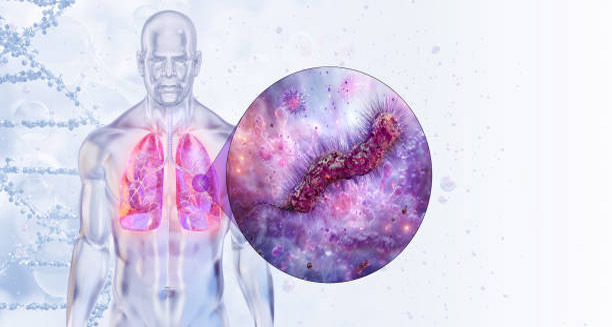
Overview of Legionnaires’ Disease Overview of Legionnaires’ disease focuses on a severe form of pneumonia caused by Legionella bacteria. These bacteria thrive in freshwater environments but become hazardous when they grow and spread in human-made water systems like air conditioning units, hot tubs, fountains, and plumbing networks. The overview of Legionnaires’ disease includes its origins, the populations most at risk, routes of transmission, global impact, and public health implications. Understanding this condition is essential for timely diagnosis, effective treatment, and improved prevention strategies. Legionnaires’ disease was first identified in 1976. That year, an outbreak occurred at an American Legion convention in Philadelphia. Over 200 people fell ill, and more than 30 died. This led to the discovery of Legionella pneumophila as the cause. Since then, the disease has been found worldwide, especially in industrialised countries. These regions often have more complex water systems. Though not as common as other pneumonias, Legionnaires’ disease tends to be more severe. It can even be deadly, especially for older adults or people with weak immune systems. How Infection Happens in Legionnaires’ Disease The overview of Legionnaires’ disease shows that it doesn’t spread from person to person. Instead, people get sick after breathing in water mist that has the bacteria. This mist comes from sources like air conditioning cooling towers, large plumbing systems, decorative fountains, and spas. When someone inhales the contaminated mist, the bacteria travel to the lungs. There, they multiply and cause swelling, which leads to pneumonia symptoms. Early symptoms often look like the flu. A person may get a high fever, chills, sore muscles, and headaches. These signs are soon followed by a dry cough, trouble breathing, and chest pain. Some people also have diarrhoea, nausea, or vomiting. Confusion and tiredness can appear too, especially in older patients. Diagnosing Legionnaires’ disease can be tricky. Its symptoms are similar to other illnesses like flu or COVID-19. At-Risk Groups in the Overview of Legionnaires’ Disease This overview of Legionnaires’ disease also explains who faces the highest risk. People over 50, smokers, and those with long-term illnesses are more likely to get sick. Conditions like lung disease, diabetes, kidney problems, and cancer raise the danger. People with weak immune systems are also more at risk. That includes patients taking steroids or undergoing chemotherapy. Hospitals are a big concern. Patients there may already be vulnerable or exposed to invasive medical procedures, making infection more likely. In many cases, Legionnaires’ disease requires treatment in a hospital. Doctors often use antibiotics like azithromycin or levofloxacin. These work well if given early. But if treatment is delayed or if doctors mistake the illness for something else, serious problems can follow. These may include breathing failure, kidney damage, or septic shock. In healthy people, death occurs in about 5% to 10% of cases. That number jumps above 30% in hospital outbreaks or if the disease goes untreated. Quick diagnosis and support improve the chance of recovery. Public Health View in the Overview of Legionnaires’ Disease From a public health angle, the overview of Legionnaires’ disease highlights the need for proper water system care. Regular cleaning, use of chlorine, and control of water temperature help stop bacteria from growing. Legionella loves warm, still water. So, buildings with poor water upkeep pose the greatest risk. Many countries now have rules that require regular testing. Hotels, hospitals, and large public buildings often must follow these rules to lower outbreak risks. Community and Environmental Impact Another part of the overview of Legionnaires’ disease is the risk of large outbreaks. A single source of tainted water can affect many people. Past outbreaks have led to big changes in public health systems. These changes include better rules, training for maintenance staff, and steps to catch cases early. In some places, this has helped lower the number of new infections. Still, isolated cases happen all over the world. The environment also plays a role. Climate change and the rise of water-based cooling systems may raise infection rates. Warmer places are especially at risk. As buildings become more complex, with decorative water features or advanced cooling, the chances for bacteria to grow also rise. That’s why architects, engineers, and building managers must work with health experts. Together, they can create safer systems. Other Forms and Final Summary of the Overview of Legionnaires’ Disease Besides the main illness, there’s also Pontiac fever. This is a milder sickness caused by the same bacteria. It brings fever and muscle pain but does not lead to pneumonia. Most people get better without treatment. However, if a group gets Pontiac fever, it may be a sign that Legionella is in the water. This can prompt health teams to investigate and act fast. To sum up, the overview of Legionnaires’ disease shows a serious illness that can be stopped with the right actions. It connects medicine and building design. The disease is a real threat to those who are already weak or sick. But with fast treatment and good prevention, people can recover well. More people now know about Legionnaires’ disease. That has led to more water testing, better rules, and safer buildings. Still, we need more education, global teamwork, and strong efforts to protect water systems. As cities grow and buildings get more advanced, staying ahead of the risk is key to keeping people safe. [Next: Causes of Legionnaires’ Disease →]

Legionnaires’ Disease Read More »

Causes of Legionnaires' Disease

Causes of Legionnaires’ Disease

Causes of Legionnaires’ disease primarily involve the inhalation of airborne water droplets contaminated with Legionella bacteria. These bacteria grow best in warm water, especially in poorly maintained man-made water systems. Understanding the causes of Legionnaires’ disease helps stop outbreaks and supports better safety in both public and private places. The root cause is bacterial, but things like bad infrastructure and poor upkeep make the problem worse. Legionella pneumophila is the main bacteria that causes infections. It lives in natural water like lakes and rivers, but it rarely causes illness there. Trouble starts when these bacteria get into artificial systems. Warm water that doesn’t move, weak disinfectants, and the wrong temperatures help the bacteria grow fast. These settings turn harmless bacteria into dangerous germs. Common Water Sources and the Causes of Legionnaires’ Disease One of the main causes of Legionnaires’ disease comes from cooling towers in air-conditioning systems, especially in large buildings. When these systems are not cleaned often, they can spread water droplets filled with bacteria into the air. People nearby can breathe in the droplets and get infected. This risk is higher in cities, hospitals, hotels, and office blocks. Hot tubs and whirlpools also help bacteria grow. These systems usually run between 20°C and 45°C, which is perfect for Legionella. If the water lacks strong disinfectants or doesn’t move enough, the bacteria can build up and float into the air as mist. Even in open spaces, breathing in this mist can cause infection. Older buildings with outdated plumbing are another source. Water heaters, storage tanks, and pipes that don’t keep water moving or hot enough often let bacteria grow. Poor insulation and slow circulation allow some parts of the system to become safe spaces for the bacteria. Taps, showers, and even water features can then spread the germs. Medical Facilities and Indoor Devices Increase the Risk Hospitals need special attention. Patients often have weak immune systems, so they get sick more easily. If hospital water systems are not cleaned and monitored well, even small exposures can be dangerous. Devices like nebulisers and breathing machines that use dirty water can send Legionella straight into the lungs. This makes following strict water safety rules critical in all medical areas. Other devices, like mist machines, humidifiers, car washes, and grocery store veggie sprayers, can also spread bacteria. When not cleaned properly, these machines send out tiny drops of water that are easy to breathe in. These droplets can reach deep into the lungs. So, part of the causes of Legionnaires’ disease is tied to everyday machines we often overlook. Weather, Building Work, and Biofilm Build-Up Hot weather also helps bacteria multiply. In summer or in warm countries, outbreaks are more common. Quick changes in water flow or temperature can break off slimy layers called biofilms inside pipes. These biofilms hold bacteria and release them into the water when disturbed. This adds another layer to the causes of Legionnaires’ disease. Construction and renovation work are also risks. Old pipes often hold still water. When workers turn these systems back on without flushing or cleaning them, a large number of bacteria can be released. Cases have been reported in hotels and buildings that opened after being unused for a while. Causes of Legionnaires’ Disease in Shared Water Systems Drinking the water does not spread the illness—it’s the breathing in of infected droplets that causes it. So, airflow and ventilation matter a lot. Systems that pull in air from dirty water areas and spread it through a building can make the problem worse. This is why air and water systems must be managed together. The causes of Legionnaires’ disease involve both air and water. Bacteria also hide in biofilms—thin layers inside tanks and pipes. These biofilms protect bacteria from cleaning agents like chlorine. Once a biofilm forms, it’s hard to remove. These hidden spots can keep sending bacteria into the water for a long time. Regular pipe flushing and chemical treatments are needed to clear them out. Gyms, cruise ships, shopping centres, and spas all have shared water systems. Big buildings with lots of taps and outlets often don’t have strong monitoring systems. If no one checks the water regularly, bacteria can grow unnoticed. Because of this, the causes of Legionnaires’ disease demand strong engineering, better cleaning, and constant checks. Public Rules and Final Thoughts on the Causes of Legionnaires’ Disease Government rules also matter. In places without laws requiring water testing, more people get sick. On the other hand, countries with strong rules have fewer outbreaks. This shows that good laws and enforcement can reduce the causes of Legionnaires’ disease. To sum up, the causes of Legionnaires’ disease are many. The bacteria are found in nature, but human systems let them grow and spread. Old buildings, poor maintenance, and weak rules all play a part. The best way to stop this illness is through careful checks, proper cleaning, and good communication. By learning exactly what causes Legionnaires’ disease, everyone from building managers to health officials can act early. As buildings become more complex, managing these systems well becomes even more important for public safety. [Next: Diagnosis of Legionnaires’ Disease →]

Causes of Legionnaires’ Disease Read More »

Diagnosis of Legionnaires' Disease

Diagnosis of Legionnaires’ Disease

Diagnosis of Legionnaires’ disease is a crucial step in preventing severe complications and ensuring timely medical intervention. The key to effective treatment lies in spotting the illness early. This is important because it often looks like other types of pneumonia or flu. Quick diagnosis of Legionnaires’ disease can lower the risk of serious issues like breathing failure, blood infections, and even death. This is especially true for older adults or people with weak immune systems. Doctors often see symptoms that resemble other lung infections, especially in the early stages. Because of this, they must use a mix of checking symptoms, asking about the patient’s past, and running special lab tests. The first thing a doctor usually does is ask questions about recent activities. These may include recent hotel stays, hospital visits, use of hot tubs, or work in large buildings with air-conditioning or water systems. These places are often where Legionella bacteria grow—the bacteria that causes the illness. First Steps in Diagnosis of Legionnaires’ Disease Next comes a physical check-up. Doctors will listen to the lungs, check body temperature, measure oxygen levels, and see how hard the patient is breathing. These signs alone don’t give a final answer, but they help doctors decide which tests to run. Symptoms like fever, coughing, trouble breathing, and signs like diarrhoea or confusion often raise concerns. These red flags push the doctor to check for Legionnaires’ disease more carefully. The most trusted test is the urinary antigen test. It checks for signs of Legionella pneumophila serogroup 1 in urine. This test works fast and gives accurate results, often within hours. It helps a lot in urgent care settings. This is useful because the bacteria may die before they can be cultured in a lab. But this test does have a drawback. It only checks for one type of Legionella. This type is the most common, but it’s not the only one. So, if symptoms are strong and the test is negative, doctors should dig deeper. In these cases, a sputum culture becomes useful. Doctors collect a sample of mucus from the lungs and grow it on special material called BCYE agar. This process helps find the exact type of bacteria and test which medicines work best. But it takes a few days to get the results. Advanced Testing for Diagnosis of Legionnaires’ Disease Another powerful tool is PCR (polymerase chain reaction). This test looks for Legionella DNA in lung fluids like mucus or fluid taken from deep in the lungs. It gives quick results and finds more than one type of Legionella. Because of this, it gives better coverage than the urine test. In hospitals, especially for very sick patients, doctors may order X-rays or CT scans. These pictures help show how much of the lung is infected. They also show if there is extra fluid or other issues. But these images look the same as other types of pneumonia, so they can’t confirm the diagnosis alone. Still, they help guide the rest of the testing. Blood tests offer more clues. Doctors often see high white blood cell counts, low sodium levels, high liver enzymes, and signs of inflammation like raised CRP or ESR levels. These clues aren’t specific to Legionnaires’ disease but help confirm that something serious is happening. That pushes doctors to do more targeted testing. Sometimes doctors perform a bronchoscopy. They gently place a thin tube into the lungs to collect samples. This is usually done when the disease is very severe or when the patient can’t cough up mucus. The samples are then sent for PCR, culture, or cell testing. Broader Tools and Public Health For big outbreaks or to gather public health data, doctors may run blood tests to check for Legionella antibodies. This kind of testing takes weeks and isn’t helpful right away. It’s more useful for checking exposure in past cases or understanding patterns in groups of people. Doctors should think about the diagnosis of Legionnaires’ disease when a person with pneumonia doesn’t get better after using common antibiotics like penicillin or cephalosporins. Legionella doesn’t respond to these medicines. If there’s no improvement after two or three days, this may be a sign that a different test and treatment are needed. Correct diagnosis helps the patient but also protects the public. Once doctors confirm a case, health officials may step in. They often check places like hotels, hospitals, or factories to test the water systems. Finding the source can stop others from getting sick. So, catching the illness early protects both the person and the community. Improving Detection and Recovery Another problem is that many cases of Legionnaires’ disease go undiagnosed. The symptoms can look like many other illnesses. Often, doctors don’t test for it unless they strongly suspect it. Some people may even get treated for something else by mistake. That’s why it’s vital for doctors to stay alert, especially during certain seasons or in areas where the risk is higher. Patients who recover from the illness often need follow-up visits. Doctors may do lung tests or take new X-rays to check healing. If diagnosis is delayed, healing may take longer and the risk of problems increases. This shows why early and correct testing is so important. To sum up, the diagnosis of Legionnaires’ disease depends on patient history, check-ups, images, and special lab tests. Finding it early helps people get better faster and can stop new cases from starting. With more people travelling, living in cities, and using shared water systems, doctors must stay aware and use every tool they have to fight this often missed but serious illness. [Next: Treatment of Legionnaires’ Disease →]

Diagnosis of Legionnaires’ Disease Read More »

Treatment of Legionnaires' Disease

Treatment of Legionnaires’ Disease

Treatment of Legionnaires’ disease is a critical process that must be initiated swiftly to minimise complications and improve recovery outcomes. This serious type of pneumonia, caused by Legionella bacteria, needs quick antibiotic treatment, supportive care, and often a hospital stay. This is especially true for people who are already weak or sick. Fast and proper treatment of Legionnaires’ disease helps avoid breathing failure, blood poisoning, and even death. The usual antibiotics for regular pneumonia, like beta-lactams or aminoglycosides, don’t work against Legionella. That’s why doctors must choose the right type of medicine. The best treatment of Legionnaires’ disease uses antibiotics that go deep into lung tissue and work inside cells, since the bacteria live inside the body’s cells. Choosing the Right Antibiotics for Treatment of Legionnaires’ Disease Macrolides like azithromycin and clarithromycin are often used, especially for kids or people with mild illness. These antibiotics stop bacteria from making proteins, which helps stop the infection. Most people can take them without problems. Azithromycin is a good choice because it’s taken once a day and doesn’t usually upset the stomach. Another strong group of antibiotics used for this disease is fluoroquinolones. Levofloxacin and moxifloxacin are two that work very well. They block the bacteria from copying their DNA and spread easily through lung tissue. Fluoroquinolones are the top choice for serious cases, especially in older adults, people with lung problems, or those with weak immune systems. Doctors usually give antibiotics for 7 to 14 days. If the person has a weak immune system or serious lung damage, treatment might go on for up to 21 days. Starting antibiotics early—even before test results are ready—is very important. Waiting too long can make the illness worse. Hospital Care and Supportive Measures In difficult cases where the person is very sick, doctors give antibiotics through a vein (IV). This method makes sure more of the drug gets into the body. People with low oxygen, confusion, low blood pressure, or signs of organ problems often start with IV treatment. Once they begin to improve, they may switch to pills. Supportive care is also important in the treatment of Legionnaires’ disease. People with worse symptoms may need oxygen to help them breathe. In some cases, a breathing machine is needed if the lungs stop working properly. This can happen if the person develops severe pneumonia or a condition called ARDS (acute respiratory distress syndrome). Doctors also treat fever, give fluids, and correct low salt levels in the blood. Some patients have low sodium, which must be fixed slowly to avoid brain problems. Fluids through a vein help, but they must be used carefully so the lungs don’t fill with fluid—especially in people who already have trouble breathing. Managing Complications and Long-Term Health Rare problems, like muscle breakdown (rhabdomyolysis), kidney failure, or liver issues, make the illness more serious. These cases often need a team of doctors and treatment in the ICU. There, patients get close care and support for affected organs. The treatment of Legionnaires’ disease also includes care for other medical problems. People with conditions like COPD, diabetes, or heart failure need special attention. They may need longer treatment and extra care during recovery. After the infection is gone, some people still feel tired, have a cough, or can’t breathe as well. Lung rehab and breathing exercises may help. A follow-up chest X-ray, done six to eight weeks later, checks if the lungs have healed and rules out other problems like lung cancer or tuberculosis. Public Health Role in Treatment of Legionnaires’ Disease Even though this is about treatment of Legionnaires’ disease, stopping the spread is also key. It’s important to find and clean the source of infection, such as dirty water systems. Health teams may check water samples, clean the systems, and make sure safety rules are followed. This helps protect both the sick person and others who might be at risk. If someone catches Legionnaires’ disease in the hospital, the facility must check and fix its water safety plan. In these cases, doctors may treat pneumonia as if it might be Legionella, especially during a known outbreak. There is no vaccine for this disease. So, fast and proper antibiotic treatment remains the best way to prevent serious illness. People who were near someone with the disease but feel fine don’t usually need medicine, because the illness doesn’t easily spread between people. Summary of Treatment of Legionnaires’ Disease Teaching patients about their illness also matters. They should know what symptoms to watch for, finish all their medicine, and avoid risks like hot tubs, fountains, or old water systems. Globally, awareness campaigns and better testing tools help more people get diagnosed and treated. As cities grow and rely on shared water systems, training doctors and public health workers stays important. In summary, the treatment of Legionnaires’ disease includes early antibiotics—usually macrolides or fluoroquinolones—and medical support based on how sick the person is. Acting early saves lives and prevents serious problems. While full recovery can take time, most people return to normal life with proper care. [Next: Complications of Legionnaires’ Disease →]

Treatment of Legionnaires’ Disease Read More »

Complications of Legionnaires' Disease

Complications of Legionnaires’ Disease

Complications of Legionnaires’ disease can be severe and potentially life-threatening, especially if diagnosis or treatment is delayed. This form of pneumonia, caused by the Legionella pneumophila bacteria, mainly attacks the lungs but can also harm many other organs. Knowing the full range of complications of Legionnaires’ disease helps both doctors and patients. Quick action can lower the chances of long-term harm or death. Breathing and Lung-Related Complications of Legionnaires’ Disease One of the most urgent problems is breathing failure. The lungs become inflamed and damaged, making it hard for oxygen to reach the blood. This drop in oxygen, called hypoxaemia, can become very dangerous. Many people may need machines to help them breathe. Older adults, smokers, and people with lung or heart issues face a higher risk. Another serious lung issue is acute respiratory distress syndrome (ARDS). In ARDS, the lungs fill with fluid, and breathing becomes very hard. People with ARDS need to stay in the ICU, and the chance of dying becomes much higher. Even those who survive ARDS may struggle with long-term breathing problems. Sepsis and Organ Damage Sepsis is another dangerous result of the infection. The bacteria can spread from the lungs into the blood. Once that happens, the body reacts strongly, causing swelling throughout the body. This can lead to very low blood pressure, called septic shock, and even organ failure. Signs of sepsis include high fever, fast heartbeat, low blood pressure, confusion, and little urine. Quick treatment with antibiotics and fluids can help save lives. The kidneys can also suffer during this illness. Some people develop acute kidney injury (AKI) due to infection, low fluid levels, or toxins. In bad cases, they may need dialysis. If untreated, kidney failure may occur. Neurological and Muscle-Related Complications of Legionnaires’ Disease Some patients have brain-related problems. They may feel confused, see things that aren’t there, or have trouble thinking. These issues often improve with treatment, but some people may continue to have memory loss or mood changes. Rarely, people lose coordination or develop nerve problems, like cranial nerve palsies or brain swelling. These problems can come from the infection itself, the body’s immune response, or chemical changes caused by the illness. Another rare issue is rhabdomyolysis. This is when muscles break down and release a protein called myoglobin into the blood. Myoglobin can damage the kidneys. Signs include muscle pain, weakness, and dark urine. In severe cases, this can cause lasting muscle damage. Liver and Heart Effects The liver may also become affected. Some patients show signs like yellow skin, high liver enzymes, or liver swelling. This may come from sepsis or the bacteria itself. While liver problems often get better with treatment, doctors should still watch liver function closely during a hospital stay. Heart problems are now known to happen more often than once thought. These can include inflammation of the heart muscle (myocarditis), the heart’s outer layer (pericarditis), or irregular heartbeats (arrhythmias). People who already have heart disease are more likely to have these issues. Mental Health and Long-Term Recovery A serious illness like this often affects mental health. People who spend time in the ICU may later deal with post-traumatic stress, anxiety, or depression. After going home, some may feel tired, have trouble sleeping, or lose interest in daily life for many weeks or months. Long-term lung damage is also a worry. Many survivors report coughing, wheezing, shortness of breath, or poor exercise stamina. In some cases, they develop bronchiectasis, which causes the airways to become wide and prone to infection. High-Risk Groups and Pregnancy Complications of Legionnaires’ disease are more likely in certain groups. These include older adults, smokers, and people with lung conditions, weak immune systems, diabetes, or heart problems. These people face higher risks of hospital stays and slow recovery. Though rare, pregnant women can also get Legionnaires’ disease. When it happens, it may cause early labour, foetal distress, or even miscarriage. Because of this, close care and fast treatment are very important. Preventing and Managing Complications of Legionnaires’ Disease From a public health point of view, delays in testing or treating this disease raise the risk of problems. This is why fast testing and giving the right antibiotics early are key. Hospitals must watch patients closely for signs of worsening. In some rare cases, these complications lead to death. This happens more often when treatment is late or the person is already weak. The death rate ranges from 5% to 30%, with the highest seen in ICU patients or those with poor immune systems. Relapse or reinfection may happen if the bacteria’s source is not removed. That’s why water systems in buildings like homes, hotels, and hospitals should be checked and cleaned. Fixing the source helps stop people from getting sick again. In conclusion, complications of Legionnaires’ disease are serious and affect many body parts. These include lung failure, sepsis, kidney issues, and brain effects. Knowing the risks helps doctors act early. With quick care and proper follow-up, many problems can be avoided. This leads to better outcomes and a healthier life for survivors. [Next: Back to Overview →]

Complications of Legionnaires’ Disease Read More »

Overview of Leg Ulcer

Leg Ulcer

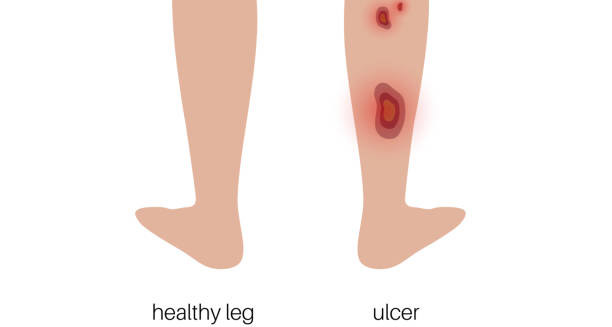
Leg ulcer is a chronic condition that refers to an open sore or break in the skin of the lower leg that fails to heal within a typical timeframe, usually around two weeks. A leg ulcer often forms because of poor blood flow, vein problems, or pressure on certain parts of the leg. These sores can be small and shallow or deep and painful. Sometimes they even reach muscle or bone. No matter how deep they are, leg ulcers always show that something is wrong with the body’s natural healing ability. Leg ulcers are more than just skin problems. They usually signal a bigger issue with blood circulation. The lower legs are especially at risk because they are far from the heart. They rely on strong veins and arteries to keep blood moving. When blood flow slows down—due to weak veins, blocked arteries, or illnesses like diabetes—the skin does not get enough oxygen or nutrients. This slows healing and raises the chance of injury or infection. Types of Leg Ulcers and Their Root Causes There are different kinds of leg ulcers. Each one has a specific cause and unique features. The most common is the venous leg ulcer. It makes up around 70% of all leg ulcer cases. This type happens when the veins in the legs do not work well. Blood pools in the lower legs, building pressure and causing swelling. This pressure breaks down the skin and soft tissues. Arterial ulcers come from poor blood flow in the arteries. They are usually linked to blocked arteries in the legs. These ulcers hurt more and heal slower than venous ones. Other kinds include diabetic ulcers, pressure sores (also called bedsores), and wounds from injuries. Each type needs a different treatment plan. Most often, a leg ulcer appears as a sore on the lower leg that won’t go away. Even with normal wound care, it stays open. The area may feel sore, swollen, discoloured, or leak fluid. In severe cases, the sore might smell bad or show signs of infection—like redness, warmth, or pus. Since these wounds last a long time, they can greatly affect a person’s life. They cause pain, reduce movement, and may lead to sadness or even depression. Diagnosing and Managing a Leg Ulcer To diagnose a leg ulcer, doctors do more than just look at the wound. They examine the area and try to find out what is causing the problem. This might include checking for weak veins or artery blockages, testing blood sugar levels, or doing a Doppler ultrasound. Knowing the exact type and cause of the ulcer is key. Proper treatment must focus on the root cause, not just cover the sore. Leg ulcer care often involves a team of experts. Treatment can include wound cleaning, using compression wraps (especially for venous ulcers), improving blood flow, and sometimes surgery. Doctors may give antibiotics to fight infection. They also guide patients on better habits like staying clean, moving more, losing weight, and quitting smoking. For people with diabetes or artery problems, keeping blood sugar in check and boosting blood flow are also vital. Prevention Tips for Leg Ulcers Stopping leg ulcers before they start is just as important as treating them. People with risks—such as varicose veins, diabetes, smoking, being overweight, or not moving much—should watch their leg health closely. They can take simple steps to help. For example, they can lift their legs during the day, wear special stockings, use lotion to keep skin soft, and eat balanced meals. These small actions can help stop new ulcers from forming or old ones from returning. Growing Concern: Overview of Leg Ulcer in the Global Population All over the world, more people now have leg ulcers. This is mainly because of older age groups and rising cases of obesity and long-term illness. Experts believe that about 1% of people in rich countries will have a leg ulcer during their lives. Older adults are most at risk, especially those over 65. Because of this, it’s more important than ever to catch the problem early and treat it quickly. Doing so helps patients feel better and also eases the pressure on hospitals and clinics. Summary and Importance of Early Action in Overview of Leg Ulcer In summary, a leg ulcer is not just a skin wound. It shows deeper health problems, especially with blood flow or sugar levels. Whether it is from vein issues, artery disease, diabetes, or pressure, each ulcer needs the right test and care plan. By learning what a leg ulcer is, spotting it early, and getting the right help, people can heal better and avoid bigger problems. Teaching the public, offering regular checks, and using full care methods are all vital steps in managing this common and serious condition. [Next: Causes of Leg Ulcer →]

Leg Ulcer Read More »

Causes of Leg Ulcer

Causes of Leg Ulcer

Causes of leg ulcer are numerous and often interconnected, involving vascular, metabolic, neurological, and external factors that impair normal skin healing. Understanding the causes of leg ulcer is crucial not only for accurate diagnosis but also for selecting effective treatments and preventing recurrence. Since the legs are farthest from the heart, any problem with blood flow, lymph drainage, or tissue repair makes this area more likely to develop ulcers. Venous and Arterial Circulation Problems The most common cause of leg ulcers is chronic venous insufficiency (CVI), responsible for about 70% of cases. In people with CVI, the leg vein valves stop working properly. This failure allows blood to flow backward and pool in the legs. As blood builds up, pressure increases in the veins, damaging the skin and tissues underneath. Over time, poor circulation causes swelling and ongoing inflammation. Eventually, the skin breaks down, leading to venous leg ulcers, usually near the inner ankle. Peripheral arterial disease (PAD) is another major contributor to the causes of leg ulcer. PAD happens when fatty buildup narrows the arteries and reduces blood flow. Unlike venous ulcers, arterial leg ulcers are often painful and found on the feet, heels, or toes. Because the blood supply is low, the skin does not get enough oxygen or nutrients to heal—especially after injuries or pressure. These ulcers are harder to treat and often affect older adults and smokers. Diabetes and Nerve Damage Diabetes plays a key role in many leg ulcers. Several changes in the body raise the risk for diabetics. High blood sugar can damage blood vessels, leading to both arterial and venous problems. In addition, diabetes can cause peripheral neuropathy, which reduces feeling in the legs and feet. This makes it harder to notice small injuries or infections. Without treatment, these can quickly turn into ulcers. Also, diabetes weakens the immune system. This slows healing and raises the risk of infection. The causes of leg ulcer in diabetic patients often involve a mix of these problems. Pressure, Trauma, and Infection Pressure ulcers form when there’s constant pressure on one part of the leg. This is common in people who are immobile or bedridden. These ulcers usually appear over bony areas like the heels. Continuous pressure cuts off blood flow in tiny vessels, causing tissue to die and form ulcers. Friction and shear—especially in older adults or those with low mobility—make this worse. Trauma also contributes to the causes of leg ulcer. This includes burns, insect bites, or injuries like cuts and bruises. While most wounds heal fast in healthy people, those with poor circulation or weak immune systems may develop chronic ulcers. Even a small scratch or tight shoes can start an ulcer when underlying problems like diabetes or varicose veins are present. In such cases, the injury begins the problem, and slow healing turns it into a lasting ulcer. Infections may also directly cause leg ulcers. While often a result of an ulcer, infections like cellulitis can also be the cause. Bacteria, fungi, or parasites may damage skin and tissue, especially in people with weak immunity. Some skin conditions like eczema or psoriasis can cause itching and scratching. This leads to broken skin and secondary infections, increasing the risk of ulcers. Other Medical Conditions Behind Ulcers Some less common but important causes of leg ulcer include autoimmune diseases like lupus or vasculitis. These conditions cause the immune system to attack the skin and blood vessels. Blood disorders, such as sickle cell disease or antiphospholipid syndrome, can reduce small blood flow and cause ulcers. Certain cancers, especially squamous cell carcinoma, may also show up as non-healing leg ulcers. In rare cases, a disease called pyoderma gangrenosum may lead to large, painful ulcers. This condition causes skin inflammation and serious sores. Lifestyle Choices That Affect Leg Ulcers Lifestyle and behaviour also affect the causes of leg ulcer. Smoking hurts blood vessels and cuts down oxygen supply. This delays healing. Obesity adds pressure and causes swelling, which raises the chance of ulcers. Standing or sitting for long periods can cause blood to pool in the legs. This is especially risky for people with weak veins. Not drinking enough water, eating poorly, and skipping basic skincare can make things worse, especially for older adults. These lifestyle issues often combine with other medical problems to create a perfect storm for leg ulcers. Mixed Causes and Lymphedema Often, more than one factor causes leg ulcers. For instance, an older person with diabetes, varicose veins, and obesity may develop a leg ulcer from poor blood flow, nerve damage, and a small injury. This mix of causes makes diagnosis and treatment more difficult. Doctors often need to check medical history, run vascular tests, do blood work, and sometimes take skin samples to understand the root of the problem. Lymphedema is another often overlooked part of the causes of leg ulcer. When the lymph system doesn’t drain fluid properly, swelling builds up. This stretches the skin, weakens it, and makes infections and ulcers more likely. Lymphedema may result from infections, surgery, radiation, or trauma, adding another layer of risk for vulnerable patients. Prevention and Final Thoughts on Causes of Leg Ulcer Preventing leg ulcers begins with dealing with the underlying causes of leg ulcer. Regular screening for vascular disease, managing diabetes, staying active, and wearing proper footwear all help. For people with past ulcers, frequent check-ups, compression stockings, and skin care routines are vital. To sum up, the causes of leg ulcer are wide-ranging and complicated. They include circulation issues, chronic diseases, injuries, pressure, infections, immune system problems, and lifestyle habits. Understanding these causes helps both doctors and patients find better treatments. Treating just the symptoms won’t work. A complete approach that fixes the root problems offers the best chance for healing and preventing future ulcers. [Next: Symptoms of Leg Ulcer →]

Causes of Leg Ulcer Read More »

Symptoms of Leg Ulcer

Symptoms of Leg Ulcer

Symptoms of leg ulcer can vary in intensity and presentation depending on the underlying cause, duration, and overall health of the individual. Recognising the symptoms of leg ulcer early is essential to prevent the wound from worsening and to allow timely treatment. Some leg ulcers might start off looking mild or not painful at all. But without care, they can get worse quickly. This may lead to infection, trouble walking, or even losing a limb in serious cases. One common symptom of leg ulcer is a sore or open wound on the lower leg, ankle, or foot. The wound usually has uneven edges and can be small or very large. The sore might look red, yellow, or black, especially if dead tissue has formed. Venous leg ulcers—most common—are usually shallow and found near the inner ankle. These sores often leak a fair amount of fluid. Arterial ulcers, on the other hand, are smaller, dry, and usually form on pressure spots like the heel or side of the foot. Pain and Discharge in Leg Ulcers Pain is another common symptom. With venous ulcers, the pain feels like a dull ache or a throbbing feeling. It tends to get worse if you stand or sit for too long. Raising the leg usually helps ease the pain. Arterial ulcers, however, cause sharp or burning pain. This pain gets worse at night or when the leg is raised, which shows poor blood flow. Diabetic ulcers are tricky. They may not hurt at all because of nerve damage. This lack of pain often causes delays in seeking treatment. Swelling in the leg, especially in venous ulcers, is also common. When veins don’t work well, blood collects in the leg. This causes fluid to leak into nearby tissues. The swelling tends to get worse as the day goes on but can improve with leg elevation or compression. Swollen skin also becomes fragile, leading to more injury and slower healing. Another sign of infection is foul-smelling pus or discharge. If pain, redness, or fever also appears, the ulcer may be infected. The fluid can be yellow, green, or brown, and the wound may also bleed. Infected ulcers often form crusts or develop soft, yellow tissue. The surrounding skin can become warm, red, and sore due to infection. Skin Changes and Other Visible Symptoms of Leg Ulcer The skin around the sore often changes colour. In venous ulcers, the skin may turn reddish-brown because of iron deposits from blood. This change may come with tight, thick, or inflamed skin, known as lipodermatosclerosis. These are signs of long-term vein problems and can mean a higher chance of new ulcers forming. Another symptom of leg ulcer is itchy or irritated skin. This can be due to eczema, which often shows up along with venous ulcers. The itching may be intense and cause scratching. Scratching breaks the skin and raises the risk of infection. Dry or flaky skin is also common and weakens the skin’s barrier even more. Some people feel muscle cramps or heavy, tired legs, especially later in the day. Standing too long can make this worse. Arterial ulcers may cause cramping while walking, known as claudication. This helps doctors tell the difference between ulcer types and guides treatment. More Symptoms of Leg Ulcer in High-Risk Groups New ulcers often appear after small injuries. A tiny scratch, insect bite, or tight shoes can lead to wounds that don’t heal. This is more likely in people with poor blood flow or nerve damage—like those with diabetes or older adults—because their skin doesn’t repair as easily. Poor circulation can also cause other signs. Hair may stop growing on the lower legs or toes. The skin may look shiny, and feet may feel cold. Toenails might become thick and brittle. Blood may also take longer to return to the skin after pressure is applied. These are serious signs that should lead to further testing of the blood vessels. When symptoms become severe, a person may have trouble walking. Pain, swelling, and dressings can make movement hard. Less movement leads to worse circulation and slower healing. This creates a harmful cycle. Mental health also suffers. People often feel depressed or anxious due to pain, smell, or shame about how the wound looks. Night-time pain—common in arterial ulcers—often eases when the leg is hung off the bed. This is a warning sign of very poor circulation. If an ulcer does not heal within four to six weeks even with proper care, it is called chronic. These need more advanced treatments. Differentiating Symptoms of Leg Ulcer from Other Conditions Some skin problems look like ulcers but are not. These include skin cancers, dermatitis, fungal infections, or immune diseases. In rare cases, an ulcer that does not heal for a long time may turn cancerous. This is called Marjolin’s ulcer and needs a biopsy and special care. Patients and doctors should watch carefully for even small changes in symptoms of leg ulcer. Look out for changes in wound colour, smell, size, fluid, or skin texture. Signs of infection, fever, chills, or a fast heartbeat need urgent treatment. In short, the symptoms of leg ulcer cover a wide range. These include open wounds, pain, swelling, skin changes, bad smells, and reduced movement. Spotting these signs early can help speed up healing, lower the risk of serious problems, and stop new ulcers from forming. Whether the ulcer is venous, arterial, diabetic, or from pressure, keeping a close eye on the symptoms of leg ulcer helps manage and treat it better. [Next: Diagnosis of Leg Ulcer →]

Symptoms of Leg Ulcer Read More »

Scroll to Top