Mental Matters

Health Conditions

Find information on various health conditions affecting people of all ages. This category covers causes, symptoms, diagnosis, and management options for physical illnesses and chronic diseases. Get insights to help you understand different health challenges and make informed decisions about your wellbeing.

Risks and Complications of Amniocentesis

Risks and Complications of Amniocentesis

Risks and Complications of Amniocentesis Although amniocentesis is a widely performed and generally safe procedure, Risks and Complications of Amniocentesis remain invasive and carry certain risks, though serious complications are rare. Most Common Risks: Risk vs Benefit The decision to have amniocentesis involves weighing the potential information gained against the minimal chance of complications. For many families, especially those at high risk of genetic conditions, the benefits outweigh the risks. Doctors in South Africa follow strict safety protocols, and highly trained specialists usually perform the procedure in private and selected public facilities. 👉 [Next: Results and What They Mean] Symptoms of Cholera Antiphospholipid Syndrome Overview The Amniocentesis Procedure Amniocentesis Overview


Risks and Complications of Amniocentesis Read More »

Amniocentesis Results and What They Mean

Amniocentesis Results and What They Mean

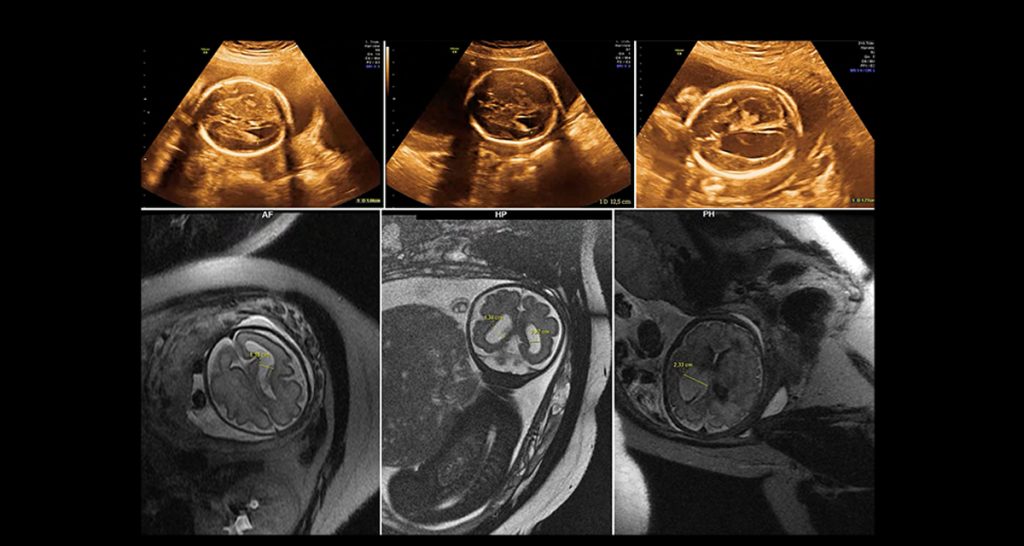
Amniocentesis Results and What They Mean Once the amniotic fluid has been analysed, results are shared within 7 to 14 days, depending on the type of testing requested. Here is a list of Amniocentesis Results and What They Mean. What the Results Can Show Interpreting the Results Your doctor or genetic counsellor will help interpret what the results mean: Emotional Impact Receiving test results can be emotionally overwhelming. Many parents experience anxiety, relief, or grief depending on the outcome. Support from counsellors, religious advisors, or mental health professionals is often essential. In South Africa, genetic counselling is becoming more widely available through academic hospitals and private providers to help families navigate decisions after testing. Amniocentesis provides clarity — but it’s just one part of the broader journey of pregnancy care and planning. 👉 End of Series | Back to Overview Dr Beigi Reconstructive surgeon Norwich Reasons and Indications for Amniocentesis Risks and Complications of Amniocentesis The Amniocentesis Procedure Amniocentesis Overview
Amniocentesis Results and What They Mean Read More »

Alzheimer’s Disease

Alzheimer’s Disease Overview

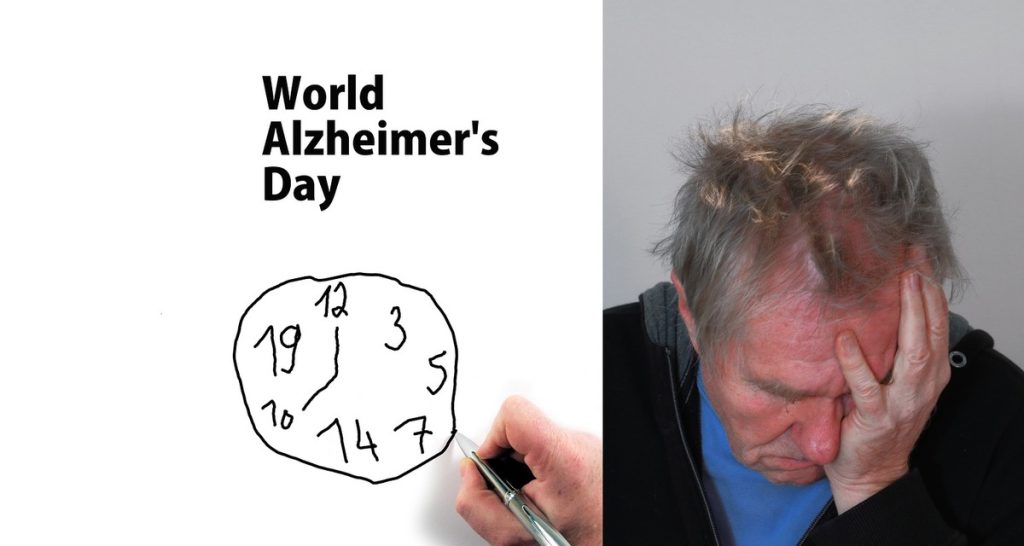
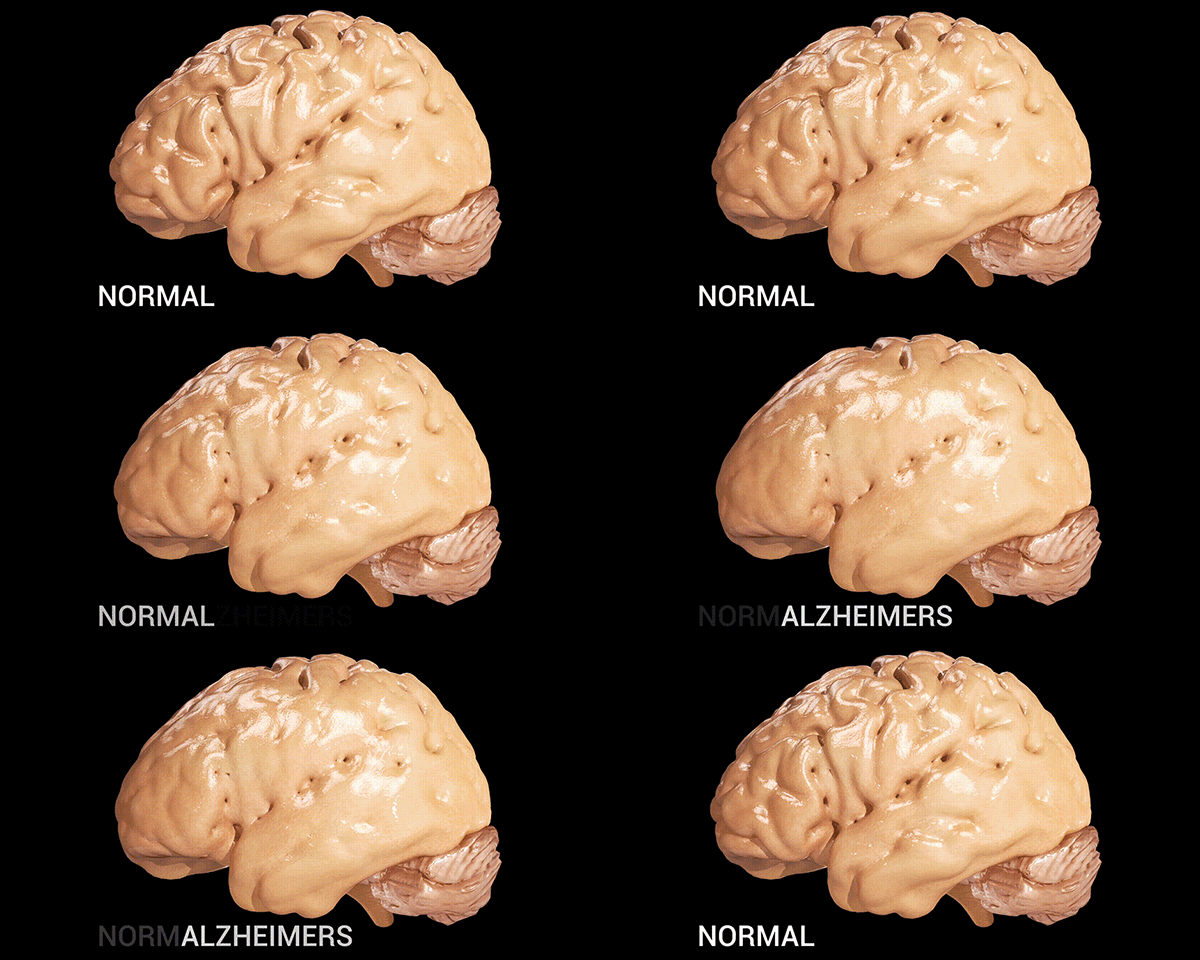
Alzheimer’s Disease Overview Alzheimer’s disease is a progressive brain disorder that gradually destroys memory, thinking skills, and the ability to carry out daily tasks. It is the most common form of dementia, accounting for up to 60–70% of all dementia cases worldwide. The condition primarily affects people over the age of 65, but early-onset cases can begin as young as 40 or 50. Dementia In South Africa, dementia is often underdiagnosed due to limited awareness and stigma. Families may attribute symptoms to “normal ageing” or spiritual beliefs, delaying medical care. Yet Alzheimer’s is a medical condition — not a normal part of ageing — and early diagnosis can help slow its progression and improve quality of life. Alzheimer’s disease develops as abnormal proteins build up in the brain, including amyloid plaques and tau tangles, which interfere with nerve signalling and eventually cause brain cells to die. The disease progresses in stages, starting with mild forgetfulness and eventually leading to severe cognitive decline and dependency on full-time care. Common early symptoms include: There is no cure for Alzheimer’s, but treatments and supportive care can help manage symptoms and improve quality of life. In the next section, we explore what causes Alzheimer’s disease and who is most at risk. 👉 [Next: Causes of Alzheimer’s Disease] Daleen Boshoff Individual & Family Counsellor Roodepoort Treatment for Alzheimer’s Disease Complications of Alzheimer’s Disease Diagnosis of Alzheimer’s Disease

Alzheimer’s Disease Overview Read More »

Causes of Alzheimer’s Disease

Causes of Alzheimer’s Disease

Causes of Alzheimer’s Disease The primary causes of alzheimer’s disease aren’t fully understood, but scientists believe it results from a complex interaction between genetics, lifestyle, and environmental factors. The disease develops slowly over time, often beginning years before symptoms appear. Key Brain Changes Risk Factors In South Africa, many older adults live in rural areas with limited access to healthcare, making it harder to identify risk factors early. However, understanding these causes can empower individuals and families to make lifestyle changes that may delay onset or slow progression. 👉 [Next: Diagnosis of Alzheimer’s Disease] Causes of Coronary Heart Disease Alzheimer’s Disease Overview Treatment for Alzheimer’s Disease Complications of Alzheimer’s Disease

Causes of Alzheimer’s Disease Read More »

Diagnosis of Alzheimer’s Disease

Diagnosis of Alzheimer’s Disease

Diagnosis of Alzheimer’s Disease The Diagnosis of Alzheimer’s Disease can be challenging, especially in the early stages when symptoms are subtle. There is no single test — diagnosis is made based on clinical evaluation, medical history, and sometimes brain imaging. Step 1: Clinical Assessment Doctors begin by assessing: They may use standardised tools such as the Mini-Mental State Examination (MMSE) or MoCA (Montreal Cognitive Assessment) to evaluate thinking and memory skills. Step 2: Medical History The doctor will ask about: Step 3: Rule Out Other Causes It’s important to exclude other conditions that may mimic Alzheimer’s: Step 4: Imaging and Lab Tests Early Diagnosis Matters Identifying Alzheimer’s early allows families to: In South Africa, public hospitals and memory clinics are increasingly offering dementia assessments, but rural access remains a challenge. Raising awareness is key to reducing delayed or missed diagnoses. 👉 [Next: Treatment for Alzheimer’s Disease] Daleen Boshoff Individual & Family Counsellor Roodepoort Causes of Alzheimer’s Disease Alzheimer’s Disease Overview Complications of Alzheimer’s Disease

Diagnosis of Alzheimer’s Disease Read More »

Treatment for Alzheimer’s Disease

Treatment for Alzheimer’s Disease

Treatment for Alzheimer’s Disease Although there is no cure for Alzheimer’s disease, Treatment for Alzheimer’s Disease can help manage symptoms, slow progression, and improve quality of life for both patients and caregivers. Medications Supportive Therapies Lifestyle Adjustments Encourage: Caregiver Support Caring for someone with Alzheimer’s is emotionally and physically demanding. Support includes: In South Africa, organisations like Dementia SA offer guidance and education for families navigating care. Access to affordable medications and social services remains a challenge, especially in low-resource areas. Let’s now explore the possible complications of Alzheimer’s disease and its long-term impact. 👉 [Next: Complications of Alzheimer’s Disease] Treatment and Recovery from Chronic Kidney Disease Causes of Alzheimer’s Disease Alzheimer’s Disease Overview Diagnosis of Alzheimer’s Disease

Treatment for Alzheimer’s Disease Read More »

Complications of Alzheimer’s Disease

Complications of Alzheimer’s Disease

Complications of Alzheimer’s Disease As Alzheimer’s disease progresses, it leads to a wide range of cognitive, physical, and behavioural complications. Complications of Alzheimer’s Disease severely affect quality of life and eventually lead to death — usually from infections or complications of immobility. Cognitive Decline Behavioural and Psychological Symptoms These changes often place a heavy emotional burden on caregivers. Physical Complications In late stages, people with Alzheimer’s become completely dependent, often bedridden and unable to eat or communicate. Cause of Death Most patients do not die from Alzheimer’s itself, but from complications such as: Emotional and Financial Toll Families often struggle with: Planning ahead, seeking professional guidance, and getting emotional support can help families manage these challenges. While Alzheimer’s cannot yet be cured, early diagnosis, proper care, and compassion can make a powerful difference. 👉 End of Series | Back to Overview Daleen Boshoff Individual & Family Counsellor Roodepoort Causes of Alzheimer’s Disease Alzheimer’s Disease Overview Treatment for Alzheimer’s Disease Diagnosis of Alzheimer’s Disease

Complications of Alzheimer’s Disease Read More »

Altitude Sickness

Altitude Sickness Overview

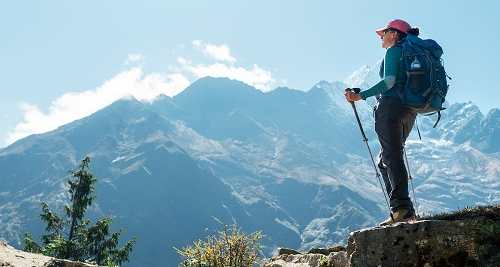
Altitude Sickness Overview Altitude sickness, also known as acute mountain sickness (AMS), is a condition that occurs when someone ascends to high altitudes too quickly, without giving the body enough time to adjust to the reduced oxygen levels. It commonly affects travellers, hikers, and climbers at elevations above 2,500 metres (8,200 feet), though some people may experience symptoms even lower. The air becomes thinner the higher you go, meaning less oxygen is available with each breath. If the body doesn’t adapt gradually, symptoms like headaches, nausea, fatigue, and dizziness can develop. These symptoms range from mild and uncomfortable to severe and life-threatening. There are three main types of altitude sickness: In South Africa, this is rarely encountered at local elevations, but it becomes a real risk when travelling to mountainous regions such as Kilimanjaro, the Drakensberg, the Himalayas, or the Andes. Even healthy and fit individuals can develop symptoms if they ascend too quickly. While mild altitude sickness usually resolves with rest or descent, severe forms require urgent medical attention. Preventing this sickness is often as simple as ascending slowly, staying hydrated, and allowing time for acclimatisation. In the next section, we’ll explore what causes this sickness and why some people are more susceptible than others. 👉 [Next: Causes of Altitude Sickness] Symptoms of Chronic Pancreatitis Complications of Altitude Sickness Treatment for Altitude Sickness Diagnosis of Altitude Sickness

Altitude Sickness Overview Read More »

Causes of Altitude Sickness

Causes of Altitude Sickness

Causes of Altitude Sickness Early causes of altitude sickness occur from rapid exposure to low oxygen levels at higher elevations. As altitude increases, air pressure drops, reducing the amount of oxygen available for the body to use. This drop in oxygen is called hypoxia, and it affects how the brain, lungs, and muscles function. The Role of Acclimatisation Your body can adapt to high altitudes — a process known as acclimatisation. This involves: However, these adaptations take several days. When you ascend too fast, your body doesn’t have time to respond, resulting in altitude sickness. Common Triggers Risk Factors Interestingly, the speed of ascent is often more important than the absolute altitude. Someone hiking slowly up a mountain may stay healthy, while another who drives or flies to the same height in hours could become seriously ill. Understanding what causes altitude sickness can help prevent it. Let’s now look at how to identify the symptoms early. 👉 [Next: Diagnosis of Altitude Sickness] Treatment of Carbon Monoxide Poisoning Treatment for Altitude Sickness Altitude Sickness Overview

Causes of Altitude Sickness Read More »

Diagnosis of Altitude Sickness

Diagnosis of Altitude Sickness

Diagnosis of Altitude Sickness Primarily, the diagnosis of altitude sickness is based on symptoms and recent travel history. There are no blood tests or scans required in most cases — the diagnosis is clinical, based on what the patient feels and how recently they ascended to a higher altitude. Key Symptoms of Acute Mountain Sickness (AMS): These usually begin 6 to 24 hours after arriving at altitude and may worsen overnight. Red Flags for Severe Forms: These are life-threatening emergencies that require immediate descent and medical care. Diagnostic Tools in the Field In high-altitude settings, healthcare providers or guides may use: No imaging or lab work is needed unless complications arise. If you’re planning a trip to a high-altitude location — like Mount Kilimanjaro or the Andes — being aware of these symptoms could help you or your group identify the condition early and take action before it escalates. 👉 [Next: Treatment for Altitude Sickness] Symptoms of Concussion Complications of Altitude Sickness Causes of Altitude Sickness Altitude Sickness Overview

Diagnosis of Altitude Sickness Read More »

Scroll to Top