Mental Matters

Health Conditions

Find information on various health conditions affecting people of all ages. This category covers causes, symptoms, diagnosis, and management options for physical illnesses and chronic diseases. Get insights to help you understand different health challenges and make informed decisions about your wellbeing.

Treatment for Altitude Sickness

Treatment for Altitude Sickness

Treatment for Altitude Sickness Treatment for altitude sickness depends on the severity of symptoms. Mild cases can often be managed with rest and hydration, while severe cases may require emergency descent and oxygen therapy. Mild to Moderate AMS The first step is to: If symptoms improve after 24–48 hours, you may be able to continue ascending — but only slowly and cautiously. Medications may help: Severe AMS, HACE, or HAPE For life-threatening forms of altitude sickness: Additional medications include: People should use these only under medical supervision or with trained guides in remote settings. In South Africa, altitude sickness may not be common locally, but South African travellers frequently experience it abroad. Pre-travel consultations with travel clinics can help with prevention planning and medication. 👉 [Next: Complications of Altitude Sickness] Treatment of Concussion Causes of Altitude Sickness Diagnosis of Altitude Sickness Altitude Sickness Overview

Treatment for Altitude Sickness Read More »

Complications of Altitude Sickness

Complications of Altitude Sickness

Complications of Altitude Sickness While mild altitude sickness is temporary, Complications of Altitude Sickness can become life-threatening without prompt treatment. Complications affect the brain, lungs, and overall function, especially at altitudes over 3,500 metres. 1. High-Altitude Cerebral Oedema (HACE) This is swelling of the brain due to fluid leakage from blood vessels. If untreated, it can lead to: It is often preceded by AMS symptoms that worsen, such as severe headache and confusion. 2. High-Altitude Pulmonary Oedema (HAPE) This occurs when fluid builds up in the lungs, severely impairing oxygen exchange. It can develop quickly and may be fatal. Signs include: Even physically fit individuals are at risk. Immediate descent is crucial. 3. Long-Term Effects Though rare, recurring exposure to high altitudes without proper acclimatisation may lead to: 4. Accidents and Injury Confusion, dizziness, and poor decision-making at altitude can lead to falls, accidents, or getting lost — especially in remote hiking environments. Prevention Is Key Most complications are entirely preventable. Ascending slowly, recognising early symptoms, and knowing when to descend are the most effective strategies. South African and international trekking groups often include trained guides to help monitor climbers and manage risk. Education, preparation, and awareness make all the difference. 👉 End of Series | Back to Overview Acute Respiratory Distress Syndrome Causes of Altitude Sickness Treatment for Altitude Sickness Diagnosis of Altitude Sickness Altitude Sickness Overview
Complications of Altitude Sickness Read More »

Allergic Rhinitis

Allergic Rhinitis

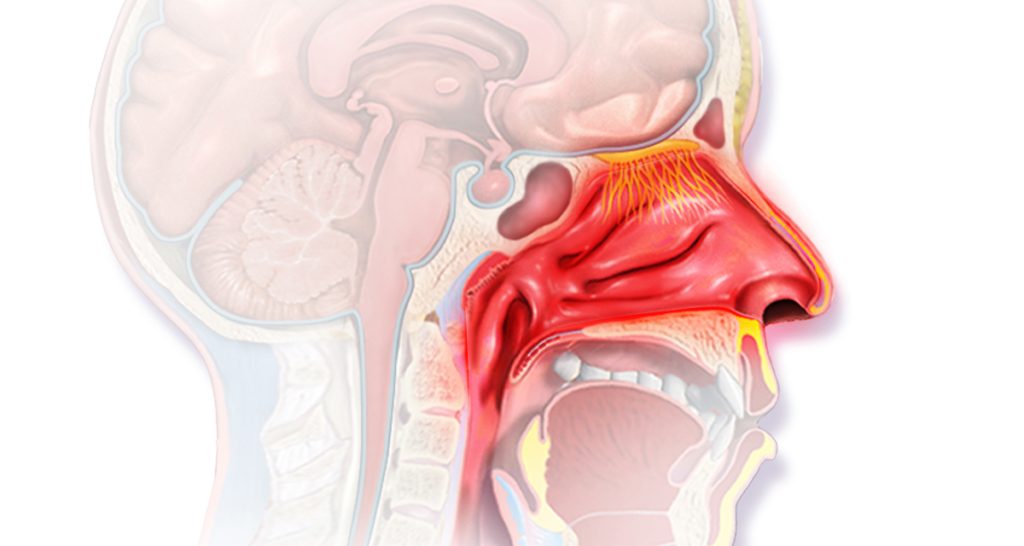
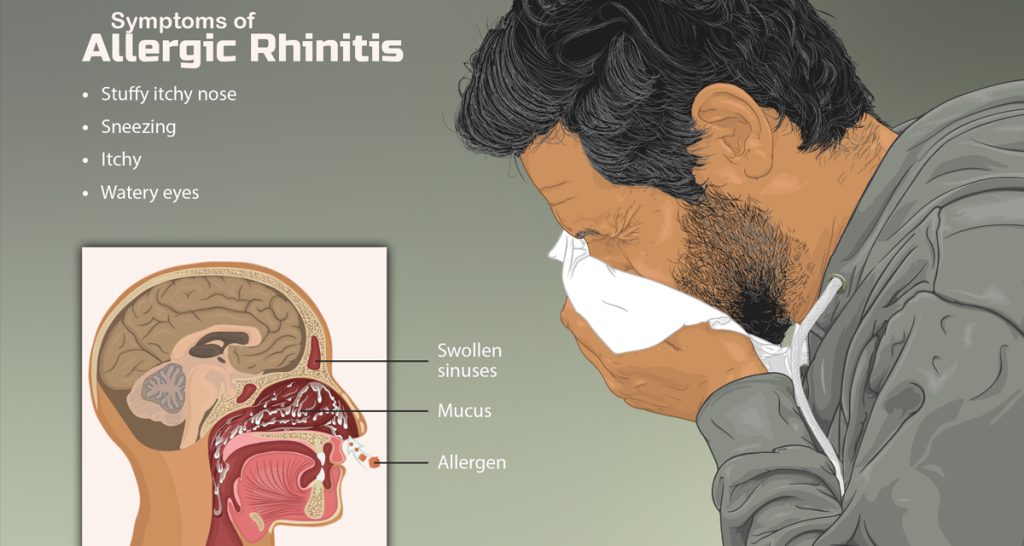
Allergic Rhinitis Overview Allergic Rhinitis, commonly referred to as hay fever, is an allergic reaction that affects the nose and sinuses. It occurs when the immune system overreacts to airborne allergens such as pollen, dust mites, mould spores, or animal dander. These allergens trigger inflammation in the nasal passages, leading to symptoms that can significantly disrupt daily life. In South Africa, allergic rhinitis is widespread and often seasonal, particularly during spring and early summer when pollen levels rise. However, some people experience year-round symptoms due to indoor allergens like pet hair or dust. Common symptoms include: While not life-threatening, this can affect productivity, school performance, and overall quality of life. It is also associated with asthma and eczema, forming part of the “atopic triad.” The condition is usually divided into: Fortunately, this is manageable with lifestyle adjustments, medication, and allergy avoidance strategies. In the next section, we’ll explore the causes and triggers that set off this immune response. 👉 [Next: Causes of Allergic Rhinitis] Dr Sharon Williams Ear Nose & Throat Specialist Foreshore Treatment for Allergic Rhinitis Complications of Allergic Rhinitis Diagnosis of Allergic Rhinitis

Allergic Rhinitis Read More »

Causes of Allergic Rhinitis

Causes of Allergic Rhinitis

Causes of Allergic Rhinitis Early Causes of Allergic Rhinitis occur when the immune system identifies a harmless substance — such as pollen or dust — as a threat and reacts by releasing histamines and other chemicals. These cause inflammation in the nasal passages and the classic hay fever symptoms. Common Allergens Risk Factors Certain individuals are more likely to develop allergic rhinitis: In South Africa, wind-pollinated grasses and indigenous trees like Acacia and Oak are major contributors to seasonal flare-ups, while homes with poor ventilation or high humidity foster dust mites and mould growth. Additionally, air pollution and tobacco smoke can irritate the nasal lining and worsen symptoms — even if not allergens themselves. Understanding your specific triggers is essential for effective treatment. Let’s explore how allergic rhinitis is diagnosed and how allergy testing can identify what’s causing your symptoms. 👉 [Next: Diagnosis of Allergic Rhinitis] Dr Sharon Williams Ear Nose & Throat Specialist Foreshore Treatment for Allergic Rhinitis Complications of Allergic Rhinitis Allergic Rhinitis

Causes of Allergic Rhinitis Read More »

Diagnosis of Allergic Rhinitis

Diagnosis of Allergic Rhinitis

Diagnosis of Allergic Rhinitis With the Diagnosis of Allergic Rhinitis, it is important to start with a detailed history and physical examination. Since many of its symptoms overlap with colds, sinus infections, or flu, identifying an allergic pattern is key. Key Questions a Doctor May Ask: Physical Signs During an exam, your doctor may observe: Allergy Testing If symptoms are persistent or unclear, the following tests may be performed: Both tests help identify the specific allergens triggering your symptoms, allowing for more targeted treatment or allergen avoidance. In South Africa, allergy testing is available through private specialists and some public clinics, although access may vary by province. Accurate diagnosis helps rule out other conditions like non-allergic rhinitis, chronic sinusitis, or nasal polyps. Once a diagnosis is confirmed, a personalised treatment plan can be developed. 👉 [Next: Treatment for Allergic Rhinitis] Causes of Allergic Rhinitis Dr Sharon Williams Ear Nose & Throat Specialist Foreshore Allergic Rhinitis Complications of Allergic Rhinitis

Diagnosis of Allergic Rhinitis Read More »

Treatment for Allergic Rhinitis

Treatment for Allergic Rhinitis

Treatment for Allergic Rhinitis Treatment for allergic rhinitis focuses on reducing symptoms, improving quality of life, and preventing complications. A combination of avoidance, medication, and lifestyle changes usually offers the best results. Allergen Avoidance The first step is to identify and avoid your triggers: Medications Over-the-counter and prescription medications are widely available in South Africa and globally: Immunotherapy (Allergy Shots or Drops) For moderate to severe cases, immunotherapy may be recommended. This involves regular exposure to small doses of allergens to “desensitise” the immune system over time. It can reduce symptoms long-term and is available through allergists in South Africa. Additional Support Treatment must be consistent — many people feel better within days of starting proper medication, but long-term relief comes with ongoing care. 👉 [Next: Complications of Allergic Rhinitis] Chest and Allergy Centre Cape Town City Centre Allergic Rhinitis Nicola Spray – Senior Speech and Language Therapist – London Diagnosis of Allergic Rhinitis

Treatment for Allergic Rhinitis Read More »

Complications of Allergic Rhinitis

Complications of Allergic Rhinitis

Complications of Allergic Rhinitis While allergic rhinitis is not life-threatening, it can cause chronic discomfort and health complications if left untreated. Over time, inflammation in the nasal passages can spread or lead to secondary issues. Common Complications Emotional and Psychological Impact Living with persistent symptoms can lead to: Prevention and Management The best way to prevent complications is early and consistent treatment. If symptoms are seasonal, start treatment 2–3 weeks before the expected onset. If they’re year-round, regular check-ins with a GP or allergist are advised. In South Africa, pharmacies and clinics are often the first point of contact. Education campaigns and affordable access to antihistamines are helping reduce the long-term burden of allergic rhinitis — but awareness remains key. 👉 End of Series | Back to Overview Causes of Allergic Rhinitis Dr Sharon Williams Ear Nose & Throat Specialist Foreshore Treatment for Allergic Rhinitis Diagnosis of Allergic Rhinitis

Complications of Allergic Rhinitis Read More »

Alkaptonuria

Alkaptonuria

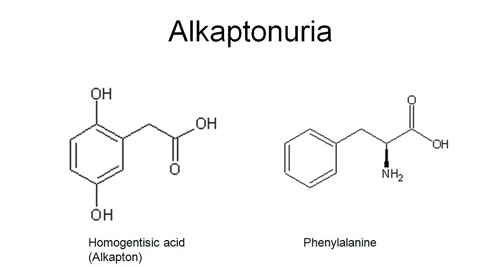
An Overview of Alkaptonuria Alkaptonuria is a rare genetic metabolic disorder that affects how the body breaks down two specific amino acids — tyrosine and phenylalanine. It occurs due to a mutation in the HGD gene, which leads to a deficiency in an enzyme called homogentisate 1,2-dioxygenase. Without this enzyme, a substance called homogentisic acid (HGA) builds up in the body. Excess HGA Accumalations Over time, excess HGA accumulates in connective tissues such as cartilage, tendons, and skin — a process known as ochronosis. This causes these tissues to darken and become brittle, eventually leading to joint pain, arthritis, and other complications. The condition also causes urine to darken when left standing, often the first noticeable sign in infancy. Though alkaptonuria is rare globally, its symptoms can have a major impact on quality of life. It is inherited in an autosomal recessive pattern, meaning both parents must carry the defective gene for a child to develop the condition. Carriers usually show no symptoms. Hidden in Age In South Africa, as in many parts of the world, diagnosis may be delayed due to its rarity. Many people are not diagnosed until adulthood, when joint pain or spinal stiffness begins. There is no known cure, but early recognition, lifestyle adjustments, and supportive care can significantly slow progression and improve comfort. In the next section, we’ll explore the causes and genetics of alkaptonuria in more detail. 👉 [Next: Causes of Alkaptonuria] Bladder Stones Treatment for Alkaptonuria Diagnosis of Alkaptonuria Complications of Alkaptonuria

Alkaptonuria Read More »

Causes of Alkaptonuria

Causes of Alkaptonuria

Causes of Alkaptonuria Early Causes of Alkaptonuria are commonly due to mutations in the HGD gene, located on chromosome 3. This gene provides instructions for producing the homogentisate 1,2-dioxygenase enzyme, which plays a critical role in breaking down the amino acids tyrosine and phenylalanine. When this enzyme is absent or malfunctioning, homogentisic acid (HGA) cannot be processed and starts to accumulate in the body. Genetic Inheritance Alkaptonuria follows an autosomal recessive inheritance pattern. This means: Because it is recessive, alkaptonuria often goes unnoticed in families until a child develops symptoms. Homogentisic Acid and Ochronosis The excessive HGA that builds up over time is deposited in bones, cartilage, and connective tissues. Additionally, this pigment-like substance causes a bluish-black discolouration known as ochronosis, particularly visible in ear cartilage, eye whites (sclera), and skin folds. Over decades, this deposition leads to joint stiffness, spinal degeneration, and early-onset osteoarthritis. Global and Local Prevalence Alkaptonuria is extremely rare, affecting roughly 1 in 250,000 to 1 in 1 million people worldwide. Furthermore, while cases in South Africa are rare, underdiagnosis is possible due to a lack of awareness. Research suggests it may be more common in certain populations, such as in Slovakia or parts of the Dominican Republic, where gene mutations have been passed through generations. Although it’s a lifelong condition, understanding its genetic basis allows for earlier recognition. Furthermore, genetic counselling, and planning supportive care strategies. 👉 [Next: Diagnosis of Alkaptonuria] Diagnosis of Chronic Pancreatitis Treatment for Alkaptonuria Complications of Alkaptonuria Alkaptonuria

Causes of Alkaptonuria Read More »

Diagnosis of Alkaptonuria

Diagnosis of Alkaptonuria

Diagnosis of Alkaptonuria Diagnosis of Alkaptonuria can be challenging, especially because early symptoms are mild or nonspecific. However, a darkening of the urine — often noted in infancy or childhood — is usually the first sign. If left undiagnosed, symptoms progress and become more noticeable in adulthood. Clinical Signs Doctors may suspect alkaptonuria if a patient presents with: Urine Testing A simple urine test can detect elevated levels of homogentisic acid. When urine is exposed to air, HGA oxidises and turns dark — a tell-tale sign. A more precise test involves gas chromatography–mass spectrometry (GC-MS), which accurately measures HGA levels in urine. Genetic Testing Confirmation of the diagnosis can be done through DNA testing, identifying mutations in the HGD gene. This may also assist in identifying carriers within a family and guide future family planning. Imaging and Joint Assessment For adults of all ages with joint pain across the body, imaging such as X-rays or MRI scans may reveal signs of spinal degeneration or cartilage damage. While these are not specific to alkaptonuria, they support the diagnosis when combined with urine tests. In South Africa, testing may be limited in some state facilities, but specialist referral is possible through major academic hospitals and genetics clinics. Early diagnosis allows for monitoring and intervention before irreversible joint damage sets in. Related Topics Alkaptonuria testing, Urine test for alkaptonuria, Genetic testing, HGA levels, Metabolic disorder diagnosis, Black urine diagnosis, Rare disease screening, Early detection, Alkaptonuria symptoms, Ochronosis diagnosis, Enzyme deficiency test, Genetic disorder identification 👉 [Next: Treatment for Alkaptonuria] Happy Thoughts Fix Everything? Ask My Friend Causes of Alkaptonuria Complications of Alkaptonuria Alkaptonuria

Diagnosis of Alkaptonuria Read More »

Scroll to Top