Treatment for Alkaptonuria
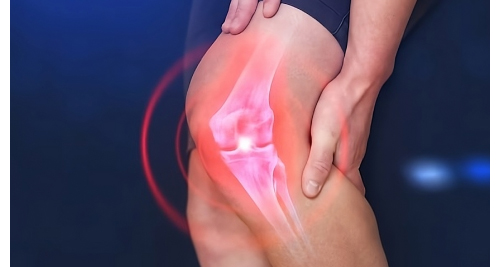
Treatment for Alkaptonuria There is no cure for alkaptonuria, but treatment focuses on managing symptoms, slowing disease progression, and improving quality of life. With early intervention and a proactive approach, many individuals can live full and active lives. Lifestyle and Physical Management One of the most effective ways to manage the condition is to maintain joint flexibility and strength: Patients should avoid high-impact activities that may worsen joint wear. Pain Management and Joint Support Pain relief may include: In advanced stages, joint replacement surgery may be needed, especially for hips or knees. Nutritional and Medical Management Some doctors recommend a low-protein diet to reduce intake of phenylalanine and tyrosine, though the benefit is still under study. A drug called nitisinone has shown promise in reducing HGA levels by blocking an earlier step in the metabolic pathway. However, it is still under evaluation for long-term safety and is not yet widely available in South Africa. Vitamin C may be prescribed in some cases to reduce pigment deposition, though its effectiveness is debated. Mental Health and Support Chronic conditions like alkaptonuria can affect mental well-being. Counselling and support groups may help individuals cope with pain, physical limitations, and the emotional aspects of living with a rare disease. Treatment plans should be tailored to each patient, with regular check-ups and coordinated care among specialists such as rheumatologists. Additionally, geneticists, and orthopaedic surgeons. Related Topics Alkaptonuria management, Nitisinone therapy, Alkaptonuria medication, Low-protein diet, Joint pain relief, Alkaptonuria treatment options, Ochronosis treatment, Alkaptonuria care, Metabolic disorder therapy, Rare disease treatment, Alkaptonuria support, Genetic disorder treatment 👉 [Next: Complications of Alkaptonuria] Treatment and Lifestyle Strategies of Adult ADHD Causes of Alkaptonuria Alkaptonuria Diagnosis of Alkaptonuria