Mental Matters

Health Conditions

Find information on various health conditions affecting people of all ages. This category covers causes, symptoms, diagnosis, and management options for physical illnesses and chronic diseases. Get insights to help you understand different health challenges and make informed decisions about your wellbeing.

Symptoms and Warning Signs of Adenomyosis

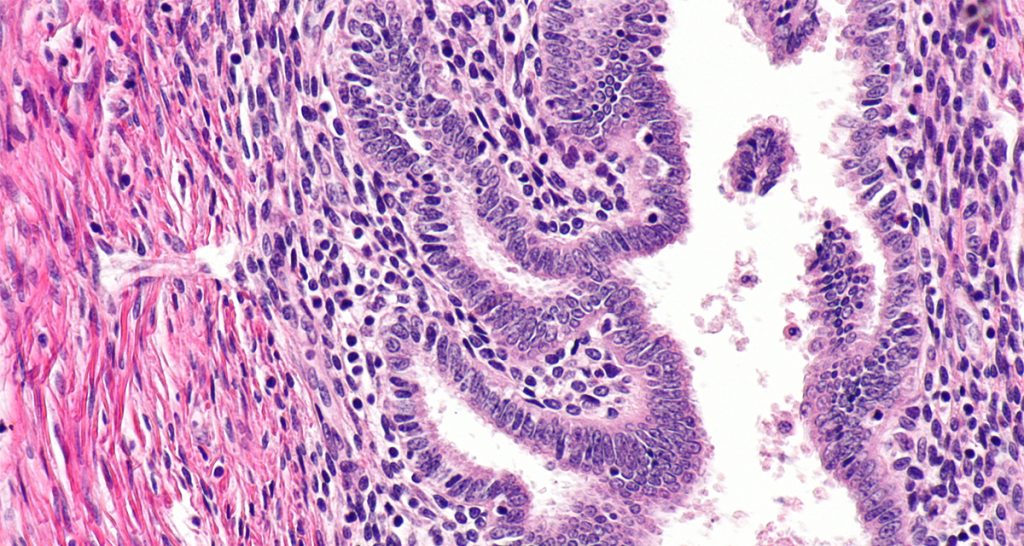
Symptoms and Warning Signs of Adenomyosis Adenomyosis symptoms can range from mild to severe, and in some cases, women may have no symptoms at all. Most Common Symptoms When to Seek Help If your periods are affecting your daily life or you’re experiencing chronic pelvic pain, it’s worth seeing a GP or gynaecologist. In South Africa’s public sector, long waits can delay diagnosis, so be specific about your symptoms when seeking care. Symptoms and Warning Signs of Adenomyosis. Some women with adenomyosis are misdiagnosed with fibroids, as both conditions may cause an enlarged uterus and bleeding. However, treatment options differ, so accurate diagnosis is important. 🔹 Next → [Diagnosis and Medical Imaging for Adenomyosis] Treatment Options for Adenomyosis Causes and Risk Factors of Adenomyosis Living With Adenomyosis – Support and Lifestyle Tips Adenomyosis
Symptoms and Warning Signs of Adenomyosis Read More »

Diagnosis and Medical Imaging of Adenomyosis

Diagnosis and Medical Imaging of Adenomyosis

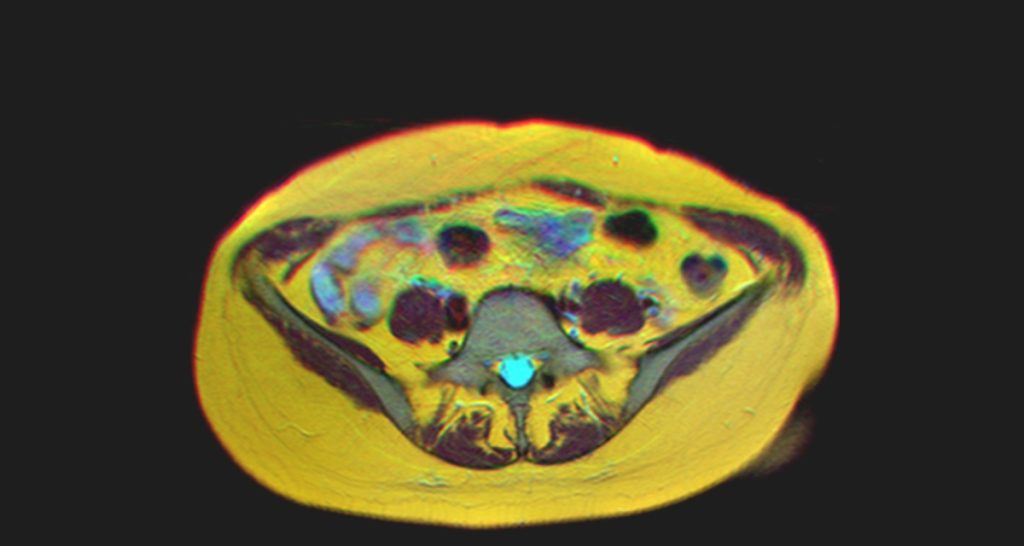
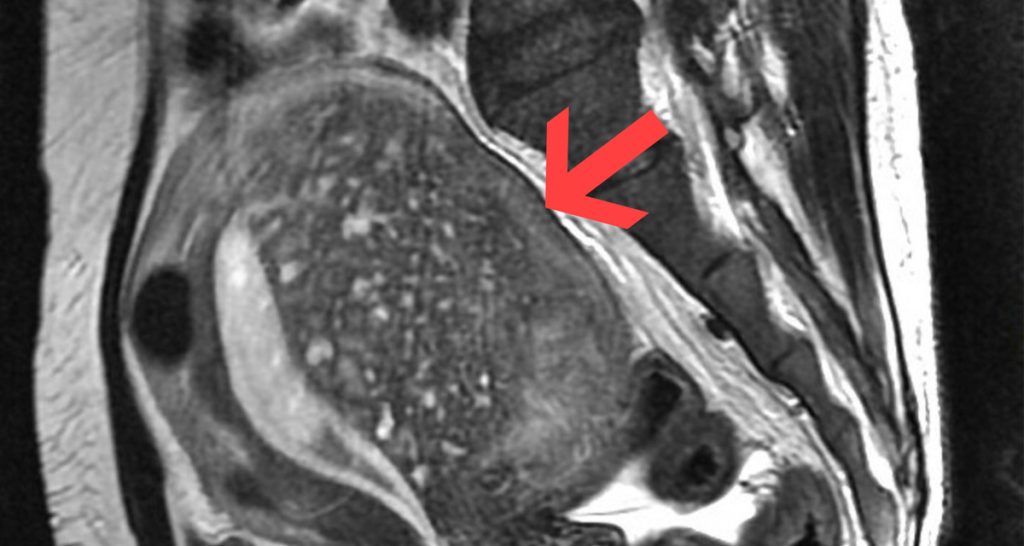
Diagnosis and Medical Imaging of Adenomyosis Diagnosing adenomyosis can be difficult because its symptoms mimic those of other uterine conditions. However, with improved imaging tools, non-invasive diagnosis is now more accessible. Diagnostic Steps Diagnosis and Medical Imaging of Adenomyosis In some public hospitals, diagnosis may only be confirmed after a hysterectomy, which is not ideal. Increasing awareness and imaging skills among GPs and sonographers can help with earlier, non-surgical diagnosis. 🔹 Next → [Treatment Options for Adenomyosis] Symptoms and Warning Signs of Adenomyosis Adenomyosis Living With Adenomyosis – Support and Lifestyle Tips Causes and Risk Factors of Adenomyosi

Diagnosis and Medical Imaging of Adenomyosis Read More »

Treatment Options for Adenomyosis

Treatment Options for Adenomyosis

Treatment Options for Adenomyosis. Treatment for adenomyosis depends on symptom severity, age, and desire for future pregnancies. There is no permanent cure other than hysterectomy, but many medical and surgical treatments can manage symptoms effectively. Medical Management Treatment Options for Adenomyosis Surgical Options In South Africa, access to all treatments varies by location. In the public system, options may be limited to pain control and eventual hysterectomy, while private sector patients may access a wider range of interventions. 🔹 Next → [Living With Adenomyosis – Support and Lifestyle Tips] Symptoms and Warning Signs of Adenomyosis Diagnosis and Medical Imaging of Adenomyosis Adenomyosis Causes and Risk Factors of Adenomyosis

Treatment Options for Adenomyosis Read More »

Living With Adenomyosis

Living With Adenomyosis – Support and Lifestyle Tips

Living With Adenomyosis Though chronic, adenomyosis can be effectively managed. Many women live full lives with the right combination of treatment, support, and self-care. Tips for Better Management Living With Adenomyosis Mental Health Matters Chronic pelvic pain and fatigue can lead to depression or anxiety. Seek support from a therapist or your GP if you’re struggling. Many women feel validated and empowered after finally getting a diagnosis—so don’t ignore your symptoms. With awareness increasing, more healthcare providers are becoming familiar with adenomyosis, but self-advocacy remains essential. Treatment Options for Adenomyosis Symptoms and Warning Signs of Adenomyosis Diagnosis and Medical Imaging of Adenomyosis Adenomyosis Causes and Risk Factors of Adenomyosis

Living With Adenomyosis – Support and Lifestyle Tips Read More »

Acute Respiratory Distress Syndrome

Acute Respiratory Distress Syndrome

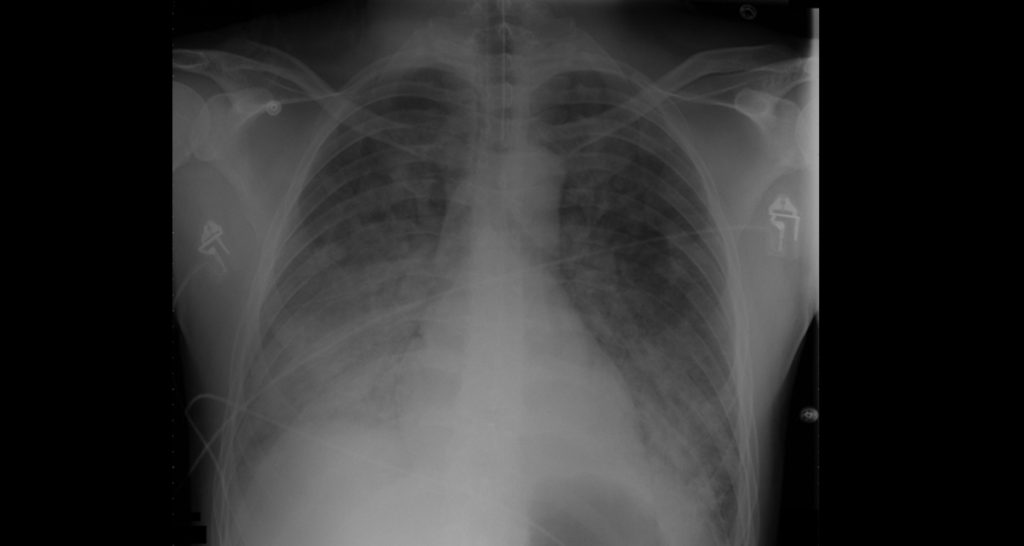
Acute Respiratory Distress Syndrome (ARDS) is a life-threatening lung condition in which the lungs suddenly become severely inflamed, making it extremely difficult for oxygen to pass into the bloodstream. It typically develops as a complication of another serious illness or injury, such as pneumonia, trauma, or sepsis. In ARDS, the small air sacs in the lungs — called alveoli — fill with fluid, drastically reducing lung function. Oxygen levels in the blood plummet, leading to organ failure if not treated urgently. Why It Matters ARDS is a major cause of admission to intensive care units (ICUs) worldwide, and its presence often signals a critical phase in a patient’s illness. During the COVID-19 pandemic, ARDS became a headline condition due to its role in severe respiratory failure. Acute Respiratory Distress Syndrome In South Africa, limited ICU resources and delayed recognition in rural settings can affect outcomes. Still, early diagnosis and advanced supportive care improve survival. Key Features: 🔹 Next → [Causes and Risk Factors of ARDS] North Glasgow Psychology Practice Diagnosis and Treatment of ARDS Symptoms and Early Warning Signs of ARDS Complications and Recovery of ARDS

Acute Respiratory Distress Syndrome Read More »

Causes and Risk Factors of ARDS

Causes and Risk Factors of ARDS

Causes and Risk Factors of ARDS ARDS is not a disease, but a syndrome — a group of symptoms triggered by an underlying event that causes widespread inflammation in the lungs. Common Causes of ARDS In South Africa, common contributors include tuberculosis (TB) complications, HIV-related infections, and motor vehicle trauma. Risk Factors Causes and Risk Factors of ARDS Anyone who is critically ill or injured can develop ARDS, but those with pre-existing respiratory or immune conditions are more vulnerable. 🔹 Next → [Symptoms and Early Warning Signs of ARDS] Complications and Recovery from Chest Infection Acute Respiratory Distress Syndrome Diagnosis and Treatment of ARDS Complications and Recovery of ARDS

Causes and Risk Factors of ARDS Read More »

Symptoms and Early Warning Signs of ARDS

Symptoms and Early Warning Signs of ARDS

Symptoms and Early Warning Signs of ARDS ARDS typically develops within hours to a few days of the triggering event. The symptoms worsen rapidly and are always considered a medical emergency. Main Symptoms Hospital Indicators In hospitalised patients, ARDS is often detected by: In South African clinics, the presence of rapid breathing, confusion, and low oxygen saturation on a pulse oximeter should trigger referral to higher care. Symptoms and Early Warning Signs of ARDS Special Considerations 🔹 Next → [Diagnosis and Treatment of ARDS] The “Should I Be Worried?” Feeling: Depression Warning Signs Causes and Risk Factors of ARDS Acute Respiratory Distress Syndrome Complications and Recovery of ARDS

Symptoms and Early Warning Signs of ARDS Read More »

Diagnosis and Treatment of ARDS

Diagnosis and Treatment of ARDS

Diagnosis and Treatment of ARDS Diagnosis ARDS is diagnosed through a combination of clinical observation and tests: ARDS is defined by the Berlin Criteria, which includes: Treatment There is no specific cure for ARDS. Treatment focuses on supportive care while the lungs heal. 1. Mechanical Ventilation 2. Oxygen Therapy 3. Treating Underlying Cause 4. Other Support Diagnosis and Treatment of ARDS In South Africa, only major public or private hospitals offer full ICU support. Rapid referral from district to tertiary care is vital. 🔹 Next → [Complications and Recovery from ARDS] Causes of Carbon Monoxide Poisoning Causes and Risk Factors of ARDS Acute Respiratory Distress Syndrome Symptoms and Early Warning Signs of ARDS

Diagnosis and Treatment of ARDS Read More »

Complications and Recovery of ARDS

Complications and Recovery of ARDS

Complications and Recovery of ARDS Complications of ARDS Even with treatment, ARDS carries a high risk of complications due to oxygen deprivation and inflammation. Mortality rates vary depending on the cause. With COVID-19, for example, ARDS-related death rates ranged from 30–50%. Recovery Some patients recover fully within weeks, while others may take months or have long-term breathing difficulties. Post-ARDS Follow-Up Care In South Africa, follow-up after ICU is inconsistent, especially in public sector settings. Families and GPs need to monitor survivors closely. Complications and Recovery of ARDS Long-Term Outlook Complications and Recovery from a Broken Nose Causes and Risk Factors of ARDS Acute Respiratory Distress Syndrome Diagnosis and Treatment of ARDS Symptoms and Early Warning Signs of ARDS

Complications and Recovery of ARDS Read More »

Acute Lymphoblastic Leukaemia

Acute Lymphoblastic Leukaemia

Acute Lymphoblastic Leukaemia Acute Lymphoblastic Leukaemia (ALL) is a fast-growing cancer of the blood and bone marrow that primarily affects white blood cells known as lymphoblasts. Unlike chronic leukaemia, which progresses slowly, ALL develops suddenly and aggressively, requiring urgent diagnosis and treatment. ALL is the most common cancer in children, but it also affects adults, especially those over 65. In South Africa, where access to haematology services may vary between rural and urban settings, early detection remains critical to saving lives. What Happens in ALL? In ALL, the bone marrow produces abnormal lymphocytes in large quantities. These immature cells crowd out healthy cells, leading to a shortage of red cells, platelets, and normal white cells. The result is a combination of anaemia, bleeding problems, and infections. Fast Facts: Globally, ALL has high survival rates in children (80–90%) with proper treatment. In South Africa, public healthcare challenges can affect outcomes, but strides in paediatric oncology and NGO partnerships continue to improve care access. 🔹 Next → [Causes and Risk Factors of ALL] White House Clinic – Doncaster Physiotherapy Symptoms and Warning Signs of Acute Lymphoblastic Leukaemia Complications and Recovery Outlook of Acute Lymphoblastic Leukaemia Diagnosis and Treatment of Acute Lymphoblastic Leukaemia

Acute Lymphoblastic Leukaemia Read More »

Scroll to Top