Mental Matters

Health Conditions

Find information on various health conditions affecting people of all ages. This category covers causes, symptoms, diagnosis, and management options for physical illnesses and chronic diseases. Get insights to help you understand different health challenges and make informed decisions about your wellbeing.

Causes and Risk Factors of Acute Lymphoblastic Leukaemia

Causes and Risk Factors of Acute Lymphoblastic Leukaemia

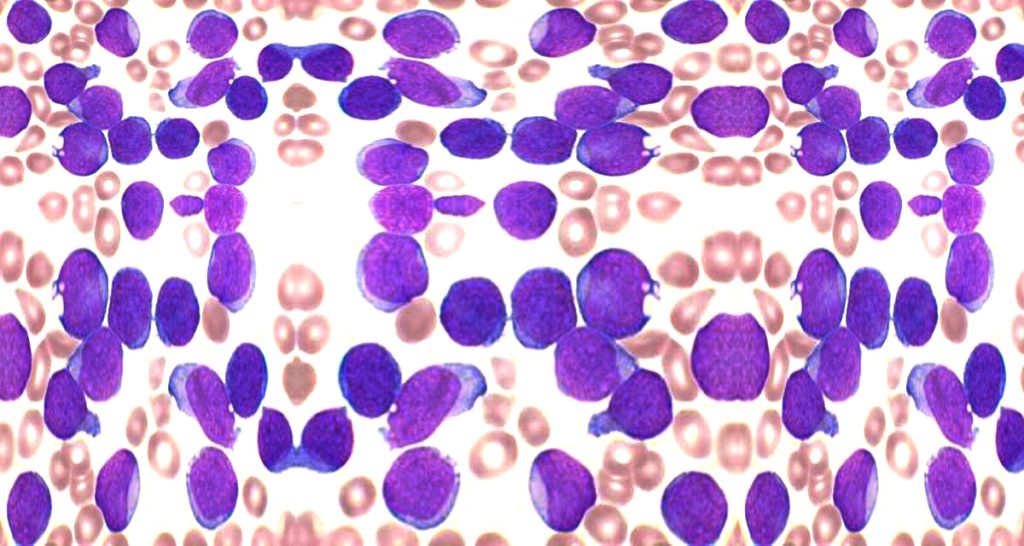
Causes and Risk Factors of Acute Lymphoblastic Leukaemia The exact cause of ALL remains largely unknown, but research points to genetic mutations and environmental exposures as contributing factors. Causes ALL begins when a DNA mutation occurs in a single lymphoid stem cell in the bone marrow. This abnormality causes the cell to multiply uncontrollably and fail to mature. The exact trigger for this mutation isn’t always clear, but several associations have been identified. Risk Factors 1. Age and Gender 2. Genetic Conditions 3. Radiation and Chemical Exposure 4. Infections and Viruses Causes and Risk Factors of Acute Lymphoblastic Leukaemia. In South Africa, urban pollution, informal industry exposure, and limited antenatal testing for genetic disorders may increase the risk but remain underreported. Importantly, ALL is not contagious and most cases arise without any known cause. For affected families, understanding the unpredictable nature of ALL can help reduce stigma and guilt. 🔹 Next → [Symptoms and Warning Signs of ALL] Causes of Cancer Acute Lymphoblastic Leukaemia Complications and Recovery Outlook of Acute Lymphoblastic Leukaemia Diagnosis and Treatment of Acute Lymphoblastic Leukaemia

Causes and Risk Factors of Acute Lymphoblastic Leukaemia Read More »

Symptoms and Warning Signs of Acute Lymphoblastic Leukaemia

Symptoms and Warning Signs of Acute Lymphoblastic Leukaemia

Symptoms and Warning Signs of Acute Lymphoblastic Leukaemia ALL progresses rapidly, and symptoms usually appear suddenly over days or weeks. They reflect the disruption of normal blood cell production in the bone marrow. Common Symptoms In children, these symptoms may be mistaken for common illnesses like flu or growing pains, delaying diagnosis. In South African clinics, where resources are stretched, simple blood tests such as a full blood count (FBC) can provide the first clue. Emergency Symptoms Any combination of persistent fatigue, infections, and bruising in a child or adult should prompt urgent medical attention. 🔹 Next → [Diagnosis and Treatment of ALL] The “Should I Be Worried?” Feeling: Depression Warning Signs Acute Lymphoblastic Leukaemia Complications and Recovery Outlook of Acute Lymphoblastic Leukaemia Causes and Risk Factors of Acute Lymphoblastic Leukaemia

Symptoms and Warning Signs of Acute Lymphoblastic Leukaemia Read More »
Diagnosis and Treatment of Acute Lymphoblastic Leukaemia

Diagnosis and Treatment of Acute Lymphoblastic Leukaemia

Diagnosis and Treatment of Acute Lymphoblastic Leukaemia Diagnosis Diagnosing ALL involves several tests: In South Africa, most tertiary hospitals can perform these tests. Delays can occur in rural or under-resourced clinics. Treatment Treatment depends on age, health status, and genetic factors. 1. Chemotherapy 2. Targeted Therapy 3. Stem Cell Transplant 4. Supportive Care Paediatric cancer units in Cape Town, Johannesburg, and Durban offer world-class care. NGOs and state-private partnerships play a vital role in funding and support. 🔹 Next → [Complications and Recovery Outlook] Diagnosis of Chronic Myeloid Leukaemia Acute Lymphoblastic Leukaemia Symptoms and Warning Signs of Acute Lymphoblastic Leukaemia Causes and Risk Factors of Acute Lymphoblastic Leukaemia

Diagnosis and Treatment of Acute Lymphoblastic Leukaemia Read More »
Complications and Recovery Outlook of Acute Lymphoblastic Leukaemia

Complications and Recovery Outlook of Acute Lymphoblastic Leukaemia

Complications and Recovery Outlook of Acute Lymphoblastic Leukaemia. Complications Even with treatment, ALL can lead to complications: Immediate medical attention is required if fever, bleeding, or mental confusion occurs during treatment. Recovery Outlook Survivorship Care After treatment, patients require: In South Africa, many survivors face post-treatment access barriers, especially in rural areas. Strengthening follow-up care through mobile health and outreach clinics is key. Complications and Recovery Outlook of Acute Lymphoblastic Leukaemia | Final Word Acute Lymphoblastic Leukaemia is a treatable and often curable condition. Early diagnosis and access to structured care are life-saving. Whether you’re a parent, patient, or caregiver, understanding the signs and treatment journey can make all the difference. Treatment of Brucellosis Acute Lymphoblastic Leukaemia Symptoms and Warning Signs of Acute Lymphoblastic Leukaemia Diagnosis and Treatment of Acute Lymphoblastic Leukaemia Causes and Risk Factors of Acute Lymphoblastic Leukaemia

Complications and Recovery Outlook of Acute Lymphoblastic Leukaemia Read More »

Acute Cholecystitis

Acute Cholecystitis

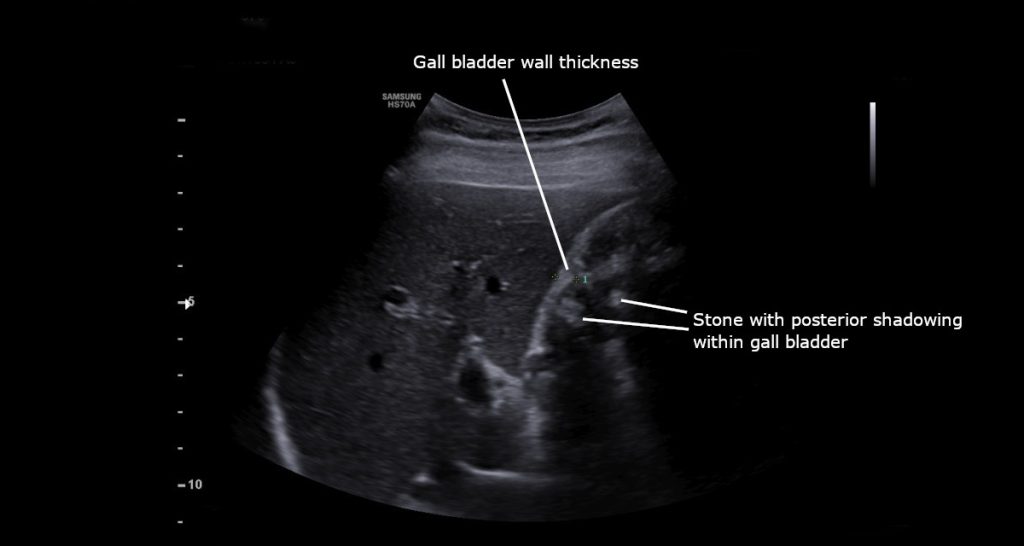
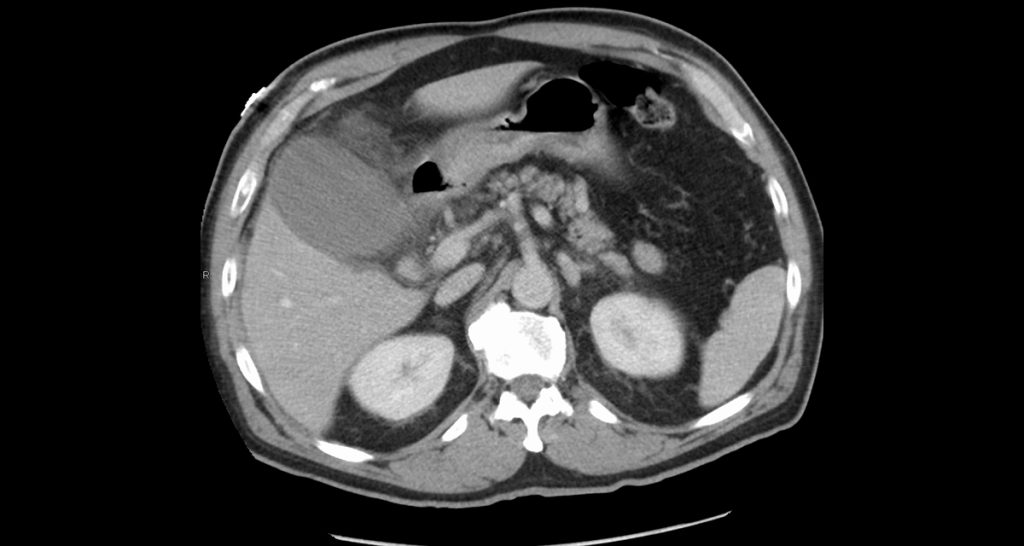
Acute cholecystitis is the sudden inflammation of the gallbladder, most commonly caused by a gallstone blocking the cystic duct. The gallbladder is a small, pear-shaped organ beneath the liver that stores bile. When this bile flow becomes obstructed, the result is irritation, swelling, and often infection — a painful and sometimes serious condition. This condition is considered a medical emergency. If left untreated, it can lead to complications like gallbladder rupture, abscesses, or sepsis. In South Africa, where dietary habits vary greatly between urban and rural areas, gallstone-related conditions are increasingly common. Key Points: The condition is more common in people who are overweight, diabetic, or follow diets high in fat and low in fibre. Women over 40 and individuals with a family history of gallstones are especially at risk. 🔹 Next → [Causes and Risk Factors of Acute Cholecystitis] Gallstones Complications and Long-Term Outlook of Acute Cholecystitis Symptoms and Recognition of Acute Cholecystitis Diagnosis and Treatment of Acute Cholecystitis

Acute Cholecystitis Read More »

Causes and Risk Factors of Acute Cholecystitis

Causes and Risk Factors of Acute Cholecystitis

Causes and Risk Factors of Acute CholecystitisThe primary cause of acute cholecystitis is the blockage of the cystic duct by a gallstone, which prevents bile from leaving the gallbladder. The bile builds up, causing irritation and swelling. In some cases, bacterial infection follows. Main Causes Causes and Risk Factors of Acute Cholecystitis Risk Factors In South Africa, the condition is often underdiagnosed in rural communities due to limited access to imaging like ultrasound. Urban diets high in processed fats have also increased gallstone prevalence. 🔹 Next → [Symptoms and How to Recognise Acute Cholecystitis] Gallstones Complications and Long-Term Outlook of Acute Cholecystitis Acute Cholecystitis Diagnosis and Treatment of Acute Cholecystitis

Causes and Risk Factors of Acute Cholecystitis Read More »

Symptoms and Recognition of Acute Cholecystitis

Symptoms and Recognition of Acute Cholecystitis

Symptoms and Recognition of Acute Cholecystitis presents with a sudden onset of pain, often so severe it brings patients to the emergency room. Recognising the signs early can lead to quicker intervention and better outcomes. Primary Symptoms Pain usually begins suddenly and builds rapidly over 1–3 hours. It typically lasts more than six hours. Patients may have difficulty taking deep breaths due to pain. In rural areas of South Africa, where medical facilities may be scarce, patients often delay seeking care, which can worsen outcomes. When to Seek Emergency Care for Symptoms and Recognition of Acute Cholecystitis 🔹 Next → [Diagnosis and Treatment of Acute Cholecystitis] Symptoms of a Broken Rib Complications and Long-Term Outlook of Acute Cholecystitis Causes and Risk Factors of Acute Cholecystitis Acute Cholecystitis

Symptoms and Recognition of Acute Cholecystitis Read More »

Diagnosis and Treatment of Acute Cholecystitis

Diagnosis and Treatment of Acute Cholecystitis

Diagnosis and Treatment of Acute Cholecystitis. A quick and accurate diagnosis is essential to prevent complications. Common Diagnostic Tools: In well-equipped hospitals in South Africa’s cities, imaging is usually available. In more remote areas, delays in diagnosis can lead to higher complication rates. Treatment Options In rural public hospitals, Diagnosis and Treatment of Acute Cholecystitis surgery may be delayed due to resource constraints. Patients are often transferred to regional centres. 🔹 Next → [Complications and Long-Term Management] Van Niekerk C S Gastroenterologist Pretoria Causes and Risk Factors of Acute Cholecystitis Symptoms and Recognition of Acute Cholecystitis Acute Cholecystitis(Opens in a new browser tab)

Diagnosis and Treatment of Acute Cholecystitis Read More »

Complications and Long-Term Outlook of Acute Cholecystitis

Complications and Long-Term Outlook of Acute Cholecystitis

Complications and Long-Term Outlook of Acute Cholecystitis If not treated promptly, acute cholecystitis can lead to life-threatening complications. The inflammation may spread, or the gallbladder can rupture. Potential Complications Long-Term Management After recovery, patients must: Can You Live Without a Gallbladder? Yes. After a cholecystectomy, bile flows directly from the liver into the intestine. Some patients experience mild indigestion or looser stools initially, but most adjust well. Final Thoughts on Complications and Long-Term Outlook of Acute Cholecystitis Acute cholecystitis is a treatable but serious condition. In South Africa and globally, early recognition and treatment can prevent major complications. With timely surgery and lifestyle adjustments, patients often recover fully and lead normal lives. Bone Cysts Recovery and Long-Term Outlook Causes and Risk Factors of Acute Cholecystitis Symptoms and Recognition of Acute Cholecystitis Acute Cholecystitis Diagnosis and Treatment of Acute Cholecystitis

Complications and Long-Term Outlook of Acute Cholecystitis Read More »

Actinomycosis

Actinomycosis

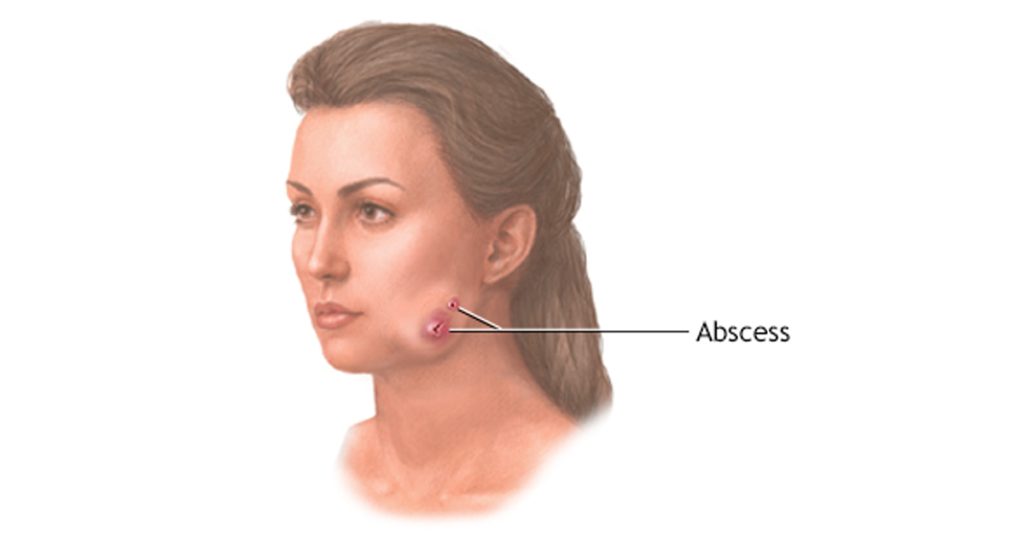
What Is Actinomycosis? Actinomycosis is a rare but serious chronic infection caused by Actinomyces bacteria — most commonly Actinomyces israelii. These bacteria are part of the body’s natural flora, typically found in the mouth, throat, digestive tract, and female reproductive organs. Under normal conditions, they cause no harm. However, when the mucosal barrier breaks due to injury, surgery, or dental trauma, these bacteria can enter deeper tissues. Once inside, they trigger infections that lead to painful abscesses, swelling, and draining sinus tracts that may discharge pus containing yellowish “sulphur granules.” A Global but Often Overlooked Disease Although uncommon, actinomycosis still occurs in both developed and developing countries. The infection has become less frequent in modern medical settings due to improved hygiene and antibiotic access. Still, it remains a significant health concern in areas with limited resources. Poor oral hygiene, delayed medical care, and poor nutrition all increase the risk — particularly in rural and under-resourced communities across South Africa. In many of these settings, patients often delay seeking treatment until the disease has advanced. This leads to diagnostic confusion, especially since actinomycosis can closely mimic conditions like cancer or tuberculosis. For example, a firm lump along the jawline or a draining wound on the chest may appear identical to a malignancy or TB abscess on imaging and clinical examination. Key Facts About Actinomycosis Why Awareness Matters Although actinomycosis is curable, the slow progression and unusual symptoms often delay diagnosis. Without proper treatment, the infection can become disabling. That’s why awareness remains critical — not just among patients but also healthcare workers. In South Africa, better training and earlier recognition can help prevent unnecessary surgeries, reduce complications, and improve long-term outcomes. 🔹 Next → [Causes and Risk Factors of Actinomycosis] Medical Management After Brain Death Complications and Long-Term Outlook of Actinomycosis Symptoms and Types of Actinomycosis Diagnosis and Treatment of Actinomycosis

Actinomycosis Read More »

Scroll to Top