Mental Matters

Health Conditions

Find information on various health conditions affecting people of all ages. This category covers causes, symptoms, diagnosis, and management options for physical illnesses and chronic diseases. Get insights to help you understand different health challenges and make informed decisions about your wellbeing.

Recognising the Symptoms of Addison’s Disease

Recognising the Symptoms of Addison’s Disease

Addison’s disease, also known as primary adrenal insufficiency, can be tricky to spot. The symptoms often develop gradually and are easy to confuse with other conditions — fatigue, low mood, or even stress. But recognising the signs early can make a big difference in getting the right treatment. Early Symptoms Are Often Missed At first, the symptoms might feel vague. You might just feel tired all the time or find it harder to bounce back from stress or illness. But these aren’t just signs of a busy life — they could point to something more serious. Common early symptoms include: More Noticeable Physical Changes As the condition progresses, the symptoms may become more noticeable. These include: These signs aren’t always obvious right away, and because they come on slowly, many people adapt to them — or brush them off as normal. What Happens in an Addisonian Crisis If left untreated, Addison’s disease can lead to a medical emergency known as an Addisonian crisis. This happens when the body can’t respond properly to stress, such as illness, injury, or surgery. An Addisonian crisis may involve: This is life-threatening and requires immediate medical attention. It’s one of the key reasons why understanding the symptoms of Addison’s disease matters — getting the right diagnosis early can prevent serious complications. Know What to Watch For If you or someone you care about has been feeling unusually tired, losing weight without trying, or experiencing strange cravings for salt, it’s worth looking into. Addison’s disease might be rare, but for those living with it, early diagnosis can be life-changing. 👉 Next: What Causes Addison’s Disease? Reviewed April 2025. Always consult a professional for individual guidance. Are We Losing Something with Online Therapy? How is Addison’s Disease Diagnosed? How is Addison’s Disease Diagnosed? Addison’s Disease Frequently Asked Questions Understanding Addison’s Disease


Recognising the Symptoms of Addison’s Disease Read More »

Understanding Addison’s Disease
Understanding Addison’s Disease

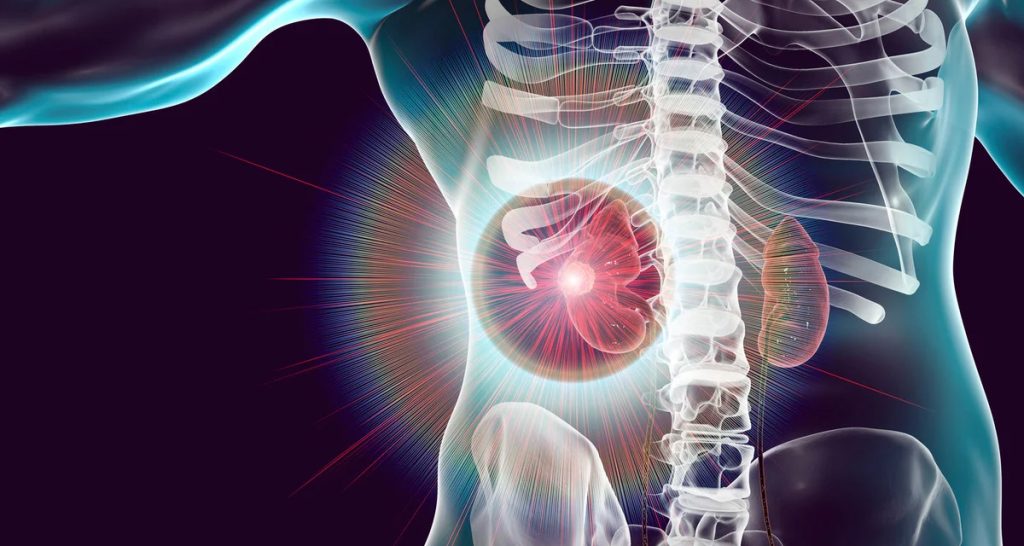
Addison’s disease, also known as primary adrenal insufficiency, is a rare but serious condition where the adrenal glands fail to produce enough of certain essential hormones — mainly cortisol and, in some cases, aldosterone. Your adrenal glands sit just above your kidneys and play a key role in your body’s stress response, blood pressure regulation, and metabolism. When they don’t work properly, the effects can impact nearly every system in the body. What Exactly Is Happening? In Addison’s disease, the adrenal glands are damaged, most often due to the immune system mistakenly attacking them — a condition called autoimmune adrenalitis. This damage reduces hormone production, leading to a gradual buildup of symptoms that can be life-threatening if untreated. It’s different from secondary adrenal insufficiency, which happens when the pituitary gland (which sends signals to the adrenal glands) isn’t producing enough ACTH — the hormone that tells the adrenal glands what to do. Addison’s refers specifically to issues within the adrenal glands themselves. Who Gets Addison’s Disease? Addison’s disease is rare, affecting around 100 to 140 people per million in developed countries, according to global estimates. It can develop at any age and in both men and women. Most diagnoses occur between the ages of 30 and 50. How It Can Affect Your Health While Addison’s disease is rare, it can be dangerous if left untreated — especially because symptoms tend to develop slowly and may be overlooked. However, with proper diagnosis and daily hormone replacement therapy, people with Addison’s disease can live healthy, active lives. 👉 Next: The Symptoms of Addison’s Disease Reviewed April 2025. Always consult a professional for individual guidance. Addison’s Disease Treatment Addison’s Disease Frequently Asked Questions How is Addison’s Disease Diagnosed? What Causes Addison’s Disease?

Understanding Addison’s Disease Read More »

Could Idiopathic Pancreatitis Be a Prognostic Clue in Crohn’s Disease

Could Idiopathic Pancreatitis Be a Prognostic Clue in Crohn’s Disease?

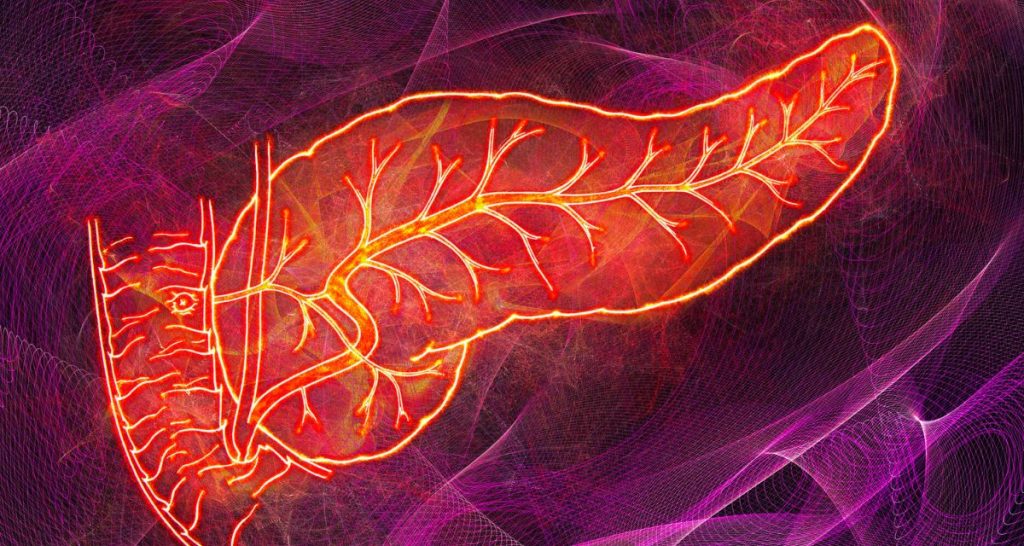
Idiopathic pancreatitis—acute pancreatitis with no clear, identifiable cause—has long puzzled doctors and researchers alike. While often seen as a standalone condition, new research suggests that idiopathic pancreatitis may have a deeper connection to inflammatory bowel diseases (IBD), especially Crohn’s disease. Understanding Idiopathic Pancreatitis Acute pancreatitis is an inflammation of the pancreas that typically results from causes like gallstones or heavy alcohol use. However, in some cases—labelled “idiopathic”—no cause is found, even after extensive testing. These cases can be particularly frustrating for patients and clinicians due to their unpredictability. The Link Between IBD and the Pancreas Patients with IBD, including Crohn’s disease and ulcerative colitis, already live with chronic inflammation in the digestive tract. What’s now becoming more evident is that some of these patients may also develop pancreatitis, even without the usual triggers. Could this be more than just coincidence? What the Study Found A 2023 study published in BMC Gastroenterology reviewed 56 patients with IBD who developed acute pancreatitis.¹ The researchers divided the cases into those with known causes (like medication side effects or gallstones) and those classified as idiopathic. They then tracked how the patients’ IBD progressed over the following year. The key takeaway? Patients with Crohn’s disease who had idiopathic pancreatitis were more likely to experience an aggressive disease course. This included needing changes to their biologic treatments, dose escalations, or even IBD-related surgeries. The same link was not found in patients with ulcerative colitis. These findings suggest that idiopathic pancreatitis might be more than a random flare-up—at least for some patients. In Crohn’s disease, it may serve as a red flag that signals a potentially more severe path ahead. This opens the door to earlier intervention or closer monitoring for those affected. The authors of the study note that more research is needed, particularly with larger groups of patients, to confirm the connection. But if validated, it could lead to a shift in how we view and treat pancreatitis in IBD patients, particularly those with Crohn’s disease. Final Thoughts While idiopathic pancreatitis has traditionally been seen as a diagnosis of exclusion, studies like this one encourage a broader look at underlying conditions—especially in patients already managing chronic illnesses like IBD. It’s another reminder of how interconnected our body systems truly are. Reviewed April 2025. Always consult a professional for individual guidance. Acute Pancreatitis: An Overview Complications and Recovery from Chronic Pancreatitis Chronic Pancreatitis What Causes Acute Pancreatitis?

Could Idiopathic Pancreatitis Be a Prognostic Clue in Crohn’s Disease? Read More »

Understanding Idiopathic Pancreatitis

Understanding Idiopathic Pancreatitis

Pancreatitis is typically caused by gallstones, alcohol use, or certain medications. But in a surprising number of cases, doctors are unable to determine a clear cause — even after thorough testing. This form of the condition is called idiopathic pancreatitis, meaning it has no identifiable origin. What Is Idiopathic Pancreatitis? The term idiopathic refers to any condition that arises without a known cause. When applied to pancreatitis, it means the pancreas becomes inflamed but the usual culprits — like gallstones, alcohol, or infections — are not found during diagnosis. Idiopathic pancreatitis can be acute (a sudden episode) or chronic (ongoing inflammation over time). How Common Is It? Idiopathic pancreatitis accounts for a significant portion of acute pancreatitis cases worldwide. According to various clinical reviews and observational studies, around 10% to 30% of acute pancreatitis cases are labelled as idiopathic, meaning no clear cause can be identified even after standard diagnostic testing. This wide range reflects differences in diagnostic tools, healthcare access, and population health across regions. The condition appears to be slightly more common in older adults and may require more specialised imaging or follow-up tests to rule out less obvious causes, such as genetic mutations, autoimmune triggers, or microlithiasis. Potential Hidden Causes Idiopathic doesn’t always mean the cause is unknowable — sometimes it just requires more advanced investigation. Possible overlooked factors include: Diagnosing Idiopathic Pancreatitis Doctors may recommend further tests when they cannot find a cause initially, such as: These tests can help uncover less obvious causes and guide more targeted treatment. Why It Matters Knowing the cause of pancreatitis helps reduce the chance of future episodes. Even if they don’t find a definite cause, doctors can use the pattern of your condition to provide personalised care. If the condition recurs — called recurrent idiopathic pancreatitis — it may increase the risk of chronic pancreatitis, which can lead to long-term complications. Living With Idiopathic Pancreatitis For many people, lifestyle changes such as eating a low-fat diet, managing medications, and regular monitoring help manage the condition. Continued follow-up with a gastroenterologist is important, especially in recurrent or chronic cases. Reviewed April 2025. Always consult a professional for individual guidance. Chronic Pancreatitis Acute Pancreatitis: An Overview Complications and Recovery from Chronic Pancreatitis Could Idiopathic Pancreatitis Be a Prognostic Clue in Crohn’s Disease? What Causes Acute Pancreatitis?

Understanding Idiopathic Pancreatitis Read More »

Causes and Risk Factors of Acute Kidney Injury

Causes and Risk Factors of Acute Kidney Injury

Causes and Risk Factors of Acute Kidney Injury Causes and Risk Factors of Acute Kidney Injury (AKI) is a serious and often sudden decline in kidney function. It’s not a standalone disease, but rather a clinical syndrome caused by a variety of underlying factors that impair the kidneys’ ability to filter waste and balance fluids and electrolytes. Understanding the causes and risk factors of acute kidney injury is crucial for early detection and effective treatment — especially in South Africa, where limited healthcare resources can lead to delayed diagnosis. AKI is broadly classified into three main categories: pre-renal, intrinsic (renal), and post-renal causes. Pre-renal AKI occurs when there is a significant drop in blood flow to the kidneys. This is often due to severe dehydration, major blood loss, or conditions that lead to low blood pressure, such as shock or heart failure. Liver failure can also contribute. These causes are typically reversible if recognised and treated early, but delays can result in lasting damage. Intrinsic AKI involves direct injury to the kidney tissue itself. Infections like sepsis and HIV-related nephropathy are major contributors in South Africa. The use of nephrotoxic medications — such as NSAIDs, certain antibiotics, and contrast dyes used in medical imaging — can also lead to intrinsic kidney damage. Autoimmune diseases like lupus further increase the risk by causing inflammation within the kidneys. Post-renal AKI is caused by a physical blockage of urine flow, which leads to a build-up of pressure and damage. This can result from an enlarged prostate (BPH), kidney stones, pelvic tumours, or traumatic injury to the urinary tract. Several risk factors make individuals more susceptible to acute kidney injury. These include: In many South African rural hospitals, limited access to IV hydration, laboratory testing, and urgent referral services contributes to preventable deaths. Educating both healthcare providers and communities about the causes and risk factors of acute kidney injury can help save lives through faster recognition and treatment. 🔹 Next → [Symptoms and Early Warning Signs of AKI] Causes of Chronic Kidney Disease Diagnosis and Treatment of Acute Kidney Injury Complications and Long-Term Outlook of AKI Acute Kidney Injury

Causes and Risk Factors of Acute Kidney Injury Read More »

Symptoms and Early Warning Signs of AKI

Symptoms and Early Warning Signs of AKI

Symptoms and Early Warning Signs of AKI Recognising the symptoms of Acute Kidney Injury (AKI) early can save lives. AKI refers to a sudden loss of kidney function that occurs over hours or days. The earlier you detect the warning signs, the better the chances of preventing long-term kidney damage or other complications. In many cases, AKI develops alongside infections, medication use, or hospitalisation. The symptoms may vary depending on how fast the kidneys fail and what caused the injury. Common Symptoms of Acute Kidney Injury AKI affects the body’s ability to filter and eliminate waste and excess fluid. As a result, many of its symptoms are related to fluid retention and toxin build-up. Look out for: In hospital settings, Acute Kidney Injury may not present obvious symptoms at first. Doctors often detect it through routine blood tests showing raised creatinine or urea levels. That’s why monitoring kidney function is crucial, especially for patients on antibiotics, IV fluids, or diuretics. When to Seek Immediate Medical Attention You should seek urgent medical help if you experience: In South Africa, many AKI cases go unnoticed in rural areas due to limited access to testing and awareness. Public education, rapid detection, and access to care remain key to reducing the burden of AKI across both urban and underserved regions.. Symptoms and Early Warning Signs of AKI 🔹 Next → [Diagnosis and Treatment of Acute Kidney Injury] Causes and Risk Factors of Acute Kidney Injury The “Should I Be Worried?” Feeling: Depression Warning Signs Complications and Long-Term Outlook of AKI Acute Kidney Injury

Symptoms and Early Warning Signs of AKI Read More »

Diagnosis and Treatment of Acute Kidney Injury

Diagnosis and Treatment of Acute Kidney Injury

Diagnosis and Treatment of Acute Kidney Injury (AKI) Diagnosis and Treatment of Acute Kidney Injury (AKI) involves a combination of laboratory tests, clinical observations, and imaging. Because the condition can develop quickly and progress rapidly, early identification is essential for successful treatment. Diagnosis The first signs of AKI are often detected through blood tests. Elevated levels of creatinine and blood urea nitrogen (BUN) are key indicators that the kidneys are not filtering waste effectively. Abnormal electrolyte levels—especially high potassium (hyperkalaemia)—can signal kidney dysfunction and pose serious risks, including irregular heart rhythms. Alongside blood tests, doctors will usually request a urinalysis, which can reveal abnormalities such as blood, protein, or signs of infection that might contribute to the kidney injury. Doctors often combine these tests with imaging studies, most commonly a renal ultrasound, to identify physical blockages such as kidney stones or urinary tract obstructions. Monitoring the patient’s fluid balance is also critical. A significant drop in urine output, especially over 24 hours, can suggest that the kidneys are no longer working properly. Treatment Once they diagnose AKI, doctors treat the underlying cause, support kidney function, and work to prevent further injury. Doctors begin by rehydrating patients when dehydration causes AKI. They treat bacterial infections with appropriate antibiotics. If nephrotoxic medications—like certain painkillers or contrast agents—trigger the condition, they immediately stop those drugs. Doctors use supportive measures to help the kidneys recover. This might include intravenous (IV) fluids, blood pressure medications, or diuretics to encourage urine flow. Frequent monitoring of electrolytes—particularly potassium, sodium, and calcium—is necessary to avoid life-threatening imbalances. In advanced or non-responsive AKI, dialysis may be required. Dialysis performs the job of the kidneys by removing waste products and excess fluids from the blood. In many cases, this is a temporary measure until the kidneys begin to recover. Many parts of South Africa and the broader African continent struggle with limited access to dialysis because of infrastructure challenges and high costs. This makes early diagnosis and prevention even more critical in reducing long-term damage and saving lives. 🔹 Next → [Complications and Long-Term Outlook] Treatment and Recovery from Chronic Kidney Disease Causes and Risk Factors of Acute Kidney Injury Symptoms and Early Warning Signs of AKI Acute Kidney Injury

Diagnosis and Treatment of Acute Kidney Injury Read More »

Complications and Long Term Outlook of AKI

Complications and Long-Term Outlook of AKI

Complications and Long-Term Outlook of AKI Complications and Long-Term Outlook of AKI can cause life-threatening complications when not identified and treated early. AKI, also known as acute renal failure, disrupts the kidneys’ ability to filter waste and manage fluid and electrolyte balance. This sudden breakdown in function places major stress on the body and can affect multiple organs within hours or days. If left unmanaged, AKI may lead to the following complications: Individuals with underlying health conditions such as HIV, diabetes, high blood pressure, or existing kidney disease face an elevated risk. In many parts of South Africa, where specialist care may be limited, patients in rural areas are especially vulnerable to complications from Acute Kidney Injury. Long-Term Outlook Early diagnosis and active management improve the chances of full recovery from Acute Kidney Injury. Many patients regain normal kidney function if healthcare providers act quickly. However, delayed care or repeated episodes can result in chronic kidney disease (CKD). A small percentage of patients may require ongoing dialysis or remain at risk of future kidney injury. Follow-Up Care To reduce the long-term impact of AKI, patients need: Improving post-discharge monitoring and referral systems in South Africa remains critical to reducing the long-term consequences of AKI. Complications and Long-Term Outlook of AKI Living with Breast Cancer in Men Bone Cysts Recovery and Long-Term Outlook Diagnosis and Treatment of Acute Kidney Injury Symptoms and Early Warning Signs of AKI Acute Kidney Injury

Complications and Long-Term Outlook of AKI Read More »

Acute Kidney Injury

Acute Kidney Injury

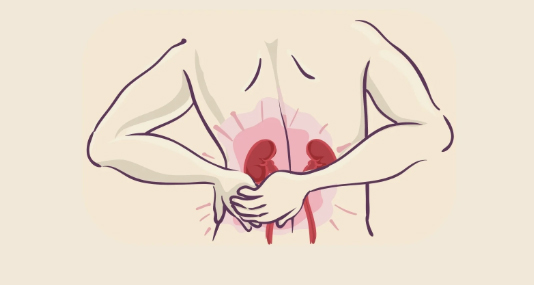
Acute Kidney Injury (AKI) Acute Kidney Injury (AKI), also known as acute renal failure, refers to a sudden and often rapid decline in kidney function over a short period—typically within hours to a few days. The kidneys normally filter waste products and excess fluids from the blood, maintaining a balance of electrolytes and fluid in the body. When AKI occurs, this filtering process becomes impaired or stops entirely, leading to the build-up of harmful toxins in the bloodstream and dangerous imbalances in the body. AKI affects people of all ages, but hospitalised and critically ill patients face the highest risk. Major infections like sepsis, severe dehydration, trauma, surgical complications, and nephrotoxic medications—such as certain antibiotics, painkillers, or contrast dyes—often trigger the condition. In South Africa, healthcare workers increasingly diagnose AKI in settings burdened by HIV, TB, and malnutrition, especially in rural clinics and overcrowded urban hospitals. Who Is at Risk of Acute Kidney Injury? While AKI can affect people of any age, it is more common in: Key Features of AKI Why Early Detection Matters AKI is considered a medical emergency. The earlier it’s diagnosed, the higher the chances of full recovery. However, with timely care—usually involving intravenous fluids, stopping harmful medications, treating infections, or managing blood pressure—many patients regain normal kidney function. However, when left untreated, AKI can progress to chronic kidney disease (CKD) or even complete kidney failure requiring dialysis. Raising awareness of AKI is vital, especially in South Africa, where access to diagnostics and dialysis remains limited in many regions. Education, early recognition, and rapid response can save lives and preserve kidney function. 🔹 Next → [Causes and Risk Factors of Acute Kidney Injury] Adenomyosis(Opens in a new browser tab) Causes and Risk Factors of Acute Kidney Injury Complications and Long-Term Outlook of AKI Diagnosis and Treatment of Acute Kidney Injury Symptoms and Early Warning Signs of AKI

Acute Kidney Injury Read More »

Gallstones FAQ

Gallstones FAQ

Here are answers to some of the most frequently asked questions about gallstones. Whether you’re managing the condition or simply want to learn more, this FAQ provides clear, practical insights. 1. Can gallstones go away on their own? In many cases, gallstones remain “silent” and cause no problems. These do not need treatment. However, once symptoms appear, the stones typically do not go away without medical intervention. 2. What foods should I avoid if I have gallstones? Fatty, fried, and processed foods can trigger gallbladder attacks. Try to limit red meat, full-fat dairy, and baked goods made with hydrogenated oils. A high-fibre, low-fat diet is ideal. 3. Is surgery the only treatment? Not always. If gallstones aren’t causing symptoms, your doctor may recommend monitoring rather than surgery. However, if you’re experiencing recurring pain or complications, gallbladder removal (cholecystectomy) is often the most effective treatment. 4. Can I live a normal life without a gallbladder? Yes. Many people live healthy lives without a gallbladder. You might need to make small adjustments to your diet, especially immediately after surgery, but long-term effects are usually minimal. 5. Are gallstones more common in certain people? Yes. Women, particularly those over 40, people who are overweight, pregnant, or have a family history of gallstones are at higher risk. Rapid weight loss and certain medications can also increase your risk. 6. Can gallstones cause long-term damage? If left untreated, gallstones can lead to complications like inflammation, infections, or pancreatitis, which can be serious. Early diagnosis and management are key. 7. How are gallstones diagnosed? A simple abdominal ultrasound is the most common and effective way to detect gallstones. Sometimes, additional tests like CT scans, blood tests, or MRCP may be used. 👉 Missed an article in the series? You can catch up here: Reviewed April 2025. Always consult a professional for individual guidance.

Gallstones FAQ Read More »

Scroll to Top