
Mental Matters

Health Conditions

Find information on various health conditions affecting people of all ages. This category covers causes, symptoms, diagnosis, and management options for physical illnesses and chronic diseases. Get insights to help you understand different health challenges and make informed decisions about your wellbeing.

Gallstones - What You Can Do to Lower Your Risk

Gallstones: What You Can Do to Lower Your Risk

Gallstones may not always be preventable, especially when genetics play a role, but many lifestyle-related risk factors can be managed to reduce your chances of developing them. If you’ve had gallstones before or simply want to lower your risk, here are some practical, evidence-based steps you can take. Eat a Balanced, Fibre-Rich Diet A diet high in fibre and healthy fats — and low in refined carbohydrates and unhealthy fats — can help keep your gallbladder functioning properly. Whole grains, fruits, vegetables, legumes, and healthy oils like olive oil are ideal choices. In contrast, diets high in saturated fat and cholesterol (like those found in processed meats or fried foods) can increase your risk of stone formation. In South Africa, as in many parts of the world, the shift towards highly processed foods and fast food has contributed to rising gallstone rates. Making intentional food choices is a key part of prevention. Maintain a Healthy Weight — But Avoid Rapid Weight Loss Obesity is a major risk factor for gallstones, particularly among women. That said, losing weight too quickly — more than 1.5 kg per week — can actually increase your risk. It’s best to aim for steady, gradual weight loss through a sustainable eating and exercise plan. Keep Active Regular physical activity improves digestion and helps regulate cholesterol levels, both of which support gallbladder health. Even walking for 30 minutes a day can make a difference. Manage Health Conditions Certain conditions like diabetes and high cholesterol may increase your risk of developing gallstones. If you have any underlying health issues, keeping them under control with medication or lifestyle changes can also help protect your gallbladder. Know Your Risk If you have a family history of gallstones, are over 40, female, or have had multiple pregnancies, your risk may be higher. In these cases, speaking with your healthcare provider about early screenings or lifestyle adjustments may be beneficial. 👉 Next: Gallstones FAQ Reviewed April 2025. Always consult a professional for individual guidance. What Causes Acute Pancreatitis? Gallstones What Causes Gallstones? Treatment Options for Gallstones Recognising the Symptoms of Gallstones

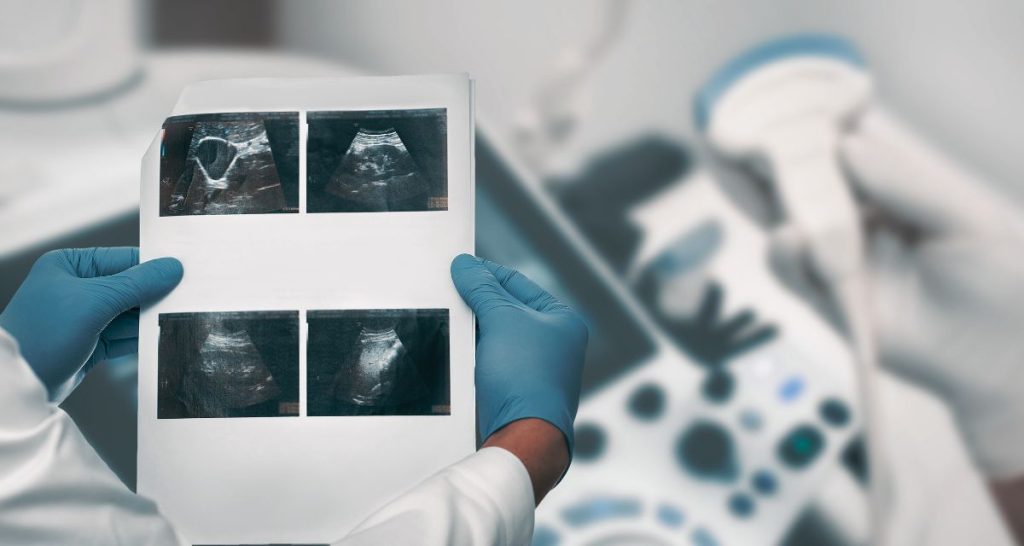
Gallstones: What You Can Do to Lower Your Risk Read More »

Treatment Options for Gallstones

Treatment Options for Gallstones

Once gallstones are diagnosed, the next step is deciding on the best treatment. Not everyone with gallstones will need active treatment—especially if the stones are “silent” and not causing any symptoms. But when symptoms or complications appear, medical intervention is often necessary. When Is Treatment Needed? Treatment is usually recommended if you have: For those with no symptoms, doctors might suggest monitoring rather than immediate treatment. Main Treatment Options 1. Surgery: Cholecystectomy The most common and effective treatment is surgery to remove the gallbladder—a procedure called a cholecystectomy. In South Africa, this surgery is widely available in both public and private hospitals. It’s a routine procedure in most parts of the world. 2. Medications If surgery isn’t an option due to other health conditions, certain medications may help: 3. Endoscopic Procedures If a stone is stuck in the bile duct, a doctor may perform an ERCP (Endoscopic Retrograde Cholangiopancreatography). This is a non-surgical procedure that uses a camera and instruments to remove the stone. After Treatment Most people live perfectly well without a gallbladder. Some may experience mild digestive changes at first, but these usually improve over time. It’s often recommended to adopt a lower-fat diet and eat smaller, more frequent meals during recovery. Final Note Effective treatment depends on individual factors—your symptoms, the size and location of the stones, and your overall health. The good news is that gallstones are manageable, and with the right care, you can go back to living comfortably. 👉 Next: What You Can Do to Lower Your Risk Reviewed April 2025. Always consult a professional for individual guidance. What Causes Acute Pancreatitis? Recognising the Symptoms of Gallstones Gallstones What Causes Gallstones?

Treatment Options for Gallstones Read More »

How Gallstones Are Diagnosed

How Gallstones Are Diagnosed

When symptoms like upper abdominal pain, nausea, or jaundice suggest gallstones, accurate diagnosis is key to preventing complications. While gallstones themselves can remain silent, diagnosing them promptly once symptoms emerge allows for timely treatment and better outcomes. Clinical Evaluation Comes First The diagnostic journey begins with a consultation and physical exam. Healthcare professionals assess the patient’s symptoms, their pattern, and associated risk factors. Questions about recent meals, family history, or weight changes help build a clinical picture. On examination, tenderness in the upper right abdomen may raise suspicion of gallbladder-related issues. However, since digestive symptoms can overlap with many other conditions, imaging tests are essential for confirmation. Key Diagnostic Tests 1. Abdominal Ultrasound This is the frontline diagnostic tool. It’s non-invasive, safe, and widely used in both public and private healthcare settings in South Africa and internationally. Ultrasound is highly effective at detecting stones within the gallbladder and is often the first recommended scan. 2. Blood Tests These help identify inflammation, infection, or liver function abnormalities. Elevated white cell counts may signal an infection like cholecystitis. Raised liver enzymes or bilirubin can indicate bile duct obstruction caused by a gallstone. 3. CT Scan (Computed Tomography) Although not as sensitive as ultrasound for gallstones, a CT scan provides a broader view of the abdomen and is helpful when complications like pancreatitis or perforation are suspected. 4. MRCP (Magnetic Resonance Cholangiopancreatography) This specialised MRI scan creates detailed images of the bile ducts and is particularly useful when stones are suspected in the ducts rather than in the gallbladder itself. It’s non-invasive and widely used in larger hospitals or specialist centres. 5. Endoscopic Ultrasound (EUS) Often used in cases where other imaging tests are inconclusive, EUS offers high-resolution visuals of the bile ducts and pancreas. It’s not always available in public hospitals but is increasingly accessible in South African tertiary facilities. 6. HIDA Scan This nuclear medicine scan evaluates how well the gallbladder empties bile. It’s typically used to assess gallbladder function when stones aren’t visible but symptoms persist. Diagnostic Access in South Africa Access to basic imaging like ultrasound and blood tests is relatively widespread across public hospitals and clinics. However, advanced tests like MRCP and EUS are generally limited to specialist centres, often requiring referral. Globally, the approach is similar, though waiting times and accessibility may vary. Early Detection Matters Gallstones may not always be preventable, but complications often are. Getting the right tests early—especially when symptoms are vague or recurring—makes a significant difference. If your doctor suspects gallstones, ask about an ultrasound and the next diagnostic steps based on your symptoms and healthcare setting. 👉 Next: Treatment Options for Gallstones Reviewed April 2025. Always consult a professional for individual guidance. Recognising the Symptoms of Gallstones What Causes Gallstones? Gallstones: What You Can Do to Lower Your Risk Gallstones
How Gallstones Are Diagnosed Read More »

What Causes Gallstones

What Causes Gallstones?

Gallstones are more common than many people realise—and understanding what causes them is key to preventing future complications. These small, hardened deposits form in the gallbladder, a small organ just beneath the liver that helps with digestion. But why do they form in the first place? Types of Gallstones There are two main types of gallstones: Each type has different underlying causes, although some risk factors overlap. Key Causes and Risk Factors Several factors contribute to the formation of gallstones: Who Is Most at Risk? Certain groups are more prone to developing gallstones: A Global and Local Health Concern Globally, gallstone disease is on the rise due to more sedentary lifestyles and poor diets. In South Africa, the increase in processed food consumption mirrors international trends, especially in urban communities, adding to the national burden of gallbladder-related conditions. By recognising and managing these risk factors—through diet, exercise, and medical guidance—you can reduce your chances of developing gallstones and avoid the potential complications they may cause. 👉 Next: How Gallstones Are Diagnosed Reviewed April 2025. Always consult a professional for individual guidance. What Causes Acute Pancreatitis? Recognising the Symptoms of Gallstones Gallstones Gallstones: What You Can Do to Lower Your Risk Treatment Options for Gallstones
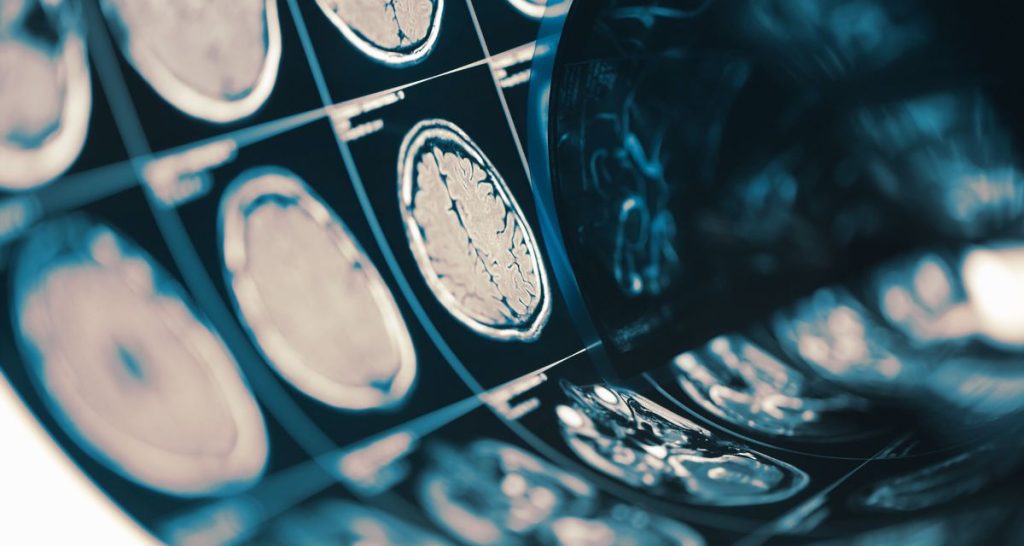
What Causes Gallstones? Read More »

Recognising the Symptoms of Gallstones

Recognising the Symptoms of Gallstones
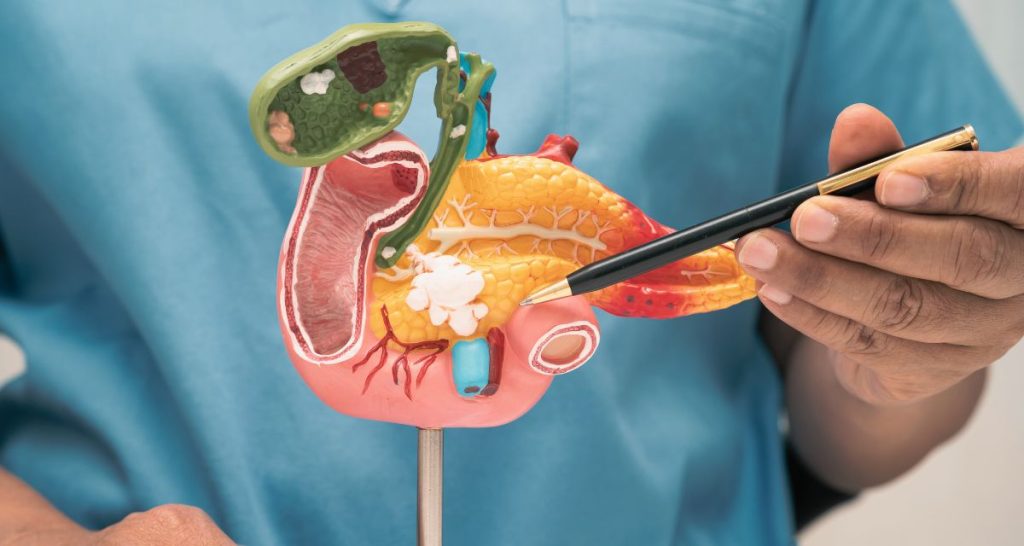
Gallstones are hardened deposits that form in the gallbladder, and they can go unnoticed for years. Many people have what are called “silent stones,” which cause no symptoms and are often discovered incidentally during medical scans. Common Warning Signs When symptoms do appear, they can be quite uncomfortable. The most typical sign is biliary colic—a sudden, sharp pain in the upper right or middle abdomen. This pain usually strikes after eating a fatty meal and may last for several minutes to a few hours. The pain might also radiate to the right shoulder or back. Other common symptoms include: While many associate gallstones with sharp abdominal pain, not everyone experiences the classic signs. Some may feel vague indigestion, acid reflux, or even mild back discomfort. These less obvious symptoms can easily be mistaken for other gastrointestinal issues, which is why gallstones often go undiagnosed for some time. Certain foods can also trigger these symptoms—especially high-fat meals, dairy, or fried dishes. People often report discomfort worsening after large or late meals, or when lying down shortly after eating. Symptom Progression and Severity At first, symptoms may come and go. This intermittent nature can be misleading, making people think the issue has resolved. However, over time, gallstone-related pain can increase in frequency and intensity. Attacks that once occurred once a month might start happening weekly or after every rich meal. Without intervention, what begins as discomfort can evolve into more serious, persistent pain that disrupts sleep or daily activities. This progression highlights the importance of early recognition and monitoring. When Gallstones Become Complicated Gallstones can sometimes block the bile ducts, leading to serious conditions. Cholecystitis, or inflammation of the gallbladder, can cause persistent pain, fever, and tenderness in the abdomen. More severe complications like pancreatitis or cholangitis (bile duct infection) may develop if stones become lodged in ducts, and these require immediate medical attention. Local and Global Relevance In South Africa, gallstones are increasingly linked to Westernised diets high in fat and low in fibre. However, this is a global issue, with risk factors including obesity, rapid weight loss, and hormonal changes—particularly among women over 40. When to Seek Medical Advice If you experience repeated episodes of abdominal pain after eating, especially pain that doesn’t improve with rest or over-the-counter medication, it’s important to speak to a healthcare provider. Simple tests, such as an ultrasound, can detect gallstones early and help prevent complications. Frequently Asked Questions Can gallstones cause back pain or shoulder pain?Yes, the pain may radiate to the back or right shoulder due to the location of the gallbladder and shared nerve pathways. Do all gallstones cause symptoms?No. Many people have “silent” stones that cause no problems. However, they may become symptomatic later. Can gallstones be confused with acid reflux or ulcers?Yes, especially when the pain is vague or non-specific. This makes a proper medical diagnosis essential. 👉 Next: What Causes Gallstones? Reviewed April 2025. Always consult a professional for individual guidance. Gallstones Symptoms of Cirrhosis Gallstones: What You Can Do to Lower Your Risk Treatment Options for Gallstones

Recognising the Symptoms of Gallstones Read More »

Acromegaly Risks

Acromegaly Risks

Without treatment, acromegaly can lead to serious complications affecting multiple systems in the body. The longer the condition is left untreated, the greater the risk of irreversible damage. Fortunately, early intervention can prevent or reduce many of these risks. Heart-Related Complications People with acromegaly often develop cardiovascular issues. These include high blood pressure, abnormal heart rhythms, and thickening of the heart muscle (cardiomyopathy). Over time, these changes can weaken the heart and lead to heart failure. By treating acromegaly early, individuals can often prevent these outcomes and maintain better heart health. Blood Sugar and Diabetes Risk Increased growth hormone levels interfere with insulin function, raising the risk of developing type 2 diabetes. Insulin resistance is common in untreated acromegaly. Through early intervention—whether surgical or medical—patients can lower GH levels and reduce the chance of diabetes. Sleep Apnoea Soft tissue growth in the tongue and throat can block airways during sleep, causing obstructive sleep apnoea. This leads to fatigue, poor sleep quality, and increased cardiovascular risks. Fortunately, treating acromegaly often improves breathing and sleep over time. Joint and Bone Disorders As growth hormone levels remain elevated, bones and cartilage grow excessively. This often results in joint pain, arthritis, and even spinal issues. Many patients experience swelling and discomfort in the hands, knees, or back. Although some joint damage may be irreversible, early diagnosis helps manage symptoms more effectively and slows progression. Vision Problems Large pituitary tumours may press on the optic nerves, causing visual field loss, blurred vision, or even blindness. Timely surgery can relieve this pressure, but delayed treatment increases the risk of permanent damage. Cancer Risks Some research links acromegaly with an increased risk of cancers, particularly colon and thyroid cancer. As a result, regular screening becomes vital for early detection. While not every patient will develop cancer, monitoring is an essential part of long-term care. Vision and Brain Function Large pituitary tumours can press on the optic nerves, leading to vision problems or headaches. MRI scans help detect these issues early, allowing doctors to act before permanent damage occurs. In Summary Timely diagnosis and treatment of acromegaly are crucial. Not only can early intervention reduce complications, but it can also improve quality of life. If you suspect symptoms, speak to a healthcare provider and request a referral to an endocrinologist. 👉 Missed an article in the series? You can catch up here: Reviewed April 2025. Always consult a professional for individual guidance.

Acromegaly Risks Read More »

Gallstones

Gallstones

Gallstones are small, hardened deposits that form in the gallbladder — a small, pear-shaped organ located just beneath the liver. Though they might not always cause symptoms, when they do, the effects can be painful and serious, sometimes even triggering conditions like acute pancreatitis. What Are Gallstones? Gallstones are made up mostly of cholesterol or bilirubin, substances found in bile. Bile is the digestive fluid produced by the liver and stored in the gallbladder, released into the small intestine to help break down fats. When the balance of substances in bile is off, stones can form — ranging in size from a grain of sand to a golf ball. There are two main types: Why Do Gallstones Form? Several risk factors can contribute to the development of gallstones, including: While gallstones are common — especially in older adults — many people may have them and never know it. Symptoms to Watch For Gallstones don’t always cause problems. But when they block the flow of bile, they can trigger a gallbladder attack, often referred to as biliary colic. Common symptoms include: If symptoms persist or become severe, immediate medical attention is crucial. Gallstones and Pancreatitis One of the more serious complications of gallstones is acute pancreatitis. This happens when a gallstone passes out of the gallbladder and blocks the bile duct or pancreatic duct, triggering inflammation of the pancreas. This connection is important — gallstones are among the leading causes of acute pancreatitis in South Africa and globally. If you’ve had a gallbladder attack or been diagnosed with pancreatitis, your doctor will likely investigate whether gallstones are involved. Diagnosis and Treatment Gallstones are often diagnosed through: Treatment depends on the severity of symptoms. Options include: Living Without a Gallbladder Many people live completely normal lives without a gallbladder. Bile will still reach the intestine, but instead of being stored, it flows continuously from the liver. Some people may experience mild digestive issues, especially with fatty meals, but these usually improve over time. Final Thoughts Gallstones are more than just a digestive issue — they can be silent for years or suddenly lead to serious conditions like pancreatitis. Understanding the signs and knowing when to seek help can make all the difference. 👉 Next: Recognising the Symptoms of Gallstones Reviewed April 2025. Always consult a professional for individual guidance. What Causes Acute Pancreatitis? Gallstones: What You Can Do to Lower Your Risk Treatment Options for Gallstones What Causes Gallstones?

Gallstones Read More »

What Causes Acute Pancreatitis

What Causes Acute Pancreatitis?

Acute pancreatitis occurs when the pancreas becomes inflamed over a short period. This inflammation is most commonly triggered by gallstones and alcohol consumption, but several other causes and contributing factors exist. Alcohol Use Heavy or prolonged alcohol use is one of the leading causes of acute pancreatitis globally—and especially in South Africa. Alcohol can irritate the pancreas and lead to premature activation of digestive enzymes, causing tissue damage. A South African study published in the South African Journal of Surgery found that 62% of acute pancreatitis cases at a regional hospital were linked to alcohol use. This reflects the significant role alcohol plays in local cases compared to some international trends. Gallstones Gallstones are another major cause, particularly in women and older adults. These stones can block the bile duct, trapping pancreatic enzymes and causing inflammation. Gallstones are also a leading cause of acute pancreatitis globally. In the same South African study, 14% of cases were attributed to gallstones, with an additional 4% caused by both gallstones and alcohol. Other Known Causes Acute pancreatitis can also result from other conditions and factors, including: The study also highlighted that 8% of cases were linked to dyslipidaemia and 5% to retroviral disease (such as HIV), emphasizing the role of these additional causes in South Africa. Idiopathic Pancreatitis In some cases, no clear cause can be found. These are known as idiopathic cases, and further testing is often required to uncover underlying issues. Potential causes include genetic mutations, autoimmune disease, or even microscopic gallstones that are too small to detect with routine imaging. Interestingly, 15% of cases in the regional hospital study were deemed idiopathic, where no clear cause could be identified despite thorough investigation. Local Insight and Study Findings A South African study from June 2001 to April 2006 examined 322 admissions of 282 patients with acute pancreatitis at a regional hospital. The findings reinforced alcohol as the leading cause of the condition, consistent with international reports, but also pointed to specific local factors. Outcomes: Of the 322 cases, 9% ended in death, with most of the deaths occurring in the first two weeks of hospitalisation. This early mortality rate suggests that improved supportive care could help improve overall survival. Source:South African Journal of Surgery, Vol. 46 (3), 2008, pp. 83-86. 👉 Next: Reviewed April 2025. Always consult a professional for individual guidance. Recognising the Symptoms of Acute Pancreatitis Causes of Chronic Pancreatitis Acute Pancreatitis: An Overview Complications and Recovery from Chronic Pancreatitis Understanding Idiopathic Pancreatitis

What Causes Acute Pancreatitis? Read More »

Treatment Options for Acromegaly

Treatment Options for Acromegaly

The primary goal of treating acromegaly is to reduce growth hormone (GH) levels to normal, relieve symptoms, shrink or remove the tumour, and prevent long-term complications. Because each case is unique, treatment is personalised and may involve one or more of the following approaches: surgery, medication, radiation therapy, or a combination of these. Surgery Transsphenoidal surgery is often the first-line treatment for acromegaly. This minimally invasive procedure removes the pituitary tumour through the nasal passage, eliminating the need for external cuts. If successful, GH levels may drop to normal soon after surgery. In South Africa, this type of surgery is available at major public hospitals like Groote Schuur and Steve Biko, as well as in many private healthcare centres. It is also widely available internationally. Medication When surgery is not fully effective or feasible, doctors may prescribe medication to control hormone levels. The main types include: These treatments are available in South Africa, though high costs may limit access in the private sector. Access within the public system can vary depending on the facility. Radiation Therapy Doctors may recommend radiation therapy when surgery and medication are not enough. It works by gradually destroying tumour cells. However, it can take several years to fully lower GH levels and often affects the normal function of the pituitary gland, leading to the need for lifelong hormone replacement. Long-Term Follow-Up Ongoing monitoring is essential to ensure treatment success. Patients usually undergo regular blood tests to check IGF-1 levels and periodic MRI scans to track tumour size. Endocrinologists typically manage long-term care, often working alongside neurosurgeons and other specialists such as cardiologists or diabetologists. With proper treatment options for acromegaly and regular monitoring, many people with acromegaly can manage the condition effectively and lead healthy lives. 👉 Next: Complications of Acromegaly Reviewed April 2025. Always consult a professional for individual guidance. Cape Town Pituitary Collaborative What Causes Acromegaly? Acromegaly: A Rare But Manageable Condition How Is Acromegaly Diagnosed? Acromegaly Risks

Treatment Options for Acromegaly Read More »

How Is Acromegaly Diagnosed

How Is Acromegaly Diagnosed?

Diagnosing acromegaly starts with recognising its subtle, slow-progressing symptoms. Many individuals live with the condition for years before receiving a correct diagnosis, as the signs can be mistaken for common ageing or lifestyle changes. Symptoms such as enlarged hands and feet, changes in facial features, joint pain, fatigue, or frequent headaches may develop gradually. Because the progression is so slow, both patients and healthcare providers may overlook the early indicators. Key Blood Tests Once acromegaly is suspected, the diagnostic process typically begins with a blood test to measure levels of insulin-like growth factor 1 (IGF-1). IGF-1 levels reflect the average amount of growth hormone (GH) in the body over time. Elevated IGF-1 strongly suggests a GH imbalance. To confirm this finding, doctors usually perform an oral glucose tolerance test (OGTT). After drinking a glucose-rich solution, a healthy individual’s GH levels drop. In those with acromegaly, GH levels remain high—confirming the hormonal disorder. Imaging the Pituitary Gland If the blood tests indicate elevated GH and IGF-1 levels, an MRI scan of the brain is done to locate the pituitary tumour responsible for hormone overproduction. The scan helps determine the tumour’s size, exact location, and whether it affects nearby structures like the optic nerves, which could impact vision. Diagnosis in South Africa and Globally In South Africa, these diagnostic tools are widely available in private hospitals and academic centres. In the public sector, access is more limited, and patients may need referrals to tertiary hospitals. Internationally, diagnosis follows similar steps, though delays are still common due to the condition’s subtle progression. Further Testing Doctors may also run additional blood tests to assess organ function, check other hormone levels, and screen for related health complications. This helps determine the most suitable treatment path. Why Early Diagnosis Matters Early diagnosis allows for timely intervention, which can significantly improve quality of life and reduce long-term health risks. If you or someone you care about is showing signs of acromegaly, speak to a healthcare provider and request a referral to an endocrinologist. Timely diagnosis makes all the difference. 👉 Next: Treatment Options for Acromegaly Reviewed April 2025. Always consult a professional for individual guidance. Cape Town Pituitary Collaborative What Causes Acromegaly? Acromegaly: A Rare But Manageable Condition Acromegaly Risks

How Is Acromegaly Diagnosed? Read More »

Scroll to Top