Mental Matters

Health Conditions

Find information on various health conditions affecting people of all ages. This category covers causes, symptoms, diagnosis, and management options for physical illnesses and chronic diseases. Get insights to help you understand different health challenges and make informed decisions about your wellbeing.

Causes of Learning Disabilities

Causes of Learning Disabilities

Learning disabilities arise from a range of biological, genetic, and environmental factors that influence the development and functioning of the brain. These causes are complex and often interrelated, making it difficult to pinpoint a single source in many cases. However, research in neuroscience and child development has provided valuable insights into the most common contributors. Understanding the causes of learning disabilities is critical for early identification, effective intervention, and the reduction of stigma that often surrounds these conditions. At the core of most learning disabilities is how the brain works. In many cases, the brain handles information differently, especially in parts that manage language, memory, attention, and planning. Brain scans show that children with specific learning disabilities—like dyslexia, dyscalculia, or dysgraphia—use their brains in different ways in those areas. These differences don’t come from poor parenting, laziness, or low intelligence. They simply reflect how each brain grows and works, changing how information is received, understood, and used. Genetics is one of the top causes of learning disabilities. These difficulties often run in families, which shows a strong link to inherited traits. If a parent or sibling has a learning disability, a child is more likely to have one too. Studies have found certain genes tied to reading and language skills. While no single gene causes a learning disability, a mix of genes can raise the chance. When this natural risk combines with other early-life challenges, a learning difficulty may appear. Prenatal, Birth, and Early Childhood Risks Problems before, during, or just after birth can also play a big part. A baby’s brain starts forming early in pregnancy. Any harm or stress during this time can affect how it develops. When a pregnant person uses alcohol, cigarettes, or illegal drugs, it raises the risk for brain-related issues, including learning disabilities. Trouble during delivery, like being born too early, having low birth weight, or losing oxygen, can also slow brain growth and cause problems later on. Some children develop learning issues after birth due to illness or injury. Serious infections like meningitis or encephalitis can hurt the brain. A head injury from a fall, crash, or abuse can also damage areas that control memory, language, or movement. Children who have many ear infections early in life might struggle with hearing sounds correctly. This may make it harder to learn language and read. Environmental and Emotional Factors The child’s surroundings also matter. Growing up in a poor or chaotic home can block learning in many ways. Not getting the right food, facing too much stress, or not having chances to play and learn can affect brain growth. Being exposed to lead, often found in old paint or dirty water, has been linked to lower IQ and slow learning. A home without books, stories, or school-like play can slow down how fast a child learns new things. Long-term stress, especially from abuse or being ignored, can also hurt a child’s ability to learn. Living in fear or without stable care changes how the brain grows. This stress can hurt memory, planning, and self-control—skills that are key for school. While emotional trauma alone may not cause a learning disability, it can make existing struggles worse and create a pattern of failure and frustration. Co-occurring Conditions and Misunderstandings Other brain-based conditions often show up alongside learning disabilities. ADHD, autism, and speech delays are not the same as learning disabilities, but they often overlap. A child with ADHD might find it hard to stay focused during reading or math, which can make it hard to spot a specific learning problem. A child with autism might struggle with spoken language, which can look like dyslexia or a hearing issue. It’s also important to understand what does not cause learning disabilities. Cultural or language differences can cause school struggles, but these are not signs of a brain-based learning problem. Children learning a second language may take longer to read or write in school, but this is a normal part of adjusting—not a disorder. Testing must always be fair and respect the child’s background to avoid wrong labels and poor support. Understanding the Causes of Learning Disabilities Even with all this research, some learning disabilities have no clear cause. A child may not have any known risk factors or events in their past that explain the problem. That’s why finding and helping children early is more important than looking for someone to blame. No matter the cause, giving support as soon as possible helps kids do better in school and feel better about themselves. In summary, the causes of learning disabilities include genetic traits, brain differences, problems before or after birth, early illness or injury, poor surroundings, and other mental health conditions. These causes often work together, not alone. Knowing about the causes of learning disabilities helps clear up confusion and allows families and schools to give smart, kind help. With the right tools and care, children with learning disabilities can grow, succeed, and shine. [Next: Symptoms of Learning Disabilities →]


Causes of Learning Disabilities Read More »

Symptoms of Learning Disabilities

Symptoms of Learning Disabilities

Learning disabilities can manifest in many ways, depending on the specific learning challenge. What they all share is a constant struggle with certain school or thinking tasks, even when the person has average or high intelligence. Early spotting of symptoms of learning disabilities is key. It helps with timely help, better support, and long-term success. One common sign is a clear gap between how well a child performs in school and what is expected from them. For example, a child may speak well and get along with others but still find reading or spelling very hard. Teachers might see that the child struggles to follow instructions, complete tasks, or remember what was taught. These signs often become clearer once formal schooling starts, but they can appear earlier during play or at home. Children with dyslexia usually have trouble recognising letters, sounding out words, and understanding what they read. They might read slowly, skip words, say them wrong, or mix up letters like “b” and “d.” They may also struggle to rhyme, say the alphabet in order, or spell basic words. Even if they read aloud well, they may still not understand the meaning. Their minds work so hard sounding out the words that there’s little energy left for understanding. Types of Symptoms of Learning Disabilities For children with dyscalculia, the main problem lies with numbers. They may find it hard to recognise numbers, learn times tables, or understand how numbers relate to each other. Even simple steps in a math problem can confuse them. These issues may also show in telling time, guessing amounts, or handling money. Children often get upset during maths lessons when they can’t grasp what others seem to get easily. Dysgraphia affects writing. It can cause messy handwriting, uneven spacing, bad spelling, or problems putting ideas on paper. These children may avoid writing altogether because it causes stress. People might mistake their actions as lazy, but the truth is they struggle with hand control, spelling memory, or sharing thoughts in writing. Some children have trouble processing sound. They might mix up similar-sounding words or miss parts of what’s said. They often ask for things to be repeated. In noisy places like classrooms, they may seem distracted. This isn’t rudeness—it’s hard for them to pick the teacher’s voice from the noise. It affects both their schoolwork and their ability to socialise. Memory, focus, and staying organised also affect many students with learning issues. They may forget what comes next in a list, miss steps in tasks, or lose their school supplies. Homework might vanish, and appointments get forgotten. These signs can also look like ADHD, which makes spotting the exact issue harder. Emotional and Behavioural Symptoms of Learning Disabilities Some children try to avoid learning tasks. They may suddenly dislike school, pretend to be sick, or panic before certain lessons. Others might act out, withdraw, or say they feel like a failure. Without the right support, this cycle can lower their self-worth and cause stress or sadness. In younger kids, early signs include late speech, trouble learning new words, or problems with colours and shapes. They might also struggle with rhyming or handling crayons, puzzles, or scissors. These may point to motor skill delays linked to learning disabilities. Teens and adults still face symptoms of learning disabilities, although they may change. Teenagers may find writing, reading, or remembering hard. They may also struggle to plan projects or manage their time. Adults who never got diagnosed might avoid certain jobs or rely on tricks to hide their learning issues. It’s vital to know that these challenges don’t come from laziness, bad effort, or low smarts. Often hidden, they lead to frustration, confusion, and feeling misunderstood. Still, many people with symptoms of learning disabilities have great skills in areas like talking, creativity, or problem-solving. These strengths can hide their struggles and delay proper diagnosis. Spotting these signs early and testing the child properly helps build the right learning and emotional support. Schools that use flexible teaching, give tailored help, and offer learning tools can help these students succeed. In short, the symptoms of learning disabilities involve lasting trouble with reading, writing, maths, memory, focus, and processing sounds or visuals. These issues usually start early and continue if not treated. Seeing them for what they are—brain-based learning challenges—is the first step toward giving the right support so each person can grow and succeed. [Next: Diagnosis of Learning Disabilities →]

Symptoms of Learning Disabilities Read More »

Diagnosis of Learning Disabilities

Diagnosis of Learning Disabilities

Learning disabilities are complex neurological conditions that often require a multifaceted approach to diagnosis. Understanding the process of diagnosis of learning disabilities helps ensure that individuals receive the right help and tools. This support can greatly improve their school progress, emotional wellbeing, and social life. Early Signs and the Importance of Observation The first step in the diagnosis of learning disabilities usually starts with someone noticing a problem. Parents, teachers, or caregivers might see that a child struggles to keep up in reading, writing, or maths. These early signs might include trouble knowing letters, frequent spelling mistakes, or avoiding reading and homework. Some children may seem confused by simple number ideas. Behavioural clues may also show up. These include frustration, poor organisation, or seeming distracted during lessons. These signs should prompt further checks. Evaluation and Professional Assessments Once a concern is raised, the child is often referred for a full educational evaluation. This is often arranged through the school, although private options also exist. Trained experts like educational psychologists or neuropsychologists lead these assessments. They use a mix of tools, such as classroom observations, teacher feedback, and family interviews. Their job is to figure out if a learning disability is the reason for the difficulty, or if something else is affecting learning, such as emotional struggles, language barriers, or hearing issues. Key Tests in the Diagnostic Process Cognitive and achievement tests are central to the diagnosis of learning disabilities. Cognitive tests show how the brain handles information. They check skills like memory, speed, and understanding. Tools like the WISC or Stanford-Binet are often used. Achievement tests, such as the Woodcock-Johnson or WIAT, measure real school skills. These include reading, writing, maths, and language. A big gap between thinking ability and school performance often points to a learning disability. Other Assessments and Ruling Out Other Causes A full medical and development history is also collected. This helps to check if other issues, like hearing loss, past injuries, or trauma, might explain the learning problems. Extra referrals may be made. For example, children with suspected language or hearing problems may see speech or hearing experts. All of this helps make sure the diagnosis is correct. Diagnosis of Learning Disabilities Requires Excluding Other Factors A very important part of the diagnosis of learning disabilities is ruling out other reasons for learning struggles. Children learning in a second language may have reading issues that look like dyslexia, but the cause might be language, not a disability. Similarly, children with ADHD or anxiety might struggle in class due to focus or mood, not learning problems. The right diagnosis makes sure the right kind of help is given. A Detailed and Personal Process Diagnosing learning disabilities is never based on just one test. It’s a full process that considers how a person works in different places—like school and home. It includes talking to the child, the parents, and the teachers. Many children with learning disabilities also have other conditions like ADHD, autism, or dyspraxia. This adds layers to the diagnosis. Because of this, a team of experts often works together to find the full picture. Adult Diagnosis of Learning Disabilities Sometimes, the diagnosis of learning disabilities happens later in life. Adults may seek help after facing new challenges in university or work. These people often did well earlier by using coping skills. For them, testing includes adult-focused tools, interviews, and checks on job performance. This helps spot the issues and guide support. After the Diagnosis Once the process is complete, a full written report is given. This report shows the person’s strengths and weaknesses. It also lists the kind of support they need. In schools, this leads to an Individualised Education Plan (IEP) or a 504 Plan. These give the student extra help, such as more time on tests, changes in assignments, or special tools. In university or work, this report can also help unlock needed support. Why the Diagnosis of Learning Disabilities Matters The diagnosis of learning disabilities is not about putting limits on someone. It’s about giving them the help they need to succeed. For many families, getting a diagnosis brings relief. It finally explains why learning has been so hard. Once there’s a clear answer, schools and families can use the right strategies that fit the learner’s needs and strengths. Final Thoughts on the Diagnosis of Learning Disabilities To sum up, the diagnosis of learning disabilities is a deep and careful process. It uses brain tests, school tests, history, and input from many people. While early diagnosis gives the best results, people of any age can still benefit from being properly identified. The main goal is not just to find a problem—but to build a path for success based on each person’s unique learning style. [Next: Treatment of Learning Disabilities →]

Diagnosis of Learning Disabilities Read More »

Treatment of Learning Disabilities

Treatment of Learning Disabilities

Learning disabilities are lifelong conditions that affect how individuals process, understand, and respond to information. While they cannot be cured, the treatment of learning disabilities can help people manage them well. This happens through personalised teaching methods, simple strategies, and helpful therapies. The aim is not to remove the learning challenge. Instead, the goal is to give people the tools and support they need to succeed at school, at work, and in life. The treatment of learning disabilities begins with early and customised support. Once a diagnosis is made, teachers and experts work together to create an Individualised Education Plan (IEP) or a support plan. These plans focus on a student’s unique needs. They include learning goals, teaching methods, and changes that need to be made in class. For instance, a student with dyslexia may get extra time for tests, use audiobooks, or be taught with sound and touch-based reading tools. Key Strategies in the Treatment of Learning Disabilities In schools, special education services are a big part of treatment. Trained teachers or learning aides use proven methods to help with specific learning needs. Often, teaching is done in small groups or one-on-one to give more attention. In reading help for dyslexia, for example, teachers may use programmes like Orton-Gillingham or Wilson Reading System. These break reading into simple, step-by-step parts. Another important tool is assistive technology. These devices help students work around their learning difficulties. Examples include text-to-speech software for reading help, speech-to-text tools for writing, and graphic organisers for planning ideas. This technology not only supports learning but also boosts confidence. It lets students show what they know in a way that matches their strengths. Besides school help, many people also benefit from therapy. Speech therapy helps those with trouble using or understanding words. Occupational therapy helps with handwriting or hand control, especially for children with dysgraphia. For emotional struggles like anxiety or low self-esteem, cognitive behavioural therapy (CBT) can be useful. Home Support and Daily Routines Matter The treatment of learning disabilities also includes support at home. Parents and caregivers play a big part in helping children learn and grow. They can do this by keeping routines, creating quiet study spaces, and using praise to build confidence. Workshops and parenting courses give families ideas and tips to support learning at home. For teens and adults, treatment focuses more on real-life skills and coping methods. In universities, students may still get help like longer exam times or lecture recordings. Career training and counselling help people discover their strengths and choose the right jobs. In the workplace, flexible deadlines or job coaching can also help adults stay confident and productive. A key but often forgotten part of treatment is teaching people to speak up for themselves. People with learning disabilities should know their strengths and limits. They should learn to explain their needs clearly. When they know how to ask for help, they are more likely to succeed. Schools and professionals can teach students how to talk about their learning needs without fear or shame. Peer Support and Ongoing Guidance The treatment of learning disabilities must also focus on social life. These challenges can make children feel alone or lead to bullying. Inclusive classrooms, kindness from classmates, and raising awareness can make a big difference. Support groups and mentoring give people a chance to share their stories, feel understood, and support one another. Treatment should also grow as the person grows. What works in primary school may not help in high school or college. Regular checks and updates help make sure the support still fits. Teachers, families, and the learner must all work together to keep things on track. Building Lifelong Success Through the Treatment of Learning Disabilities In the end, the treatment of learning disabilities covers many areas. It includes personal teaching plans, helpful tools, therapy, emotional support, and skill building. Even though the learning difficulty does not go away, the right support makes a big difference. With it, people can reach their goals, become strong, and live full, independent lives. [Next: Complications of Learning Disabilities →]

Treatment of Learning Disabilities Read More »

Complications of Learning Disabilities

Complications of Learning Disabilities

Learning disabilities are lifelong neurological conditions that affect how individuals absorb, process, and express information. One of the most direct complications of learning disabilities is falling behind at school. A child who struggles with reading, writing, or maths may quickly start to lag behind classmates. This often leads to lower grades, repeating school years, or dropping out altogether. If they don’t get the right help early, school can feel more and more difficult over time. This makes it hard to move forward in school or to qualify for college or special training. Emotional and Mental Health Challenges These school struggles can deeply affect a child’s self-confidence. Many children with learning disabilities start to think they are “stupid” or not good enough, even though their intelligence is normal or high. Failing often, feeling frustrated, and being compared to other kids can damage their confidence. If these feelings go on for years, they can affect a person well into adult life. This may cause problems in relationships, career choices, and motivation to set goals. On top of low confidence, mental health problems are also common. People with learning disabilities are more likely to feel anxious or depressed. They may also develop behavior problems. Trying to meet school expectations, worrying about being embarrassed, or getting lots of negative feedback can cause stress. Some kids might fear school or stop talking to friends because they feel judged. In serious cases, years of feeling like a failure can lead to emotional outbursts or even thoughts of suicide if they don’t get proper support. Social and School-Based Complications of Learning Disabilities Social skills can suffer too. Kids with learning disabilities might struggle to pick up on social clues, join in on group games, or carry on conversations—especially if their disability affects speaking or understanding language. This can leave them feeling left out or lonely. Some may even be teased or bullied, which adds to the emotional stress. These issues often continue into teen and adult years, making it hard to build lasting friendships. Another serious problem is leaving school too early. If students don’t get the help they need, they may become frustrated and stop trying altogether. Leaving school early cuts off many future chances. It makes it harder to find a good job and raises the risk of being unemployed or stuck in low-paying work. This may cause money problems, dependence on government support, and trouble living independently. Complications of Learning Disabilities in Work and Daily Life In the working world, learning disabilities can make things like timekeeping, planning, writing, or following steps harder. These problems can hold back career growth or even cost someone their job—especially in fields that rely on reading, writing, or number work. If someone doesn’t tell their boss about their learning disability or ask for support, they may face unfair treatment or feel stuck in low-level roles. Some may become frustrated with work and feel unsatisfied in their careers. There are also bigger system-related issues. In some places, people with learning disabilities find it hard to get the support they need. This may happen because testing is hard to access, people don’t know much about learning disabilities, or there’s still stigma. Schools might not train teachers properly, or policies might be weak, leaving kids without help. Some types of learning disabilities don’t even have official names in certain countries, making it even harder to get help. Family and Social Complications of Learning Disabilities Family life often feels the strain too. Parents of children with learning disabilities may feel stressed or unsure about how to support their child. They may have to fight for school support or spend lots of time and money on private help. Other children in the home may feel left out or take on extra responsibility. This can create tension between siblings or between parents, especially when emotions run high or money is tight. When learning disabilities aren’t spotted, the person may get unfair labels like “lazy” or “naughty.” This is especially true when they also have conditions like ADHD. If teachers or employers don’t understand the real cause of the problem, the person might get punished instead of helped. Over time, this leads to low self-worth and confusion about one’s own abilities. These effects can last a lifetime. Reducing the Complications of Learning Disabilities But here’s the good news: most of these complications of learning disabilities can be avoided or eased with the right help. When diagnosed early and given proper support, kids can do well in school, build strong self-esteem, and grow into happy, successful adults. Many people with learning disabilities shine in creative areas like art, music, business, or tech. They succeed by using their strengths and finding new ways to learn and work. In the end, the complications of learning disabilities don’t just show up in school. They affect emotions, friendships, jobs, and even family life. But the real problem often comes from misunderstanding, lack of support, or social judgment—not the disability itself. Spotting learning disabilities early, giving helpful tools, and focusing on what each person does well can make all the difference. With the right support, people with learning disabilities don’t just cope—they succeed. [Next: Back to Overview →]

Complications of Learning Disabilities Read More »

Overview of Lazy Eye

Lazy Eye

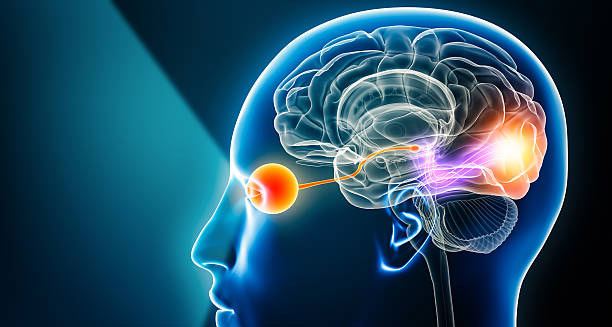
Lazy eye, medically known as amblyopia, is a vision development disorder where one eye fails to achieve normal visual acuity, even with prescription lenses. The condition usually starts in infancy or early childhood. If no treatment happens, it can lead to permanent vision loss in that eye. In most cases, the brain picks one eye to rely on. As a result, the other eye becomes weaker and loses its strong link to the brain’s visual centres. In a child with a lazy eye, the stronger eye sends clear pictures to the brain. But the weaker eye sends blurry or unclear signals. The brain learns to ignore the weaker eye. Over time, that eye becomes even less active. If this happens during the key years of vision growth—usually before age seven or eight—the weak eye may never fully develop. That’s why early care matters so much. Early Signs in the Overview of Lazy Eye Lazy eye is a leading cause of vision problems in children. It affects up to 3 in 100 kids. However, many children show no clear signs. Parents may not notice anything wrong until an eye test reveals it. This makes eye check-ups very important, even if no symptoms show. Other eye problems like crossed eyes (strabismus) or poor focus (refractive errors) may look different. Lazy eye is harder to spot. That’s because the eye might look normal on the outside, even if it’s not working well. That’s why early eye exams play a key role in finding it. Lazy eye has different types. Strabismic amblyopia happens when the eyes don’t line up. Refractive amblyopia comes from uneven eye prescriptions. One eye sees clearly, and the other stays blurry. Deprivation amblyopia happens when something blocks the eye—like a cataract—during early growth. These types all need different treatments. But they all start because one eye doesn’t get clear signals during brain growth. Why Early Detection Helps in the Overview of Lazy Eye When doctors find and treat the condition before age seven, children often get their vision back. They can sometimes reach full or nearly full sight. It gets harder to treat in older kids or adults. Still, some newer treatments can help, especially with a steady routine. If no action is taken, the weak eye may stay blurry for life. This doesn’t just affect how a person sees. It can also make it tough to judge depth or play sports. Some jobs may be hard to do. If the stronger eye gets hurt or sick, the person may face big risks. This shows why early checks are so important. Full Overview of Lazy Eye: What This Article Covers In this article, we will look at lazy eye from all angles. We’ll talk about the causes, signs, ways to test for it, treatment options, and what could go wrong if it isn’t treated. Whether you’re a parent, teacher, or someone who wants to know more, this guide will give you the tools to understand and act. [Next: Causes of Lazy Eye →]

Lazy Eye Read More »

Causes of Lazy Eye

Causes of Lazy Eye

Lazy eye, or amblyopia, develops when there is a disruption in the normal visual experience during early childhood. This disruption stops one eye from sending clear, steady images to the brain. As a result, the brain starts to favour the other eye. Over time, the weaker eye becomes less active because its input is ignored. The causes of lazy eye differ by type, but all interfere with the visual connection between the brain and the eyes. Eye Misalignment as a Cause of Lazy Eye One of the most common causes of lazy eye is strabismus. In this condition, the eyes do not line up properly. One eye might turn inward, outward, upward, or downward. This misalignment leads to strabismic amblyopia. The brain gets two different images. To avoid double vision, it ignores the misaligned eye. Over time, this eye becomes weaker from lack of use. Strabismus can be present from birth. It may also appear later due to injury, nerve problems, or untreated vision issues. Refractive Errors Can Cause Lazy Eye Another common cause of lazy eye is anisometropia. This means there is a large difference in prescription between the two eyes. This results in refractive amblyopia. One eye may be more farsighted or nearsighted than the other. The brain picks the eye with the clearer image and ignores the blurrier one. Since this can happen without any visible signs like a turned eye, it often goes unnoticed. Routine eye exams are key to finding this early. Vision Deprivation and Other Physical Causes Deprivation amblyopia is the most serious type. It happens when something blocks light from entering the eye. This stops the brain from receiving proper visual input. Causes include congenital cataracts, drooping eyelids (ptosis), or corneal scars. Because the brain gets no stimulation from the blocked eye, its visual pathway fails to develop. This type needs urgent treatment, often within the first few months of life. If not treated quickly, the vision loss can be permanent. Other rare causes of lazy eye include eyelid hemangiomas, eye tumours, or long-term patching of one eye. Sometimes, a child may have more than one cause, like both strabismus and anisometropia. These mixed cases are more complex and need special care. Delayed Detection Can Worsen Lazy Eye Even when the cause is present, late detection makes the condition worse. Many children don’t know they can’t see well in one eye. If the other eye works normally, they may not report any issues. Parents often notice the problem only after a failed vision test or school struggles. Lazy eye develops during a short window in early life—usually up to age 7 or 8. If not treated during this time, full vision recovery may not be possible later. Other Risk Factors That Can Lead to Lazy Eye Premature birth and low birth weight raise the risk of lazy eye. These children may have poorly developed visual systems or related eye problems. Children with developmental delays, cerebral palsy, or a family history of lazy eye or strabismus are also at higher risk. They need early and regular eye checks. Modern screen habits might also delay detection. Children who spend lots of time on tablets may not use their eyes in ways that build binocular vision. This does not directly cause lazy eye, but it can hide it. If a child can function well with one eye, the problem might go unnoticed. The Brain’s Role in Lazy Eye Development It’s important to understand that the causes of lazy eye are not related to behaviour. Amblyopia is a neurodevelopmental condition. The brain simply picks the clearer image and ignores the blurry one. The weaker eye suffers as a result. Because the brain is most adaptable in early life, treatment must begin early. The younger the child, the better the results. Summary of the Causes of Lazy Eye The causes of lazy eye include eye misalignment (strabismus), unequal refractive error (anisometropia), and blocked vision (deprivation amblyopia). Other risk factors such as prematurity, delayed development, or family history can also contribute. Early detection and treatment of the underlying cause are key. This helps restore healthy vision and prevents permanent sight loss. [Next: Symptoms of Lazy Eye →]

Causes of Lazy Eye Read More »

Symptoms of Lazy Eye

Symptoms of Lazy Eye

Symptoms of lazy eye can be difficult to detect, particularly in young children, because the condition often develops subtly and without obvious discomfort. In many cases, the child is unaware of any visual problem, especially when one eye is functioning normally and compensates for the weaker one. As a result, symptoms of lazy eye are often missed until a routine eye test reveals the issue. This makes early screening and awareness critically important for timely diagnosis and treatment. The most common symptom is reduced vision in one eye that cannot be corrected fully with glasses or contact lenses. This drop in eyesight may go unnoticed by the child. The stronger eye usually works well enough for daily activities. Because of this, parents and caregivers might only notice a problem when the child struggles with tasks that need both eyes. These include catching a ball, pouring liquids, or judging how far something is. Another clear sign among the symptoms of lazy eye is poor depth perception. The brain needs both eyes to work together to see depth and distance. When one eye doesn’t help properly, depth perception suffers. A child with a lazy eye may find it hard to climb stairs, stack blocks, or thread beads. They may also struggle in sports or hit objects while walking. Some might even turn their head to one side more often to see better. Head Tilts and Eye Alignment in Symptoms of Lazy Eye When strabismus causes the lazy eye, you may see one eye turn inward, outward, upward, or downward while the other stays focused. This misalignment is easier to notice. Parents and teachers often spot it because the eyes don’t match. However, not all cases show this. Children with refractive amblyopia often have no visible eye misalignment, which makes it harder to detect. Some children develop a head tilt or squint to get a clearer image. This action helps the brain rely more on the strong eye. If a child often tilts their head or shuts one eye while reading or looking closely at something, it could signal an issue. You might also notice the child sitting very close to the TV or holding books too close. These habits can be signs of poor vision. Tired eyes, blinking a lot, or rubbing one eye more than the other can also show that the child has trouble seeing. These signs alone don’t prove lazy eye. But when they appear with other symptoms, they suggest a need for an eye test. Reading Issues and Other Symptoms of Lazy Eye Another important symptom of lazy eye is reading difficulty. Kids may lose their place while reading or reverse letters. They may also find it hard to follow lines of text. Some avoid reading altogether. Others may start doing worse in school because of eye strain or poor understanding. These problems sometimes look like learning issues. In reality, they may come from vision trouble. In babies and toddlers, slow visual development may be the only clue. A baby might not follow moving toys well. They may not show interest in faces or reach for nearby objects. These early signs often go unnoticed. Parents might only catch them during a doctor’s visit for another concern. Sometimes, light sensitivity or eye strain can appear. This happens when treatment forces the child to use the weaker eye, such as during patching. These symptoms are short-term but can upset younger kids. Some may not want to continue with the treatment. Untreated Adults In adults who never got treatment, symptoms of lazy eye usually remain steady. They mainly have poor vision in one eye. Since the condition begins in childhood, the brain adjusts over time. As a result, new symptoms rarely develop. Still, poor depth vision may limit job options, sports, or driving—depending on how severe it is. It’s important to remember that many children show no symptoms at all. This makes regular eye checks very important. Eye doctors often recommend a checkup between ages 3 and 5, even if the child has no complaints. In schools where eye tests are routine, many cases get caught early. This allows for treatment and full vision recovery. In conclusion, symptoms of lazy eye include reduced sight in one eye, weak depth vision, misaligned eyes, head tilting, eye strain, and school trouble. Sometimes, the signs are so subtle that parents don’t notice them. Without a squint, the condition is even easier to miss. Regular vision tests, close watching, and quick action are the best ways to catch and treat the condition before it causes lasting harm. [Next: Diagnosis of Lazy Eye →]

Symptoms of Lazy Eye Read More »

Diagnosis of Lazy Eye

Diagnosis of Lazy Eye

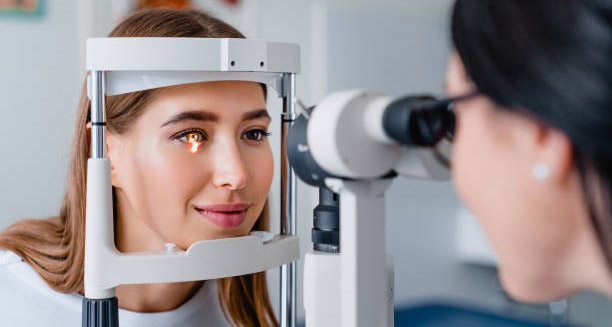
Diagnosis of lazy eye, or amblyopia, involves a detailed assessment of vision to identify reduced acuity in one eye that cannot be explained by any structural abnormality. Since lazy eye usually starts quietly in early childhood, regular vision checks are very important. These checks help find the problem early, before lasting damage happens. The earlier the diagnosis of lazy eye, the better the chances of full recovery. Ideally, doctors should diagnose it before a child turns seven. Starting treatment early gives the best results. Eye doctors begin with a full eye check. An optometrist or ophthalmologist handles this. They test each eye one at a time, using tools suited to the child’s age. If the child is too young to read letters, the doctor may use pictures, shapes, or simple games. These help test how clearly the child sees. A big difference in sight between the eyes often leads to more testing. One key step in the diagnosis of lazy eye is checking for refractive errors. These include nearsightedness, farsightedness, or astigmatism. Doctors perform a refraction test to find out what lens power each eye needs. To get a correct result, they may first put in special drops. These drops, called cycloplegic drops, relax the eye muscles so the focusing effort doesn’t get in the way. Often, amblyopia results from anisometropia. This means each eye has a very different refractive error. Even when both eyes look healthy, the brain may choose the clearer image. It then ignores the blurrier one. Finding and fixing this imbalance is key to recovery. Eye movement and binocular testing in the diagnosis of lazy eye If the eyes seem out of line, doctors run more tests. One common test is the cover-uncover test. The doctor covers one eye and watches how the other moves. Any drifting shows a possible misalignment. This helps find strabismus, another cause of lazy eye. Doctors also test how well both eyes work as a team. Lazy eye can make this teamwork weaker. So, they use binocular vision tests. These might include depth tests using 3D pictures or glasses. If a child has poor depth vision, it supports the diagnosis of lazy eye. Sometimes, doctors check the structure of the eye. They may use a slit-lamp or look closely at the retina. This helps rule out problems like cataracts or scarring. If something blocks light from entering the eye, it can cause deprivation amblyopia. These cases usually need surgery fast to fix the problem. Doctors also check how the pupils react to light and if both eyes follow objects smoothly. If one eye moves slowly or oddly, it could show an issue with visual signals reaching the brain. Early detection and special tests for diagnosis of lazy eye Most children only get formal vision tests after showing signs. But now, more schools and nurseries check vision early—between ages three and five. Even so, parents must stay alert. If there’s a family history of lazy eye, strabismus, or strong prescriptions, kids should get checked even earlier. Diagnosing lazy eye in babies is harder but still doable. Parents or doctors might notice poor tracking or the baby turning one eye often. In those cases, the child should see a pediatric eye doctor. Doctors may use special tools like Teller acuity cards. These measure which eye the baby prefers, even before the baby can speak. In rare cases, doctors may use brain scans. They do this if nothing in the eye seems wrong but vision is still poor. This helps rule out brain or nerve problems like tumors or optic nerve issues. Summary and treatment planning after diagnosis of lazy eye After confirming amblyopia, the doctor decides what type it is—strabismic, refractive, or deprivation. They also mark how bad it is—mild, moderate, or severe. This helps choose the right treatment. The child’s visual sharpness is then tracked over time to see how well treatment works and if it needs changes. To sum up, the diagnosis of lazy eye means testing how sharp the vision is, checking for glasses needs, looking at how the eyes line up, and ruling out any hidden eye damage. Even though lazy eye often comes with no signs, spotting it early and checking carefully gives the best chance of saving sight. With proper care, most children with amblyopia can see much better and live without vision problems. [Next: Treatment of Lazy Eye →]

Diagnosis of Lazy Eye Read More »

Treatment of Lazy Eye

Treatment of Lazy Eye

Treatment of lazy eye focuses on strengthening the weaker eye and encouraging the brain to use it more effectively. Because the condition starts early in life, starting treatment in childhood gives the best results—ideally before age seven. Still, new research in brain flexibility shows that treatment of lazy eye can help older children, teens, and even adults. It just takes more time and effort. The first step is to fix any vision problems. Eye doctors usually prescribe glasses or contact lenses. These help both eyes to focus well. In some mild cases, glasses alone improve the weak eye, especially when worn early. Children should wear them all the time to help the brain adjust. After correcting vision, doctors often use occlusion therapy, also called patching. This means placing a patch over the strong eye for a few hours each day. It forces the brain to use the weak eye. The patching time depends on age, how bad the lazy eye is, and how well the child responds. For mild cases, doctors recommend patching for two to six hours daily. Severe cases may need longer. Patching can be tough for young kids. It may feel strange or annoying. Parents can help by adding fun activities like watching cartoons, reading, puzzles, or drawing. These help the weaker eye work harder. Reward charts or fun apps can also make patching easier. Atropine Drops and Vision Therapy in the Treatment of Lazy Eye Another option is atropine eye drops. These blur the stronger eye by making the pupil large and stopping it from focusing. Drops are usually used once a day. They are a good choice for kids who don’t like patches. Many studies show that atropine works just as well as patching and can be easier to use. Some treatment plans mix patching or atropine with vision therapy. This therapy uses special eye exercises to build visual skills. These activities improve eye movement, focusing, depth vision, and working both eyes together. Kids can do these exercises at home or in a clinic, using games or digital tools. Treatment of lazy eye in this way is very helpful for older children or adults who need more support. If crossed or misaligned eyes cause the lazy eye, eye surgery may be needed. Surgery helps the eyes point in the same direction. While surgery doesn’t fix vision in the weak eye, it helps both eyes work better as a team. After surgery, patching or therapy becomes more effective. Some patients may need more than one surgery to get the best results. Early Surgery for Deprivation-Related Lazy Eye When something blocks vision—like cataracts or droopy eyelids—early surgery is a must. For example, cataracts must be removed in the first few months of life. This allows the eye to start developing properly. After surgery, doctors might place an artificial lens or prescribe glasses. Then patching helps the eye start seeing well again. People once thought that treatment of lazy eye doesn’t work in adults. But recent tools and studies now show some progress is possible. Therapies using computer programs, virtual reality, or even video games try to retrain the brain. These treatments may not bring full recovery, but they offer new hope to adults. Monitoring Progress and Supporting Children Emotionally Regular checkups are key during treatment. The eye doctor will track how well the weak eye sees and whether the eyes are working together. If progress slows down, they will change the plan. This might mean more patching time, starting therapy, or fixing problems like discomfort or poor cooperation. Parents play a huge role in helping the treatment work. Kids need help understanding why they must wear glasses or use a patch. Encouragement during therapy can boost results. Families should know that vision gets better slowly, and staying consistent makes a big difference. Treatment of lazy eye can also affect a child’s feelings. Wearing a patch or glasses may make some children feel shy or different. Kind words from parents, help from teachers, or books about patching can make them feel more confident. In short, treatment of lazy eye aims to fix the weaker eye by using glasses, patching, eye drops, therapy, or sometimes surgery. Most children recover good vision if treated early and regularly. Even older patients now have more choices thanks to new treatments. [Next: Complications of Lazy Eye →]

Treatment of Lazy Eye Read More »

Scroll to Top