Causes of Hypoglycaemia
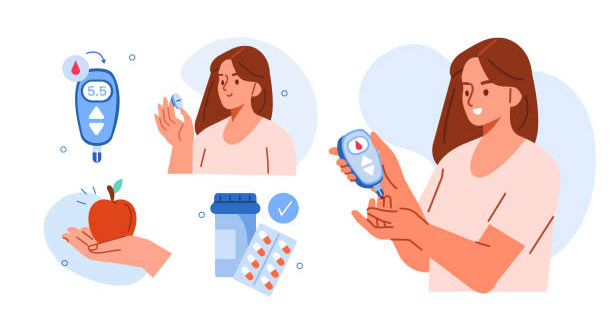
Hypoglycaemia happens when blood sugar falls below what the body and brain need to work well. Glucose provides energy, especially for the brain, and its level is controlled by hormones like insulin, glucagon, adrenaline, cortisol, and growth hormone. If this balance breaks—due to too much insulin, not enough food, metabolic problems, or organ failure—blood sugar can drop dangerously low. This section looks at many causes of hypoglycaemia, including those related to diabetes and those that are not. Knowing these causes helps with preventing, spotting early, and treating hypoglycaemia. Diabetes and Medication-Induced Hypoglycaemia The most common cause worldwide is medication use in people with diabetes. This includes: Blood sugar can fall too low if people: This type of hypoglycaemia can be mild or severe. Nighttime lows or lack of warning signs (hypoglycaemia unawareness) make it more dangerous. Fasting and Starvation People without diabetes can also get hypoglycaemia from fasting or not eating enough. The liver’s glycogen stores run out, so blood sugar can’t stay normal. This is common in: The body’s usual response—releasing glucagon and adrenaline—may be weaker, causing a bigger drop in blood sugar. Alcohol-Induced Hypoglycaemia Alcohol affects blood sugar by stopping the liver from releasing glucose. This happens especially after drinking a lot on an empty stomach. Alcohol blocks gluconeogenesis, the process the liver uses to make glucose from non-carb sources. Those at risk include: Symptoms may appear hours after drinking. Severe cases can cause seizures or passing out during sleep. Reactive (Postprandial) Hypoglycaemia This happens when blood sugar drops a few hours after a meal high in carbs. It is caused by an overreaction of insulin that lowers blood sugar too fast. It can happen in: Though not usually dangerous, reactive hypoglycaemia causes shakiness, hunger, anxiety, and tiredness. Frequent episodes may reduce life quality and lead to weight gain from constant snacking. Organ Dysfunction Some organ problems can cause hypoglycaemia: In these cases, hypoglycaemia signals a serious health issue. Tests include hormone checks, imaging, and close glucose monitoring. Hormonal Imbalances and Endocrine Disorders Hormones control blood sugar tightly. Deficiencies can cause hypoglycaemia, especially in kids. Examples are: Though rare, these conditions require careful testing. Endocrinologists often collaborate with pediatricians to find the cause. Medication Errors and Overdoses Mistakes in taking medicine are a big cause of hypoglycaemia, especially among: Some non-diabetes drugs can also cause hypoglycaemia, such as: Intentional overdoses, often linked to self-harm, can cause life-threatening hypoglycaemia needing hospital care. Conclusion Hypoglycaemia has many causes—from common diabetes treatment to rare hormone or metabolic issues. Finding the root cause is key to proper treatment and stopping it from happening again. While diabetes-related hypoglycaemia is the most common, doctors should also look for less clear causes, especially if episodes happen often without clear reason. Knowing the causes helps patients and healthcare workers stay alert, prevent lows, and act fast if symptoms appear. The next section will cover the symptoms of hypoglycaemia and what signs no one should ignore. Causes of hypoglycaemia vary widely, so understanding them improves prevention and care. [Next: Symptoms of Hypoglycaemia →]