Complications of Hypotension
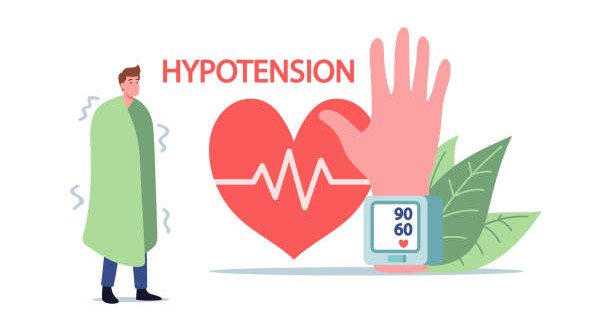
While often overlooked compared to high blood pressure, hypotension can be just as dangerous when it lasts or goes untreated. The body needs enough blood pressure to supply oxygen and nutrients to vital organs. When blood pressure drops too low, even for a short time, it can cause many problems that affect physical health, mental well-being, and quality of life. Cerebral Complications: Impaired Brain Function One of the most immediate risks of hypotension is less blood flow to the brain. Even a brief drop can cause: Cardiovascular Strain and Heart Damage Low blood pressure can also stress the heart and blood vessels. When pressure drops, the heart may beat faster to try to keep blood flowing. This can cause: Renal (Kidney) Complications The kidneys need steady blood pressure to work well. Long-lasting or severe hypotension can reduce their ability to filter waste and keep fluids balanced. This may cause: Injury from Falls and Accidents Hypotension, especially orthostatic hypotension, greatly increases the chance of falls. People may suddenly feel dizzy or faint when standing up, leading to: Gastrointestinal Effects Low blood pressure reduces blood flow to the gut, causing symptoms like: Endocrine and Hormonal Consequences Low blood pressure may both signal and cause hormone problems. Poor blood flow to glands like the adrenals or pituitary can lead to: Fatigue and Reduced Quality of Life Even when not life-threatening, chronic hypotension often causes daily struggles. People report tiredness, low energy, poor focus, and cold hands and feet. These symptoms can: Psychological and Emotional Impact Living with hypotension can harm mental health. Frequent fainting, fear of falling, and unpredictable symptoms lead to: Life-Threatening Complications: Shock Sometimes hypotension becomes so severe that it causes shock. This means blood pressure falls so low the body cannot keep organs alive. Types of shock include: Long-Term Prognosis and Monitoring Many problems from hypotension can be avoided or fixed with good care. However, if untreated, it may cause: Conclusion Hypotension might seem mild at first, but it can cause many serious issues affecting almost every body system. From brain fog to kidney stress and a higher risk of falls, these problems can be both sudden and long-lasting. Recognizing these dangers helps doctors and patients act early to reduce risks, improve daily life, and protect long-term health. [Next: Outlook for Hypotension →]