Mental Matters

Health & Wellness

Treatment of Lung Disease

Treatment of Lung Disease

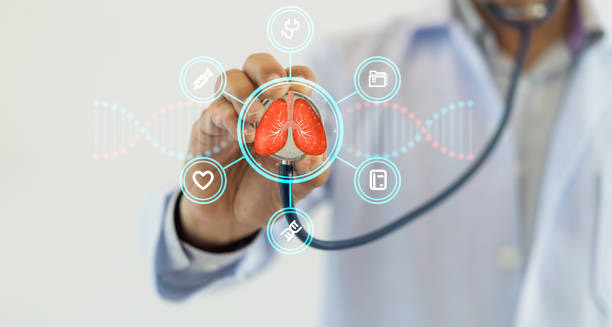
Treatment of lung disease depends heavily on the specific type of condition, its severity, the underlying cause, and the overall health status of the patient. Since lung diseases cover a wide range—including infections, inflammation, structural damage, genetic issues, and cancers—the treatment must be tailored to each person. The main goals of treatment are to ease symptoms, stop or slow the disease, improve lung function, and raise quality of life. Lifestyle Changes Are Essential One of the most important steps in the treatment of lung disease is changing lifestyle habits, especially for smokers. Quitting smoking is crucial for diseases like chronic obstructive pulmonary disease (COPD), emphysema, and lung cancer. Continuing to smoke speeds up lung damage and makes medications less effective. Tools such as nicotine replacement, counselling, support groups, and prescription drugs like varenicline or bupropion can greatly boost success in quitting. Medicines and Their Roles Medicines form the backbone of treatment for many lung conditions. In asthma and COPD, bronchodilators relax airway muscles to improve airflow. People usually use these as inhalers. Some work quickly for relief (like salbutamol), while others last longer to keep symptoms controlled (such as salmeterol or tiotropium). Inhaled corticosteroids reduce swelling in the airways and work well for asthma. Often, doctors prescribe combination inhalers that mix bronchodilators and steroids for moderate to severe cases. For lung scarring diseases like pulmonary fibrosis, doctors may use antifibrotic drugs like pirfenidone or nintedanib. These don’t cure the disease but help keep lung function steady. In autoimmune lung diseases, medicines that suppress the immune system—like azathioprine, methotrexate, or corticosteroids—are important to control inflammation and avoid lasting damage. Fighting Infections If an infection causes the lung problem, doctors use antibiotics, antivirals, or antifungals based on the cause. For example, bacterial pneumonia usually needs antibiotics like amoxicillin or levofloxacin. Tuberculosis requires several drugs over many months. Serious infections sometimes call for hospital care with IV medicine, oxygen, or even breathing machines. Oxygen and Breathing Support When blood oxygen levels drop too low, oxygen therapy often helps. Oxygen comes through nasal tubes, masks, or high-flow devices. Some patients need portable oxygen machines at home. Oxygen helps ease breathlessness, improves sleep, and boosts exercise ability, especially in advanced COPD and pulmonary fibrosis. If breathing fails, more intense support may be needed. Non-invasive ventilation (NIV) helps during COPD flare-ups, while mechanical ventilation is used during surgery, severe pneumonia, or ARDS. Long-term ventilator use may require a tracheostomy and special care. Rehabilitation and Exercise Pulmonary rehabilitation is a very effective treatment, especially for chronic lung diseases. These programs include exercise training, education, nutrition advice, and mental health support. Rehabilitation helps patients build strength, reduce symptoms, and feel better overall. Cancer and Surgery Treatments For lung cancer, treatment depends on the type (small cell or non-small cell), stage, and patient health. Common methods include surgery (removing lung parts), radiation, chemotherapy, and newer treatments like targeted therapy and immunotherapy. Targeted drugs such as EGFR inhibitors and immunotherapies like checkpoint blockers have changed lung cancer care, offering new hope even for advanced cases. Lung Transplant and Advanced Care In some end-stage lung diseases, lung transplantation might be an option. This applies to diseases like cystic fibrosis, idiopathic pulmonary fibrosis, and severe emphysema. Transplants can save lives but require lifelong medicine to prevent organ rejection and infection, plus close monitoring. Caring for Children with Lung Disease Children need special care. In asthma, teaching proper inhaler use is vital. Cystic fibrosis treatment includes enzyme therapy, chest physiotherapy, and close follow-up. Babies and toddlers with pneumonia or bronchiolitis might need hospital treatment. Managing these illnesses in children requires a team approach. Mental Health and Social Support Living with lung disease can lead to anxiety, depression, and isolation. Mental health care, support groups, and community programs help patients stay emotionally strong and follow their treatment plans. New Digital Tools Digital health tools are becoming part of treatment. Smart inhalers, symptom-tracking apps, telemedicine, and wearable oxygen monitors help patients manage their conditions and stay connected to their doctors. These tools improve medicine use, catch problems early, and reduce emergency visits. Monitoring and Prevention Early diagnosis and treatment make a big difference. Regular check-ups, lung function tests, and scans let doctors watch how the disease changes and adjust treatment. Patients should also avoid triggers like dust, pollution, extreme temperatures, and allergens. To sum up, the treatment of lung disease is broad and changes with new discoveries. It includes medicines, oxygen, surgery, rehab, and mental health support. But the best way to reduce the burden of lung disease worldwide is through lifestyle changes and early care. [Next: Complications of Lung Disease →]

Treatment of Lung Disease Read More »

Complications of Lung Disease

Complications of Lung Disease

The complications of lung disease can be far-reaching, affecting not only the respiratory system but also various other organs and functions of the body. Since the lungs play a central role in oxygen exchange and carbon dioxide elimination, any disruption can trigger a chain reaction that leads to serious — and sometimes irreversible — consequences. Early recognition and management of the complications of lung disease are critical to improving patient outcomes and quality of life. Breathing Failure and High Lung Pressure One of the most serious complications of lung disease is respiratory failure. This happens when the lungs can’t give the body enough oxygen or remove carbon dioxide. It may build up over time, as seen in chronic obstructive pulmonary disease (COPD) or pulmonary fibrosis. It can also appear suddenly, like during a severe asthma attack or acute respiratory distress syndrome (ARDS). People with respiratory failure often need to stay in the hospital. Many require oxygen therapy or breathing machines to stay alive. Another major complication is pulmonary hypertension. This means high blood pressure in the lung arteries. It often results from low oxygen levels, long-term lung disease, or sleep apnoea. Pulmonary hypertension puts pressure on the right side of the heart. Over time, this may lead to right-sided heart failure, known as cor pulmonale. Common signs include tiredness, chest pain, swollen legs, and shortness of breath, especially during movement. Infections, Collapsed Lungs, and Fluid Build-Up Infections happen often in people with lung problems. Those with weak immune systems or poor lung clearance, such as in cystic fibrosis or bronchiectasis, face a higher risk. These infections can be bacterial, viral, or fungal. If left untreated, they can become life-threatening. Most cases need strong antibiotics or antifungal medication, sometimes given in the hospital. Collapsed lungs, also called pneumothorax, are another danger. This usually occurs when air sacs burst, especially in people with emphysema or tuberculosis. A collapsed lung causes sudden chest pain and trouble breathing. Treatment often requires a chest tube to let the lung expand again. Another issue is pleural effusion. This means fluid builds up around the lungs. It may happen due to infection, cancer, heart trouble, or inflammation. If the fluid gets too much, the lungs can’t expand well. This leads to breathlessness and chest pressure. Doctors may drain the fluid and treat the root cause. Long-Term Weakness and Mental Struggles In people with advanced lung disease, even normal breathing uses a lot of energy. Over time, this constant effort causes weight loss, tired muscles, and weakness. Daily tasks become harder, and the risk of falling or injury grows. Many patients struggle to keep up with basic routines. Mental health problems are also very common. People often feel anxious, depressed, or hopeless. The fear of breathlessness, frequent doctor visits, and being stuck indoors all take a toll. This leads to isolation and a poorer quality of life. Support from counsellors, therapists, or peer groups can help ease these emotional challenges. Advanced Cases and Oxygen Dependence As lung disease gets worse, many patients rely on oxygen therapy. While oxygen can help with survival and movement, it also brings limits. Carrying tanks, staying near machines, and needing constant refills can make people feel trapped. It can reduce their freedom and social life. Blood clots in the lungs — called pulmonary embolisms — are another serious problem. These often happen in people who stay still for long periods or already have heart disease or cancer. A pulmonary embolism brings sudden chest pain, fast breathing, and can be deadly. Quick treatment with blood thinners is key. In people with autoimmune-related lung diseases, such as those linked to rheumatoid arthritis or systemic sclerosis, the problems spread further. These patients may face kidney damage, joint trouble, or skin issues. These extra complications need a full team of doctors to manage properly. Children, Sleep Problems, and Quality of Life Some complications of lung disease even affect sleep. Conditions like sleep apnoea or low night-time breathing reduce oxygen levels while people sleep. This leads to daytime tiredness, poor focus, and raises the chance of heart problems. Machines like CPAP or bilevel ventilation help many people breathe better at night. Children face unique challenges. Kids with severe asthma or cystic fibrosis often miss school and grow more slowly. Long-term steroid use may stop growth, weaken bones, or affect the immune system. Paediatric care teams need to step in early and work closely with families. The financial and social weight of these complications is also heavy. People often end up in the hospital many times. They may need long-term medicine or lose their jobs. Caregivers also feel the pressure. Social workers and health support teams play a big role in helping families cope. End-Stage Complications of Lung Disease When treatments no longer work, palliative care becomes vital. This type of care focuses on easing symptoms, especially shortness of breath, pain, and fear. It also offers emotional and spiritual help. Getting palliative care early can make life better for both patients and their loved ones. In summary, the complications of lung disease affect the whole body and every part of life. They create physical, mental, and social problems. By acting early, treating each symptom properly, and working as a team, doctors and families can reduce these complications and help patients live better. [Next: Back to Overview →]

Complications of Lung Disease Read More »

Overview of Low Testosterone

Low Testosterone

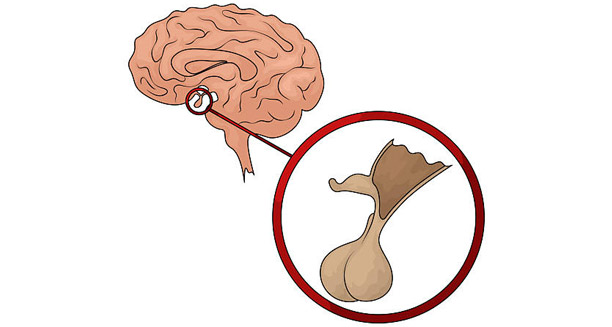
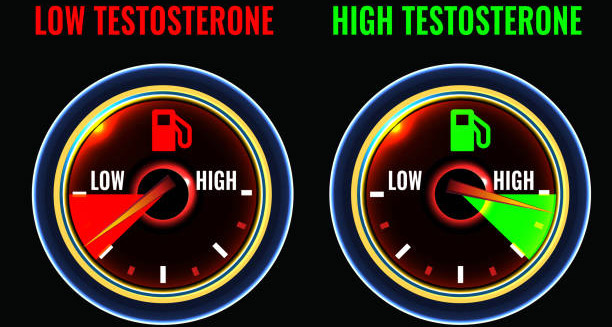
Low testosterone, also called male hypogonadism, happens when the body makes too little of the main male hormone, testosterone. This hormone plays a key role in growing male reproductive organs, keeping muscles and bones strong, helping sperm production, controlling sex drive, and supporting mood and thinking. When testosterone levels drop, it can affect physical, emotional, and sexual health — sometimes in small ways, sometimes in large ways. In adult men, the testicles produce most testosterone after receiving signals from the hypothalamus and pituitary gland in the brain. Normal testosterone levels vary but usually fall between 300 and 1,000 nanograms per decilitre (ng/dL). Levels below 300 ng/dL, especially with symptoms, often mean low testosterone and should be checked by a doctor. There are two main types of low testosterone: Sometimes, both primary and secondary causes happen together. This mixed hypogonadism often appears in older men, where both testicular function and brain signaling weaken. Rising Cases and Lifestyle Effects The causes of low testosterone are becoming more common. Studies show that 10 to 25% of men over 40 may have low testosterone. This rate grows much higher after age 60. Modern lifestyles might also play a role. Poor diet, lack of exercise, stress, pollution, and bad sleep habits may lower testosterone even in younger men. This trend worries public health experts. Testosterone naturally falls about 1% each year after age 30. However, a bigger drop can cause troubling symptoms. Men may notice less sex drive, trouble getting erections, feeling tired, depression, loss of muscle, more belly fat, weaker bones, anemia, trouble focusing, and infertility. Low Testosterone in Women Women also produce testosterone, though at much lower levels. Their ovaries and adrenal glands make this hormone. While its role in women is less clear, it helps with sex drive, bone health, and mood. Low testosterone in women may cause tiredness, low desire, and a general lack of energy. Diagnosing Low Testosterone Doctors diagnose low testosterone with a blood test, usually done in the morning when levels peak. If total testosterone is low, doctors may check free testosterone (the active form) and test other hormones like luteinising hormone (LH), follicle-stimulating hormone (FSH), and prolactin. These tests help find out if the problem is primary or secondary. Low testosterone is not just about sex or aging. It can signal wider problems in metabolism, hormones, or the whole body. Men with low levels often face higher risks for heart disease, diabetes, depression, and weak bones. Next Steps and Treatment Once low testosterone is found, doctors look for the cause. They ask if the problem is reversible, like medicine side effects, or linked to illness or pituitary issues. Sometimes, it is just age-related decline. These answers guide treatment choices. Testosterone replacement therapy (TRT) has grown popular, especially among older men wanting more energy and strength. TRT can improve life quality but needs careful use. It does not suit everyone and may carry risks, especially for men with prostate or heart problems. Doctors must weigh benefits like better energy, sex drive, and muscle against possible side effects. Conclusion Low testosterone is common but often misunderstood. It affects many parts of a man’s health. Early detection matters. Proper diagnosis, lifestyle review, and careful treatment can restore hormone balance, ease symptoms, and support long-term health. [Next: Causes of Low Testosterone →]

Low Testosterone Read More »

Causes of Low Testosterone

Causes of Low Testosterone

The causes of low testosterone are varied and often multifactorial, ranging from genetic and developmental conditions to lifestyle and age-related changes. The body makes testosterone through a careful balance between the brain (especially the hypothalamus and pituitary gland) and the testes. When something disrupts this hormonal system—called the hypothalamic-pituitary-gonadal (HPG) axis—testosterone levels drop. This drop can affect male health in many ways. To better understand the causes of low testosterone, it helps to group them into two main types: primary hypogonadism (testicular failure) and secondary hypogonadism (problems in the pituitary or hypothalamus). A third type, mixed hypogonadism, combines both. 1. Primary Hypogonadism (Testicular Causes) Primary hypogonadism happens when the testes fail to produce enough testosterone, even though the brain signals them to do so. Common causes include: 2. Secondary Hypogonadism (Pituitary/Hypothalamic Causes) In secondary hypogonadism, the testes work fine, but they do not get the right signals from the brain to make testosterone. 3. Mixed or Functional Hypogonadism Some men show signs of both primary and secondary hypogonadism. This mixed type often happens in older men or those with chronic illness. 4. Lifestyle and Environmental Factors Even without clear diseases, everyday habits and exposures can cause low testosterone. 5. Idiopathic Low Testosterone Sometimes, doctors cannot find a clear cause despite thorough tests. This is called idiopathic hypogonadism. It might come from small genetic factors, unknown lifestyle reasons, or just natural differences. Conclusion The causes of low testosterone are many. They range from obvious medical problems to subtle lifestyle factors. Finding the exact cause helps pick the best treatment. Some types of low testosterone cannot be fixed, but many improve with lifestyle changes, treating medical conditions, or hormone therapy. [Next: Symptoms of Low Testosterone →]

Causes of Low Testosterone Read More »

Symptoms of Low Testosterone

Symptoms of Low Testosterone

Low testosterone can affect nearly every part of a man’s physical, emotional, and sexual health. Because testosterone plays a key role in male physiology, even small drops in levels can cause noticeable changes, especially when they last over time. These symptoms often develop gradually and can be mistaken for normal aging or stress-related fatigue, leading many men to delay seeking medical advice. It’s important to consider how testosterone decline impacts sexual function, mood, cognition, strength, metabolism, and overall vitality. Some men experience many symptoms, while others notice only one or two subtle changes that appear slowly over months or years. 1. Reduced Sexual Drive (Low Libido) A common early symptom is a clear drop in sexual desire. While occasional low interest in sex is normal, persistent loss of libido often signals testosterone deficiency. Testosterone drives sexual arousal, so a chronic shortage can reduce spontaneous erections, sexual thoughts, and overall interest—regardless of partner or emotional connection. 2. Erectile Dysfunction (ED) Though erections rely on nerves, blood flow, and psychological factors, testosterone plays a key role. Men with low testosterone may struggle to get or maintain firm erections, especially in the morning or without direct stimulation. ED has many causes, but testosterone deficiency is often a contributing factor. Testosterone therapy can help some men but is not a cure-all when other issues exist. 3. Fatigue and Low Energy Persistent tiredness is common. Many men feel exhausted even after a full night’s sleep. Energy can vary throughout the day, often leading to greater caffeine or stimulant use. Unlike ordinary tiredness, this fatigue is unexplained, unrelenting, and can seriously reduce motivation and physical performance. 4. Mood Changes and Depression Testosterone affects brain chemicals like serotonin and dopamine that regulate mood. Low levels are linked to: Men may feel emotionally disconnected or lose interest in activities they once enjoyed (anhedonia). Low testosterone is often missed in men treated only for depression or anxiety. 5. Loss of Muscle Mass and Strength Testosterone helps build and maintain lean muscle. Deficiency can cause muscle weakness and smaller muscle size, even in active men. The response to resistance training may also decline. Over time, muscle loss becomes noticeable, especially in the arms, chest, and legs, sometimes leading to a slower metabolism and weight gain. 6. Increased Body Fat Low testosterone often causes more fat around the abdomen, a pattern sometimes called “male menopause” or andropause. Men may also develop gynecomastia (breast tissue enlargement) due to a hormone imbalance. These changes can cause emotional distress and lower self-esteem. 7. Reduced Bone Density Testosterone is vital for healthy bones. Chronic deficiency increases the risk of osteopenia and osteoporosis, making bones fragile and prone to fractures—especially in hips, spine, and wrists. Some men may have unexplained fractures or back pain from undiagnosed bone loss. 8. Poor Concentration and Brain Fog Cognitive symptoms include: These issues can impair work, decision-making, and confidence, especially in demanding jobs. 9. Decreased Testicular Size and Semen Volume Lower testosterone may cause smaller testes, softer testicular tissue, and reduced scrotal firmness. Semen volume may also decline, affecting fertility and sexual satisfaction. 10. Hair Thinning or Loss While genetics mainly cause male pattern baldness, testosterone and its derivative DHT influence hair growth. Low testosterone can cause thinning of body hair (chest, arms, legs) and slow or patchy beard growth, which some men find concerning. 11. Sleep Disturbances Low testosterone is linked to poor sleep, including insomnia and frequent waking. Poor sleep can also lower testosterone, creating a vicious cycle. Sleep apnoea, which disrupts hormone regulation, should be ruled out. 12. Infertility Testosterone is essential for sperm production. Low levels can reduce sperm count, motility, and semen quality, making conception difficult. Testosterone therapy can further suppress sperm production, so fertility treatments must be managed by specialists. 13. Anaemia and Reduced Red Blood Cells Low testosterone can cause anaemia by reducing red blood cell production. Men may feel more fatigued due to low haemoglobin. Treating testosterone deficiency often improves anaemia. In summary, the symptoms of low testosterone are diverse and often subtle. They can be mistaken for aging or other conditions but affect emotional well-being, sexual function, and physical health deeply. Recognizing these symptoms early helps with diagnosis, treatment, and improving quality of life. [Next: Diagnosis of Low Testosterone →]

Symptoms of Low Testosterone Read More »

Diagnosis of Low Testosterone

Diagnosis of Low Testosterone

Diagnosing low testosterone requires a careful mix of medical history, physical exam, and lab testing. Testosterone levels naturally vary throughout the day and can be influenced by many factors, so one low test result isn’t enough to confirm deficiency. A thorough, evidence-based approach helps distinguish true low testosterone from temporary dips caused by stress, illness, or medications. The goal is to match symptoms with hormone test results. This ensures only men who need treatment receive it, avoiding unnecessary hormone therapy in those with normal hormone variation. 1. Initial Clinical Evaluation Diagnosis begins with a detailed consultation between patient and healthcare provider. The clinician asks about: A physical exam checks for: These findings help confirm suspicion and guide lab testing. 2. Laboratory Testing Blood tests measure serum testosterone to confirm deficiency. a) Total Testosterone Test b) Free Testosterone Test c) LH and FSH d) Prolactin Levels e) SHBG 3. Imaging Studies (If Needed) Imaging is not routine but may be done when indicated: 4. Other Blood Tests and Assessments Additional tests may clarify overall health or treatment readiness: 5. Confirming the Diagnosis Low testosterone diagnosis requires both symptoms and lab evidence. Guidelines advise against treating based on blood tests alone. 6. Excluding Temporary Causes Before confirming low testosterone, rule out temporary factors that can lower hormone levels: Retest after these issues resolve to avoid misdiagnosis. In conclusion, diagnosing low testosterone is a detailed process that matches symptoms with repeated, accurate hormone testing. This precision avoids unnecessary treatment or missed diagnosis. Proper diagnosis is the first step to restoring hormone balance and improving long-term quality of life. [Next: Treatment of Low Testosterone →]

Diagnosis of Low Testosterone Read More »

Treatment of Low Testosterone

Treatment of Low Testosterone

The treatment of low testosterone aims to restore hormone levels to a healthy range, ease symptoms, and boost overall well-being. Testosterone plays a vital role in sexual function, muscle strength, bone health, mood, and energy. When levels drop, quality of life can suffer. After diagnosis by symptoms and blood tests, treatment options can begin based on clinical guidelines. Each man’s plan should be personalized, considering age, fertility goals, health, and symptom severity. 1. Testosterone Replacement Therapy (TRT) TRT is the main treatment for men with symptoms and confirmed low testosterone. It supplements the body with testosterone to restore normal levels and relieve symptoms. Forms of TRT: Goals of TRT: 2. Monitoring During TRT Regular monitoring ensures safety and effectiveness. Typical tests include: Doses may change based on response or side effects. Men should understand risks and keep scheduled follow-ups. 3. Lifestyle and Natural Interventions Some men with mild or borderline symptoms benefit from lifestyle changes that boost testosterone naturally. These include: While these may not replace TRT, they improve health and complement treatments. 4. Treatment in Men Wanting Fertility Standard TRT reduces sperm production and is not suited for men who want to father children soon. Alternatives include: These options preserve fertility and require specialist care. 5. Risks and Contraindications of TRT Though usually safe with supervision, TRT is not for everyone. Contraindications include: Possible side effects: A careful risk-benefit review is essential, especially for older men or those with health problems. 6. Treatment Duration and Follow-Up There is no fixed end date for TRT. Many men stay on treatment long-term if they benefit and tolerate it. Stopping TRT can cause symptoms to return, especially if the cause is permanent. For reversible causes like obesity or alcohol use, TRT may be temporary while lifestyle changes take effect. Testosterone levels might normalize without ongoing therapy in these cases. In summary, treating low testosterone combines medical therapy, lifestyle changes, and support tailored to the individual. TRT remains the most effective treatment but carries risks. Careful monitoring, patient education, and open communication ensure safe and successful management. Proper treatment can greatly improve vitality, confidence, and quality of life for men with low testosterone. [Next: Complications of Low Testosterone →]

Treatment of Low Testosterone Read More »

Complications of Low Testosterone

Complications of Low Testosterone

The complications of low testosterone can greatly affect physical health, mental well-being, and quality of life. Testosterone controls many body functions, and when levels drop below normal, problems can develop slowly or suddenly. Ageing, medical issues, or hormone problems may cause low testosterone. If left untreated, it can lead to serious health risks. Understanding the complications of low testosterone helps catch problems early and prevent lasting damage. 1. Sexual Dysfunction and Infertility One of the first signs of low testosterone affects sexual health. Men may notice: Ignoring these issues can hurt relationships, reduce self-esteem, and cause emotional pain. 2. Loss of Muscle and Increased Body Fat Testosterone helps build and keep muscle. A long-term shortage can cause: This change can cause insulin resistance and metabolic syndrome. These problems make weight control harder and raise type 2 diabetes risk. 3. Osteoporosis and Bone Fractures Low testosterone weakens bones by lowering bone growth and increasing bone loss. 4. Anaemia and Fatigue Testosterone helps the body make red blood cells. Without enough, men may get: People often blame these signs on age or lifestyle, but hormone treatment can reverse them. 5. Mood Changes and Memory Problems Low testosterone can hurt mental health and brain function. Men may feel: In older men, low testosterone may worsen mild cognitive issues or early dementia. More study is needed to prove this. 6. Heart and Metabolic Risks The link between testosterone and heart health is complex. Some studies show low testosterone may cause: Low testosterone also contributes to obesity and less exercise, raising heart risk. However, doctors must watch testosterone treatments carefully in men with heart disease, as some forms can increase risk if misused. 7. Sleep Problems Low testosterone can harm sleep quality. Men might have: Poor sleep lowers testosterone more, creating a harmful cycle. 8. Lower Quality of Life All these problems reduce life enjoyment. Men often report: These emotional effects can be as hard as physical symptoms and need to be treated too. 9. Worsening Other Health Issues Low testosterone can make other diseases worse: Treating low testosterone may improve these health problems, especially with other treatments. 10. Shorter Life and Higher Death Risk Some studies suggest untreated low testosterone may increase the chance of early death, mainly from heart and metabolic diseases. More research is needed, but chronic low testosterone clearly harms long-term health. In conclusion, the complications of low testosterone cover many body systems and affect mental and physical health. From sexual problems and weak bones to depression and tiredness, these issues can hurt men’s lives. Early diagnosis and proper treatment can stop or lessen many complications. Treating low testosterone fully helps men gain energy, better health, and a happier life. [End of Article – Low Testosterone]

Complications of Low Testosterone Read More »

Overview of Low Blood Pressure

Low Blood Pressure

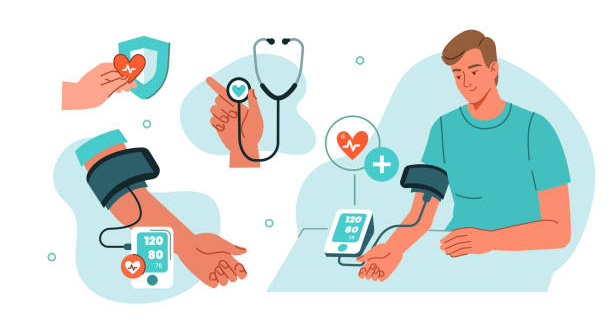
Low blood pressure, or hypotension, occurs when blood pressure readings fall significantly below normal levels — typically when systolic pressure is below 90 mmHg or diastolic pressure is below 60 mmHg. While it can be harmless and even desirable for some, particularly athletes or physically active individuals, hypotension can cause symptoms like dizziness, fainting, and fatigue. In some cases, it may indicate underlying health problems that require attention. Blood pressure refers to the force of circulating blood against artery walls. Several factors influence it, including heart output, blood volume, arterial stiffness, and hormones. When blood pressure drops too low, vital organs like the brain, kidneys, and heart may not get enough oxygen and nutrients, leading to symptoms or serious complications. For many, low blood pressure doesn’t cause symptoms and requires no treatment. Athletes and those who maintain an active lifestyle often have naturally lower blood pressure due to increased cardiovascular efficiency. Likewise, individuals who follow a healthy diet or have a low sodium intake may have lower readings without negative effects. However, when low blood pressure impairs blood flow to the brain and other vital organs, it can cause symptoms like: In older adults, hypotension can lead to falls or injuries, making it a significant concern in aging populations. Types of Low Blood Pressure Diagnosis and Causes Diagnosing low blood pressure typically involves measuring it with a blood pressure cuff while the patient is sitting and standing. For suspected orthostatic hypotension, readings taken after five minutes of lying down and then again one and three minutes after standing help confirm the diagnosis. Hypotension isn’t a disease on its own but can be a sign of other issues. Common causes include: Though high blood pressure often steals the spotlight, low blood pressure can be just as problematic. It can lead to chronic symptoms, reduced quality of life, and an increased risk of injury from falls or fainting, particularly in vulnerable groups like the elderly, pregnant women, or those with chronic illnesses. Treatment Management depends on the underlying cause. Simple strategies like increasing fluid intake, adding more salt to the diet, or wearing compression stockings may help. More severe cases might require medication or targeted treatments for the root condition. Conclusion Low blood pressure can range from being a harmless variant in some to a symptom of a serious health issue in others. Awareness of symptoms, prompt diagnosis, and tailored treatment are essential for preventing unnecessary complications. Understanding when hypotension is a natural variation versus when it signals a health concern is crucial for proper management. [Next: Causes of Low Blood Pressure →]

Low Blood Pressure Read More »

Causes of Low Blood Pressure

Causes of Low Blood Pressure

Low blood pressure can stem from a variety of causes, ranging from harmless physiological variations to serious medical conditions. While some people naturally maintain lower blood pressure without issues, others may experience hypotension due to factors that impact the heart’s ability to pump blood or alter blood vessel tone and volume. Identifying the cause is crucial for determining whether the hypotension is benign or indicative of an underlying health problem. Common Causes Genetic predisposition is one of the most benign causes. Many younger adults and athletes naturally have lower blood pressure due to better cardiovascular efficiency. Their hearts pump more effectively, and their arteries remain flexible. In these cases, low readings are typically not concerning if no symptoms are present. Dehydration is another common cause. When the body loses more fluids than it takes in—through vomiting, diarrhea, fever, or insufficient intake—blood volume decreases. This can lead to dizziness, weakness, and fainting, especially when standing. Severe dehydration may lead to hypovolemic shock, a medical emergency requiring urgent care. Blood loss, whether due to trauma, gastrointestinal bleeding, ruptured aneurysms, or heavy menstrual periods, can also lead to a significant drop in blood pressure. When blood volume reduces, the heart struggles to maintain adequate pressure, causing symptoms like pallor, rapid pulse, and confusion. This requires immediate medical attention. Medication-Related Causes Certain medications can cause low blood pressure. These include: Older adults are especially vulnerable to drug-induced hypotension due to polypharmacy (taking multiple medications). Monitoring and adjusting dosages can often resolve the issue. Heart-Related Causes Heart conditions can lead to low blood pressure, such as: These conditions impair the heart’s ability to pump blood effectively, leading to decreased arterial pressure. Symptoms such as chest pain, shortness of breath, or bluish skin (cyanosis) require urgent medical evaluation. Endocrine Disorders Endocrine issues are also common contributors to low blood pressure. These include: Other Specific Causes Postural (orthostatic) hypotension occurs when blood pressure drops significantly upon standing. It results from a delayed or inadequate autonomic response, which allows blood to pool in the lower extremities. Causes include dehydration, medications, and long periods of inactivity. This is common in older adults and can increase the risk of falls. Postprandial hypotension occurs after meals, particularly in older adults. Blood is redirected to the digestive system, and if the cardiovascular system can’t adjust, blood pressure may fall, leading to dizziness or fainting. Smaller meals and avoiding large, carbohydrate-heavy meals can help. Neurological disorders like Parkinson’s disease and multiple system atrophy impair the autonomic nervous system’s ability to regulate blood pressure. These conditions often cause chronic and difficult-to-treat hypotension. Severe Infections and Allergic Reactions Sepsis and severe infections trigger systemic inflammation and cause blood vessels to dilate, leading to septic shock. This life-threatening condition results in dangerously low blood pressure despite a high heart rate. Prompt treatment with fluids, vasopressors, and antibiotics is critical. Anaphylaxis, a severe allergic reaction, also leads to profound hypotension due to vasodilation and fluid leakage from blood vessels. Without prompt treatment with adrenaline (epinephrine), anaphylactic shock can be fatal. Rare Causes In rare cases, nutritional deficiencies (e.g., vitamin B12 or folate) can cause anaemia, impairing oxygen transport in the blood and lowering blood pressure. Pregnancy often causes a mild drop in blood pressure, particularly in the first and second trimesters, as blood vessels dilate to accommodate the developing fetus. While this is typically temporary and self-limiting, it should be monitored if symptoms like dizziness or fainting occur. Conclusion The causes of low blood pressure are diverse, ranging from harmless variations to life-threatening conditions. Identifying the cause is essential for effective treatment. Whether hypotension is medication-related, linked to an underlying illness, or part of a broader systemic condition, understanding the cause helps clinicians provide targeted care. It also enables individuals to manage their risk and seek appropriate medical attention when needed. [Next: Symptoms of Low Blood Pressure →]

Causes of Low Blood Pressure Read More »

Scroll to Top