Mental Matters

Health & Wellness

Treatment for Asthma

Treatment for Asthma

Treatment for Asthma Asthma treatment focuses on controlling symptoms, preventing flare-ups, and maintaining normal activity levels. Management includes both medication and lifestyle adjustments. Learn more about the treatment for asthma below. 1. Controller (Preventer) Medications Used daily to reduce inflammation in the airways and prevent symptoms: 2. Reliever (Rescue) Medications Used during asthma attacks or sudden symptoms: 3. Emergency Treatment In severe cases: 4. Asthma Action Plan 5. Lifestyle Measures 6. Education and Follow-Up In South Africa, most asthma medications are available through public clinics and pharmacies. The National Asthma Education Programme provides support and resources for schools and patients. 👉 [Next: Complications of Asthma] Asthma Asthma and Allergy Clinic Parktown Diagnosis of Asthma Treatment of Chronic Obstructive Pulmonary Disease

Treatment for Asthma Read More »

Complications of Asthma

Complications of Asthma

Complications of Asthma If poorly managed, asthma can lead to serious complications that may affect long-term health, independence, and quality of life. Learn more about the complications of asthma below. 1. Severe Asthma Attacks 2. Frequent Hospitalisations 3. Permanent Lung Damage 4. Sleep Disturbances 5. Mental Health Impact 6. Reduced Physical Fitness Preventing Complications With proper care, asthma can be controlled, allowing individuals to live active, healthy lives. In South Africa, ongoing efforts aim to increase awareness, access to treatment, and school-based education to reduce asthma-related deaths. 👉 End of Series | Back to Overview Treatment for Asthma Asthma and Allergy Clinic Parktown Diagnosis of Asthma Causes and Triggers of Asthma

Complications of Asthma Read More »

Aspergillosis

Aspergillosis

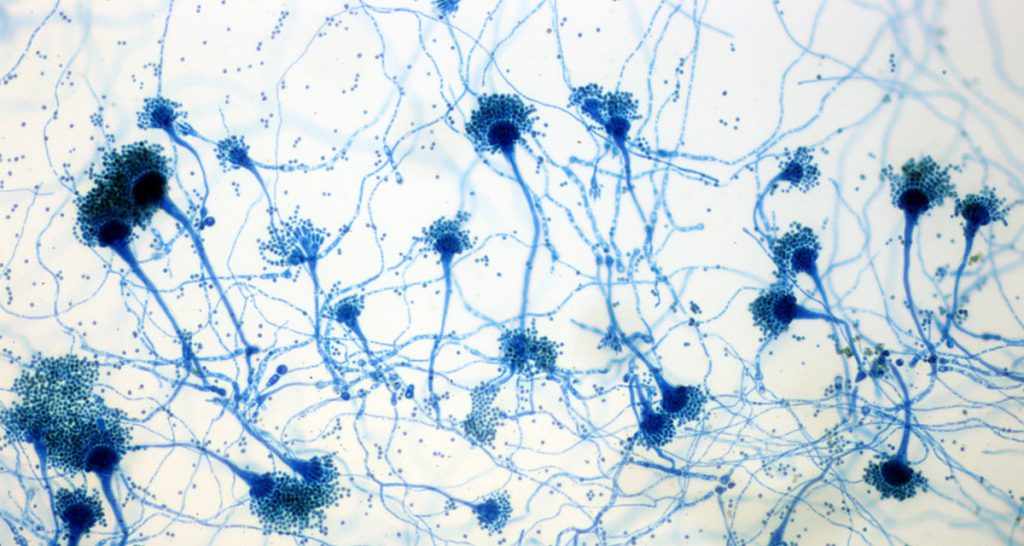
Aspergillosis Overview Aspergillosis is a disease caused by Aspergillus, a common type of mould (fungus) that lives in the environment — especially in soil, decaying vegetation, dust, and indoor air. Most people breathe in Aspergillus spores daily without getting sick. However, in people with weakened immune systems or lung disease, the spores can cause serious infections or allergic reactions. There are different types of aspergillosis, ranging from mild to life-threatening: Common symptoms: This condition is especially concerning in HIV/AIDS patients, transplant recipients, or people undergoing chemotherapy. In South Africa, rising rates of TB-related lung damage and immunosuppression make chronic and invasive aspergillosis a growing concern. 👉 [Next: Causes and Risk Factors of Aspergillosis] Andy Blecher Podiatrist Plumstead Treatment for Aspergillosis Complications of Aspergillosis Diagnosis of Aspergillosis

Aspergillosis Read More »

Causes and Risk Factors of Aspergillosis

Causes and Risk Factors of Aspergillosis

Causes and Risk Factors of Aspergillosis Aspergillosis is caused by inhaling airborne spores of the Aspergillus fungus. In healthy people, the immune system destroys the spores before they cause harm. But in vulnerable individuals, the spores may colonise the airways or spread into lung tissue and the bloodstream. Learn more about the causes and risk factors of aspergillosis below. Causes by Type: Risk Factors: In South Africa, post-TB lung cavities are a leading factor in aspergilloma and CPA cases. Hospitals also monitor invasive cases in oncology and transplant wards. 👉 [Next: Diagnosis of Aspergillosis] Causes of a Broken Back Treatment for Aspergillosis Complications of Aspergillosis

Causes and Risk Factors of Aspergillosis Read More »

Diagnosis of Aspergillosis

Diagnosis of Aspergillosis

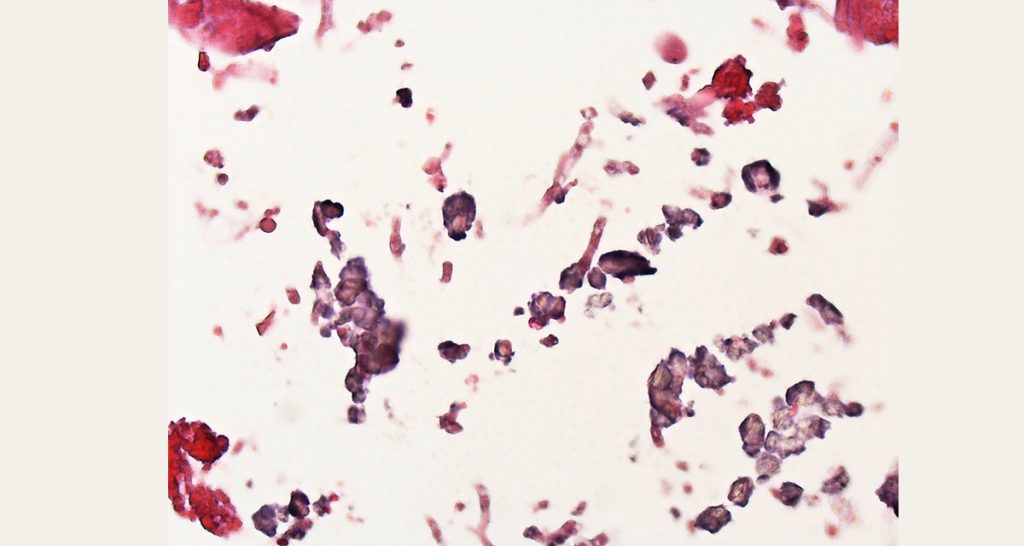
Diagnosis of Aspergillosis Diagnosis of aspergillosis involves evaluating symptoms, lung imaging, lab tests, and fungal cultures. The approach differs depending on the type of aspergillosis. 1. Medical History and Symptoms 2. Imaging Tests 3. Laboratory Tests 4. Bronchoscopy 5. Histopathology In South Africa, testing is often done in referral hospitals or private laboratories. Access to galactomannan or PCR testing is improving but may be limited in some regions. Early diagnosis is critical, especially in immunocompromised patients, where delayed treatment can be fatal. 👉 [Next: Treatment for Aspergillosis] Complications of Athlete’s Foot Causes and Risk Factors of Aspergillosis Complications of Aspergillosis Aspergillosis

Diagnosis of Aspergillosis Read More »

Treatment for Aspergillosis

Treatment for Aspergillosis

Treatment for Aspergillosis Treatment for aspergillosis depends on the form and severity of the disease. It may include antifungal medications, surgery, and management of underlying conditions like asthma or TB. 1. Antifungal Medications 2. Allergic Bronchopulmonary Aspergillosis (ABPA) 3. Surgery 4. Adjunct Therapies 5. Monitoring In South Africa, antifungal therapy is available through tertiary hospitals and some provincial TB units. Access to newer antifungals like voriconazole is improving, though cost may limit availability in some settings. Let’s now look at potential complications. 👉 [Next: Complications of Aspergillosis] Treatment of Athlete’s Foot Diagnosis of Aspergillosis Aspergillosis Causes and Risk Factors of Aspergillosis

Treatment for Aspergillosis Read More »

Complications of Aspergillosis

Complications of Aspergillosis

Complications of Aspergillosis If left untreated or poorly managed, aspergillosis can cause life-threatening complications, especially in people with weakened immune systems or chronic lung damage. Learn more about the complications of aspergillosis below. 1. Massive Haemoptysis (Coughing up Blood) 2. Progressive Lung Damage 3. Disseminated Aspergillosis 4. Relapse or Drug Resistance 5. Complications from Treatment 6. Impact on Quality of Life Prevention Strategies: With early diagnosis and the right treatment, many forms of aspergillosis can be controlled or managed, though some may require lifelong care. 👉 End of Series | Back to Overview Causes and Risk Factors of Brain Abscess Diagnosis of Aspergillosis Treatment for Aspergillosis( Causes and Risk Factors of Aspergillosis

Complications of Aspergillosis Read More »

Asbestosis

Asbestosis

Asbestosis Overview Asbestosis is a chronic lung disease caused by long-term inhalation of asbestos fibres. These fibres cause scarring (fibrosis) of lung tissue, leading to breathing difficulties, a persistent cough, and reduced oxygen exchange in the lungs. This disease is a progressive and irreversible condition that typically develops 10 to 40 years after exposure. Asbestos was widely used in construction, mining, shipbuilding, insulation, and manufacturing until its health risks became well-known. In South Africa, this disease is an important occupational disease, particularly in regions that previously hosted asbestos mining and processing, such as the Northern Cape. Common symptoms of asbestosis include: Asbestosis increases the risk of lung cancer, mesothelioma (a rare cancer of the lung lining), and other asbestos-related diseases. While there is no cure, early diagnosis and supportive care can help manage symptoms and slow progression. 👉 [Next: Causes and Risk Factors of Asbestosis] Dr Jim Naude Diagnostic Medicine Claremont Complications of Asbestosis Treatment and Management of Asbestosis Diagnosis of Asbestosis

Asbestosis Read More »

Causes and Risk Factors of Asbestosis

Causes and Risk Factors of Asbestosis

Causes and Risk Factors of Asbestosis Asbestosis is caused by prolonged inhalation of microscopic asbestos fibres, which lodge deep in the lungs and trigger inflammation and scarring. Over time, the scarring reduces lung elasticity and makes breathing difficult. Learn more about the causes and risk factors of asbestosis below. Primary Cause: Risk Factors: In South Africa, many retired mine workers and their families have developed asbestosis or related illnesses. Some are part of compensation programmes, but gaps in awareness and diagnosis remain. Let’s now explore how asbestosis is diagnosed. 👉 [Next: Diagnosis of Asbestosis] Dr Jim Naude Diagnostic Medicine Claremont Asbestosis Treatment and Management of Asbestosis Complications of Asbestosis

Causes and Risk Factors of Asbestosis Read More »

Diagnosis of Asbestosis

Diagnosis of Asbestosis

Diagnosis of Asbestosis Diagnosis of asbestosis involves reviewing a person’s occupational history, identifying respiratory symptoms, and using imaging and lung function tests to confirm lung damage. 1. History and Symptoms Doctors will ask about: 2. Physical Examination 3. Imaging Tests 4. Pulmonary Function Tests (PFTs) 5. Oxygen Saturation Testing Differential Diagnosis Other lung conditions can mimic asbestosis: South Africa’s occupational health units often lead the diagnosis of asbestosis, especially in miners. Confirming the diagnosis is also important for legal and compensation claims. 👉 [Next: Treatment and Management of Asbestosis] Diagnosis of Asthma Causes and Risk Factors of Asbestosis Asbestosis Complications of Asbestosis

Diagnosis of Asbestosis Read More »

Scroll to Top