Mental Matters

Health & Wellness

Treatment and Management of Asbestosis

Treatment and Management of Asbestosis

Treatment and Management of Asbestosis There is no cure for asbestosis, but treatment aims to relieve symptoms, slow progression, and prevent complications. Supportive care can greatly improve a patient’s quality of life. Learn more about the treatment and management of asbestosis below. 1. Lifestyle Modifications 2. Medications 3. Oxygen Therapy 4. Vaccinations 5. Pulmonary Rehabilitation 6. Monitoring for Complications 7. Surgical Intervention (rare) In South Africa, treatment is typically managed by respiratory specialists or occupational health clinics. Some affected workers qualify for assistance through compensation funds, such as the Asbestos Relief Trust. Now let’s look at the complications associated with asbestosis. 👉 [Next: Complications of Asbestosis] Soul Ease Physiotherapy Edinburgh Asbestosis Diagnosis of Asbestosis Causes and Risk Factors of Asbestosis


Treatment and Management of Asbestosis Read More »

Complications of Asbestosis

Complications of Asbestosis

Complications of Asbestosis Asbestosis can lead to serious and often life-threatening complications, especially with long-standing or heavy exposure. Ongoing medical monitoring is essential. Learn more about the complications of asbestosis below. 1. Respiratory Failure 2. Pulmonary Hypertension 3. Lung Cancer 4. Mesothelioma 5. Pleural Plaques and Thickening 6. Social and Economic Impact Prevention and Support Early detection and symptom management help delay progression and improve comfort. Multidisciplinary care involving doctors, physiotherapists, and social workers can make a meaningful difference. 👉 End of Series | Back to Overview Cirrhosis Causes and Risk Factors of Asbestosis Treatment and Management of Asbestosis Diagnosis of Asbestosis
Complications of Asbestosis Read More »

Arthritis

Arthritis

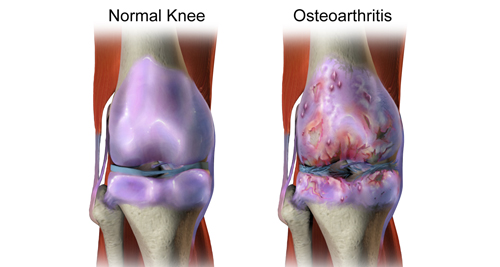
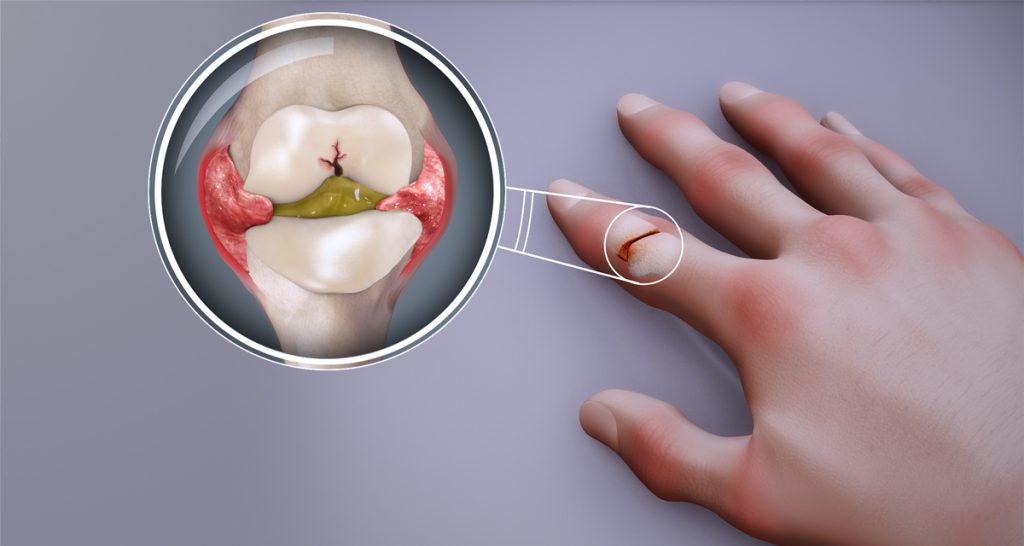
Arthritis Overview Arthritis is a broad term used to describe inflammation of the joints, causing pain, swelling, stiffness, and reduced movement. It can affect one or multiple joints and occurs in people of all ages — although it is more common among older adults. This condition is a leading cause of disability worldwide, including in South Africa. There are more than 100 different types of arthritis, but the most common include: Common symptoms: Arthritis can affect any joint, but it’s most commonly found in the knees, hands, hips, and spine. While there is no cure, early diagnosis and a tailored treatment plan can significantly reduce symptoms and improve quality of life. 👉 [Next: Causes and Types of Arthritis] Blouberg Rheumatology and Arthritis Centre Rheumatologist Milnerton Diagnosis of Arthritis Treatment for Arthritis Complications of Arthritis

Arthritis Read More »

Causes and Types of Arthritis

Causes and Types of Arthritis

Causes and Types of Arthritis Arthritis develops from a combination of genetic, lifestyle, immune, and environmental factors. Each type of arthritis has its own underlying cause and pattern of joint involvement. Learn more about the causes and types of arthritis below. 1. Osteoarthritis (OA) 2. Rheumatoid Arthritis (RA) 3. Gout 4. Psoriatic Arthritis 5. Juvenile Idiopathic Arthritis (JIA) Risk Factors: In South Africa, osteoarthritis is the most common, especially among older adults and manual labourers. However, conditions like gout and rheumatoid arthritis are also widely seen. Let’s now look at how arthritis is diagnosed. 👉 [Next: Diagnosis of Arthritis] Understanding the Different Types of Psychologists in South Africa Arthritis Complications of Arthritis Treatment for Arthritis

Causes and Types of Arthritis Read More »

Diagnosis of Arthritis

Diagnosis of Arthritis

Diagnosis of Arthritis Diagnosis of arthritis involves a combination of clinical examination, medical history, blood tests, and imaging studies. Early diagnosis is crucial to limit joint damage and maintain mobility. 1. Medical History The doctor will ask about: 2. Physical Examination The doctor will check for: 3. Laboratory Tests Used to confirm the type of arthritis: 4. Imaging Tests In South Africa, public hospitals offer basic imaging and blood work, while private facilities provide more advanced diagnostics. Rural areas may have delays in diagnosis due to limited access to specialists. Once a diagnosis is confirmed, treatment can begin. 👉 [Next: Treatment for Arthritis] Blouberg Rheumatology and Arthritis Centre Rheumatologist Milnerton Arthritis Causes and Types of Arthritis Complications of Arthritis

Diagnosis of Arthritis Read More »

Treatment for Arthritis

Treatment for Arthritis

Treatment for Arthritis While there is no cure for most types of arthritis, treatment for arthritis focuses on relieving pain, reducing inflammation, improving function, and slowing disease progression. 1. Medications 2. Physical Therapy 3. Lifestyle Modifications 4. Assistive Devices 5. Surgery (in severe cases) In South Africa, access to medications and surgery varies between private and public sectors. NGOs and rehabilitation centres also play a role in long-term support. Let’s now explore the complications of arthritis if left untreated or poorly managed. 👉 [Next: Complications of Arthritis] Blouberg Rheumatology and Arthritis Centre Rheumatologist Milnerton Causes and Types of Arthritis Arthritis Diagnosis of Arthritis

Treatment for Arthritis Read More »

Complications of Arthritis

Complications of Arthritis

Complications of Arthritis Without proper treatment, arthritis can lead to serious physical, emotional, and functional complications, some of which may be permanent. Learn more about the complications of arthritis below. 1. Joint Damage and Deformity 2. Loss of Mobility 3. Disability 4. Systemic Involvement (Autoimmune Arthritis) 5. Osteoporosis 6. Mental Health Struggles 7. Medication Side Effects Prevention of Complications With proper management, many people with arthritis live active, fulfilling lives. In South Africa, ongoing education and improved access to care are helping more people manage the condition successfully. 👉 End of Series | Back to Overview Blouberg Rheumatology and Arthritis Centre Rheumatologist Milnerton Causes and Types of Arthritis Diagnosis of Arthritis Treatment for Arthritis

Complications of Arthritis Read More »

Appendicitis

Appendicitis

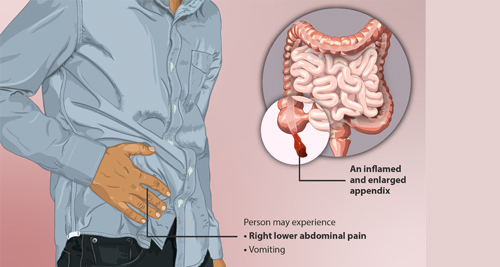
Appendicitis Overview Appendicitis is the inflammation of the appendix — a small, finger-shaped pouch attached to the large intestine on the lower right side of the abdomen. It is a medical emergency that often requires surgical removal of the appendix (an appendectomy) to prevent serious complications. This is one of the most common causes of abdominal pain requiring surgery, particularly among children, teens, and young adults, although it can occur at any age. Classic symptoms of appendicitis include: Because symptoms can vary, especially in young children, pregnant women, or the elderly, this is sometimes misdiagnosed as a stomach bug or urinary infection. Early diagnosis and treatment are critical — a ruptured appendix can lead to life-threatening infection (peritonitis). 👉 [Next: Causes and Risk Factors of Appendicitis] Causes and Risk Factors of Vision Loss Complications of Appendicitis Treatment for Appendicitis Diagnosis of Appendicitis

Appendicitis Read More »

Causes and Risk Factors of Appendicitis

Causes and Risk Factors of Appendicitis

Causes and Risk Factors of Appendicitis Appendicitis usually happens when the appendix becomes blocked, causing bacterial overgrowth, inflammation, and infection. If left untreated, the pressure builds up and may cause the appendix to burst. Let’s review some more about the causes and risk factors of appendicitis below. Common Causes of Appendix Blockage: Once blocked, the appendix becomes inflamed. Bacteria multiply rapidly, and the tissue may begin to die, leading to rupture. Risk Factors: In South Africa, delays in accessing emergency care may increase the risk of appendix rupture, especially in rural or underserved areas. Timely diagnosis is key to reducing complications. Let’s now explore how appendicitis is diagnosed by healthcare professionals. 👉 [Next: Diagnosis of Appendicitis] Diagnosis of Atherosclerosis Complications of Appendicitis Treatment for Appendicitis Appendicitis

Causes and Risk Factors of Appendicitis Read More »

Diagnosis of Appendicitis

Diagnosis of Appendicitis

Diagnosis of Appendicitis Accurate diagnosis of appendicitis is vital because other conditions can cause similar symptoms. Doctors confirm the diagnosis using a combination of a physical exam, medical history, blood tests, and imaging. 1. Medical History and Symptoms The doctor will ask about: 2. Physical Examination 3. Laboratory Tests 4. Imaging Studies Doctors must make a swift diagnosis, especially when they suspect a rupture. In many South African hospitals, they use CT and ultrasound to confirm the diagnosis before surgery, but in urgent cases, they may make the decision clinically without imaging. Let’s now look at how appendicitis is treated. 👉 [Next: Treatment for Appendicitis] Diagnosis and Testing for Bone Cancer Complications of Appendicitis Causes and Risk Factors of Appendicitis Appendicitis

Diagnosis of Appendicitis Read More »

Scroll to Top