Mental Matters

Health & Wellness

Treatment for Appendicitis

Treatment for Appendicitis

Treatment for Appendicitis The main treatment for appendicitis is surgical removal of the appendix, known as an appendectomy. Early intervention prevents rupture and serious infection. 1. Surgery Most hospitals in South Africa offer both types, depending on resources and the severity of the case. 2. Antibiotics 3. Postoperative Care 4. Treatment for Appendicitis If the appendix has ruptured: Appendicitis is rarely fatal when treated early. Prompt surgery usually results in full recovery, with few long-term effects. Let’s now review the potential complications if treatment is delayed. 👉 [Next: Complications of Appendicitis] Dr Anthony Jackson Surgeon Foreshore Diagnosis of Appendicitis Appendicitis Causes and Risk Factors of Appendicitis


Treatment for Appendicitis Read More »

Complications of Appendicitis

Complications of Appendicitis

Complications of Appendicitis When appendicitis is not treated promptly, serious and life-threatening complications can occur. These highlight the importance of early diagnosis and emergency care. Let’s learn some more about the complications of appendicitis below. 1. Appendix Rupture 2. Peritonitis 3. Abscess Formation 4. Bowel Obstruction 5. Wound Infection or Surgical Complications 6. Fertility Issues (Rare) Preventing Complications With proper treatment, appendicitis rarely causes long-term harm. Most patients recover fully and lead normal, healthy lives. 👉 End of Series | Back to Overview Treatment Options for Brain Aneurysm) Treatment for Appendicitis Diagnosis of Appendicitis Causes and Risk Factors of Appendicitis
Complications of Appendicitis Read More »

Aphasia

Aphasia

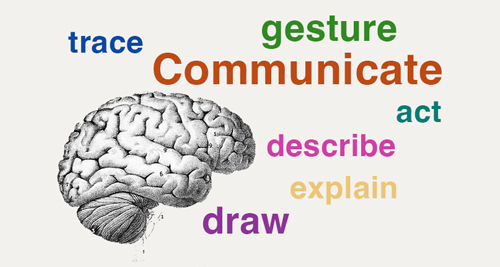
Aphasia Overview Aphasia is a language disorder caused by damage to the parts of the brain responsible for communication. It affects a person’s ability to speak, understand speech, read, or write — without impairing intelligence. This often occurs suddenly after a stroke or head injury, but it can also develop gradually due to brain tumours or neurological diseases. This condition can be mild or severe. Some people may struggle to find the right words, while others may lose nearly all ability to communicate. The condition can be deeply frustrating for both the person affected and their loved ones. Common symptoms of aphasia include: This condition affects people differently depending on the location and extent of brain damage. While it does not affect intelligence, it often co-exists with other problems such as paralysis, memory issues, or emotional changes. 👉 [Next: Causes and Types of Aphasia] Better Your Life – Anxiety Therapist Life coach Chelmsford Diagnosis of Aphasia Complications of Aphasia Treatment and Recovery in Aphasia

Aphasia Read More »

Causes and Types of Aphasia

Causes and Types of Aphasia

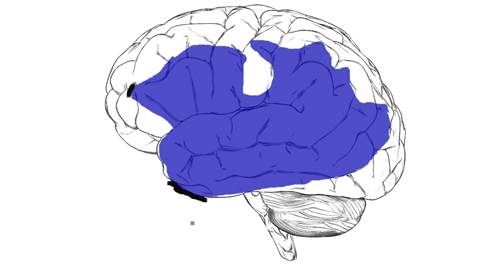
Causes and Types of Aphasia Aphasia occurs when areas of the brain that control language processing — typically in the left hemisphere — are damaged. The severity and type of aphasia depend on which part of the brain is injured and how much damage occurred. Learn more over the causes and types of aphasia below. Main Causes Types of Aphasia Understanding the specific type of aphasia is important in creating a targeted treatment plan. 👉 [Next: Diagnosis of Aphasia] Understanding the Different Types of Psychologists in South Africa Aphasia Aphasia Complications of Aphasia Treatment and Recovery in Aphasia

Causes and Types of Aphasia Read More »

Diagnosis of Aphasia

Diagnosis of Aphasia

Diagnosis of Aphasia The diagnosis of aphasia involves evaluating a person’s language abilities, cognitive function, and brain imaging results. Early diagnosis allows for better planning of rehabilitation and support services. Step 1: Medical Evaluation A neurologist or general practitioner will: Step 2: Language and Cognitive Testing A speech-language therapist (SLT) plays a central role in diagnosis and recovery. The SLT will test: These assessments help classify the type and severity of aphasia. Step 3: Brain Imaging Differential Diagnosis of Aphasia Other conditions can mimic or accompany aphasia: In South Africa, speech therapy services are available through both private practices and public hospitals, though access in rural areas may be limited. Once a diagnosis is made, the next step is rehabilitation and treatment. 👉 [Next: Treatment and Recovery in Aphasia] Diagnosis and Evaluation of Broken Ankle Causes and Types of Aphasia Aphasia Complications of Aphasia

Diagnosis of Aphasia Read More »

Treatment and Recovery in Aphasia

Treatment and Recovery in Aphasia

Treatment and Recovery in Aphasia There is no single cure for aphasia, but speech and language therapy can help many people recover or improve their communication skills. The key to treatment and recovery in aphasia is early, consistent, and personalised therapy. 1. Speech-Language Therapy A speech-language therapist (SLT) creates a therapy plan based on the person’s needs: Therapy may be one-on-one, in groups, or delivered online. 2. Alternative and Augmentative Communication (AAC) For severe aphasia: 3. Group Therapy and Support Groups 4. Medication and Brain Stimulation (experimental) Recovery Outlook Family Involvement Access to SLTs in South Africa can be through: Let’s now explore the complications and long-term challenges associated with aphasia. 👉 [Next: Complications of Aphasia] Lauren Ross Speech Therapist Randburg Causes and Types of Aphasia Diagnosis of Aphasia Aphasia

Treatment and Recovery in Aphasia Read More »

Complications of Aphasia

Complications of Aphasia

Complications of Aphasia Aphasia affects more than just speech — it can impact every area of life, from relationships to employment. The condition also increases the risk of emotional and social complications, especially if left untreated. Learn more about the complications of aphasia below. 5 Complications of Aphasia 1. Communication Barriers 2. Emotional Effects 3. Relationship Strain 4. Employment and Financial Impact 5. Cognitive and Physical Impairments 6. Safety Concerns Long-Term Support With consistent support, many people with aphasia regain enough communication to reconnect with loved ones, regain some independence, and rebuild confidence. 👉 End of Series | Back to Overview Living with Brain Tumours Causes and Types of Aphasia Diagnosis of Aphasia Treatment and Recovery in Aphasia

Complications of Aphasia Read More »

Anxiety Disorders in Children

Anxiety Disorders in Children

Anxiety Disorders in Children – Overview Anxiety disorders in children are among the most common mental health conditions affecting young people. While it’s normal for children to feel anxious at times — such as before a test or starting a new school — an anxiety disorder causes excessive fear, worry, or avoidance that interferes with daily life. These disorders often start in early childhood or adolescence and may go unnoticed if mistaken for shyness, clinginess, or discipline issues. Left untreated, they can lead to problems with school performance, social relationships, and emotional development. Common signs of anxiety in children include: There are several types of anxiety disorders that affect children, including: With early intervention, most children can recover and thrive. Treatment is safe and effective, and typically includes therapy, family involvement, and, in some cases, medication. 👉 [Next: Causes and Risk Factors of Childhood Anxiety Disorders] Arthritis What Is the Difference Between Anxiety and Depression? Cataracts in Children Treatment for Anxiety Disorders in Children One 2 one you matter Mental health service Birmingham

Anxiety Disorders in Children Read More »

Causes and Risk Factors of Anxiety Disorders in Children

Causes and Risk Factors of Anxiety Disorders in Children

Causes and Risk Factors of Anxiety Disorders in Children Anxiety disorders in children develop from a combination of genetic, psychological, environmental, and biological factors. Understanding the causes and risk factors of anxiety disorders in children helps tailor the right support and treatment. 1. Genetics and Family History 2. Personality Traits 3. Brain Chemistry and Development 4. Life Stress and Trauma 5. Parenting Style and Environment 6. School and Social Pressures In South Africa, additional risk factors include community violence, unstable home environments, and limited access to child mental health care — especially in under-resourced areas. Let’s now explore how anxiety disorders in children are diagnosed. 👉 [Next: Diagnosis of Anxiety Disorders in Children] Causes and Risk Factors of Vision Loss Which Attachment Style Are You? Causes and Risk Factors of Adult ADHD Causes and Risk Factors of Breast Cancer in Women Causes and Risk Factors of Bipolar Disorder

Causes and Risk Factors of Anxiety Disorders in Children Read More »

Diagnosis of Anxiety Disorders in Children

Diagnosis of Anxiety Disorders in Children

Diagnosis of Anxiety Disorders in Children The diagnosis of anxiety disorders in children requires careful observation, clinical interviews, and sometimes questionnaires. Because children may struggle to express their emotions clearly, input from parents, teachers, and healthcare professionals is essential. Step 1: Clinical Interview A trained mental health provider (e.g. a psychologist or child psychiatrist) will: Step 2: Behavioural Observations Professionals look for: Step 3: Screening Tools and Questionnaires Standardised tools may include: Step 4: Rule Out Medical Conditions Doctors may perform basic tests to exclude physical causes of symptoms (like anaemia or thyroid issues) before diagnosing anxiety. Differential Diagnosis Anxiety must be differentiated from: Early diagnosis is critical to reduce the impact on education, relationships, and long-term mental health. In South Africa, access to school psychologists and community mental health resources is improving, but remains uneven across provinces. Next, let’s explore the available treatments. 👉 [Next: Treatment for Anxiety Disorders in Children] Diagnosis of Antisocial Personality Disorder Wilma Beukes Clinical Psychology Practice Kuils River Karen Evans Counselor Cardiff Diagnosis and Screening of Adult ADHD

Diagnosis of Anxiety Disorders in Children Read More »

Scroll to Top