Mental Matters

Health & Wellness

Treatment for Anxiety Disorders in Children

Treatment for Anxiety Disorders in Children

Treatment for Anxiety Disorders in Children Treatment for childhood anxiety is most effective when it’s early, consistent, and family-centred. The aim is to reduce symptoms, build coping skills, and prevent long-term mental health issues. Read more about the treatment for anxiety disorders in children below. 1. Cognitive Behavioural Therapy (CBT) 2. Parent Training and Family Therapy 3. School-Based Support 4. Medication (if needed) 5. Lifestyle Support Access to mental health care in South Africa is increasing through school-based counselling, primary health clinics, and private therapists. NGOs and online platforms are also expanding reach in underserved communities. Let’s now explore complications and long-term risks if childhood anxiety goes untreated. 👉 [Next: Complications of Anxiety Disorders in Children] Clinical Psychologist Sandton Treatment and Lifestyle Strategies of Adult ADHD What Is the Difference Between Anxiety and Depression? Treatment for Depression Anxiety Disorders in Children


Treatment for Anxiety Disorders in Children Read More »

Complications of Anxiety Disorders in Children

Complications of Anxiety Disorders in Children

Complications of Anxiety Disorders in Children If not addressed, anxiety disorders in children can lead to a range of complications that affect mental, emotional, and physical development — some of which may persist into adulthood. Read more about the complications of anxiety disorders in children below. 1. Academic Difficulties 2. Social Withdrawal 3. Depression and Mood Disorders 4. Substance Use in Adolescence 5. Eating Disorders 6. Physical Health Issues 7. Suicidal Thoughts Early Intervention Matters Public awareness, teacher training, and investment in youth mental health are vital — especially in low-resource areas of South Africa. Empowering parents, educators, and healthcare workers ensures children get the help they need to grow into resilient adults. 👉 End of Series | Back to Overview Complications and Recovery from a Broken Hip Treatment for Anxiety Disorders in Children Causes of Cardiovascular Disease Treatment for Anabolic Steroid Misuse

Complications of Anxiety Disorders in Children Read More »

Antisocial Personality Disorder

Antisocial Personality Disorder

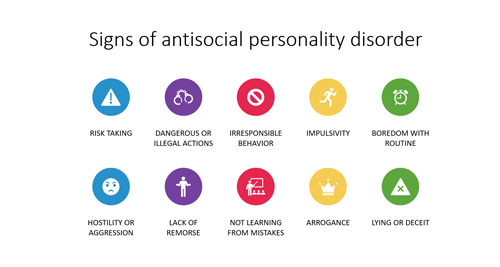
Antisocial Personality Disorder Overview Antisocial Personality Disorder (ASPD) is a mental health condition characterised by a long-term pattern of disregard for the rights of others, violation of social norms, manipulative or deceitful behaviour, and a lack of remorse or empathy. People with ASPD often engage in behaviour that is unlawful, aggressive, or exploitative, and they frequently have trouble maintaining stable relationships or employment. ASPD is part of the Cluster B personality disorders, which also include narcissistic, borderline, and histrionic personality disorders. It is more commonly diagnosed in men and typically becomes evident in the teenage years or early adulthood, although signs often begin in childhood as conduct disorder. Core features of ASPD: While not all individuals with ASPD become criminals, many end up involved with the criminal justice system. However, others may function in society, masking traits behind charm or manipulation. Early diagnosis and intervention are challenging but essential. Therapy, when sought voluntarily, can improve functioning and reduce harmful behaviours. 👉 [Next: Causes and Risk Factors of Antisocial Personality Disorder] Mental Health In South Africa: A Cause for Concern and A Call to Action Diagnosis of Antisocial Personality Disorder Complications of Antisocial Personality Disorder Treatment for Antisocial Personality Disorder

Antisocial Personality Disorder Read More »

Causes and Risk Factors of Antisocial Personality Disorder

Causes and Risk Factors of Antisocial Personality Disorder

Causes and Risk Factors of Antisocial Personality Disorder Antisocial Personality Disorder does not have a single cause. Rather, it results from a complex interplay of biological, environmental, and psychological factors, often rooted in early life experiences Read more about causes and risk factors of antisocial personality disorder below. 1. Genetic Factors 2. Neurological Factors 3. Childhood Environment 4. Conduct Disorder in Childhood 5. Sociocultural Factors In South Africa and other regions with high levels of social inequality and trauma, early childhood adversity may increase the risk of developing ASPD. However, not everyone exposed to such environments develops the disorder. Understanding these risk factors highlights the importance of early intervention and family-based support. 👉 [Next: Diagnosis of Antisocial Personality Disorder] Treatment of Childhood Cataracts Antisocial Personality Disorder Complications of Antisocial Personality Disorder Treatment for Antisocial Personality Disorder

Causes and Risk Factors of Antisocial Personality Disorder Read More »

Diagnosis of Antisocial Personality Disorder

Diagnosis of Antisocial Personality Disorder

Diagnosis of Antisocial Personality Disorder The diagnosis of antisocial personality disorder is complex and requires a careful, consistent approach supported by thorough psychological assessment. Clinicians use criteria from the Diagnostic and Statistical Manual of Mental Disorders (DSM-5) to make the diagnosis. Key Diagnostic Criteria (DSM-5): Additional Conditions: Assessment Methods: Differential Diagnosis: ASPD is sometimes confused with other mental health conditions that share similar behavioral traits, such as borderline personality disorder or narcissistic personality disorder: Diagnosis of Antisocial Personality Disorder In South Africa, professionals often identify ASPD in forensic settings or psychiatric hospitals. However, many individuals remain undiagnosed, especially if they avoid contact with mental health professionals. Let’s now explore the treatment and management strategies for ASPD. 👉 [Next: Treatment for Antisocial Personality Disorder] Cognitive behavioral therapy Cape Town Antisocial Personality Disorder Causes and Risk Factors of Antisocial Personality Disorder Complications of Antisocial Personality Disorder

Diagnosis of Antisocial Personality Disorder Read More »

Treatment for Antisocial Personality Disorder

Treatment for Antisocial Personality Disorder

Treatment for Antisocial Personality Disorder Treatment for antisocial personality disorder is challenging because individuals often do not seek help voluntarily and may lack insight into their condition. However, with early intervention, structure, and long-term therapy, some behavioural improvements are possible. 1. Psychotherapy Therapy is more successful when: 2. Medication There is no specific drug to treat ASPD, but medication may be used to manage: 3. Rehabilitation Programs 4. Family and Community Involvement 5. Monitoring and Risk Management While treatment success varies, early behavioural intervention in childhood offers the best outcomes. Adults with entrenched ASPD traits may show limited but meaningful improvements over time. 👉 [Next: Complications of Antisocial Personality Disorder] What Causes Depression? Antisocial Personality Disorder Diagnosis of Antisocial Personality Disorder Causes and Risk Factors of Antisocial Personality Disorder

Treatment for Antisocial Personality Disorder Read More »

Complications of Antisocial Personality Disorder

Complications of Antisocial Personality Disorder

Complications of Antisocial Personality Disorder If left unmanaged, complications of antisocial personality disorder can lead to significant personal, social, and legal consequences. The disorder is associated with high rates of incarceration, substance abuse, and premature death. 1. Legal Issues 2. Substance Use 3. Relationship Breakdown 4. Occupational Failure 5. Health Risks 6. Suicide and Violence 7. Impact on Society Prevention and Early Intervention Though outcomes are mixed, early behavioural intervention, stable environments, and structured therapy can reduce the long-term harm of ASPD — both to the individual and those around them. 👉 End of Series | Back to Overview More Calls for Help: Domestic Violence Cases Rise in Cape Town Diagnosis of Antisocial Personality Disorder Causes and Risk Factors of Antisocial Personality Disorder Treatment for Antisocial Personality Disorder(

Complications of Antisocial Personality Disorder Read More »

Broken Ankle

Broken Ankle

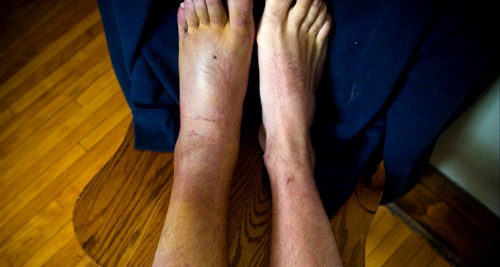
Broken Ankle – Overview A broken ankle occurs when one or more of the bones that form the ankle joint—typically the tibia, fibula, or talus—fracture due to trauma or excessive force. This can range from a minor hairline crack to a full break involving multiple bones and ligaments, making early diagnosis and proper treatment essential. This type of injury is common in sports, car accidents, or simple falls. Slipping off a curb or landing awkwardly from a jump can apply enough pressure to fracture the ankle. People of all ages can experience this, but the risk is higher in those with weak bones or balance issues. Signs of a broken ankle include: It’s important to distinguish a this from a sprain. While both cause pain and swelling, a fracture typically results in greater instability and requires medical imaging (like X-rays) to confirm. In South Africa, emergency departments in public and private hospitals can assess and treat broken bones. Access to orthopaedic care varies by region, but most urban centres offer both surgical and non-surgical treatment options. Prompt diagnosis and early care improve healing, prevent complications, and reduce long-term disability. A broken ankle may heal completely with proper treatment, allowing most people to return to their normal activities. 👉 [Next: Causes and Symptoms of Broken Ankle] Diagnosis of a Broken Nose Broken Hip Diagnosis and Evaluation of Broken Ankle Broken Nose Treatment Options for Broken Ankle

Broken Ankle Read More »

Causes and Symptoms of Broken Ankle

Causes and Symptoms of Broken Ankle

Causes and Symptoms of Broken Ankle The causes and symptoms of broken ankle injuries are diverse, ranging from everyday mishaps to high-impact accidents. Recognising the causes and symptoms of broken ankle fractures is crucial for early treatment and long-term recovery. Causes of Broken Ankle: Symptoms of Broken Ankle: If you’re unsure whether an injury is a sprain or fracture, it’s safest to assume it’s serious until proven otherwise. An untreated broken ankle can lead to complications like chronic instability, arthritis, or improper healing. In South Africa, emergency rooms and trauma clinics are equipped to perform X-rays to confirm the diagnosis. Early intervention limits damage and helps ensure a smooth recovery. Being familiar with the causes and symptoms of broken ankle injuries empowers patients to act quickly and avoid long-term complications. 👉 [Next: Diagnosis and Evaluation of Broken Ankle] Symptoms of a Broken Nose Broken Nose Melbourne Foot Ankle & Walking Clinic Podiatrist Broken Ankle Club Foot

Causes and Symptoms of Broken Ankle Read More »

Diagnosis and Evaluation of Broken Ankle

Diagnosis and Evaluation of Broken Ankle

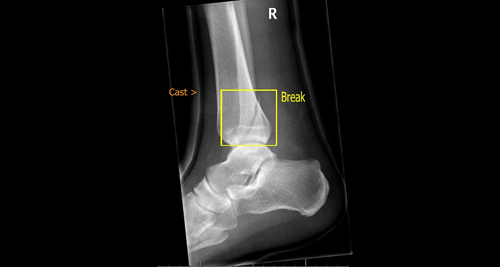
Diagnosis and Evaluation of Broken Ankle The diagnosis and evaluation of broken ankle injuries require a detailed medical examination and imaging tests to determine the extent of damage. An accurate diagnosis and evaluation of broken ankle conditions is key to selecting the most effective treatment plan and preventing long-term issues. 1. Clinical history and physical examDoctors will ask how the injury occurred and examine the ankle for: In some cases, they’ll check for open wounds or signs of nerve or blood vessel damage. 2. Imaging tests 3. Fracture classification Doctors classify ankle fractures by: 4. Assessing severityThis includes checking whether surgery is necessary and evaluating the potential impact on weight-bearing. . Open fractures (where bone pierces the skin) are medical emergencies requiring urgent surgical care. In South Africa, most hospitals and orthopaedic clinics in major cities can perform these evaluations. In rural areas, doctors often stabilise patients and refer them to regional hospitals with imaging and surgical capabilities. Doctors diagnose and evaluate broken ankle injuries to choose the right treatment, which may range from simple casting to complex surgery. The goal is to restore stability, prevent arthritis, and promote full mobility. 👉 [Next: Treatment Options for Broken Ankle] Diagnosis of Anal Fissure Diagnosis of a Broken Hip Diagnosis and Evaluation of Breast Cancer in Women Diagnosis of Aphasia Broken Ankle

Diagnosis and Evaluation of Broken Ankle Read More »

Scroll to Top