Mental Matters

Health & Wellness

Treatment Options for Broken Ankle

Treatment Options for Broken Ankle

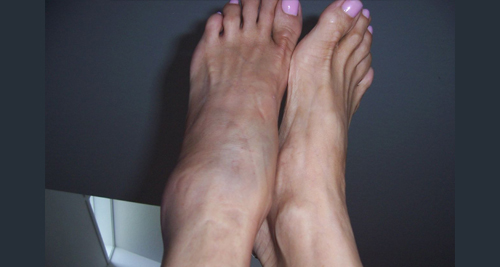
Treatment Options for Broken Ankle The treatment options for broken ankle injuries depend on the type and severity of the fracture. Proper and timely intervention is critical to healing. The goal of all treatment options for broken ankle injuries is to restore normal function, reduce pain, and prevent long-term complications. 1. Non-surgical treatmentFor minor fractures (non-displaced or hairline): This approach usually lasts 6–8 weeks, followed by physiotherapy. 2. Surgical treatmentFor more serious fractures, surgery is often required. This may involve: 3. Post-operative care 4. Rehabilitation and weight-bearingRehabilitation may take several months. Doctors will gradually allow more weight-bearing activities as the bone heals. Full recovery can take 3 to 6 months or longer depending on the severity. 5. Complication preventionComplications like delayed healing, joint stiffness, or infection are rare with proper care. Diabetics and smokers are at higher risk for slower recovery. In South Africa, most urban hospitals are equipped for both conservative and surgical management. Public sector patients may experience wait times, while private care offers quicker access to surgery and follow-up rehab. Choosing the right treatment options for broken ankle injuries leads to better mobility, less pain, and a faster return to daily life. Therefore, it is crucial to have the correct treatment administered in time.. 👉 [Next: Living with a Broken Ankle – Recovery and Mobility] Treatment of Club Foot How Is Depression Diagnosed? Treatment of a Broken Arm Treatment of a Broken Leg Treatment of a Broken Wrist

Treatment Options for Broken Ankle Read More »

Living with a Broken Ankle

Living with a Broken Ankle

Living with a Broken Ankle – Recovery and Mobility Living with a broken ankle – recovery and mobility involves a phased return to movement, strength-building, and regaining confidence in daily activities. While recovery can be frustrating at times, most people fully heal. Navigating living with a broken ankle – recovery and mobility successfully depends on patience, proper rehab, and follow-up care. 1. Early recoveryFor the first few weeks, doctors will immobilise your ankle. During this time: Even during rest, wiggling your toes and doing gentle stretches (as approved by your doctor) helps circulation. 2. Transition phaseOnce the bone begins to heal: 3. Full mobility and strength-buildingBy weeks 8–12: 4. Emotional impact and daily lifeLimited mobility may lead to frustration, especially for active individuals. Support from friends, family, and physiotherapists makes a difference. Planning accessible transport, home modifications, and workplace adjustments may be necessary. 5. Preventing future injury In South Africa, access to community clinics, physiotherapy centres, and online rehabilitation guidance makes it easier to recover from a broken ankle and regain mobility. Private healthcare may offer faster access to orthopaedic rehab programmes, but many public hospitals now include follow-up therapy. With consistency and support, living with a broken ankle – recovery and mobility becomes a manageable chapter — one that ends with regained strength and confidence. 👉 [End of Series | Back to Overview] Complications and Recovery from Concussion Treatment of Concussion Complications and Recovery from a Bruised Rib Complications and Recovery from a Broken Back

Living with a Broken Ankle Read More »

When to Seek Help for Sciatic Pain

When to Seek Help for Sciatic Pain (And What Can Happen if You Don’t)

It’s tempting to wait out sciatic pain, hoping it’ll pass with time. And in many cases, it does. But when the discomfort lingers — or gets worse — it’s not something you should ignore. So, when should you see a doctor? If your sciatic pain lasts more than a week or two without improvement, it’s time to check in with a healthcare professional. You should also reach out if: These symptoms could mean your sciatic nerve is being compressed or damaged — and the longer that goes untreated, the more serious the consequences can become. Red flags to watch for: These are signs of a potential medical emergency, like cauda equina syndrome — and require immediate medical attention. What happens if you ignore it? Leaving sciatica untreated for too long can lead to: Sciatica may start off as a minor ache, but it can quickly turn into something that affects your day-to-day activities. If the pain is persistent or limiting, don’t push through it — reach out for help. Early intervention often leads to faster recovery and better long-term outcomes. Missed an article in the series? You can catch up here: • Sciatic Pain: What It Is and Why It Happens• Sciatic Pain Symptoms• Treating Sciatic Pain Reviewed April 2025. Always consult a professional for individual guidance. Complications of Untreated Astigmatism Diagnosing Autism: How and When It’s Done

When to Seek Help for Sciatic Pain (And What Can Happen if You Don’t) Read More »

Antiphospholipid Syndrome

Antiphospholipid Syndrome Overview

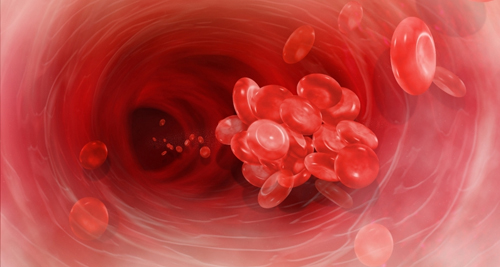
Antiphospholipid Syndrome Overview Antiphospholipid Syndrome (APS) is an autoimmune disorder in which the body produces abnormal antibodies that mistakenly attack phospholipids — essential components of cell membranes and blood-clotting systems. This triggers excessive blood clotting, known as thrombosis, which can block arteries and veins, leading to serious complications. APS can affect anyone but is most common in women of childbearing age. It is a major cause of recurrent miscarriages, stroke, and deep vein thrombosis (DVT) in young adults. APS may occur on its own (primary APS) or in connection with another autoimmune condition such as lupus (SLE) — this is called secondary APS. Antiphospholipid Syndrome Symptoms vary but may include: Preventing Clotting APS is a lifelong condition, but with proper management, many people lead full, healthy lives. Early diagnosis and prevention of clotting events are key. 👉 [Next: Causes and Risk Factors of APS] Risks and Complications of Amniocentesis Treatment for Antiphospholipid Syndrome Diagnosis of Antiphospholipid Syndrome Complications of Antiphospholipid Syndrome

Antiphospholipid Syndrome Overview Read More »

Causes and Risk Factors of Antiphospholipid Syndrome

Causes and Risk Factors of Antiphospholipid Syndrome

Causes and Risk Factors of Antiphospholipid Syndrome The exact cause of APS is not fully understood, but it is classified as an autoimmune disorder, meaning the immune system mistakenly attacks the body’s own tissues. Read more about the causes and risk factors of antiphospholipid syndrome below. What Happens in APS? People with APS produce antiphospholipid antibodies, such as: These antibodies interfere with the normal clotting process, making the blood more likely to form clots in arteries, veins, or the placenta. Primary vs Secondary APS Risk Factors Causes and Risk Factors of Antiphospholipid Syndrome In South Africa, APS may be underdiagnosed due to low awareness. It is particularly important in women with recurrent miscarriages, young patients with stroke, or people with unexplained DVT. Let’s now explore how APS is diagnosed. 👉 [Next: Diagnosis of Antiphospholipid Syndrome] Diagnosis of Coeliac Disease Treatment for Antiphospholipid Syndrome Complications of Antiphospholipid Syndrome Antiphospholipid Syndrome Overview

Causes and Risk Factors of Antiphospholipid Syndrome Read More »

Diagnosis of Antiphospholipid Syndrome

Diagnosis of Antiphospholipid Syndrome

Diagnosis of Antiphospholipid Syndrome Diagnosing APS requires a combination of clinical events (such as a blood clot or pregnancy loss) and laboratory evidence of antiphospholipid antibodies. These must be present on two separate occasions at least 12 weeks apart. Read more about the diagnosis of antiphospholipid syndrome below. Step 1: Clinical Criteria Step 2: Laboratory Testing Positive blood tests for any of the following: Tests must be positive on two occasions to confirm the diagnosis, as transient antibodies can occur after infections or other triggers. Additional Tests Differential Diagnosis It’s important to distinguish APS from: Early diagnosis helps prevent dangerous complications like stroke, miscarriage, or pulmonary embolism. Let’s now look at treatment options. 👉 [Next: Treatment for Antiphospholipid Syndrome] Diagnosis of Coeliac Disease Antiphospholipid Syndrome Overview Complications of Antiphospholipid Syndrome Causes and Risk Factors of Antiphospholipid Syndrome

Diagnosis of Antiphospholipid Syndrome Read More »

Treatment for Antiphospholipid Syndrome

Treatment for Antiphospholipid Syndrome

Treatment for Antiphospholipid Syndrome Treatment for antiphospholipid syndrome focuses on preventing blood clots, managing symptoms, and reducing risk in high-stress situations like surgery or pregnancy. The mainstay of treatment is long-term blood thinning medication (anticoagulation). 1. Anticoagulants (Blood Thinners) 2. Pregnancy Management 3. Lifestyle Changes 4. Immunosuppressive Therapy (in some cases) 5. Monitoring Access to anticoagulation therapy and specialised obstetric care is improving in South Africa, especially in urban areas. Awareness is key to preventing complications. Let’s now look at the possible complications of APS if left untreated or poorly managed. 👉 [Next: Complications of Antiphospholipid Syndrome] Dr Stuart Wade Anaesthetist Brighton Antiphospholipid Syndrome Overview Causes and Risk Factors of Antiphospholipid Syndrome Diagnosis of Antiphospholipid Syndrome

Treatment for Antiphospholipid Syndrome Read More »

Complications of Antiphospholipid Syndrome

Complications of Antiphospholipid Syndrome

Complications of Antiphospholipid Syndrome Without proper treatment, APS can lead to life-threatening complications, including organ damage, stroke, pregnancy loss, and chronic disability. Even with treatment, close monitoring is essential to manage risks. Read more about Complications of Antiphospholipid Syndrome below. 1. Deep Vein Thrombosis (DVT) 2. Pulmonary Embolism (PE) 3. Stroke or TIA (Mini-Stroke) 4. Pregnancy Complications 5. Heart Valve Disease 6. Kidney Damage 7. Catastrophic Antiphospholipid Syndrome (CAPS) Preventing Complications With proper management, many people with APS lead long, healthy lives. Awareness, especially in women of reproductive age and people with unexplained clots, is crucial for early intervention. 👉 End of Series | Back to Overview Cardiomyopathy Treatment for Antiphospholipid Syndrome Diagnosis of Antiphospholipid Syndrome Antiphospholipid Syndrome Overview Causes and Risk Factors of Antiphospholipid Syndrome

Complications of Antiphospholipid Syndrome Read More »

Anorexia Nervosa

Anorexia Nervosa Overview

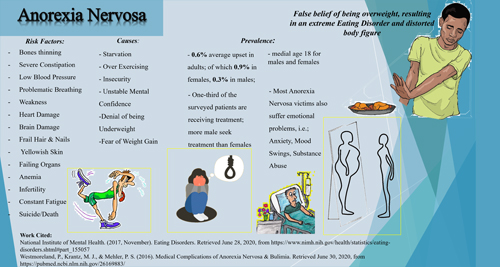
An Overview on Anorexia Nervosa Anorexia nervosa is a serious and potentially life-threatening eating disorder characterised by extreme food restriction, intense fear of gaining weight, and a distorted body image. People with anorexia severely limit their calorie intake, may exercise excessively, and often have an obsessive preoccupation with body shape and weight. This disorder affects both males and females, but is more common in teenage girls and young women. However, increasing numbers of boys, men, and older adults are being diagnosed globally, including in South Africa. Despite being underweight, individuals with anorexia often perceive themselves as overweight and continue to lose weight even when it puts their health at risk. This has the highest mortality rate of all mental health disorders, due to both medical complications and suicide. Key signs and symptoms: Recovery from Anorexia Nervosa Anorexia is a complex mental health condition involving psychological, environmental, and biological factors. Recovery is possible with early diagnosis and comprehensive treatment. 👉 [Next: Causes and Risk Factors of Anorexia Nervosa] Dr Susannah Rose Psychotherapist London Treatment for Anorexia Nervosa Complications of Anorexia Nervosa Diagnosis of Anorexia Nervosa

Anorexia Nervosa Overview Read More »

Causes and Risk Factors of Anorexia Nervosa

Causes and Risk Factors of Anorexia Nervosa

Causes and Risk Factors of Anorexia Nervosa Anorexia nervosa is a multifactorial disorder, meaning it results from a combination of genetic, psychological, social, and environmental factors. There is no single cause, but several factors increase vulnerability. Read more about the causes and risk factors of anorexia nervosa below. 1. Genetic and Biological Factors 2. Psychological Traits 3. Social and Cultural Pressure 4. Trauma and Life Stress | Causes and Risk Factors of Anorexia Nervosa 5. Dieting and Weight Loss In South Africa, growing westernised beauty ideals, rising social media use, and unaddressed trauma contribute to increased risk in both urban and rural settings. Understanding the underlying causes helps guide effective treatment and long-term prevention. 👉 [Next: Diagnosis of Anorexia Nervosa] Dr Susannah Rose Psychotherapist London Anorexia Nervosa Overview Treatment for Anorexia Nervosa Complications of Anorexia Nervosa

Causes and Risk Factors of Anorexia Nervosa Read More »

Scroll to Top