Mental Matters

Health & Wellness

Diagnosis of Anorexia Nervosa

Diagnosis of Anorexia Nervosa

Diagnosis of Anorexia Nervosa Diagnosing anorexia nervosa involves a combination of clinical interviews, behavioural assessments, and physical evaluations. Early diagnosis of anorexia nervosa is critical to reduce health risks and improve recovery outcomes. Diagnostic Criteria (Based on DSM-5) To be diagnosed with anorexia nervosa, the following must be present: Anorexia can be restricting type (pure restriction) or binge-purge type (episodes of overeating followed by vomiting, laxatives, or excessive exercise). What a Doctor or Therapist May Assess: Physical Tests During the Diagnosis of Anorexia Nervosa May Include: Diagnosis is usually made by a GP, psychologist, or psychiatrist. In South Africa, eating disorder assessments are available at certain private hospitals and specialised mental health centres. Let’s now look at the treatment options and what recovery involves. 👉 [Next: Treatment for Anorexia Nervosa] Dr Susannah Rose Psychotherapist London Causes and Risk Factors of Anorexia Nervosa Complications of Anorexia Nervosa Anorexia Nervosa Overview


Diagnosis of Anorexia Nervosa Read More »

Treating Sciatic Pain

Treating Sciatic Pain – What Really Helps and What to Avoid

Living with sciatic pain can be draining — physically and emotionally. The shooting, burning discomfort that travels from your lower back down your leg isn’t something you can just “walk off.” The good news though, is most people recover without surgery. The key is knowing what works, what doesn’t, and when to get help. At-home relief that makes a difference For many, simple lifestyle adjustments can go a long way: Treatment with professional support When home remedies aren’t enough, other treatments may offer relief: Physical therapy: A physiotherapist can show you stretches and strength-building exercises that reduce pressure on the sciatic nerve. Massage therapy and acupuncture: These can relax muscle tension and improve circulation — both of which may ease symptoms. Chiropractic care: Spinal adjustments might help if your sciatica is linked to poor alignment, but this should be approached cautiously and under expert guidance. When you need more than conservative care If symptoms persist beyond six weeks or get worse, it’s time to consult your doctor. They may suggest: Takeaway: There’s no one-size-fits-all solution. Recovery often takes time and the right mix of approaches. Don’t wait too long — the earlier you treat it, the better your chances of a full recovery. 👉 Next: When to Seek Help for Sciatic Pain Reviewed April 2025. Always consult a professional for individual guidance. You’ve Got This! Take Control of Your Anxiety Treatment of a Broken Toe Sciatic Pain Symptoms Sciatic Pain: What It Is and Why It Happens

Treating Sciatic Pain – What Really Helps and What to Avoid Read More »

Sciatic Pain Symptoms

Sciatic Pain Symptoms

Sciatic pain can feel different from one person to the next, but there are some common signs to watch for. Knowing what to look for can help you catch it early — and get relief faster. What does sciatic pain feel like? Sciatica typically causes pain that radiates from the lower back down the back of one leg. It may feel like a burning, tingling, or sharp stabbing sensation. Some people describe it as an electric shock that travels down the leg. Others feel a persistent dull ache or a mix of sensations that change depending on position or movement. Other sciatic pain symptoms might also notice: Is it always in one leg? Yes — most cases of sciatica affect one side of the body. The pain typically follows the path of the sciatic nerve, which runs from the lower spine through the buttocks and down the leg. The intensity can vary from mild discomfort to severe pain that makes it difficult to walk or sleep. Other signs to watch for: When should you worry? If you experience leg weakness or struggle to control your bladder or bowels, this may indicate cauda equina syndrome — a rare but serious condition that needs immediate medical attention. It’s always best to consult a healthcare professional if symptoms worsen or interfere with your daily life. 👉 Next: Treating Sciatic Pain Reviewed April 2025. Always consult a professional for individual guidance. Broken Leg Complications and Recovery from a Broken Leg When to Seek Help for Sciatic Pain (And What Can Happen if You Don’t) Sciatic Pain: What It Is and Why It Happens

Sciatic Pain Symptoms Read More »

Sciatic Pain What It Is and Why It Happens

Sciatic Pain: What It Is and Why It Happens

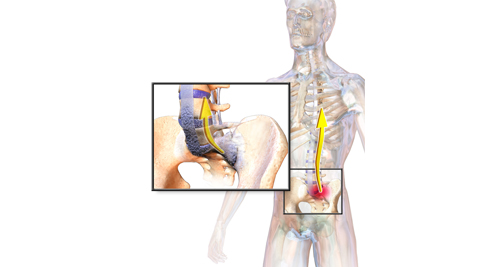
If you’ve ever felt a sharp, shooting pain that starts in your lower back and travels down your leg, you might have experienced sciatica. It’s not just a sore back — sciatica can affect how you move, sleep, and go about your day. What is sciatic pain? Sciatic pain, or sciatica, occurs when the sciatic nerve — the longest and widest nerve in your body — becomes irritated or compressed. This nerve runs from your lower back through your hips, buttocks, and down both legs. When it’s inflamed or pinched, the result can be pain, numbness, or even muscle weakness along the nerve pathway. Common causes of sciatica: Should you be worried? Most sciatic pain improves with time, gentle movement, and a few lifestyle adjustments. Stretching, staying active, and using heat or cold packs can help manage symptoms. However, if the pain sticks around, gets worse, or interferes with your ability to function, it’s time to speak to a healthcare professional. Don’t ignore persistent pain — understanding the cause is the first step toward finding relief and avoiding complications later on. 👉 Next: Sciatic Pain Symptoms Reviewed April 2025. Always consult a professional for individual guidance. Diagnosing Autism: How and When It’s Done Coventry Back Pain Chiropractor ED Sciatica Nerve Treating Sciatic Pain – What Really Helps and What to Avoid When to Seek Help for Sciatic Pain (And What Can Happen if You Don’t)

Sciatic Pain: What It Is and Why It Happens Read More »

Treatment for Anorexia Nervosa

Treatment for Anorexia Nervosa

Treatment for Anorexia Nervosa Treatment for anorexia nervosa must address both physical and psychological health, and typically requires a multidisciplinary approach involving doctors, dietitians, psychologists, and sometimes hospital care. 1. Nutritional Rehabilitation 2. Psychological Therapy | Treatment for anorexia nervosa 3. Medical Monitoring | Treatment for anorexia nervosa 4. Medication 5. Hospital or Inpatient Care In South Africa, treatment is available at some private psychiatric units and eating disorder clinics. Access in the public sector remains limited, highlighting the need for awareness, early intervention, and referral systems. Let’s now explore the complications that may arise from anorexia if left untreated. 👉 [Next: Complications of Anorexia Nervosa] Dr Susannah Rose Psychotherapist London Anorexia Nervosa Overview Diagnosis of Anorexia Nervosa Causes and Risk Factors of Anorexia Nervosa

Treatment for Anorexia Nervosa Read More »

Complications of Anorexia Nervosa

Complications of Anorexia Nervosa

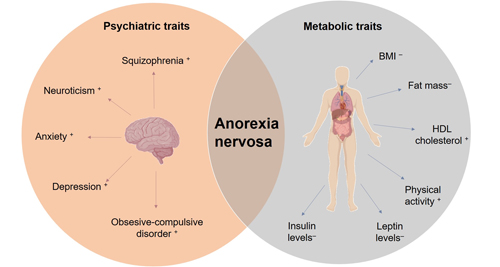
Complications of Anorexia Nervosa Anorexia nervosa affects every organ system. Without treatment, it can lead to severe and irreversible complications, including death. Even after recovery, some health consequences may persist. Read more about the complications of anorexia nervosa below. 8 Complications of Anorexia Nervosa 1. Cardiovascular Complications 2. Endocrine and Hormonal Effects 3. Gastrointestinal Problems 4. Bone Health 5. Neurological Effects 6. Kidney and Electrolyte Imbalance 7. Mental Health Risks Mortality Long-Term Recovery Recovery is possible, especially with early treatment, strong family support, and long-term care. Relapse is common, but many individuals fully regain health and develop healthier relationships with food and body image. Raising awareness, reducing stigma, and offering accessible support services are crucial — especially in countries like South Africa where eating disorders are often underdiagnosed. 👉 End of Series | Back to Overview Dr Susannah Rose Psychotherapist London Anorexia Nervosa Overview Diagnosis of Anorexia Nervosa Causes and Risk Factors of Anorexia Nervosa Treatment for Anorexia Nervosa

Complications of Anorexia Nervosa Read More »

Ankylosing Spondylitis

Ankylosing Spondylitis Overview

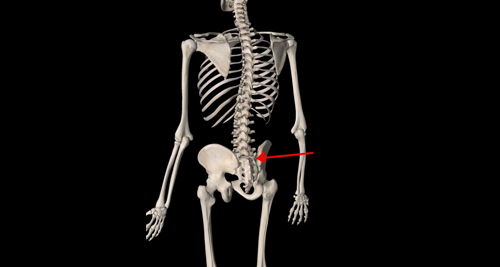
Ankylosing Spondylitis Overview Ankylosing Spondylitis (AS) is a chronic inflammatory disease that primarily affects the spine and sacroiliac joints (where the spine connects to the pelvis). It leads to pain, stiffness, and eventual fusion of the spine, severely limiting flexibility and posture. AS is a form of axial spondyloarthritis, part of a group of related autoimmune diseases. AS most commonly begins in young adults between ages 15 and 35 and is more frequent in men than women. In South Africa and globally, many cases go undiagnosed for years due to the subtle onset and overlap with common back pain. Key symptoms include: Over time, AS can lead to fusion of the spine, resulting in a hunched posture (kyphosis). It may also affect other parts of the body, such as the eyes, heart, and lungs. Preventing The Worst Ankylosing Spondylitis Although there is no cure, early diagnosis and treatment can prevent serious complications and help maintain mobility and quality of life. 👉 [Next: Causes and Risk Factors of Ankylosing Spondylitis] Causes and Types of Arthritis Complications of Ankylosing Spondylitis Treatment for Ankylosing Spondylitis Diagnosis of Ankylosing Spondylitis

Ankylosing Spondylitis Overview Read More »

Causes and Risk Factors of Ankylosing Spondylitis

Causes and Risk Factors of Ankylosing Spondylitis

Causes and Risk Factors of Ankylosing Spondylitis The exact cause of ankylosing spondylitis remains unclear, but it is believed to involve a combination of genetic and immune system factors. Read more about the causes and risk factors of ankylosing spondylitis in the article below. Genetic Link in the Causes and Risk Factors of Ankylosing Spondylitis Doctors strongly associate the HLA-B27 gene with AS: Doctors often use the presence of HLA-B27 as part of the diagnostic process, as it is common in certain populations Other Risks and Causes AS is an autoimmune condition, meaning the immune system attacks healthy tissue, particularly in the joints of the spine. The result is ongoing inflammation that can eventually cause bone growth and joint fusion. Understanding the cause helps tailor treatment and manage lifestyle risks effectively. 👉 [Next: Diagnosis of Ankylosing Spondylitis] Causes and Risk Factors of Breast Cancer in Women Complications of Ankylosing Spondylitis Ankylosing Spondylitis Overview Treatment for Ankylosing Spondylitis

Causes and Risk Factors of Ankylosing Spondylitis Read More »

Diagnosis of Ankylosing Spondylitis

Diagnosis of Ankylosing Spondylitis

Diagnosis of Ankylosing Spondylitis Diagnosing ankylosing spondylitis can be challenging because its symptoms often mimic general back pain. Diagnosis of Ankylosing Spondylitis usually combines clinical signs, imaging, and blood tests. Step 1: Medical History and Physical Examination Your doctor will assess: Physical tests may include: Step 2: Imaging Step 3: Laboratory Tests Differential During Diagnosis of Ankylosing Spondylitis AS must be distinguished from: In South Africa, AS may be underdiagnosed, especially in rural areas with limited access to rheumatologists and MRI. Early referral improves outcomes significantly. 👉 [Next: Treatment for Ankylosing Spondylitis] Arthritis Causes and Risk Factors of Ankylosing Spondylitis Ankylosing Spondylitis Overview Complications of Ankylosing Spondylitis

Diagnosis of Ankylosing Spondylitis Read More »

Treatment for Ankylosing Spondylitis

Treatment for Ankylosing Spondylitis

Treatment for Ankylosing Spondylitis There is no cure for ankylosing spondylitis, but early and consistent treatment for ankylosing spondylitis can relieve symptoms, slow progression, and improve function. Treatment typically involves a combination of medication, physical therapy, and lifestyle changes. 1. Medications 2. Physical Therapy during Treatment for Ankylosing Spondylitis 3. Lifestyle Modifications 4. Surgical Options during Treatment for Ankylosing Spondylitis In South Africa, biologics may be available through medical aid or specialist referral at public tertiary hospitals. Early diagnosis improves access to treatment and long-term mobility. 👉 [Next: Complications of Ankylosing Spondylitis] Arthritis Causes and Risk Factors of Ankylosing Spondylitis Ankylosing Spondylitis Overview Diagnosis of Ankylosing Spondylitis

Treatment for Ankylosing Spondylitis Read More »

Scroll to Top