Mental Matters

Health & Wellness

Treatment of Knock Knees

Treatment of Knock Knees

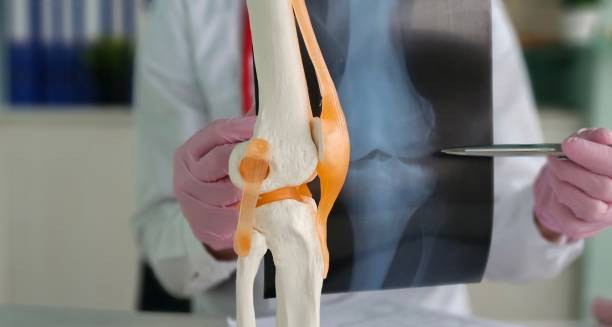
Treatment of knock knees depends on several factors, including the individual’s age, the severity of the angulation, any underlying health conditions, and whether the deformity is causing pain or functional issues. Mild cases often don’t need any treatment. These usually go away as children grow. But if the problem is moderate or severe and lasts into teenage years or adulthood, medical help may be needed. This help can include therapy or even surgery. It’s important to understand the full range of treatment of knock knees options so that people can improve posture, movement, and joint health. When Knock Knees Are Part of Normal Growth In young children, knock knees are often a normal part of growing up. Between ages two and five, it’s common for their legs to move from a bowed shape to a knock-kneed one. By age seven or eight, the legs usually straighten on their own. In these cases, no treatment is needed. Doctors will still check the child’s leg shape during routine visits to make sure everything is developing normally. Sometimes, though, the condition becomes more noticeable or doesn’t go away. If knock knees get worse over time or last beyond early childhood, doctors may suggest early treatments that don’t involve surgery. Physical Therapy and Orthotics for Treatment of Knock Knees Physical therapy is often the first step. It helps fix muscle weakness and improves how the joints work. A trained therapist might create a set of exercises to make the thigh, hip, and butt muscles stronger. These exercises also stretch tight areas and help line up the legs better. As a result, pain and extra stress on the joints can be reduced. Orthotic devices are another key part of treatment of knock knees. Special insoles or knee braces can help spread weight more evenly across the knees. These tools work best in growing kids or in adults with mild to moderate cases. In some advanced cases, braces worn at night or tools to lengthen the leg might be used. However, once bones are done growing, these devices don’t work as well. Supporting Treatment with Lifestyle Changes Changes in lifestyle can help too. For people who are overweight, losing weight can reduce pressure on the knees. This helps with walking and standing. Eating foods rich in vitamin D, calcium, and protein can also support healthy bones. In children or in people with weak bones, a good diet becomes even more important. Fixing any vitamin or mineral shortages, especially those that lead to bone diseases like rickets, is key. Adults who feel pain or can’t move well may need medicine. Drugs like ibuprofen or naproxen can ease swelling and pain. In stronger cases, doctors might give an injection to calm severe pain. These are short-term fixes and usually not used as a long-term plan. Surgical Options in Treatment of Knock Knees If non-surgical steps don’t work, or the knees are badly out of line, surgery might be needed. The most common surgery is called an osteotomy. In this procedure, a doctor cuts and moves parts of the thigh or shin bone to get the legs straight. They may remove or add a piece of bone and hold it in place with metal plates or screws. Recovery often takes months and includes therapy to rebuild strength and movement. Kids who are still growing may benefit from a different type of surgery. A small metal plate is placed on one side of the growth plate to slow growth there. The other side keeps growing normally, which slowly straightens the legs. Once the legs are aligned, the plate is taken out. This method avoids cutting the bone and is less invasive. After surgery, patients need check-ups, therapy, and changes to daily habits. They should focus on low-impact sports like swimming or cycling. High-impact sports might be off-limits for a while to avoid harming the healing bones. Modern Technology and Support in Treatment of Knock Knees It’s important to remember that treatment of knock knees isn’t just about how legs look. If left untreated, the condition can cause long-term problems. These may include early arthritis, knee damage, back pain, and weak joints. Catching the issue early—whether through exercise or surgery—can prevent serious joint problems later. In some areas, people also try other methods along with regular treatment. Yoga, Pilates, or water exercises can help with strength, balance, and flexibility. These don’t fix bone shape, but they can ease pain and improve movement when done often. Some doctors now use robots and 3D images for surgery. These tools help plan and perform bone corrections with great accuracy. Surgeons can customise the treatment for each person, which often leads to better and faster results. Educating Families and Ensuring Long-Term Success Education is also key to success. Patients and their families should learn about the condition, how it may change over time, and why it’s important to stick to therapy or wear braces. Support groups for parents can offer comfort and practical tips, especially when dealing with knock knees from birth. In summary, treatment of knock knees can be as simple as watching and waiting or as complex as surgery. A team approach—working with children’s doctors, bone specialists, therapists, and nutrition experts—can give the best results. With early care and the right plan, most people with knock knees can move better, feel less pain, and enjoy a better life. [Next: Complications of Knock Knees →]
Treatment of Knock Knees Read More »

Complications of Knock Knees

Complications of Knock Knees

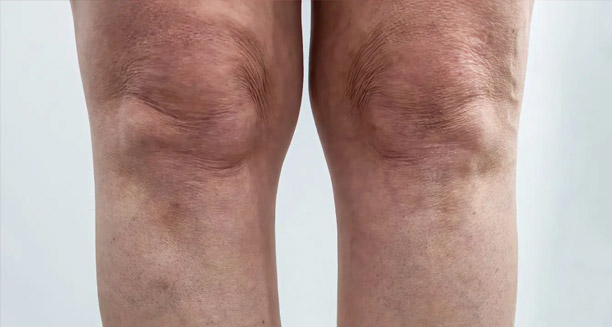
Complications of knock knees can vary significantly depending on the age at onset, severity of the deformity, and whether the condition is properly diagnosed and treated. Some people have no problems and live without pain. However, others may face issues with their muscles, joints, or movement. These problems can affect daily life and long-term health. It’s important to understand the complications of knock knees to act early and manage the condition well. One common problem is long-lasting knee pain. The knees don’t line up properly, so pressure spreads unevenly. In knock knees, either the inner or outer part of the knee carries too much weight. This extra strain wears down the cartilage. Over time, this leads to swelling, pain, and stiffness, especially during walking, using stairs, or standing for long periods. Early Arthritis and Joint Problems Another major complication of knock knees is early arthritis. This joint disease gets worse faster in people with misaligned legs. That’s because certain parts of the joint take more stress. As the cartilage breaks down, the bones start rubbing together. This causes pain, less movement, and swelling. For young adults, this may lead to less physical activity or even early joint surgery if not treated soon. Knock knees also change the way a person walks. The legs move in a strange way, which causes the body to shift. Over time, this leads to poor posture. People may tilt their pelvis or turn their hips inward to adjust. But these changes put extra stress on the hips, lower back, and pelvis, causing more pain. Foot and Muscle Imbalance Foot and ankle problems are also common in people with knock knees. To stay balanced, their feet may turn outward or inward. This can cause flat feet, ankle weakness, or extra strain during exercise or walking. These changes may lead to tiredness, pain, or a higher chance of injury. A less obvious problem is muscle imbalance. Since the knees are out of line, some muscles work too hard while others weaken. This makes movement harder and tires the body faster. Kids may avoid running or playing, while adults may feel worn out from basic daily tasks. Complications of Knock Knees in the Back and Spine In more serious or untreated cases, knock knees can harm the spine. As the knees angle inward, the body’s center shifts. To cope, the spine may bend more than it should. This can put pressure on the spinal discs, nerves, and muscles, leading to back pain or nerve issues like sciatica. The complications of knock knees are not only physical. Emotional and social effects matter too. Teenagers and young adults may feel embarrassed or insecure about how their legs look. If others tease them, this can lower their confidence. Over time, they may feel lonely, sad, or even depressed. Impact on Work, Sports, and Daily Life Knock knees can also affect work and sports. Jobs that require physical effort—like nursing, construction, or manual labor—may become difficult. In athletes, leg misalignment affects speed, balance, and strength. This increases the risk of injuries like ligament tears or meniscus damage. In the worst cases, knock knees can cause serious disability. If the condition gets worse and remains untreated, the joints may suffer permanent harm. Some people may need crutches or walking aids. This limits their movement and lowers their ability to live on their own. In children, knock knees may lead to uneven growth. Conditions like rickets or Blount’s disease can slow growth or make one leg grow faster than the other. Surgery may be needed to fix these problems, along with the leg deformity. Surgery Risks and the Need for Ongoing Care Even after surgery, complications of knock knees can appear if healing does not go well. While treatments like bone cutting or growth-guiding surgery often help, risks include infection, poor healing, or device failure. Careful rehab and regular check-ups are key to avoid these problems. In summary, complications of knock knees range from joint and muscle pain to serious conditions like arthritis, walking problems, and emotional stress. The effects depend on how bad the deformity is and how early it gets treated. With the right care, people can manage their symptoms and enjoy a healthy, active life. [Next: Back to Overview →]

Complications of Knock Knees Read More »

Overview of Knee Cartilage Damage

Overview of Knee Cartilage Damage

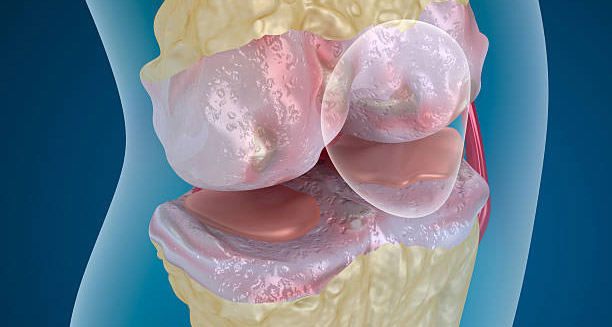
Knee cartilage damage is a common yet often underestimated condition that can severely impact mobility, comfort, and quality of life. Cartilage is a strong and flexible tissue found throughout the body. In the knee, it cushions the bones, allows smooth movement, and absorbs shock. When knee cartilage damage happens—because of injury, wear and tear, or medical problems—it disturbs the smooth working of the joint. This leads to pain, stiffness, swelling, and a limited range of motion. If ignored, the damage can get worse over time and may cause long-term disability or even osteoarthritis. Types of Knee Cartilage and How Damage Happens The knee has three types of cartilage: articular cartilage, the meniscus, and the synovial lining. Articular cartilage covers the ends of the thigh bone, shinbone, and kneecap, helping them move smoothly. The meniscus includes two C-shaped pads that act like shock absorbers between the thigh bone and shinbone. Damage can affect any of these. It may come from a sports injury, a fall, long-term joint stress, or conditions like osteoarthritis. No matter the cause, knee cartilage damage usually causes pain. If left untreated, it can lead to more serious problems later. Who Gets Knee Cartilage Damage and Why People of all ages can suffer from knee cartilage damage. Young athletes often get tears in the meniscus from sports that involve jumping, twisting, or heavy contact. Older adults may experience damage as the cartilage wears down slowly over time. Their joints go through years of use, and the cartilage loses its ability to repair itself. Also, health problems like obesity or rheumatoid arthritis can speed up cartilage breakdown. Cartilage does not have a direct blood supply, so it does not heal well on its own. Even small injuries can last a long time or get worse without proper care. Signs and Symptoms of Knee Cartilage Damage The symptoms of knee cartilage damage depend on how bad and where the injury is. A small injury might just feel a bit uncomfortable. But more serious damage can cause constant pain, joint locking, or a grinding feeling. Swelling after physical activity is also common. Simple tasks like walking, climbing stairs, or squatting can become painful. Many people blame these issues on aging or think their knees are just “weak.” But these signs often point to real joint damage. Acting early makes treatment more successful. Diagnosing Knee Cartilage Damage Better medical imaging, especially MRI scans, makes it easier to spot knee cartilage damage. Still, a doctor’s physical check and asking about symptoms are very important. Sometimes, doctors use arthroscopy. This is a small surgery that lets them look inside the joint and treat the damage at the same time. Treatment depends on the injury. It may include exercise therapy, medicine for pain, injections, or surgery. Newer treatments like cell therapy or stem cell injections may help rebuild cartilage. These options give hope for better recovery in some patients. Living with Knee Cartilage Damage Knee cartilage damage can really change a person’s daily life. Pain and stiffness often stop people from moving around or staying active. This may lead to weight gain, poor heart health, and even feeling down or anxious. Some people also avoid movement out of fear, which makes the problem worse. That’s why early treatment is so important. A good plan can ease pain, improve movement, and stop further damage. Even small steps—like learning the cause of the pain and staying active—can help a lot. Preventing Knee Cartilage Damage Keeping your knees healthy starts with prevention. Try to stay at a healthy weight. Use the right form when you work out or lift things. Wear shoes that support your feet and avoid rough or risky activities when you can. Also, build up strength in your thigh and leg muscles, especially the quadriceps and hamstrings. Strong muscles help keep your knee stable. Do warm-ups and stretches before exercise to keep your joints flexible and lower the risk of injury. Prognosis and Outlook for Knee Cartilage Damage The outcome of knee cartilage damage depends on several things. These include your age, how bad the injury is, where it is, and how fast you get treatment. Smaller injuries often heal well with rest and therapy. Bigger ones may need surgery. Even with surgery, recovery may take time. Some people may not get back full joint movement. But if the injury gets treated early, most people can reduce their pain and move better over time. Raising Awareness About Knee Cartilage Damage Many people ignore early signs of knee cartilage damage. They think the pain will go away on its own. Sadly, that’s not usually true. Cartilage damage can get worse without any warning. Once the joint changes a lot, it’s harder to fix. Teaching people about joint health is very important. If more people knew what to look out for and went to the doctor early, many long-term joint problems could be avoided. Regular check-ups and knowing your risk can make a big difference. How Knee Cartilage Damage Differs from Other Knee Injuries It’s also important to tell knee cartilage damage apart from other issues like ligament tears, tendonitis, or bursitis. Some symptoms look the same, but the causes and treatments are different. That’s why you should always talk to a doctor who knows about bones and joints. Getting the right diagnosis is the first step toward getting the right help. The Wider Impact of Knee Cartilage Damage Knee cartilage damage doesn’t only affect health. It also affects work and daily life. People with constant knee pain may miss work more often. They might need more doctor visits and treatments, which adds to healthcare costs. As more people get older, the number of joint problems like these will grow. This puts more pressure on hospitals and clinics. Offering early check-ups and easy access to rehab services could help reduce some of that stress. Managing Knee Cartilage Damage for Better Health In summary, knee cartilage damage is a serious condition that can cause pain, limit movement,

Overview of Knee Cartilage Damage Read More »

Causes of Knee Cartilage Damage

Causes of Knee Cartilage Damage

Causes of knee cartilage damage are varied and often interlinked, encompassing both acute injuries and long-term degenerative processes. Understanding the causes of knee cartilage damage is essential for both prevention and effective care. Damage often happens because of trauma, overuse, ageing, swelling in the joints, or unusual body mechanics. Each of these adds extra strain on the knee cartilage. This includes both the smooth cartilage covering bones and the shock-absorbing menisci. These tissues don’t get much blood flow, so even small injuries often don’t heal well. Over time, they may cause long-term joint problems. One major cause is sudden injury, especially during sports, falls, or accidents. A direct hit or a quick twist can tear or loosen cartilage. This happens often in contact sports like football, rugby, or basketball. These actions usually harm the meniscus or the smooth cartilage on the thigh and shin bones. People who play sports or stay very active face higher risks. These injuries often happen along with torn ligaments like the ACL or MCL. When ligaments tear, the knee becomes unstable, which wears out the cartilage faster. Overuse and Ageing as Causes of Knee Cartilage Damage Doing the same movement too often is another big cause. Jobs that involve kneeling, squatting, or lifting heavy items—like construction, farming, or military work—can wear out the knee over time. These motions strain the cartilage and joint surfaces, causing small damage that adds up. Runners and cyclists may also face cartilage wear due to repeated knee motion. While these sports are healthy overall, poor training or not enough rest raises the risk of injury. Ageing adds more stress. As people get older, cartilage loses strength and becomes more brittle. This change makes it easier to wear down, even with normal activity. Weak muscles and less joint support in older adults also add more pressure to the knees. This wear and tear often leads to osteoarthritis. In that condition, cartilage slowly breaks down. This causes the bones to rub together, which leads to pain and stiffness. Biomechanical and Weight-Related Causes of Knee Cartilage Damage Body mechanics can also play a big role. If the legs are not straight—like with bow legs or knock knees—weight is not spread evenly across the knee. This extra pressure on one side causes faster cartilage loss in that area. Flat feet or ankles that roll inward also affect how you walk and move. This leads to odd joint motion and more wear on the cartilage. Leg length differences or bone structure problems may also add to this risk over time. Being overweight puts a lot of pressure on the knees. Just walking or standing with extra weight pushes down on the joints. Every extra kilo of body weight adds about four kilos of force to the knee. This added strain wears out cartilage faster. Also, fat tissue makes chemicals that cause swelling in the joints. That swelling speeds up cartilage damage, combining both physical and chemical stress. Inflammatory and Genetic Causes of Knee Cartilage Damage Some illnesses that cause joint swelling also hurt cartilage. Rheumatoid arthritis makes the immune system attack the joints, including cartilage. This leads to constant swelling and faster damage. In gout, sharp crystals form inside the joint. These cause painful flare-ups and cartilage wear. Other diseases, like reactive arthritis or joint infections, also damage the cartilage. If not treated quickly, they can ruin the joint’s surface and lower its ability to move smoothly. Genetics and hormones also matter. Some people are born with weak cartilage or odd joint shapes. For example, osteochondritis dissecans causes a piece of bone and cartilage to break off. This is more common in people with a family history of the condition. Hormone changes, especially after menopause, may also weaken cartilage. Oestrogen usually helps protect joints. In conditions like Ehlers-Danlos or Marfan syndrome, joints are too loose, making damage more likely. Muscle Weakness and Previous Injuries as Causes of Knee Cartilage Damage Old injuries or surgeries often lead to new cartilage problems. After an injury, the body may move in odd ways to avoid pain. These new movement patterns can stress parts of the knee that were once healthy. For example, surgery to fix a torn ACL may still leave the knee unstable. This can lead to a torn meniscus later on. A poorly healed break in the bone can also change how weight moves through the joint, wearing down cartilage faster. Weak muscles around the knee can also cause trouble. Strong muscles—like the thighs, hamstrings, and calves—help support and protect the knee. When these muscles are weak, the knee has to absorb more shock on its own. This puts more stress on the cartilage. Tight muscles and tendons can also limit movement. This increases pressure in the joint and raises the risk of damage during activity. Final Thoughts on Causes of Knee Cartilage Damage In summary, the causes of knee cartilage damage include sudden injuries, repeated use, ageing, poor body mechanics, too much weight, swelling from disease, weak muscles, and genes. Knowing these causes helps people take action early. This means better prevention and smarter treatment. Simple habits—like keeping a healthy weight, staying strong, and fixing joint alignment—can go a long way in stopping damage. Preventing cartilage wear helps keep knees healthy and pain-free for the long term. [Next: Symptoms of Knee Cartilage Damage →]

Causes of Knee Cartilage Damage Read More »

Symptoms of Knee Cartilage Damage

Symptoms of Knee Cartilage Damage

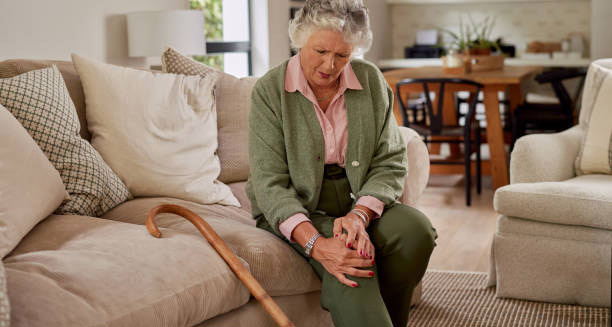
Symptoms of knee cartilage damage can vary widely in their presentation, depending on the severity, location, and cause of the injury. Early Signs of Discomfort Understanding the symptoms of knee cartilage damage helps spot the problem early. In some people, sharp pain begins right after an injury. For others, discomfort builds slowly and gets worse with movement. Because cartilage has no nerves, pain usually starts only when nearby bone or soft tissue is affected. This delay can make the problem harder to notice at first. One of the most common signs is knee pain, especially during movement or when placing weight on the joint. Walking, climbing stairs, or standing for long periods can trigger this pain. Unlike muscle pain, which comes and goes, cartilage pain stays longer and gets worse with use. Sometimes, the pain turns sharp when certain movements press damaged cartilage against the joint surface. Swelling, Inflammation, and Stiffness Swelling often follows knee cartilage damage. It can start quickly after an injury or build up over time. The knee may look puffy, and the skin around it might feel warm or tender. This swelling is the body’s way of reacting to injury. Although it aims to heal, it can also make pain worse and limit movement. If swelling continues, it can harm the cartilage even more, leading to a painful cycle. Another key symptom is stiffness, especially after sitting for a long time or waking up in the morning. Bending or straightening the knee may feel hard. This happens because the damaged cartilage, swelling, and tight muscles all reduce how freely the joint moves. Sounds and Instability in the Knee Noises like grinding, clicking, or popping often show up with knee cartilage damage. These sounds—called crepitus—come from uneven joint surfaces. Damaged cartilage makes the bones glide unevenly, causing these noises. While some joint sounds are harmless, ongoing or painful ones need attention, especially when pain or swelling is also present. Another serious symptom is when the knee suddenly “gives way” or buckles. This often means the joint has become unstable. The rough cartilage surface or added ligament damage can make it hard to bear weight. As a result, people may feel unsure when walking or standing, increasing the risk of falling or hurting the knee again. Locking, Catching, and Limited Movement The knee may also lock or catch during movement. This happens if a piece of cartilage breaks loose or if uneven joint surfaces stop smooth motion. The joint might get stuck in a bent or straight position. People often need to rest or move the leg a certain way to release it. These symptoms are hard for athletes and people with physical jobs because they affect performance and safety. As time goes on, the knee’s range of motion may shrink. At first, the change is small and may not be noticed. Pain often causes people to move less, which makes the problem worse. Over time, daily tasks like squatting, kneeling, or getting into a car become hard. People may move differently to avoid pain, putting more stress on other joints and muscles. Physical Changes and Emotional Effects In long-term cases, the knee may look different. Muscles around the knee, especially the thigh muscles, may shrink from lack of use. This makes the knee look smaller or weaker. In later stages, the knee might become crooked or look deformed. These changes not only affect how the knee works but can also hurt a person’s self-esteem. When walking and moving become difficult, quality of life can drop. Symptoms of knee cartilage damage don’t only affect the body. Living with pain and limited movement can also affect mood. People may feel anxious, stressed, or sad. They may get frustrated if they can’t do things they once enjoyed, like sports or hobbies. These emotional struggles are real and should not be ignored, as they affect overall health and recovery. Symptoms of Knee Cartilage Damage in Different Age Groups Sometimes, symptoms of knee cartilage damage look like those from other knee problems. These can include ligament tears, tendinitis, or bursitis. Because of this, the problem may be wrongly diagnosed, especially when symptoms are mild. That’s why it’s so important to see a doctor early if pain or other signs do not go away. Children and teens may not say they’re in pain. Instead, they may stop running or start limping. Adults may notice a change in how they walk or move. In kids, cartilage problems can come from conditions like osteochondritis dissecans or juvenile arthritis. Treating these early helps avoid future joint damage. Older adults may think joint pain is just part of getting older. This delay in care can cause more harm. But knee cartilage damage is not just an ageing problem. It can be treated well if caught early. Spotting symptoms early keeps the joint healthier longer and helps avoid bigger problems. Recognising and Responding to Symptoms of Knee Cartilage Damage In short, symptoms of knee cartilage damage include pain, swelling, stiffness, joint sounds, instability, and less movement. These signs can hurt daily life. Because they often build up slowly and look like other issues, people may not act quickly. But knowing what to look for and seeing a doctor early makes a big difference. Fast and correct diagnosis leads to better treatment and long-term knee health. [Next: Diagnosis of Knee Cartilage Damage →]

Symptoms of Knee Cartilage Damage Read More »

Diagnosis of Knee Cartilage Damage

Diagnosis of Knee Cartilage Damage

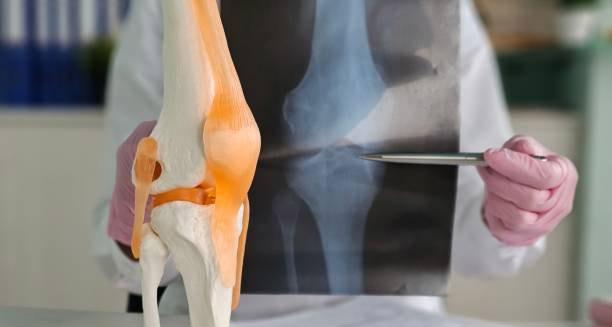
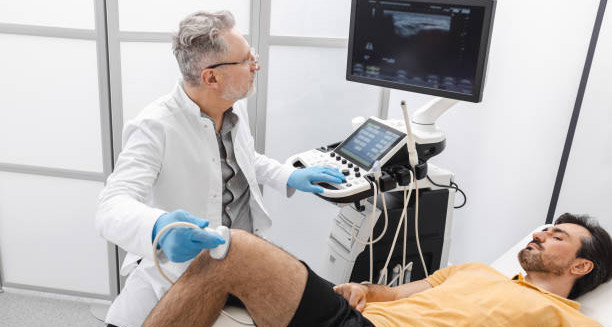
Diagnosis of knee cartilage damage is a critical step in managing and treating joint injuries effectively. Without an accurate diagnosis of knee cartilage damage, people may waste time treating the wrong problem. This leads to more pain, worse damage, and difficulty moving. Since cartilage has no blood supply or nerves, damage may stay hidden until it’s serious. That’s why a careful and informed diagnosis matters so much for recovery. The process starts with a full medical history. Doctors will ask about recent injuries, overuse, or sports accidents that could have hurt the knee. Even small events, like twisting the knee while walking, can cause damage. It’s also important to know when the pain began, whether it comes and goes, and which actions make it worse. Other knee issues like past ligament injuries or arthritis can also provide important clues. After that, the doctor checks the knee physically. This involves watching how a person walks, stands, and moves. The doctor may ask the patient to bend, squat, or stretch the knee. They will touch the knee to find any pain, swelling, or fluid. One key sign they check for is joint effusion — extra fluid in the knee. This may show inflammation from cartilage damage or loose pieces inside the joint. Tests like McMurray’s or Apley’s help spot meniscus tears or other joint issues often seen with cartilage damage. Imaging and Physical Tests for Diagnosis of Knee Cartilage Damage Even though a good exam helps a lot, pictures of the knee are often needed to confirm the diagnosis of knee cartilage damage. Regular X-rays can’t show cartilage directly because cartilage doesn’t appear on them. But they can reveal signs like less space in the joint or bone changes. These signs often point to cartilage wear, especially in people with arthritis. MRI is the best scan for checking cartilage without surgery. It gives clear pictures of soft parts like cartilage, ligaments, and tendons. Special types of MRI — like T2 mapping or dGEMRIC — show even more details about the cartilage’s health and structure. These scans help find early or mild damage. If scans don’t give clear answers, doctors may suggest arthroscopy. This is a small surgery using a camera inside the knee. It shows live pictures of the cartilage and other parts. This method is very accurate. It also lets surgeons fix small problems or remove loose pieces during the same procedure. Arthroscopy is still the best way to check knee joints when MRI results are unclear. Other Diagnostic Tools for Knee Cartilage Damage Some people, especially athletes, may need a gait and movement check. This finds odd patterns or muscle problems that can harm cartilage over time. Sports doctors or physical therapists use tools like motion capture and force plates to study how the knee moves. These tests help with both diagnosis and treatment planning. Ultrasound can also help check for fluid or damage near the surface. It’s useful in early injury settings. But it can’t see deep inside the joint as well as MRI or arthroscopy. Still, it’s good for guiding injections or removing fluid for lab testing. In certain cases, doctors order blood tests to rule out diseases that can damage cartilage. These include infections or immune problems like rheumatoid arthritis. Blood tests may check for inflammation or immune markers such as ESR, CRP, rheumatoid factor, or ANA. These tests don’t confirm cartilage damage, but they help explain the cause of joint pain. Age and Symptom Tracking in Diagnosis of Knee Cartilage Damage Age also plays a role in how knee cartilage damage is diagnosed. In young people, cartilage problems may come from growth issues or bone conditions. Older adults are more likely to have damage from wear and tear. Doctors adjust their approach depending on the patient’s age. Children may need special imaging and checks of growth areas. Older patients may need tests for bone weakness along with cartilage damage. Patients’ own views of their symptoms also help. Questionnaires like KOOS or IKDC let people rate their pain, knee function, and how the knee affects daily life. These scores help track progress and treatment results over time. An early and correct diagnosis of knee cartilage damage leads to better treatment and results. If the problem is missed or found too late, it can cause long-term pain and joint damage. That’s why doctors must use many tools — from exams and scans to patient feedback. The goal is not only to find the damage but also to understand its cause and seriousness. This helps build a treatment plan that fits the person’s needs. In short, diagnosing knee cartilage damage takes many steps. These include medical history, exam, MRI, arthroscopy, and lab tests. Each step gives valuable information. Early diagnosis opens the door to more treatments and a better chance of healing the joint. [Next: Treatment of Knee Cartilage Damage →]

Diagnosis of Knee Cartilage Damage Read More »

Treatment of Knee Cartilage Damage

Treatment of Knee Cartilage Damage

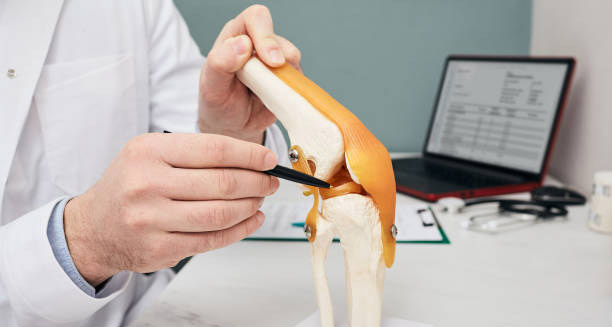
Treatment of knee cartilage damage is a complex and evolving field, driven by advances in regenerative medicine, surgical techniques, and physiotherapy. As cartilage does not have its own blood supply, healing takes longer and often stays incomplete. This makes treatment of knee cartilage damage very important for people who deal with pain, poor movement, and joint problems. Doctors choose treatment based on the amount and place of damage, age, activity level, and whether the ligaments or menisci are also hurt. Many people start with simple methods to treat knee cartilage damage. These include resting the knee, changing daily activities, and using anti-inflammatory medicines like ibuprofen or naproxen. These drugs help ease pain and lower swelling. They let the joint rest and heal from minor injuries. Ice and gentle pressure can also help in the early days of an injury. However, these treatments only ease symptoms. They cannot fix or grow back the cartilage. So, they are best for mild or surface-level damage. Physical Therapy and Injections in Treatment of Knee Cartilage Damage Physical therapy plays a big part in both early care and after surgery. A strong rehab plan can make the muscles around the knee stronger. This gives the joint more support and reduces stress on the cartilage. The therapy includes stretching, strength training, and balance exercises. Some people also do light workouts like swimming or cycling. These improve movement without putting too much pressure on the joint. The main goal is not just to ease pain but to stop the damage from getting worse. If these steps do not help, doctors may try injections. Corticosteroid shots can lower swelling and give short-term relief. But they should not be used too often since they can cause more cartilage loss. Another option is hyaluronic acid shots. These improve the fluid in the joint, which helps it move more smoothly. Results vary, but some people feel less pain and move better after getting these shots. New Options in the Treatment of Knee Cartilage Damage Newer treatments in regenerative medicine are becoming more popular for the treatment of knee cartilage damage. One of these is platelet-rich plasma (PRP) therapy. It uses the person’s own blood platelets to heal the knee and reduce swelling. Another method is stem cell therapy. It takes special cells from bone marrow or body fat to help grow new cartilage. These treatments are still being studied. But early results show they may help younger people with small cartilage injuries. When none of these methods work, surgery is the next step. The kind of surgery depends on how bad the damage is. Arthroscopic debridement is a small operation. It removes loose bits of cartilage and smooths rough areas to stop more damage. While it helps in the short term, especially for younger patients, it cannot replace lost cartilage. Doctors often use it with other methods. Surgical Techniques for Treating Knee Cartilage Damage Microfracture surgery is a more advanced method. It creates tiny holes in the bone to grow new cartilage from bone marrow. This new cartilage is not as strong as the original but can reduce pain and delay bigger surgeries. This method works best for young, active people with small areas of damage. Another option is autologous chondrocyte implantation (ACI). This two-part process takes healthy cartilage cells from the person’s knee and grows them in a lab. Later, doctors put the new cells into the damaged area during a second surgery. ACI shows good results in rebuilding cartilage and making the joint work better. It is complex and usually for people under 50 with limited damage. MACI, or matrix-induced autologous chondrocyte implantation, is a newer version of ACI. It places the grown cells on a special patch that is then added to the joint. This helps spread the cells more evenly and improves how they connect with the rest of the cartilage. Long-term results look good, helping people return to normal life and slowing the start of arthritis. Advanced Surgeries and Lifestyle in Treatment of Knee Cartilage Damage Sometimes, if the damage is large or the knee is out of alignment, doctors do an osteotomy. In this surgery, they cut and shift the bones to move weight away from the bad area. This can help the joint last longer and put off the need for full knee replacement, especially in younger people. If the damage becomes too bad and other treatments do not work, knee replacement may be needed. This could be a partial or full knee replacement. Newer tools and surgery methods have made knee replacements very successful. They help reduce pain and bring back movement. Still, since these artificial joints wear out over time, doctors usually suggest them for older people or those with severe problems. After surgery, recovery is key. Healing may take several months. It includes physical therapy, lifestyle changes, and sometimes using walking aids. Sticking to the rehab plan makes a big difference in how well the knee works long term. Besides medical care, daily habits also matter a lot in the treatment of knee cartilage damage. Keeping a healthy weight eases the load on the knee. Eating healthy foods that lower swelling can help your joints. People should also avoid hard-impact sports like running on hard ground or jumping, as these can make the damage worse. Final Thoughts on the Treatment of Knee Cartilage Damage In short, treatment of knee cartilage damage offers many options. These range from simple care and injections to new cell-based methods and surgery. The right choice depends on the person’s needs and how bad the damage is. With early action and a plan made just for them, many people can move freely again and protect their joint health for a long time. [Next: Complications of Knee Cartilage Damage →]

Treatment of Knee Cartilage Damage Read More »

Complications of Knee Cartilage Damage

Complications of Knee Cartilage Damage

Complications of knee cartilage damage can have long-lasting effects on mobility, joint stability, and overall quality of life. When left untreated or poorly managed, even minor cartilage injuries can worsen and lead to more serious joint problems. Understanding the complications of knee cartilage damage helps patients, doctors, and caregivers act early and prevent permanent joint damage. One of the most common complications of knee cartilage damage is osteoarthritis. Cartilage cushions the bones in the knee joint and allows smooth movement. When cartilage breaks down, bones rub together, causing friction and inflammation. This leads to joint breakdown over time. Osteoarthritis causes pain, stiffness, swelling, and limits movement. Eventually, it can become severe enough to need knee replacement surgery. Chronic pain is another serious complication. Pain may continue long after the injury or surgery. It can result from inflammation, nerve irritation, or bone spurs forming where the joint wears unevenly. Chronic pain affects both physical and mental health. It can disrupt sleep, reduce daily activity, and cause frustration, anxiety, or depression. Patients may rely on pain medicines, which have risks and side effects. Joint instability and misalignment in complications of knee cartilage damage Knee cartilage damage can also cause joint instability and reduced mobility. Cartilage loss changes how the knee moves. Supporting muscles and ligaments can become strained or unbalanced. This instability increases the risk of falls and further injury. Many patients find walking, climbing stairs, or exercising difficult. Less physical activity can cause muscle weakness, weight gain, and poorer heart health. Another complication is joint misalignment. When cartilage wears unevenly, weight shifts incorrectly. This can cause knock-knee (valgus) or bow-leg (varus) deformities. Misalignment speeds up cartilage loss and joint damage. Some patients need surgery to realign the joint, such as osteotomy, or may eventually require knee replacement. Joint effusion, or “water on the knee,” is swelling caused by extra fluid in the joint. This fluid buildup causes warmth, tightness, and swelling. Repeated effusions might need joint drainage or steroid injections. However, these treatments only relieve symptoms temporarily and don’t fix cartilage damage. Loose bodies are small bits of cartilage or bone that break off and float inside the joint. These fragments can get stuck during movement, causing the knee to lock, catch, or hurt suddenly. Loose bodies often require arthroscopic surgery to remove them, especially for active people. Psychosocial and surgical complications of knee cartilage damage Psychosocial complications are often missed but important. Chronic knee problems can lead to emotional distress, low self-esteem, and social withdrawal. Athletes unable to return to sport or people forced to give up activities may lose a sense of identity and life satisfaction. The cost of treatment, time off work, and disability can also cause financial and emotional stress for patients and families. In younger patients, cartilage damage can delay growth or joint development if it happens before growth plates close. This mainly affects adolescent athletes who injure their knees in sports. Early and active treatment is critical to prevent long-term problems and support healthy joint function. Surgery itself can lead to complications. Microfracture surgery often forms fibrocartilage, which is less durable than normal cartilage and may wear out quickly. Autologous chondrocyte implantation (ACI) or MACI procedures carry risks of graft failure, infection, or immune reactions. Joint stiffness or excess scar tissue (arthrofibrosis) after surgery can limit recovery and need further treatment. Rarely, severe cartilage damage can cause avascular necrosis. This happens when the blood supply to the bone under the cartilage is cut off, causing bone death and collapse. Avascular necrosis usually requires joint replacement and long rehabilitation. Prevention and future directions in complications of knee cartilage damage Preventing complications is vital. Early diagnosis, proper treatment, and patient follow-through with rehab help protect the knee. Maintaining a healthy weight, doing physical therapy, and avoiding joint stress reduce damage. Braces or orthotics may also help align the knee and slow wear. Research is ongoing to find better ways to treat and reverse knee cartilage damage. Tissue engineering, gene therapy, and new biomaterials show promise. Although many treatments are still experimental, they offer hope for improved outcomes in the future. In summary, complications of knee cartilage damage can affect physical health, mental wellbeing, and daily life. Problems range from osteoarthritis and chronic pain to joint instability, misalignment, and psychological stress. Acting early with proper care gives the best chance to maintain knee function and prevent lasting disability. [Next: Back to Overview →]

Complications of Knee Cartilage Damage Read More »

Overview of Klinefelter Syndrome

Overview of Klinefelter Syndrome

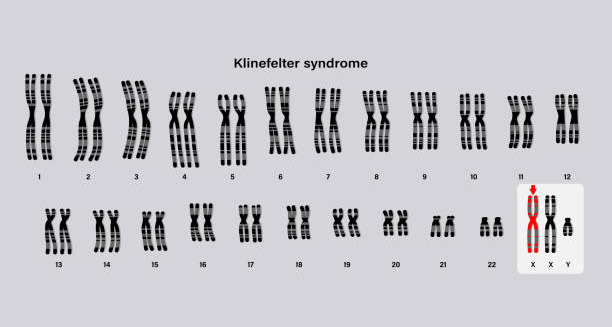
Klinefelter syndrome is a common but frequently underdiagnosed genetic condition that affects males and is characterised by the presence of an extra X chromosome. Instead of the usual XY chromosome pattern found in most males, people with Klinefelter syndrome have a 47,XXY karyotype. This extra chromosome can disrupt male sexual development, testosterone production, and fertility. It may also affect physical growth, thinking skills, and emotional health. Symptoms vary widely, but early diagnosis and treatment can improve quality of life and long-term results. The condition was first described in 1942 by Dr. Harry Klinefelter, who studied men with small testes, infertility, and low testosterone. Since then, research has found that Klinefelter syndrome affects about 1 in every 600 males worldwide. Despite being common, many cases go unnoticed until adulthood, often when men seek help for fertility problems. This happens because symptoms can be mild in childhood and teens, or mistaken for other issues. Genetic basis in the overview of Klinefelter syndrome Genetically, Klinefelter syndrome happens due to a random error in cell division when reproductive cells form in the mother or father. This leads to an extra X chromosome in the child. The extra chromosome is usually not inherited but occurs spontaneously. Rarely, more complex forms appear, like 48,XXXY or mosaicism (a mix of normal and affected cells). These forms often cause more severe symptoms. Common signs include tall height, long limbs, less facial and body hair, enlarged breast tissue (gynecomastia), small testes (hypogonadism), and infertility. Many boys also have learning difficulties, especially with language and reading. They may have delayed motor skills and social problems. If these early problems are not treated, they can lead to low self-esteem, anxiety, or depression during adolescence. Hormonal imbalance is a main concern. Low testosterone is the most serious issue. Testosterone helps male puberty, muscle and bone strength, and mood. Low levels can cause delayed puberty, low sex drive, tiredness, and higher risk of osteoporosis and heart problems later. Luckily, testosterone replacement therapy (TRT) often helps improve these symptoms and promotes physical changes like voice deepening, muscle growth, and body hair. Fertility and psychosocial aspects in overview of Klinefelter syndrome Infertility is common and upsetting for many men with Klinefelter syndrome. Most produce little or no sperm because the testes do not work properly. However, new reproductive technologies, such as testicular sperm extraction (TESE) with intracytoplasmic sperm injection (ICSI), have allowed some men to father biological children. Early fertility checks and specialist advice can offer helpful options. Klinefelter syndrome also affects mental health and social wellbeing. Boys and men may struggle with school, self-image, and social skills. Without proper help, they risk bullying, isolation, or mental health problems like anxiety and depression. Support at school, counselling, and tailored care can help these individuals succeed and enjoy life. It is important to note that intelligence is not always affected. Some boys have mild learning problems, but many have normal or above-average intelligence. Difficulties often lie in verbal skills, memory, and attention. These can affect school success if not recognised early. Speech therapy, occupational therapy, and special education can be very helpful. Diagnosis and management in overview of Klinefelter syndrome Klinefelter syndrome diagnosis can happen at any age. Some are diagnosed in early childhood due to delays or physical signs. Others only find out in adulthood when facing infertility. A karyotype test, which checks chromosomes in cells, confirms the diagnosis. Recently, non-invasive prenatal testing (NIPT) can detect the extra X during pregnancy, though this is not routine. Managing Klinefelter syndrome needs a team approach. This includes endocrinologists, geneticists, fertility doctors, speech therapists, psychologists, and educators. Early support, especially in childhood, improves language, confidence, and social skills. Hormone therapy, mental health care, and fertility treatments help men live healthy, active lives. In conclusion, the overview of Klinefelter syndrome shows it is a common but under-recognised genetic condition caused by an extra X chromosome in males. Symptoms vary widely, but early diagnosis and full care greatly improve outcomes. Raising awareness among doctors, teachers, and the public ensures those affected get the support they need from childhood to adulthood. [Next: Causes of Klinefelter Syndrome →]

Overview of Klinefelter Syndrome Read More »

Causes of Klinefelter Syndrome

Causes of Klinefelter Syndrome

The causes of Klinefelter syndrome lie in a genetic error that results in an extra X chromosome being present in a male’s cells. Most males have a 46,XY chromosome pattern. Individuals with Klinefelter syndrome typically have 47,XXY. This extra X chromosome happens randomly during the formation of sperm or egg cells. The causes of Klinefelter syndrome are not inherited. They do not come from anything the parents did before or during pregnancy. Instead, they are spontaneous errors in cell division that happen by chance. One key cause is called nondisjunction. This means chromosomes fail to separate properly during meiosis, the process that forms sperm and eggs. Nondisjunction can happen in the mother or the father. This results in a sperm or egg with an extra X chromosome. When this abnormal cell combines with a normal cell from the other parent, the embryo ends up with an XXY pattern. This disrupts normal male sexual development and other body processes. Genetic factors behind causes of Klinefelter syndrome It is important to stress that Klinefelter syndrome is not inherited. The genetic changes happen randomly and do not pass from parent to child. This means couples with one affected child do not have a much higher chance of having another. This unpredictability can make it hard for families to prepare, especially since the condition often stays hidden until adulthood. Some factors might slightly raise the risk. Advanced maternal age is one. Studies show older women may have a slightly higher chance of chromosomal abnormalities like Klinefelter syndrome. However, most cases happen in pregnancies of women under 35. The impact of advanced paternal age is less clear and needs more study. Besides the common 47,XXY pattern, there are more complex types. These include 48,XXXY; 48,XXYY; and 49,XXXXY syndromes. These forms involve extra X and/or Y chromosomes. They are rarer and usually cause more severe symptoms. Their cause is similar—nondisjunction during meiosis—but the greater chromosome number leads to stronger effects. Mosaicism and biological impact in causes of Klinefelter syndrome Mosaic Klinefelter syndrome is another form. Here, some body cells have the normal 46,XY pattern, while others have 47,XXY. This happens due to cell division errors after fertilisation, early in embryo growth. People with mosaicism usually show milder symptoms. They may keep fertility and normal testosterone. This variation shows how symptoms can differ, even though the causes come from random chromosome errors. The extra X chromosome affects the testes’ development and male hormone production like testosterone. Both males and females have X chromosomes, but in Klinefelter syndrome, the extra X changes how genes work. These genes control sexual development, growth, and brain function. The altered gene expression causes the diverse symptoms in affected males. Scientists continue to study causes of Klinefelter syndrome to better understand how these genetic differences affect body and mind development. They look at gene activity, epigenetics (how genes turn on or off without DNA changes), and chromosome interactions. These studies help improve diagnosis, treatment, and personalised care. Prevention, screening, and understanding causes of Klinefelter syndrome Despite genetic progress, it is impossible to prevent the random chromosome errors that cause Klinefelter syndrome. But knowing about the condition and detecting it early can improve outcomes. Early treatment like hormone therapy, learning support, and fertility help can make a big difference. Prenatal screening tests, such as non-invasive prenatal testing (NIPT) and chorionic villus sampling (CVS), can detect chromosome abnormalities including Klinefelter syndrome during pregnancy. These tests are not routine but offered when there is a specific reason. In summary, the causes of Klinefelter syndrome come from random errors in chromosome separation during sperm or egg formation. This leads to a male child with an extra X chromosome. The errors are not inherited and have no clear warning. While factors like older maternal age may raise risk slightly, most cases happen spontaneously. Understanding these genetic causes helps doctors support patients better and helps families understand the diagnosis. [Next: Symptoms of Klinefelter Syndrome →]

Causes of Klinefelter Syndrome Read More »

Scroll to Top