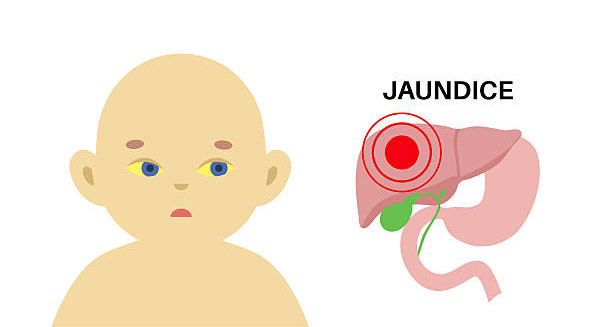
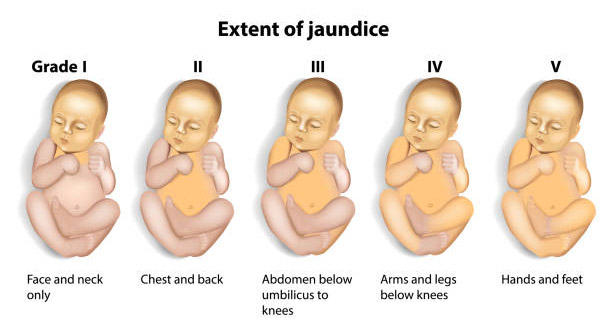
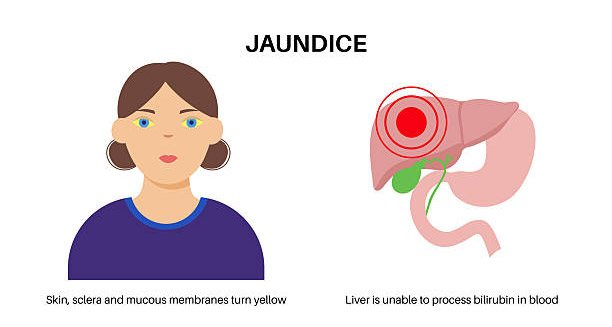
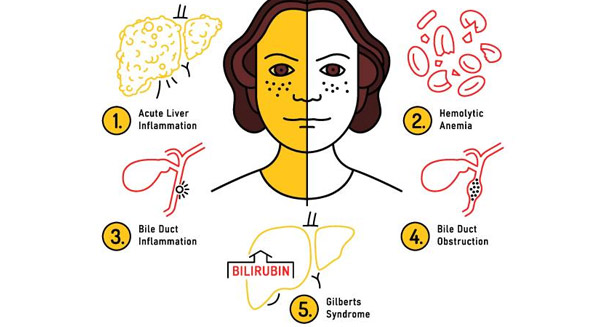
Jaundice develops when there is an imbalance in the body’s ability to process and eliminate bilirubin, the yellow pigment formed during the normal breakdown of red blood cells. This imbalance causes bilirubin to build up in the blood. As a result, the skin and eyes turn yellow. Jaundice can come from many different causes, from harmless to very serious. Knowing these causes helps with quick diagnosis and proper treatment. Doctors group the causes of jaundice into three main types: pre-hepatic (before the liver), hepatic (inside the liver), and post-hepatic (after the liver). Each type shows a different way bilirubin builds up in the body. 1. Pre-Hepatic Causes (Before the Liver) Pre-hepatic jaundice happens when the body breaks down red blood cells too fast. This floods the liver with unconjugated bilirubin. The liver cannot handle it all, so bilirubin rises in the blood. a. Haemolytic AnaemiasSome inherited or acquired diseases increase red blood cell breakdown and cause jaundice. These include: b. InfectionsSome infections, such as malaria, sepsis, or typhoid fever, destroy red blood cells quickly. Malaria is a common cause in certain areas. c. Blood Transfusion ReactionsIf blood is given that does not match, the immune system attacks red cells, causing rapid breakdown and jaundice. d. Autoimmune Haemolytic AnaemiaHere, the immune system mistakenly destroys red blood cells early. Pre-hepatic jaundice mostly raises unconjugated bilirubin. It usually does not cause dark urine because bilirubin has not passed through the liver yet. 2. Hepatic Causes (Within the Liver) Hepatic jaundice happens when the liver itself cannot process or get rid of bilirubin. The liver may be inflamed, damaged, or not working well. This stops it from changing unconjugated bilirubin to conjugated bilirubin or from moving bilirubin into bile ducts. a. HepatitisViral hepatitis (A, B, C, D, or E) is a common cause worldwide. Liver cells get inflamed and stop working well. Hepatitis may be sudden or long-lasting. Patients often feel tired, have belly pain, and raised liver enzymes. b. Alcoholic Liver DiseaseDrinking too much alcohol over time damages the liver. This leads to fatty liver, hepatitis, or cirrhosis. All these can cause jaundice. c. Non-Alcoholic Fatty Liver Disease (NAFLD)This condition is linked to obesity, diabetes, and high cholesterol. If it gets worse, it may cause inflammation (NASH) and cirrhosis, leading to jaundice. d. Drug-Induced Liver InjurySome medicines and herbal products harm the liver. Common examples are: e. Liver Cancer and MetastasesPrimary liver cancer or cancer spreading from other organs (like colon or breast) can harm liver function and cause jaundice. f. Inherited Liver DisordersSome genetic diseases affect bilirubin metabolism, such as: These usually show in childhood or adolescence. In hepatic jaundice, both conjugated and unconjugated bilirubin can be high. Urine may darken due to conjugated bilirubin in the blood. 3. Post-Hepatic Causes (After the Liver) Post-hepatic or obstructive jaundice happens when bile flow from the liver to the intestines is blocked. This causes conjugated bilirubin to back up into the blood. a. GallstonesGallstones often block the bile duct. When a stone gets stuck, bile cannot leave the liver. This leads to jaundice, dark urine, pale stools, and sometimes fever or pain called biliary colic. b. Pancreatic CancerCancer in the pancreas, especially near the bile duct, can press on the duct and cause jaundice. This jaundice usually develops slowly. Weight loss and itching often come with it. c. CholangiocarcinomaThis cancer starts in the bile ducts themselves. It can block bile flow and cause symptoms like other obstructive causes. d. Benign Biliary StricturesNon-cancerous narrowing of bile ducts may follow surgery, pancreatitis, or injury. e. Primary Sclerosing Cholangitis (PSC)This autoimmune disease causes ongoing inflammation and scarring of bile ducts. PSC often occurs with ulcerative colitis and raises the risk of bile duct cancer. Post-hepatic causes raise conjugated bilirubin. They cause dark urine, pale stools, and itching all over the body. 4. Neonatal Jaundice Jaundice in newborns is common and mostly harmless. It happens because the liver is immature and cannot process bilirubin well. Most cases get better within two weeks, but some need treatment. a. Physiological JaundiceSeen in up to 60% of newborns, this peaks around days 3–5 and usually clears on its own. b. Breastfeeding JaundiceIf a baby drinks little milk, dehydration can increase bilirubin levels. c. Breast Milk JaundiceCertain breast milk components may slow bilirubin breakdown but usually cause no harm. d. Haemolytic Disease of the NewbornThis happens when mother’s antibodies attack the baby’s red cells, often due to Rh incompatibility. It is serious and may require blood exchange or light therapy. 5. Other Rare Causes Some less common causes can also lead to jaundice: These causes are rare but should be checked for in certain areas or unusual cases. Conclusion The causes of jaundice cover a wide range, from mild and temporary to severe and deadly. Knowing if jaundice is pre-hepatic, hepatic, or post-hepatic helps with diagnosis and treatment plans. Quick tests like blood work, scans, and sometimes biopsy can find the cause and stop problems like liver failure or infection. Treating jaundice means fixing the cause: slowing red cell breakdown, helping the liver, or clearing bile duct blocks. Vaccination, clean water, and early checks help reduce jaundice in places where it happens often. [Next: Symptoms of Jaundice →]