Diagnosis of Gynaecomastia
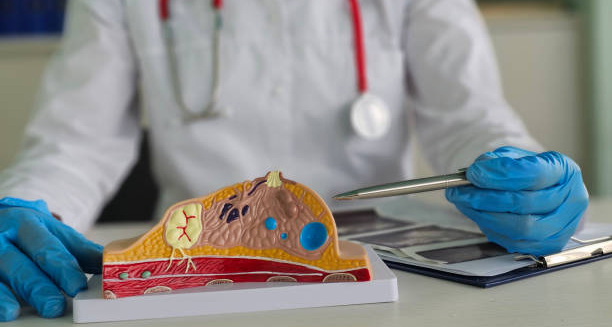
Diagnosis of Gynaecomastia The diagnosis of gynaecomastia involves a combination of clinical examination, patient history, and targeted testing to rule out underlying causes and confirm the presence of glandular breast tissue. Because the diagnosis of gynaecomastia can sometimes overlap with other conditions, especially pseudogynaecomastia or male breast cancer, a thorough and careful assessment is essential. Gynaecomastia is a clinical diagnosis in most cases, but tests may be needed to determine the underlying cause, especially in persistent, asymmetric, or painful cases. Understanding the diagnostic process can help reassure patients and guide appropriate treatment decisions. 1. Clinical History A detailed patient history provides valuable insight into the potential causes of gynaecomastia. Doctors will typically ask about: Age of onset and duration of symptoms Rate of progression (sudden vs slow development) Presence of pain or tenderness Medication history, including prescription and recreational drugs Use of supplements or anabolic steroids Alcohol consumption History of chronic illness, such as liver, kidney, or thyroid disorders Sexual health and fertility issues, including erectile dysfunction or testicular size The goal is to identify hormonal imbalances or external factors contributing to glandular breast development. 2. Physical Examination A focused physical exam is essential. It should assess: Size and consistency of breast tissue Whether the tissue is firm, glandular, or soft and fatty Location of enlargement (true gynaecomastia is central under the nipple) Signs of inflammation, infection, or discharge Testicular examination to check for masses or asymmetry Assessment of secondary sexual characteristics, such as body hair, muscle mass, and genital development True gynaecomastia is distinguished from pseudogynaecomastia by the presence of firm, disc-like tissue beneath the nipple, while fat-related enlargement tends to be soft and diffuse. 3. Blood Tests If the diagnosis is uncertain or if there are signs of hormonal imbalance, blood tests may be performed to evaluate: Oestrogen and testosterone levels Liver function tests (to check for cirrhosis or hepatic disease) Kidney function tests Thyroid function (TSH and T4) Luteinising hormone (LH) and follicle-stimulating hormone (FSH) Prolactin Beta-hCG and AFP, which may be elevated in testicular or adrenal tumours These tests help uncover systemic or endocrine causes, such as hypogonadism, tumours, or hyperthyroidism. 4. Imaging Studies a. Breast Ultrasound Helps distinguish gynaecomastia from male breast cancer Identifies glandular tissue vs cysts or masses Useful in cases of unilateral enlargement or hard masses b. Mammography Used if malignancy is suspected (especially in older men) Detects irregular, spiculated lesions characteristic of cancer c. Testicular Ultrasound Ordered if physical exam reveals testicular irregularities Screens for germ cell tumours, which may produce hormones that affect breast tissue 5. Staging and Classification Gynaecomastia can be classified based on severity: Staging helps determine the need for surgery or other interventions. 6. Differential Diagnosis The diagnosis of gynaecomastia must rule out other causes of breast enlargement or masses in men: Condition Key Distinction Pseudogynaecomastia Fatty tissue only, no firm glandular mass Male breast cancer Hard, unilateral lump, possible discharge Mastitis or abscess Painful, red, inflamed swelling Lipoma Soft, mobile lump away from nipple Dermatological lesions Localised skin thickening or cysts In cases where a malignant tumour is suspected, referral to a breast or oncology specialist is essential. 7. Adolescent Gynaecomastia In teenage boys, no testing is usually required unless: The tissue is persisting longer than 2 years There is significant pain or asymmetry The breast tissue is rapidly growing Other signs of endocrine disruption are present Most adolescent cases resolve spontaneously and do not require further investigation. When to Refer Referral to an endocrinologist, breast specialist, or surgeon is appropriate if: There is a suspicion of cancer Blood tests reveal hormonal abnormalities The patient desires surgical correction for cosmetic or psychological reasons Gynaecomastia is causing severe emotional distress Conclusion | Diagnosis of Gynaecomastia The diagnosis of gynaecomastia begins with a detailed medical history. First, the doctor asks about symptoms, medications, and any underlying health issues. Next, they perform a physical exam to check for breast tissue growth and rule out other causes. In some cases, blood tests help identify hormone imbalances. Imaging, such as ultrasound or mammography, may also be used to look more closely at the breast tissue. It is important to tell true gynaecomastia apart from conditions like pseudogynaecomastia, which is caused by fat buildup, or rare but serious issues like breast cancer. By making a clear diagnosis, doctors can give the right advice and choose the best treatment. With an accurate diagnosis, patients receive not only medical care but also reassurance. As a result, they can better understand their condition and feel more confident moving forward. [Next: Treatment of Gynaecomastia→]