
Mental Matters

Physical Feelings

Clinical Psychologist Ballito

Signs You Could Be Mentally Exhausted

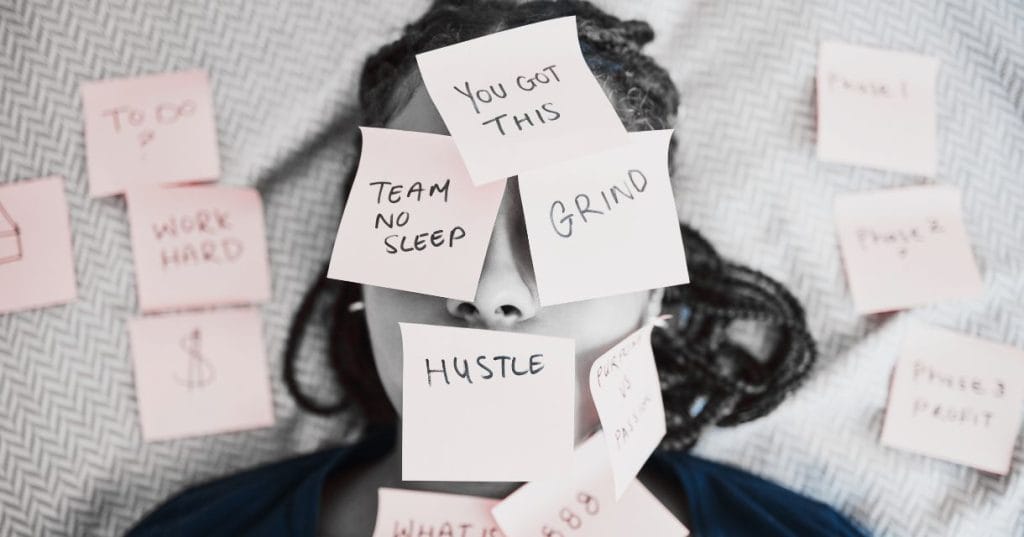
Mental exhaustion is more than just feeling tired after a long day. It’s a deeper kind of fatigue that affects your mind, body, and emotions. Unlike physical exhaustion, it doesn’t go away after a good night’s sleep—it lingers, making even simple tasks feel overwhelming. Here are some common signs you might be mentally exhausted: 1. Always Tired, Even After Rest You sleep through the night, yet you wake up feeling just as tired as the day before. No amount of rest seems to restore your energy. 2. Getting Annoyed Easily Little things that didn’t bother you before now irritate you. You might find yourself snapping at others or feeling frustrated over the smallest inconveniences. 3. Hard to Focus It’s tough to stay on task, and your mind feels foggy. You lose track of what you were doing or forget things more often than usual. 4. No Motivation You feel uninterested in things you used to enjoy. Even getting started on simple tasks feels impossible at times. 5. Emotional Ups and Downs You might feel on the verge of tears one moment and completely numb the next. Your emotions seem out of control or unusually flat. 6. Body Feels Stressed Your body mirrors your mental state. Headaches, tension, stomach problems, or feeling constantly tense are all physical signs of mental exhaustion. 7. Avoiding People Socialising feels like too much work. You start cancelling plans or ignoring calls because being around people seems exhausting. 8. Struggling with Everyday Tasks Basic things like answering emails, cooking, or having to leave the house feel overwhelming. You might start procrastinating or avoiding them altogether. If these signs feel familiar, it’s a clear signal to take a step back and recharge. Mental exhaustion doesn’t have to become your default state. Recognising the signs is the first step toward reclaiming your energy and well-being. Take care of yourself—your mind and body deserves it. Mental Matters is a resource and information platform. We do not provide medical advice, diagnosis, or treatment. While the information on our website is for general awareness and support, it should not replace professional advice. For any mental health concerns, please consult a qualified healthcare or mental health professional. Symptoms of Cataracts in Children Occupational Therapist Rondebosch Causes of Carbon Monoxide Poisoning People Who Never Get Tired, What’s Your Secret? Why Does Being Mentally Exhausted Feel Like The New Normal?

Signs You Could Be Mentally Exhausted Read More »

People Who Never Get Tired, What’s Your Secret?

Every September and October, I end up in the same exhausting situation: trying to squeeze four months’ worth of work into just one week. It’s that time of year when I’m buried under deadlines and tasks, running on autopilot. Days blur into nights, and my brain is racing even while my body is begging for a break. Why do I put myself through this? Well, it’s either suffer through this crunch now or face the nightmare of catching up on four months of work, plus the new year’s chaos. No thanks. It usually starts with a flood of tasks and last-minute changes. Clients are constantly reaching out, pushing for updates and asking for tweaks to work I’ve already spent hours on. It’s like every time I check something off my to-do list, two more things magically appear. During these crazy weeks, I feel like I’m just running on instinct. Every task blends into the next, and even a quick bathroom break feels like a luxury. You know you’re deep in it when hours pass without you even noticing. Mentally, I’m all over the place. My mind won’t stop buzzing with thoughts about what’s next and what I might have missed. I can’t help but wonder how some people seem to handle all of this with ease. What’s their secret? How do they stay calm and keep their energy up? I’d love to know how they manage to stay on top of it all. Getting through these periods is always a challenge, but just acknowledging the struggle makes it a little easier. If you’ve figured out how to keep your head above water during the madness, I’d love to hear your tips. For now, I’ll keep pushing through, doing my best to survive the chaos and find some balance. Mental Matters is a resource and information platform. We do not provide medical advice, diagnosis, or treatment. While the information on our website is for general awareness and support, it should not replace professional advice. For any mental health concerns, please consult a qualified healthcare or mental health professional. Signs You Could Be Mentally Exhausted I Wasn’t Raised — I Was Controlled Dr Barbara Louw Counselor Garsfontein Why Does Being Mentally Exhausted Feel Like The New Normal? Dr Gareth September Plastic and Reconstructive Surgeon(
People Who Never Get Tired, What’s Your Secret? Read More »

Napping Is Good for The Brain? Say No More!

How many times have you woken up from a nap feeling like you accidentally travelled through a wormhole and landed in a parallel universe where everything feels slightly off? Yeah, naps can be a gamble. You close your eyes for a quick recharge, only to wake up feeling more confused than a toddler trying to fit a square block in a round hole. But science is finally catching up to what many of us have known all along – napping is GOOD for you! Not just good for feeling a little less like a zombie, but good for your brain in some seriously powerful ways. Think of your brain as a high-performance computer. Just like our computers need a restart every now and then, our brains also benefit from a power down (without the full shutdown of a night’s sleep). A study published by University College London (UCL) found a surprising link between napping and brain health. Their research suggests that people who nap regularly tend to have larger total brain volume. This is significant because a larger brain volume is often associated with better cognitive function and a lower risk of dementia later in life. The study suggests that napping may act as a safeguard, compensating for inadequate sleep or boosting overall brain health. And research in Behavioural and Brain Sciences suggests that napping allows your brain to process information subconsciously. This subconscious processing can lead to unexpected connections and creative problem-solving skills. Sold on the brain benefits? Here are some expert-recommended tips: Of course, napping shouldn’t be a replacement for quality sleep. If you find yourself needing naps constantly to function, it could be a sign of an underlying issue. Talk to a doctor about your sleep habits and make sure you’re getting enough shut-eye at night. But for those times when the afternoon slump hits, don’t be afraid to embrace the power nap! Science (and your brain) will thank you for it. Mental Matters is a resource and information platform. We do not provide medical advice, diagnosis, or treatment. While the information on our website is for general awareness and support, it should not replace professional advice. For any mental health concerns, please consult a qualified healthcare or mental health professional. Brain Tumours Living with Brain Tumours What Is the Difference Between Anxiety and Depression? Life Sports Science Orthopaedic Surgical Day Centre Cape Town Health by Science Physiotherapy Edinburgh

Napping Is Good for The Brain? Say No More! Read More »

Hitting Your Limit? It Might Be Time for a Break

Has the first half of 2024 already felt like a relentless sprint? We’re not even halfway through the year, and it feels like news headlines and social media are constantly demanding our attention. The financial crisis weighs heavily on everyone’s mind, while major pop culture moments leave us equally overwhelmed. From Beyoncé’s surprise country album to the latest celebrity romance, all the way to the potential social media platform ban causing a frenzy, it’s no wonder we’re all feeling a little… well, overstimulated. Perhaps it’s time we all slow down a bit. But slowing down is incredibly difficult in our fast-paced culture. We glorify busyness, cramming our days with work, to-do lists, and social media that sucks us in for hours on end. “Just one more scroll” becomes three in the blink of an eye. Somehow, “productivity” seems to be measured by how full our schedules are. The busier we are, the better, right? Wrong. This constant pressure to be busy shouldn’t be the norm though. It bleeds into every aspect of our lives. With social media constantly buzzing, taking a break can make us feel like we’re missing something important. Our phones, the tools for connection, ironically blur the lines between work and personal life. Emails ping at all hours, notifications scream for attention. Before you know it, those quiet evenings you planned get replaced by late-night scrolling sessions. Don’t get us wrong, being productive and getting things done is necessary (and great!). But are we truly winning when we’re running on empty? Here are some signs it might be time to hit the brakes: If you’re nodding along to any (or all) of these, then maybe it’s time to slow things down. Because you deserve to feel more focused and present. When you slow down, you create the time and energy for the things that truly matter to you. Mental Matters is a resource and information platform. We do not provide medical advice, diagnosis, or treatment. While the information on our website is for general awareness and support, it should not replace professional advice. For any mental health concerns, please consult a qualified healthcare or mental health professional . Age-Related Macular Degeneration Treatment of Cirrhosis What I Reach for When Panic Hits Treatment and Recovery from Chronic Kidney Disease Feeling Stressed? 5-Minute Anxiety Relief Techniques You Can Do Anywhere

Hitting Your Limit? It Might Be Time for a Break Read More »

Text overlay: ADHD

Understanding Attention-Deficit/Hyperactivity Disorder (ADHD)

Attention-Deficit/Hyperactivity Disorder (ADHD) is more than just having trouble focusing or being a little restless from time to time. It’s a neurodevelopmental condition that affects many people worldwide, including a significant number in South Africa. If you’ve been finding it hard to concentrate, sitting still, or controlling impulsive behaviours, learning about Attention-Deficit/Hyperactivity Disorder (ADHD) might give you a better understanding of what you’re going through. What Is Attention-Deficit/Hyperactivity Disorder? Attention-Deficit/Hyperactivity Disorder (ADHD) is a condition characterised by symptoms such as inattention, hyperactivity, and impulsivity that are more severe and long-lasting than what is typically seen in children and adults. It can affect many aspects of life, including school, work, relationships, and daily tasks. While everyone experiences occasional distractions, those with ADHD struggle with these symptoms on a daily basis. Signs and Symptoms of ADHD People with Attention-Deficit/Hyperactivity Disorder (ADHD) may exhibit a mix of behavioural and cognitive symptoms, including: These behaviours can cause challenges in school, work, and relationships, and can sometimes lead to frustration and low self-esteem. How Common Is ADHD in South Africa? In South Africa, Attention-Deficit/Hyperactivity Disorder (ADHD) is one of the most common neurodevelopmental disorders, affecting a notable portion of children and adults. It is often underdiagnosed, with many individuals not receiving a formal diagnosis until they reach adulthood. According to local health organisations, ADHD can be present in up to 5% of the population, but its symptoms are frequently misunderstood or mistaken for other conditions. What Causes ADHD? While the exact cause of Attention-Deficit/Hyperactivity Disorder (ADHD) is not fully understood, research suggests several factors may contribute: How Is ADHD Diagnosed? If you suspect you or your child might have Attention-Deficit/Hyperactivity Disorder (ADHD), it’s important to speak to a healthcare professional. In South Africa, you can start by consulting: They may: Treatment Options for ADHD Although Attention-Deficit/Hyperactivity Disorder (ADHD) can be challenging, it is treatable. Common treatment options include: Medication: Therapy: Lifestyle Changes: Tips for Coping with ADHD If you’re managing Attention-Deficit/Hyperactivity Disorder (ADHD), these strategies may help: Local and International Resources for ADHD When to Get Help If you or your child are struggling with Attention-Deficit/Hyperactivity Disorder (ADHD) and it’s impacting daily life, don’t hesitate to seek professional help. Early intervention and treatment can significantly improve quality of life and help individuals with ADHD thrive at home, school, and work. Final Thoughts Living with Attention-Deficit/Hyperactivity Disorder (ADHD) can be a challenge, but understanding the condition is a key step toward managing it effectively. With the right treatment, strategies, and support, it’s possible to live a more organised, fulfilling, and successful life. Remember, seeking help is not a sign of weakness—it’s an important step toward taking control and building a positive future. Mental Matters is a resource and information platform. We do not provide medical advice, diagnosis, or treatment. While the information on our website is for general awareness and support, it should not replace professional advice. For any mental health concerns, please consult a qualified healthcare or mental health professional. Understanding ADHD in Children and Young People Living with Adult ADHD Treatment and Lifestyle Strategies of Adult ADHD Diagnosis and Screening of Adult ADHD Causes and Risk Factors of Adult ADHD

Understanding Attention-Deficit/Hyperactivity Disorder (ADHD) Read More »

Scroll to Top