Mental Matters

Community

Why Are We So Defensive About What Men Want From Women?

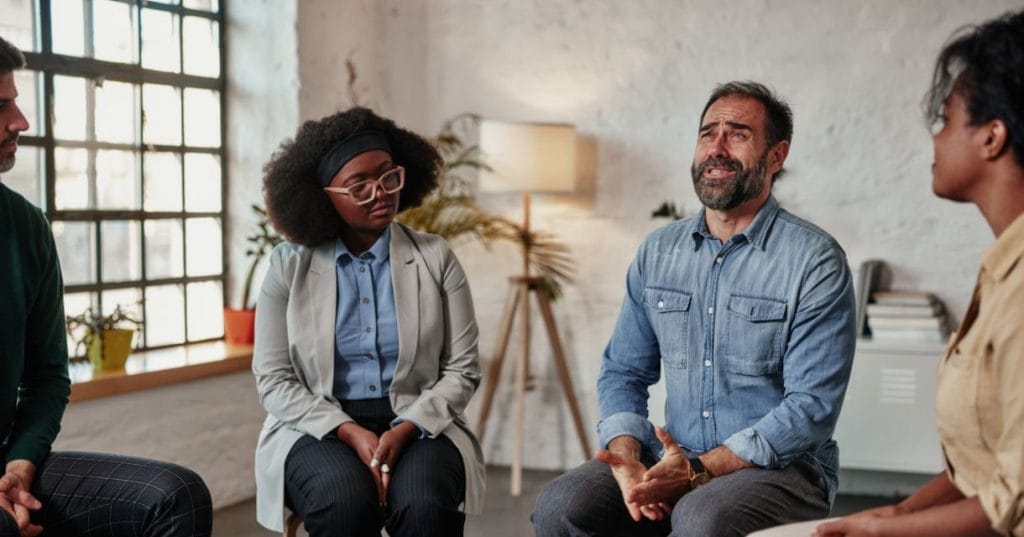
In our support group, someone asked, “Besides sex, what do men really want from women?” The reactions stirred things up—some guys looked caught off guard, while others seemed ready to make a quick exit. It was interesting to see the range of responses. A few guys tried to deflect by asking, “Well, what do women want?”—a classic move to avoid the real issue. Others just went silent, clearly uncomfortable. It felt like this question really hit a nerve with some guys. So, why does a question like this cause such discomfort? Why do we react defensively, almost as if it’s an insult rather than an opportunity for a real conversation? The question wasn’t about making anyone uncomfortable—it was about getting us to think and talk. This kind of discomfort shows us something important about how we communicate and understand each other. Questions like these push us to look beyond the surface and think about what really matters in our relationships. It’s about feeling valued, understood, and supported. It’s easy to get defensive when faced with tough questions, but maybe that’s exactly why we should engage with them. These conversations aren’t about finding fault—they’re about figuring out what we need and want from each other. So next time you’re faced with a tough question, whether it’s about relationships or something else, try to approach it with curiosity instead of defensiveness. These conversations might be uncomfortable, but they’re a chance to grow and connect with one another. After all, isn’t that what we’re all really after? Mental Matters is a resource and information platform. We do not provide medical advice, diagnosis, or treatment. While the information on our website is for general awareness and support, it should not replace professional advice. For any mental health concerns, please consult a qualified healthcare or mental health professional. Caroline Webb Sex Intimacy and Relationship Coach & Therapist Personal Transformation & Development Therapy Randburg Questions Every Woman Should Ask Her Gynaecologist Caroline Webb Sex Therapist & Intimacy Coach Randburg Strong Relationships Start with Questions The Questions I Ask Myself to Stay Connected

Why Are We So Defensive About What Men Want From Women? Read More »
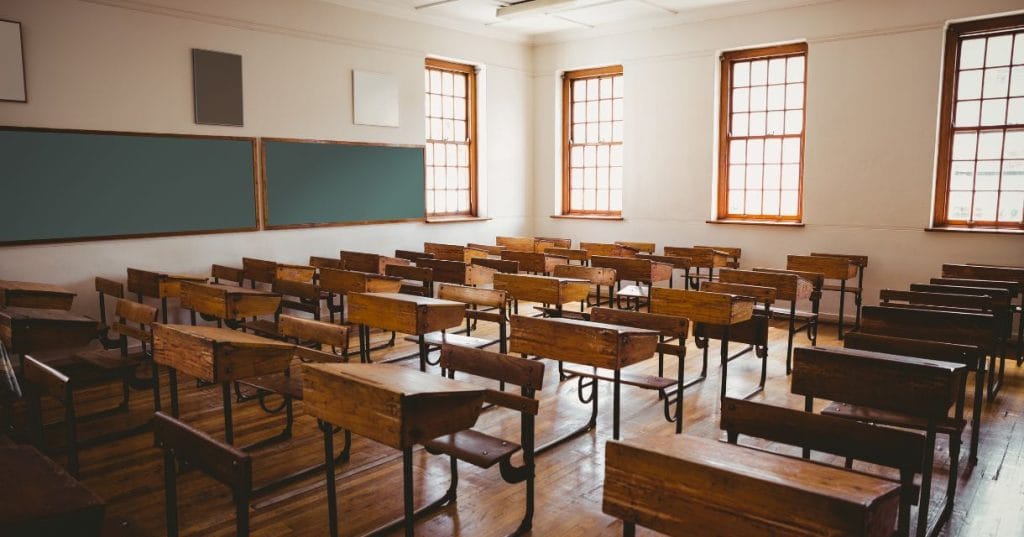
What the Latest Teacher Cutbacks Mean for Schools and Students

If you’ve heard the recent news about teacher cuts in the Western Cape, you’re probably feeling concerned. The Western Cape Education Department (WCED) announced some big changes that will affect our schools. Here’s what’s happening and why it matters to you, your kids, and our community. Teacher Reductions: Due to funding issues, there will be fewer teachers in our schools starting in 2025. Some contract teachers won’t have their contracts renewed after December 31, 2024, and some permanent teachers might be moved to other schools where there’s a need. Funding Issues: The province is only getting 64% of the money needed to cover the wage increases agreed upon nationally. Despite cutting R2.5 billion from various budget areas, there’s still a R3.8 billion shortfall looming over the next three years. It’s a Nationwide Problem: This isn’t just a Western Cape issue; other provinces are struggling too because the national government didn’t fully fund the 2023 wage agreement. How Will This Affect Our Schools? Here’s what these cuts might mean for our kids and their education: What Are Teachers Saying? One teacher, who asked to remain anonymous, shared their frustration: “It’s a nightmare! I’m managing over 40 students, and handling behaviour is already a big challenge. With fewer teachers, classes might reach 50 students. It’s not just about the size of the classes; it’s about trying to keep up with the needs of so many students.” What Can We Do About It? Worried about these changes? How you can get involved: Education is the foundation of our community’s future. By staying informed and working together, we can help ensure our schools continue to support our children effectively. If these cuts have you concerned, connect with others who share your worries and let’s find ways to address this issue together. Our schools—and our kids—need us now more than ever. Mental Matters is a resource and information platform. We do not provide medical advice, diagnosis, or treatment. While the information on our website is for general awareness and support, it should not replace professional advice. For any mental health concerns, please consult a qualified healthcare or mental health professional. Causes of Cuts Complications and Recovery from Cuts Mental Health In South Africa: A Cause for Concern and A Call to Action Growing Young Minds Learning Support Midrand Rachel James Yoga Teacher London

What the Latest Teacher Cutbacks Mean for Schools and Students Read More »

How to Support Someone Who Might Be Thinking About Suicide

Supporting a friend or loved one who might be having suicidal thoughts can be challenging, but your support can mean a lot. Here’s how you can help: 1. Start a Conversation Reach out with care. You might say something like, “I’ve noticed you’ve been having a hard time. I’m here if you want to talk about it.” Showing concern and opening up a space for them to share can be comforting. 2. Listen Without Judgment When they talk, listen carefully. Avoid jumping in with solutions or advice right away. Sometimes, just listening and saying, “That sounds really tough. I’m here for you,” can provide a lot of comfort. 3. Suggest Professional Help Gently suggest talking to a mental health professional. Offer to help find resources or make an appointment. Let them know there are people who can help them through this. 4. Keep in Touch Check in regularly, even if they seem distant. Your ongoing presence can remind them that they’re not alone and that you care. 5. Offer Practical Help Help out with daily tasks that might feel overwhelming. Things like doing their weekly washing, or getting them out of the house can make a big difference and show that you’re there to support them. 6. Look After Yourself Supporting someone in crisis can be tough. Make sure you’re also taking care of your own mental health. It’s okay to set boundaries and seek support if you need it. 7. Know When to Seek Immediate Help If you believe they’re in immediate danger, contact emergency services or a crisis line. Quick action can help them get the urgent support they need. 8. Be Patient Recovery can take time. Keep offering your support with patience and understanding, and remember that progress might be gradual. 9. Immediate Resources For urgent help, contact: There’s support available, and you don’t have to face this alone. Mental Matters is a resource and information platform. We do not provide medical advice, diagnosis, or treatment. While the information on our website is for general awareness and support, it should not replace professional advice. For any mental health concerns, please consult a qualified healthcare or mental health professional. East Team Forward Thinking Birmingham Getting Urgent Help for Mental Health in South Africa Suicide Prevention Support Recognising the Warning Signs and Symptoms of Suicide What Suicide Prevention Month Means for Us All(

How to Support Someone Who Might Be Thinking About Suicide Read More »

How Did You Know She Was The One?

Everyone’s love story is different, but there’s always that moment when you know. Four men from our community share the moments they realised they’d found the one. These stories might just make you smile, or even remind you of your own. 1. She Turned My Birthday Blues Around “I was away at university, far from home, with no plans for my birthday during finals week. Feeling a bit down, I didn’t expect much. We weren’t even dating at the time, but she surprised me by showing up with a gift and a picnic basket. We had a picnic on the grass behind my res, and in that moment, I felt so cared for. That’s when I knew she was different. That’s when I knew she could be the one.” — Anonymous 2. I Was Actually Into Her Friend “This one’s a bit funny—I wasn’t even into her at first. I was actually interested in her best friend! I got her number so I could ask for her friend’s number. We chatted for about six months, then drifted apart. A few months later, I checked in with her, and we started talking daily. After that, I asked her out on a date, and something just clicked. I knew she was the one. Funny how life works.” — Mark 3. My Mom Played Matchmaker, and It Worked “After several failed relationships and even a broken engagement, I wasn’t looking for anything serious. I was casually dating, not interested in finding ‘the one.’ But my mom thought otherwise and started playing matchmaker. She’d drop hints like, ‘You know Aunty Belinda’s niece lives near you,’ and I’d get messages from people saying they got my number from my mom. One day, a girl messaged me and said she got my number from my mom. I immediately apologised, embarrassed by my mom’s meddling. But she quickly put me at ease by saying, ‘Cool, I was just looking for someone who could help with my PC, that’s why she gave me your number.’ I couldn’t even be angry—I just laughed. A year later, we bought our first flat together, got married, and now, 15 years later, we’re still happily married. That’s how I knew.” — Nur 4. She Kept Me on Track “I wasn’t always the best version of myself growing up. I made some bad choices, but she was always there, guiding me in the right direction. If my drinking got out of hand, she stepped in. If I acted like an idiot, she’d correct me—always in the best way possible. After four years together, it hit me—she was the one keeping me grounded, and I couldn’t imagine my life without her.” — Stephan Love isn’t always a lightning bolt—sometimes it’s a quiet moment that suddenly makes everything clear. What’s your story? Share it with us, and maybe your experience will inspire someone else’s journey. Mental Matters is a resource and information platform. We do not provide medical advice, diagnosis, or treatment. While the information on our website is for general awareness and support, it should not replace professional advice. For any mental health concerns, please consult a qualified healthcare or mental health professional. Peaceful Moments Therapy Worcester How to Build Your Own Emotional Safety Plan Why Talking to Your Kids About Mental Health Matters The Bristol Therapist Bristol 10 Things Everyone Should Know About Autism

How Did You Know She Was The One? Read More »

How I’m Healing After a Rigid Upbringing

Disclaimer: This story is from a community member, edited for clarity.I always knew I needed to face my past to heal and move forward, but it’s not easy. Sometimes, I feel like the child in me is too afraid to confront the truth. Other times, I worry that people won’t believe my experiences, just as they didn’t before. Looking back on my childhood, I realise how much I’ve tried to block out. My upbringing was anything but normal. With the greatest respect for my family, whom I love dearly, I now see the unspoken trauma we never addressed. The things I saw, heard, and experienced made me think this was just how life was meant to be. Our home was strict and joyless. My dad was all about routines and rules. Dinner had to be on the table by 6pm sharp, and silence was mandatory during the news. The kitchen was for chores, not family time. Doing the dishes meant doing them right—no room for jokes or fun. And conversations were usually brief and to the point—’Did you cut the lawn?’ ‘How was your test?’ I hated those questions, especially since I wasn’t as into academics as my siblings My creative interests didn’t exactly thrill my dad. Being the youngest gave me a bit of a break, but not much. My dad’s high expectations and lack of warmth made home feel more like a place of duty than love. My love for creativity was often brushed aside for academic success. And my emotional needs rarely received attention. I often wondered if the tension between my parents signalled their unresolved issues, which we never discussed. Understanding how these experiences shaped me is a big part of my healing. I need to see how my past affects my present. It’s tough, but facing these truths is necessary to move forward. By accepting my past, I’m learning to acknowledge my experiences and find a way to a healthier future. Mental Matters is a resource and information platform. We do not provide medical advice, diagnosis, or treatment. While the information on our website is for general awareness and support, it should not replace professional advice. For any mental health concerns, please consult a qualified healthcare or mental health professional. I’m Not Just a Victim of My Past Some Better Answers to Try Instead of “I’m Fine” Why Do We Say “I’m Fine” When We’re Actually Not Complications and Recovery from Coeliac Disease Treatment of Coeliac Disease

How I’m Healing After a Rigid Upbringing Read More »

What Suicide Prevention Month Means for Us All

Suicide Prevention Month is a crucial time to raise awareness about a topic that impacts countless lives globally and here in South Africa. With rising suicide rates, we must address real experiences, the pain of loss, and the need for more support. In South Africa, suicide remains a serious public health issue. The World Health Organisation reports that the country’s suicide rate is about 13.4 per 100 000 people, placing it higher than the global average. Youth are especially vulnerable, with suicide being the third leading cause of death among those aged 15-24. Many of these tragedies are preventable, with 75% of people who die by suicide showing warning signs beforehand, according to the South African Depression and Anxiety Group (SADAG). The situation worldwide is similarly alarming. The WHO estimates that over 700 000 people die by suicide each year, making it one of the leading causes of death globally. Every suicide deeply affects families, friends, and communities, often leaving them grappling with intense grief, confusion, and guilt. For those who have lost someone to suicide, the impact is profound. Many describe the experience as a mix of overwhelming sadness, unanswered questions, and a constant battle against “what if” scenarios. Mary*, who lost her brother to suicide, shares, “You keep thinking about the things you could have done differently, the signs you might have missed. It’s a pain that never really goes away, but you learn to live with it.” These stories emphasize the importance of reaching out for help and creating a supportive environment where people feel safe discussing their struggles. Despite the heavy toll, there is hope. Talking about suicide openly and without judgment is one of the most effective ways to prevent it. Encouraging loved ones to seek help, checking in on friends and family, and knowing the signs of depression can make a difference. It’s not always easy to start these conversations, but they can be life-saving. Access to mental health resources is another critical piece of the puzzle. SADAG provides a suicide crisis helpline (0800 567 567), which operates 24/7, offering immediate support for those in need. In addition, Lifeline South Africa (0861 322 322) and the Akeso Clinic Group’s 24-hour helpline (0861 435 787) are available for anyone facing a mental health crisis. These services are crucial, connecting people with professionals who provide essential guidance, support, and intervention. Suicide prevention isn’t just about responding to crises; it’s about creating a culture where mental health is taken seriously, and where people feel empowered to ask for help. Schools, workplaces, and communities all play a role in this. It’s about being present, listening without judgment, and knowing where to turn for help. By raising awareness and breaking the stigma around suicide and mental health, we can work towards reducing the number of lives lost. Remember, it’s okay to not be okay, and there’s always someone who cares enough to listen. Support Resources: *Name changed for privacy reasons. Mental Matters is a resource and information platform. We do not provide medical advice, diagnosis, or treatment. While the information on our website is for general awareness and support, it should not replace professional advice. For any mental health concerns, please consult a qualified healthcare or mental health professional. Recognising the Warning Signs and Symptoms of Suicide How to Support Someone Who Might Be Thinking About Suicide Suicide Prevention Support Feeling Down or Hopeless? Understanding Depression Might Help Crisis and Support Helplines in South Africa

What Suicide Prevention Month Means for Us All Read More »

The Signs of My Depression I Didn’t See

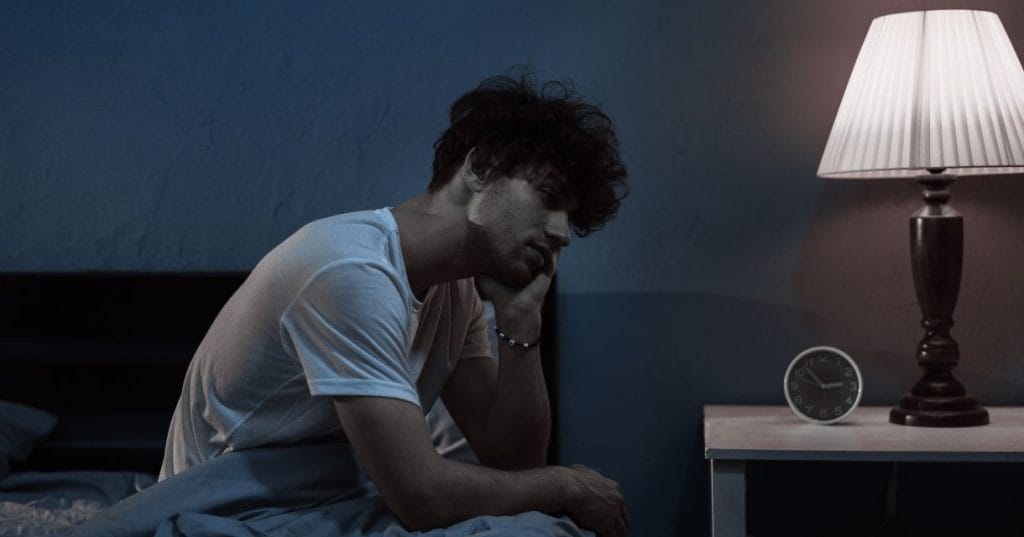
Disclaimer: This story is from a community member, edited for clarity. Since my depression diagnosis, I’ve come to terms with many things I hadn’t noticed before. It’s been a tough journey, but reflecting on these symptoms has really helped me understand what I was going through. One of the first things I noticed was how disconnected my mind and body felt. I’d find myself sleeping endlessly, like I was trying to escape from everything. Even though I spent hours in bed, I never seemed to feel fully rested or refreshed. Mornings were a real struggle, and it felt like I was constantly fighting the urge to stay in bed. At the same time, I couldn’t seem to relax. On some days, I felt so overwhelmed that lying in bed and watching Netflix was all I could manage. The thought of doing anything else felt impossible. Even simple tasks seemed too much to handle, and I just couldn’t find the motivation to get moving. Socially, things were equally confusing. I hated being around people, yet I also desperately wanted their company. I felt isolated but was too drained to reach out or enjoy time with friends and family. This contradiction made me feel even more alone and unsure of how to navigate my relationships. Figuring out these signs has been a big part of understanding my depression and finding the right support. If any of this feels familiar to you, just know you’re not alone. There’s no shame in talking about you are going through or asking for help. If you’re looking for professional support, you can find a therapist or counsellor near you through our search directory. Additionally, here are some helplines in South Africa that might be helpful: Suicide Crisis Helpline: 0800 20 50 26 South African Depression and Anxiety Group (SADAG): 0800 567 567 Lifeline South Africa: 0861 322 322 Mental Matters is a resource and information platform. We do not provide medical advice, diagnosis, or treatment. While the information on our website is for general awareness and support, it should not replace professional advice. For any mental health concerns, please consult a qualified healthcare or mental health professional. Nigel Saw Podiatrist Pod Fit Podiatry Findon Inner Reach Therapy and Counselling York You Are Not Alone Family Centre Tembisa You are not alone women and family centre Maokeng THRIVE Psychological Services Point Edward

The Signs of My Depression I Didn’t See Read More »

My Autism Diagnosis Saved My Life (Jani’s Story)

The following story has been contributed by a community member and may have been modified for clarity and privacy purposes. Jani always felt a little different. As a kid, her teachers called her “quirky,” and for a while, that felt like a compliment. But as she got older, the same quirks became targets. Making friends was hard, and when she did make connections, they never seemed to stick. It was like there was an invisible wall between her and everyone else, a divide she couldn’t figure out. School didn’t help. In primary school, other kids would gang up on her, leaving her feeling more alone than ever. Teachers looked right past it, and she felt stuck, out of place. High school offered some hope, but not for long. She moved from group to group, searching for her “people” but never quite finding them. Friendships would start off strong and then dissolve over misunderstandings or hurt feelings. Social media made things even worse. Seeing photos of friends hanging out without her was a constant reminder of her outsider status. Eventually, the rejections and misunderstandings built up, and Jani shut down. It wasn’t just one or two incidents; this felt like her whole life pattern—one letdown after another. Things got dark. Really dark. Jani experienced intense meltdowns, shutdowns, and even had thoughts of ending it all. She turned all the blame inward, thinking it was somehow her fault. Talking about her struggles felt impossible. She worried people would see her anxiety and depression as attention-seeking. Even after years of therapy, doctors still didn’t understand what was going on. They chalked her struggles up to anxiety and ADHD, which sort of fit but didn’t fully explain her sensitivities, like her intense reaction to loud noises or her inability to get restful sleep. Medication helped with focus, but it was only when she was finally diagnosed with autism at 17 that things started to make sense. The diagnosis was a shock, but it also felt like a weight lifting. For the first time, Jani understood why she had always felt different. She found a community online—people who understood her in ways no one else had. They didn’t see her as “quirky” or “too sensitive.” In this space, she felt seen, understood, and truly accepted. Jani doesn’t share her story for sympathy. She wants others to know they’re not alone, to avoid the isolation and delayed understanding she went through. Since her diagnosis, she’s stopped hiding parts of herself she used to be ashamed of. Self-awareness and acceptance have become her strengths. Her autism diagnosis didn’t box her in—it gave her a sense of belonging and helped her see her own worth in a new light. Get a better understanding of autism here. Mental Matters is a resource and information platform. We do not provide medical advice, diagnosis, or treatment. While the information on our website is for general awareness and support, it should not replace professional advice. For any mental health concerns, please consult a qualified healthcare or mental health professional. Dr Janus Beukes – Orthopaedic Surgeon – Erasmuskloof Dr Janus Beukes – Orthopedic Surgeon – Erasmuskloof Ext 3 Sally Dale Speech & Language Therapist Edinburgh Dr T Cheesman GP Leicester Dr. Louzeth Schutte Dentist Paarl

My Autism Diagnosis Saved My Life (Jani’s Story) Read More »

Scroll to Top