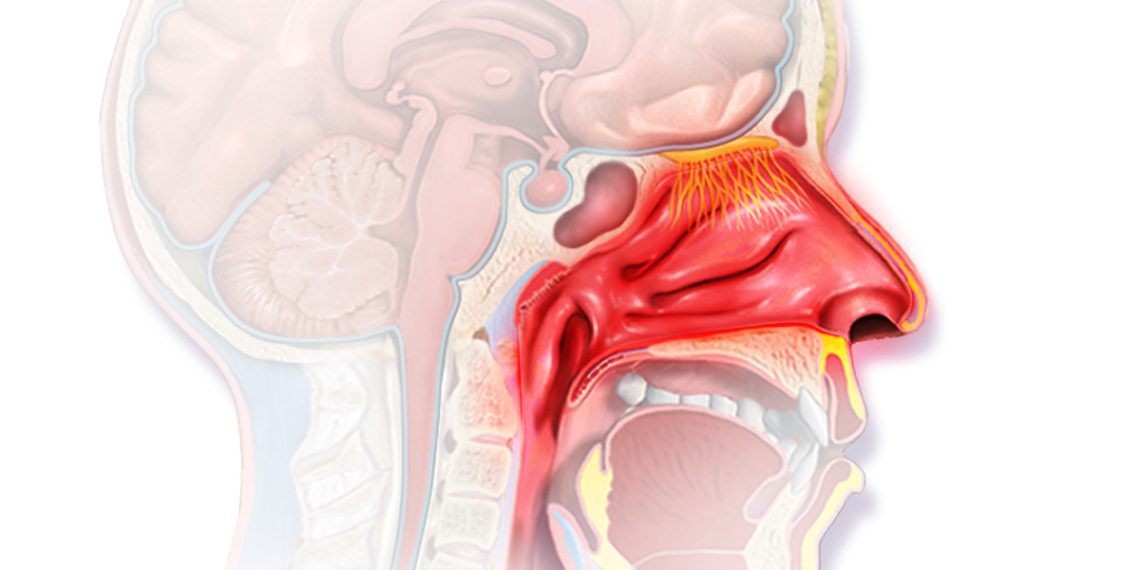
Diagnosis of Allergic Rhinitis
With the Diagnosis of Allergic Rhinitis, it is important to start with a detailed history and physical examination. Since many of its symptoms overlap with colds, sinus infections, or flu, identifying an allergic pattern is key.
Key Questions a Doctor May Ask:
- Do your symptoms occur during certain seasons?
- Are they worse indoors or outdoors?
- Do pets or dust make your symptoms flare up?
- Is there a family history of allergies or asthma?
Physical Signs
During an exam, your doctor may observe:
- Swollen nasal passages
- Clear nasal discharge
- Dark circles under the eyes (“allergic shiners”)
- Nasal crease from frequent rubbing
- Red or watery eyes
Allergy Testing
If symptoms are persistent or unclear, the following tests may be performed:
- Skin Prick Test
Small amounts of common allergens are introduced into the skin. If an allergy is present, a raised bump (wheal) appears. This is a quick and reliable test. - Blood Test (RAST or ImmunoCAP)
Measures the level of IgE antibodies in your blood for specific allergens. Useful when skin testing isn’t possible.
Both tests help identify the specific allergens triggering your symptoms, allowing for more targeted treatment or allergen avoidance.
In South Africa, allergy testing is available through private specialists and some public clinics, although access may vary by province.
Accurate diagnosis helps rule out other conditions like non-allergic rhinitis, chronic sinusitis, or nasal polyps. Once a diagnosis is confirmed, a personalised treatment plan can be developed.
👉 [Next: Treatment for Allergic Rhinitis]