Mental Matters

Author name: admin

Medical illustration showing gallbladder with cancer cells affecting the bile ducts

Causes of Gallbladder Cancer

Causes of Gallbladder Cancer The causes of gallbladder cancer are not fully understood, but several risk factors are associated with the development of this disease. Gallbladder cancer usually begins in the glandular cells that line the inside of the gallbladder, a type known as adenocarcinoma. Gallstones and Chronic Inflammation The most significant risk factor is the presence of gallstones, which cause long-term irritation and inflammation (chronic cholecystitis) This ongoing damage to the gallbladder lining may lead to cellular changes and, eventually, cancer However, while gallstones are common, only a small number of people with gallstones develop cancer Gallbladder Polyps Polyps are growths that protrude from the gallbladder wall Larger polyps (especially those over 1 cm) carry a higher risk of becoming cancerous Individuals with polyps and other risk factors may be advised to consider gallbladder removal Age and Gender Gallbladder cancer is more common in people over 65 Women are more frequently affected than men, possibly due to hormonal factors or higher gallstone incidence Ethnicity and Geography Higher rates of gallbladder cancer are seen in: Indigenous populations of the Americas Northern India and Pakistan Parts of Eastern Europe and East Asia These patterns may reflect genetic predisposition and dietary or environmental influences. Genetic and Medical Conditions Primary sclerosing cholangitis (PSC) – a liver disease linked to bile duct cancer and gallbladder cancer Porcelain gallbladder – calcification of the gallbladder wall, often due to long-standing inflammation Family history of gallbladder cancer also slightly increases risk Lifestyle and Environmental Factors Obesity, high-fat diets, and sedentary lifestyle are possible contributing factors Exposure to certain industrial chemicals may increase risk in rare occupational settings Causes of Gallbladder Cancer Understanding the causes of gallbladder cancer is essential in identifying at-risk individuals and making informed decisions about preventive care and early screening. [Next: Symptoms of Gallbladder Cancer →]

Causes of Gallbladder Cancer Read More »

Person clutching upper abdomen with liver and gallbladder area highlighted

Symptoms of Gallbladder Cancer

Symptoms of Gallbladder Cancer The symptoms of gallbladder cancer often develop late in the disease and may resemble other, more common gallbladder conditions. Gallbladder cancer in its early stages may produce no noticeable symptoms, making it difficult to detect before it spreads beyond the gallbladder. Early Symptoms Early signs are usually vague and can include: Persistent pain in the upper right abdomen, often under the ribs Nausea or vomiting Bloating or a feeling of fullness after eating small amounts Fever, sometimes mild or intermittent Fatigue and general discomfort These symptoms are easily mistaken for gallstones or digestive issues, leading to delays in diagnosis. Progressive Symptoms As the cancer grows or spreads: Jaundice – yellowing of the skin and eyes due to bile duct obstruction Dark urine and pale stools – signs of bile flow disruption Unexplained weight loss Lump or swelling in the abdomen Itching – often linked to bile build-up in the bloodstream When jaundice appears, it often indicates that the cancer has spread beyond the gallbladder to the bile ducts or liver. Signs of Advanced Disease If the cancer metastasises (spreads to other organs), additional symptoms may include: Severe abdominal pain Loss of appetite Ascites – fluid accumulation in the abdomen Bone pain or symptoms related to other affected organs These signs usually point to late-stage disease and may require palliative care. When to Seek Medical Advice See a doctor if you experience: Unexplained right-sided abdominal pain lasting more than a few days Signs of jaundice or digestive discomfort not linked to food intolerance A known history of gallstones with new or worsening symptoms Symptoms of Gallbladder Cancer Early identification of the symptoms of gallbladder cancer improves the chance of diagnosis before the disease becomes advanced, offering better options for treatment. [Next: Diagnosis of Gallbladder Cancer→]

Symptoms of Gallbladder Cancer Read More »

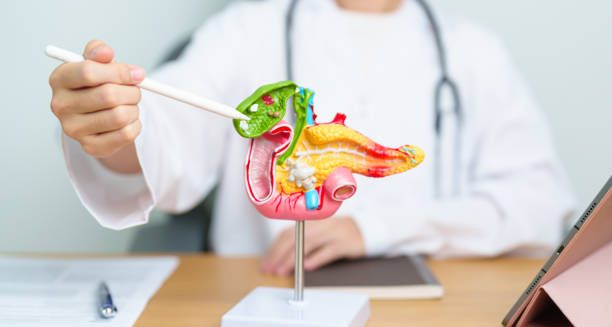
Doctor pointing at anatomical model showing gallbladder and pancreas

Diagnosis of Gallbladder Cancer

Diagnosis of Gallbladder Cancer The diagnosis of gallbladder cancer often occurs at a late stage because the disease usually causes no symptoms early on. Gallbladder cancer is often discovered incidentally during gallbladder removal surgery for gallstones or inflammation. Therefore, when symptoms are present, further tests are necessary to confirm the diagnosis and determine how far the cancer has spread. Initial Evaluation The diagnostic process begins with: A review of symptoms, medical history, and risk factors A physical examination, checking for abdominal tenderness, jaundice, or palpable masses Routine blood tests to assess liver function, which may reveal abnormalities suggestive of bile duct obstruction These early steps may raise suspicion, prompting further imaging. Imaging Studies To evaluate the gallbladder and surrounding organs, doctors may order: Ultrasound – often the first test, can detect gallstones, thickened gallbladder walls, and masses CT (Computed Tomography) scan – provides detailed images of the gallbladder, liver, and lymph nodes MRI and MRCP (Magnetic Resonance Cholangiopancreatography) – useful for visualising bile ducts and assessing tumour spread PET scan – Doctors sometimes use it in selected cases to detect cancer spread (metastasis) These scans help in both diagnosing and staging the cancer. Biopsy and Histological Confirmation A biopsy involves collecting tissue samples for examination under a microscope to confirm cancer: If a suspicious mass appears, a doctor may perform a fine-needle aspiration (FNA). Sometimes, cancer is only diagnosed after gallbladder removal surgery, when the tissue is sent to the lab The type and grade of cancer cells guide treatment planning. Staging Once gallbladder cancer is confirmed, it is staged from Stage I (localised) to Stage IV (advanced or metastatic) based on: Tumour size Involvement of lymph nodes Spread to nearby organs (liver, bile ducts, intestines) Accurate staging is crucial in determining treatment options and expected outcomes. Diagnosis of Gallbladder Cancer A timely and accurate diagnosis of gallbladder cancer offers the best chance for effective intervention. However, because early detection is rare, education and surveillance in at-risk groups are vital. [Next: Treatment of Gallbladder Cancer →]

Diagnosis of Gallbladder Cancer Read More »

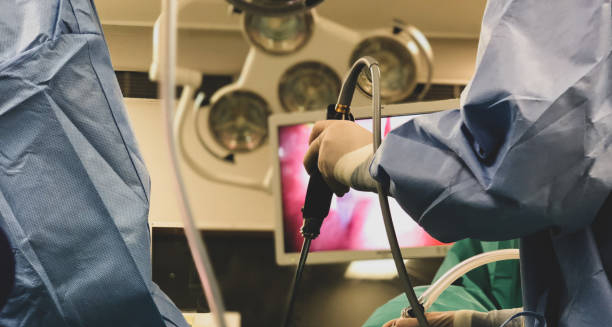
Surgeons performing minimally invasive procedure with endoscopic equipment

Treatment of Gallbladder Cancer

Treatment of Gallbladder Cancer The treatment of gallbladder cancer depends on the stage at diagnosis, overall health, and whether the cancer has spread. Gallbladder cancer is often challenging to treat due to late detection, but early-stage disease may be curable through surgery. In more advanced cases, treatment focuses on extending life and improving quality of life. Surgery Surgery is the primary treatment for early-stage gallbladder cancer: Cholecystectomy – removal of the gallbladder, often performed for gallstones; in some cases, this reveals early-stage cancer Radical cholecystectomy – removal of the gallbladder, surrounding liver tissue, and nearby lymph nodes if the tumour is more extensive If the cancer is confined to the gallbladder wall, surgery offers the best chance of cure. Chemotherapy For patients with inoperable or advanced disease: Chemotherapy may be used to slow progression, shrink tumours, or relieve symptoms Common drugs include gemcitabine and cisplatin, often used in combination Chemotherapy may also be given after surgery (adjuvant therapy) to reduce the risk of recurrence While it doesn’t cure late-stage gallbladder cancer, it may improve survival and comfort. Radiotherapy Radiation is not routinely used but may be considered in selected cases: As part of palliative treatment to reduce pain or tumour size Following surgery if cancer cells remain Delivered externally using high-energy beams targeted at the tumour site Targeted and Immunotherapy These therapies are still in the experimental or clinical trial phase for gallbladder cancer Some patients with specific genetic mutations may benefit from targeted drugs, though access varies by region Palliative Care When curative treatment is not possible: Focus shifts to pain relief, bile duct drainage, and maintaining nutrition Endoscopic stent placement can relieve bile duct blockages and reduce jaundice Emotional and psychological support is essential for both patients and families Treatment of Gallbladder Cancer The treatment of gallbladder cancer is most effective when diagnosed early. For later stages, the goal is to manage symptoms, preserve function, and support patients through comprehensive care. [Next: Complications of Gallbladder Cancer →]

Treatment of Gallbladder Cancer Read More »

Woman holding her side with ultrasound scan result in doctor’s hand

Complications of Gallbladder Cancer

Complications of Gallbladder Cancer The complications of gallbladder cancer depend on how advanced the disease is and whether it has spread to nearby organs. Gallbladder cancer can lead to serious medical problems, especially when not detected early. These complications may affect digestion, liver function, and overall wellbeing. Biliary Obstruction One of the most common complications: As the tumour grows, it may block the bile ducts, preventing bile from flowing into the intestine This leads to jaundice, dark urine, pale stools, and intense itching Bile build-up can result in infections such as cholangitis, which may become life-threatening Liver Invasion and Metastasis The gallbladder is located near the liver, so cancer often spreads there early Liver involvement can lead to: Abdominal pain Enlarged liver (hepatomegaly) Liver failure in late stages Spread to other areas like the lungs, lymph nodes, or peritoneum worsens the outlook and limits treatment options Digestive Problems Tumour pressure may block parts of the gastrointestinal tract, causing: Nausea, vomiting, or inability to digest food Malnutrition and weight loss Diarrhoea or fat malabsorption can also result from impaired bile flow Infections Blocked bile ducts or dead tissue increase the risk of infection Patients may develop: Cholangitis (bile duct infection) Sepsis, a potentially fatal systemic infection Prompt treatment of infections is critical to prevent rapid deterioration. Pain and Quality of Life Advanced gallbladder cancer can cause severe abdominal pain, especially in the upper right quadrant Discomfort may affect sleep, appetite, and emotional wellbeing Pain management with opioids and supportive care is often necessary Emotional and Psychological Impact A diagnosis of late-stage cancer can cause: Depression, anxiety, or withdrawal Emotional stress for carers and families Access to palliative care and counselling helps individuals cope with the psychological toll Complications of Gallbladder Cancer The complications of gallbladder cancer highlight the need for early diagnosis, effective symptom control, and compassionate support. Even when cure is not possible, comprehensive care can greatly improve comfort and dignity. [Next: Back to Overview →]

Complications of Gallbladder Cancer Read More »

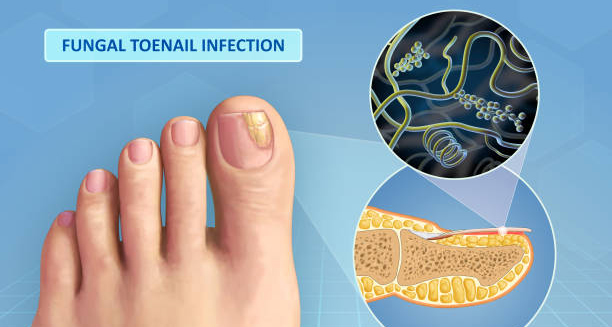
Illustration of fungal toenail infection with close-up view of fungus

Fungal Nail Infection

Fungal Nail Infection A fungal nail infection, also known as onychomycosis, occurs when fungi invade and grow in the nail, most often affecting the toenails. This nail infection can cause the nail to become thickened, discoloured, brittle, and sometimes painful. Though not usually serious, the condition is stubborn and may take months to treat effectively. These nail infections are common and affect people of all ages, but they are more frequent in older adults. Factors like warm, damp environments, wearing tight shoes, or walking barefoot in communal areas can increase risk. The infection often begins as a white or yellow spot under the nail and slowly spreads. Nail Infection While not life-threatening, these nail infections can be embarrassing, uncomfortable, and may lead to complications if left untreated—especially in individuals with diabetes or a weakened immune system. Early diagnosis and treatment improve outcomes and help restore healthy nails. Understanding the signs, causes, and treatment options for this nail infection is key to preventing long-term damage and recurrence. [Next: Causes of Fungal Nail Infection →]

Fungal Nail Infection Read More »

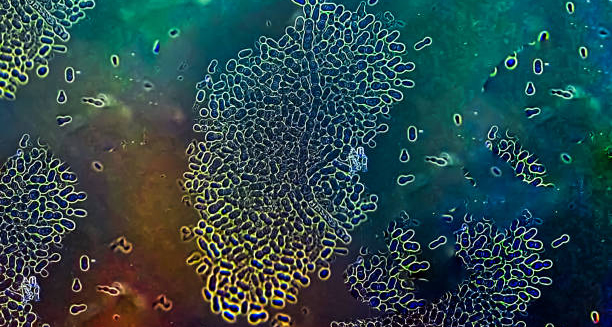
Microscopic view of fungal organisms causing nail infection

Causes of Fungal Nail Infection

Causes of Fungal Nail Infection The causes of fungal nail infection are rooted in the growth of fungi in or under the nail. Fungal nail infection is often triggered when microscopic fungi called dermatophytes, yeasts, or moulds invade the nail bed or nail plate and thrive in a warm, moist environment. Fungal Organisms Involved Dermatophytes – the most common cause; these fungi feed on keratin in the nails Yeasts – particularly Candida, more often affecting fingernails Non-dermatophyte moulds – less common but still capable of causing nail infection These fungi are found in the environment, including soil, showers, swimming pools, gyms, and even inside shoes. Risk Factors Certain conditions increase the risk of developing a fungal nail infection: Walking barefoot in communal areas – gyms, public pools, saunas Wearing tight or poorly ventilated shoes – promotes sweat and fungal growth Nail trauma – cracks or injuries to the nail create entry points for fungi Excessive sweating – especially on the feet Poor foot hygiene – including not drying feet properly or wearing the same socks/shoes repeatedly Medical Conditions That Contribute Diabetes – reduced blood flow and higher sugar levels can increase susceptibility Peripheral vascular disease – impairs circulation in the lower limbs Weakened immune system – due to illness or medication Psoriasis or other skin conditions – increase nail vulnerability Spread from Athlete’s Foot A common source of toenail infection is untreated athlete’s foot (tinea pedis), which often spreads from the skin between the toes into the nail bed. Addressing both conditions simultaneously is crucial to preventing recurrence. Age and Lifestyle Factors Incidence increases with age, particularly after 60 Nail infections are more likely in men than women People who frequently use communal showers or have occupations involving water are at higher risk Causes of Fungal Nail Infection Understanding the causes of fungal nail infection helps individuals take steps to avoid exposure and reduce their risk through good hygiene, protective footwear, and early treatment of related conditions. [Next: Symptoms of Fungal Nail Infection →]

Causes of Fungal Nail Infection Read More »

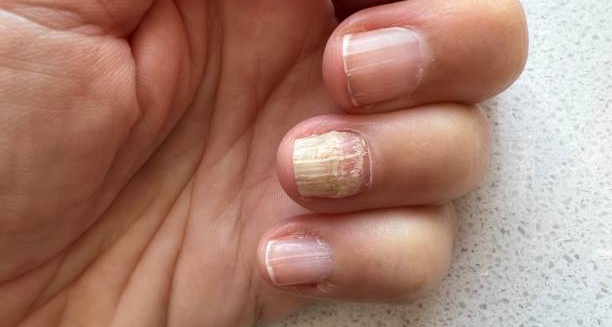
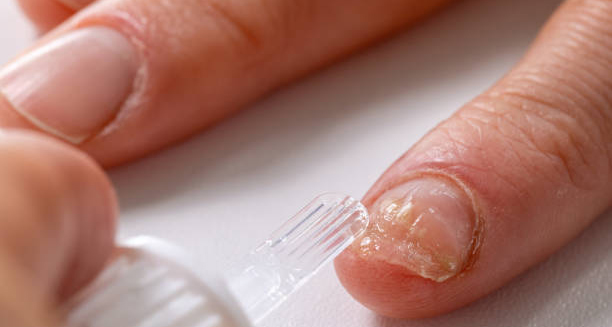
Close-up of a hand with a thickened, discoloured fingernail caused by fungal infection

Symptoms of Fungal Nail Infection

Symptoms of Fungal Nail Infection The symptoms of fungal nail infection vary depending on the type and severity of the infection. Fungal nail infection usually affects one or more toenails, though fingernails can also be involved. Early signs are often subtle, but the condition can worsen if left untreated. Common Symptoms Discolouration – yellow, white, brown, or greenish tinge, often starting at the tip of the nail Thickened nails – often the first noticeable change Brittle, crumbly, or ragged edges Distorted shape – nail may curve or lift from the nail bed (onycholysis) Loss of shine or natural nail transparency As the infection progresses, the nail may become darker, foul-smelling, and increasingly difficult to trim or clean. Mild vs Severe Infection Mild cases may only show discolouration or slight thickening Moderate to severe infections can involve pain, visible distortion, and partial or complete nail separation Severe infections often affect more than one nail and may interfere with walking or wearing shoes comfortably Fingernail vs Toenail Symptoms Fingernail infections are less common but more likely caused by Candida They may appear: Red and swollen at the base With separation from the nail bed Tender when pressure is applied Toenail infections progress slowly but are more likely to thicken, discolour, and break Associated Skin Conditions Itching, scaling, or cracking between the toes may indicate athlete’s foot, which often coexists with nail infections The skin surrounding the nail may become red, irritated, or inflamed When to Seek Medical Advice If the nail changes in colour, texture, or thickness When pain, odour, or swelling occurs If multiple nails are affected Symptoms of Fungal Nail Infection For individuals with diabetes or compromised circulation, any sign of foot or nail infection should be addressed immediately Recognising the symptoms of fungal nail infection early allows for prompt treatment and can prevent long-term nail damage and spread to others. [Next: Diagnosis of Fungal Nail Infection→]

Symptoms of Fungal Nail Infection Read More »

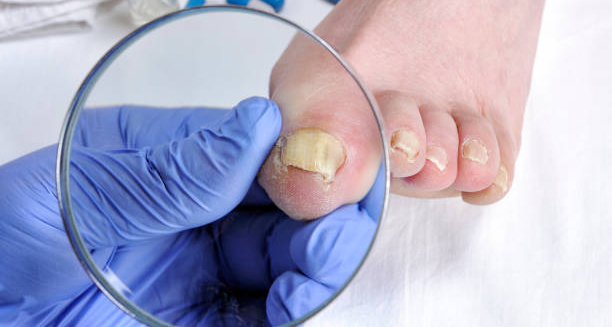
Doctor examining toenail with fungal infection using a magnifying glass

Diagnosis of Fungal Nail Infection

Diagnosis of Fungal Nail Infection The diagnosis of fungal nail infection is primarily clinical, based on how the nail looks and changes over time. However, because fungal nail infection can resemble other nail disorders, confirmation through testing is often recommended—especially before starting long-term antifungal treatment. Clinical Examination A healthcare provider will begin by: Examining the appearance and texture of the affected nail Asking about the duration and progression of symptoms Checking for signs of athlete’s foot or fungal skin infection elsewhere on the body Reviewing medical history, including any chronic conditions (like diabetes or vascular disease) The doctor may also examine other nails to check for early signs in unaffected areas. Laboratory Testing To confirm the diagnosis and identify the specific type of fungus, the following tests may be done: 1. Nail Clipping or Scraping A sample of the nail or debris underneath is collected Sent to a lab for microscopy and fungal culture This helps determine whether dermatophytes, yeasts, or moulds are involved 2. KOH Preparation A potassium hydroxide (KOH) test dissolves nail keratin and allows fungal elements to be seen under a microscope Results are quick, often available within 1–2 days 3. PCR Testing (if available) More advanced clinics may use polymerase chain reaction (PCR) to detect fungal DNA This method is faster and more accurate but not widely available Testing helps guide the choice of treatment and avoid unnecessary medication use, particularly in people with coexisting nail disorders like psoriasis. Differential Diagnosis Conditions that may resemble fungal nail infection include: Psoriasis – may cause pitting, discolouration, and thickened nails Trauma – can lead to bruising or detachment of the nail Eczema – may cause nail ridging or brittleness Bacterial infections – especially around the nail fold Diagnosis of Fungal Nail Infection Getting the right diagnosis of fungal nail infection ensures targeted treatment, avoids mismanagement, and improves long-term outcomes. [Next: Treatment of Fungal Nail Infection →]

Diagnosis of Fungal Nail Infection Read More »

Treatment of Fungal Nail Infection

Treatment of Fungal Nail Infection

Treatment of Fungal Nail Infection The treatment of fungal nail infection can be challenging, as the infection is often slow to respond and requires long-term care. Fungal nail infection may be treated using topical treatments, oral medication, or a combination of both. Doctors might consider laser therapy or nail removal in more stubborn cases. Topical Antifungal Treatments Apply topical treatments for mild to moderate infections, especially when one or two nails show symptoms: Amorolfine nail lacquer – applied once or twice a week Ciclopirox – applied daily and requires regular nail filing Use these treatments for several months, and keep nails trimmed and clean Topical antifungals are less effective for infections that affect the nail root or are very thick. Oral Antifungal Medications For more severe or widespread infections, doctors may prescribe oral antifungals: Terbinafine – taken daily for 6–12 weeks; works well against dermatophytes Itraconazole – taken in pulse doses for a similar duration Fluconazole – occasionally used, especially for yeast infections Oral treatments offer higher success rates but may cause side effects such as upset stomach or liver toxicity, so blood tests may be required during the course. Combination Therapy Using oral and topical antifungals together can improve results Patients are often advised to continue topical treatments for several months even after oral medication ends Nail Removal In very severe cases where the nail is deformed or causing pain, surgical or chemical removal may be considered This allows direct treatment of the nail bed and prevents further damage A new nail may grow, although this can take up to a year Laser Therapy and Photodynamic Treatment Some private clinics offer laser treatment, which targets fungal cells with light energy Results vary and may require multiple sessions Not yet considered a first-line treatment but may help in resistant cases Treatment of Fungal Nail Infection The treatment of fungal nail infection requires patience, consistency, and follow-up. Nails grow slowly, so visible improvement may take several months—even after successful treatment. [Next: Complications of Fungal Nail Infection →]

Treatment of Fungal Nail Infection Read More »

Scroll to Top