Mental Matters

Author name: admin

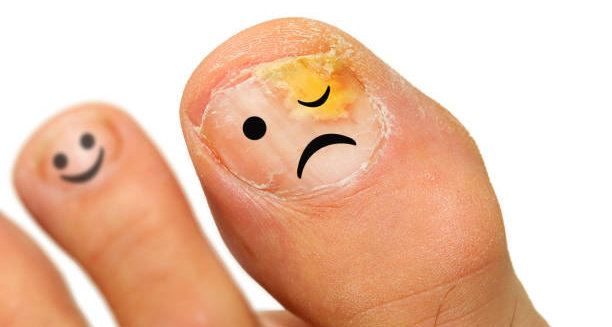
Toenail with fungal infection and cartoon sad face

Complications of Fungal Nail Infection

Complications of Fungal Nail Infection The complications of fungal nail infection can go beyond cosmetic concerns and lead to pain, secondary infections, or permanent nail damage. Fungal nail infection can also affect quality of life, especially when it becomes chronic or spreads to other nails or people. Nail Damage and Deformity Chronic infection can lead to thickened, discoloured, or crumbling nails In severe cases, the nail may become detached from the nail bed Irreversible damage to the nail matrix may occur, affecting future nail growth Nail shape may remain distorted even after the infection clears This can cause discomfort when wearing shoes or walking, particularly in toenail infections. Pain and Functional Problems The pressure from thickened nails may lead to pain while walking or standing The nail may grow into the surrounding skin, causing ingrown nails or inflammation People with diabetes are especially at risk for ulcers or foot complications if the infection is not treated promptly Secondary Infections The broken or lifted nail surface creates an entry point for bacteria This may result in paronychia (infection of the skin around the nail) or cellulitis In vulnerable individuals, especially the elderly or immunocompromised, this can become a serious issue Psychological and Social Impact Many people feel embarrassed by the appearance of their nails, especially when wearing sandals or going barefoot This can lead to reduced confidence or avoidance of activities such as swimming, yoga, or social gatherings Persistent nail issues may also contribute to low mood or anxiety Transmission to Others Fungal nail infections can spread to: Other nails Skin on the feet or body (e.g., athlete’s foot) Family members, especially when sharing towels or walking barefoot in shared areas Recurrence Even with treatment, fungal nail infections may recur, especially if risk factors (like athlete’s foot or sweaty feet) are not addressed Preventative steps include: Keeping feet clean and dry Wearing breathable shoes and clean socks Using antifungal sprays or powders if prone to sweating Complications of Fungal Nail Infection Understanding the complications of fungal nail infection highlights the importance of early treatment, ongoing hygiene, and regular monitoring to prevent persistent or recurring issues. [Next: Back to Overview →]
Complications of Fungal Nail Infection Read More »

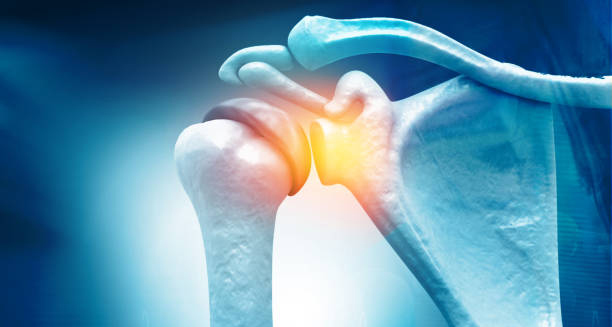
3D illustration of a frozen shoulder joint with inflammation

Frozen Shoulder

Frozen Shoulder Frozen shoulder, also known as adhesive capsulitis, is a painful condition that causes stiffness and limited movement in the joint. This condition develops gradually over time and can significantly affect daily tasks such as dressing, reaching overhead, or even sleeping comfortably. The condition typically progresses through three stages—freezing, frozen, and thawing—each with its own pattern of symptoms and duration. While this condition can improve on its own, recovery is often slow and may take months or even years. Some people require treatment to relieve pain and restore full function. Frozen Shoulder This condition occurs when the connective tissue surrounding the shoulder joint thickens and tightens, limiting movement. Doctors do not always identify the exact cause, but people aged 40 to 60 experience it more often. Particularly women and individuals with diabetes, thyroid disorders, or after shoulder immobilisation due to injury or surgery. Understanding this condition is the first step towards proper management, timely treatment, and preventing further complications. [Next: Causes of Frozen Shoulder →]

Frozen Shoulder Read More »

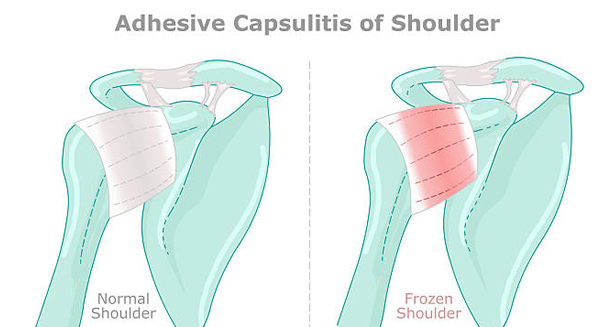
Medical diagram comparing a normal shoulder to a frozen shoulder showing adhesive capsulitis

Causes of Frozen Shoulder

Causes of Frozen Shoulder The causes of frozen shoulder involve inflammation and thickening of the shoulder joint capsule, which restricts movement. Frozen shoulder can develop without an obvious reason (primary) or as a result of injury or medical conditions (secondary). Primary Frozen Shoulder In many cases, frozen shoulder occurs without any clear cause. This is known as idiopathic or primary frozen shoulder. It’s believed that: Inflammation causes the joint capsule to thicken and contract Adhesions (bands of scar-like tissue) form inside the joint Synovial fluid (which lubricates the joint) may be reduced Why this happens in otherwise healthy people remains unclear, but certain risk factors increase susceptibility. Secondary Frozen Shoulder This type develops following another condition or event that affects the shoulder: Shoulder injury or surgery – dislocations, fractures, or operations can lead to immobilisation Rotator cuff problems – such as tears or tendonitis Stroke – paralysis or reduced use of the arm may trigger stiffness Heart surgery – some people develop frozen shoulder after open-heart procedures Any situation that limits arm movement for a prolonged period can increase the risk of adhesive capsulitis. Medical Risk Factors Certain health conditions are strongly linked to frozen shoulder: Diabetes – one of the most significant risk factors; affects 10–20% of diabetics Thyroid disorders – both overactive and underactive thyroid conditions Parkinson’s disease – due to muscle stiffness and reduced mobility Cardiovascular disease People with autoimmune disorders or metabolic syndrome may also have an increased risk. Age and Gender Most common between ages 40 and 60 Women are affected more than men The non-dominant shoulder is often involved, though either side can be affected Causes of Frozen Shoulder Understanding the causes of frozen shoulder is essential for prevention, especially in people with diabetes or those recovering from upper body injuries or surgery. [Next: Symptoms of Frozen Shoulder →]

Causes of Frozen Shoulder Read More »

Woman holding shoulder in pain indicating symptoms of frozen shoulder

Symptoms of Frozen Shoulder

Symptoms of Frozen Shoulder The symptoms of frozen shoulder develop gradually and typically follow a distinct pattern. Frozen shoulder is known for causing pain, stiffness, and restricted movement in the shoulder joint, often affecting daily activities and sleep quality. Three Stages of Frozen Shoulder 1. Freezing Stage (Painful Phase) Lasts 6 weeks to 9 months Persistent, aching pain, especially at night Increasing stiffness Difficulty reaching behind the back or overhead Range of motion starts to decline Pain often becomes worse before it gets better, and the shoulder may feel inflamed or tender to touch. 2. Frozen Stage (Stiff Phase) Lasts 4 to 12 months Pain begins to ease, especially at rest Stiffness remains, making movement extremely limited Difficulty performing routine tasks like dressing or reaching for a shelf Muscles may weaken due to disuse This phase is often the most frustrating because, although pain may subside, mobility is significantly reduced. 3. Thawing Stage (Recovery Phase) Lasts 6 months to 2 years Gradual improvement in shoulder mobility Pain continues to decrease Range of motion slowly returns, though full recovery varies Some people regain full function, while others may have mild residual stiffness. Pain Characteristics Often a dull, aching pain deep in the shoulder Can radiate down the upper arm Worse with movement or when lying on the affected side Night pain is common and may disturb sleep Functional Limitations Trouble reaching for items on high shelves Inability to fasten a bra, wash hair, or put on a jacket Reduced arm swing while walking One-armed tasks become difficult Symptoms of Frozen Shoulder The symptoms of frozen shoulder can significantly affect independence and quality of life. Early recognition and management can help reduce the duration and severity of the condition. [Next: Diagnosis of Frozen Shoulder→]

Symptoms of Frozen Shoulder Read More »

Doctor examining a patient's shoulder for signs of frozen shoulder

Diagnosis of Frozen Shoulder

Diagnosis of Frozen Shoulder The diagnosis of frozen shoulder is made primarily through a clinical assessment, based on symptoms and physical examination. Because frozen shoulder shares symptoms with other shoulder conditions, it’s important to rule out alternative causes such as rotator cuff injuries or arthritis. Clinical Evaluation A healthcare provider will begin by reviewing: History of symptoms, including when pain started and how movement has changed Whether the person has had recent injury, surgery, or illness that could have triggered stiffness Medical history, including diabetes, thyroid disorders, or neurological conditions Physical Examination During a physical exam, the doctor will assess: Range of motion – both active (what the person can do) and passive (what the doctor can move) Pain levels during movement, particularly overhead and rotational movements Specific tests to evaluate joint stiffness versus muscle weakness In frozen shoulder, both active and passive movement are equally restricted, which helps distinguish it from other shoulder problems. Imaging Tests Although frozen shoulder is mainly diagnosed clinically, imaging can help rule out other issues: X-rays – to exclude arthritis or bone abnormalities Ultrasound – to check for rotator cuff tears or tendon inflammation MRI – rarely needed but may be used if diagnosis is unclear or to look for alternative pathology These tests do not confirm frozen shoulder directly but support the diagnosis by excluding other possibilities. Differential Diagnosis Conditions with similar symptoms include: Rotator cuff tear or tendinitis Shoulder impingement syndrome Arthritis of the glenohumeral joint Bursitis Referred pain from the neck or chest (e.g., cervical radiculopathy or cardiac conditions) A careful evaluation helps avoid misdiagnosis and ensures the correct treatment plan. Diagnosis of Frozen Shoulder A confirmed diagnosis of frozen shoulder allows healthcare professionals to begin targeted treatment, which is essential for recovery and long-term shoulder function. [Next: Treatment of Frozen Shoulder →]

Diagnosis of Frozen Shoulder Read More »

Physiotherapist treating a patient's shoulder to relieve frozen shoulder

Treatment of Frozen Shoulder

Treatment of Frozen Shoulder The treatment of frozen shoulder aims to relieve pain, restore mobility, and speed up the recovery process. Frozen shoulder often improves on its own over time, but many people benefit from a structured treatment plan to manage symptoms and reduce functional limitations. Non-Surgical Treatments 1. Pain Relief Paracetamol or non-steroidal anti-inflammatory drugs (NSAIDs) such as ibuprofen can reduce pain and inflammation Doctors may prescribe short-term corticosteroids (oral or injected) for more severe pain Ice packs and heat therapy can also offer relief in different stages 2. Physiotherapy The cornerstone of treatment for frozen shoulder Focuses on gentle stretching and mobility exercises tailored to the stage of the condition Helps maintain range of motion, prevent muscle wasting, and gradually restore movement Home exercise programmes are essential for long-term recovery Injections Corticosteroid injections into the shoulder joint can reduce inflammation and provide temporary relief, especially in the freezing stage Hydrodilatation (joint distension) involves injecting sterile fluid to stretch the capsule and may help improve movement Manual Therapy Techniques like joint mobilisation or myofascial release may be used by trained physiotherapists Helps reduce stiffness and promote tissue healing Surgical Options (When Conservative Treatment Fails) Rarely, surgery becomes necessary but may be considered if: Symptoms persist beyond 12–18 months Severe stiffness continues despite physiotherapy Pain remains significant and disabling Procedures include: Manipulation under anaesthesia (MUA) involves gently moving the shoulder while the patient is sedated Arthroscopic capsular release – a minimally invasive procedure to cut tight areas of the capsule Follow these procedures with intensive physiotherapy for the best results. Lifestyle and Self-Management Keep the shoulder moving within tolerable limits Avoid complete immobilisation, as this can worsen stiffness Modify daily tasks to reduce strain (e.g., using front-fastening clothes, adjusting sleep position) Treatment of Frozen Shoulder The treatment of frozen shoulder often requires patience and consistency. With proper care, most people regain significant shoulder function over time. [Next: Complications of Frozen Shoulder →]

Treatment of Frozen Shoulder Read More »

Man clutching his shoulder due to ongoing shoulder pain and stiffness

Complications of Frozen Shoulder

Complications of Frozen Shoulder The complications of frozen shoulder are generally uncommon, especially when the condition is diagnosed and managed early. However, in some cases, frozen shoulder can lead to long-term mobility issues, chronic pain, or a slower-than-expected recovery. Prolonged Stiffness Some individuals continue to experience limited range of motion long after the thawing phase Stiffness may affect specific movements such as reaching overhead or rotating the arm These limitations can impact daily activities like grooming, dressing, and lifting objects With continued therapy, most people regain enough function to perform everyday tasks, even if full mobility doesn’t return. Persistent Pain Low-grade, nagging shoulder pain may persist, especially after physical exertion This can affect sleep, mood, and overall quality of life Long-term discomfort is more likely in individuals with diabetes or incomplete rehabilitation Pain management strategies—including medication, heat therapy, and guided exercises—can reduce lingering symptoms. Muscle Weakness Prolonged disuse may lead to muscle wasting (atrophy) in the affected arm and shoulder Weakness is often reversible with consistent physiotherapy and strength training Muscle imbalance or compensation by the opposite arm can also lead to posture issues or secondary discomfort. Delayed Recovery While most cases resolve within 12 to 36 months, recovery can be much slower in some individuals Risk factors for delayed recovery include: Inadequate physiotherapy Poor blood sugar control (in diabetics) Other coexisting shoulder conditions Surgical intervention is occasionally required to address prolonged or incomplete recovery. Recurrence or Opposite Shoulder Involvement Frozen shoulder rarely recurs in the same shoulder, but up to 20–30% of people may develop it in the opposite shoulder later on Early physiotherapy and awareness of symptoms can help manage future flare-ups Psychological Effects Living with chronic pain or disability may cause: Frustration or depression Reduced independence Sleep disturbances, particularly when lying on the affected side Support from physiotherapists, mental health professionals, or support groups can make a positive difference. Complications of Frozen Shoulder The complications of frozen shoulder are usually manageable with proper care, exercise, and medical support. Timely diagnosis and personalised treatment help prevent long-term disability and restore confidence in movement. [Next: Back to Overview →]

Complications of Frozen Shoulder Read More »

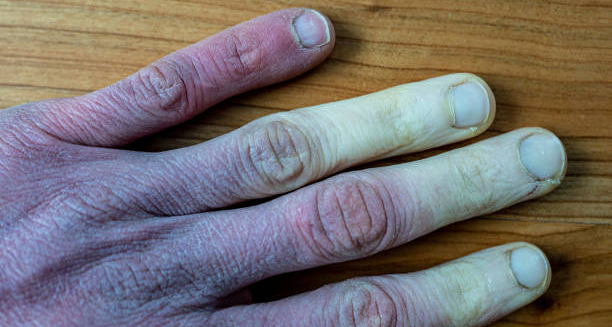
Hand with discoloured fingers showing signs of frostbite damage

Frostbite

Frostbite The condition Frostbite is a serious cold-related injury that occurs when skin and the underlying tissues freeze due to prolonged exposure to extremely low temperatures. This condition commonly affects body parts farthest from the heart, such as fingers, toes, ears, nose, and cheeks. If left untreated, it can lead to permanent tissue damage, infection, or even amputation. This condition typically develops in freezing weather, especially when wind chill is severe. It poses a significant risk to people working outdoors, mountaineers, military personnel, the homeless, and anyone caught unprepared in cold environments. Wet clothing, poor circulation, or inadequate clothing increases vulnerability. Frostbite This condition progresses in stages—from superficial symptoms like numbness and pale skin to deep tissue injury. Early recognition and prompt rewarming are critical in preventing permanent harm. Prevention remains the best defence, especially for people living in or travelling through cold climates. Understanding the signs, risks, and management of frostbite can help individuals take proactive measures and respond appropriately in emergencies. [Next: Causes of Frostbite →]

Frostbite Read More »

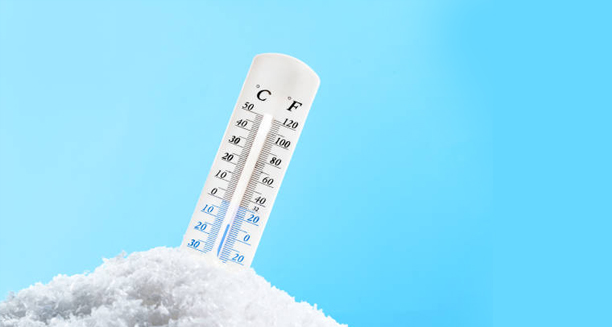
Thermometer stuck in snow showing sub-zero temperature readings

Causes of Frostbite

Causes of Frostbite The causes of frostbite involve the freezing of skin and deeper tissues due to exposure to very cold or windy conditions. Frostbite sets in when the body is unable to keep extremities warm, resulting in reduced blood flow and ice crystal formation within the cells, which leads to tissue damage. Cold Temperature Exposure Ambient temperatures below 0°C (32°F) can cause frostbite, particularly when combined with wind Wind chill accelerates heat loss from exposed skin, making it easier for frostbite to develop Even at temperatures just below freezing, prolonged exposure can cause frostbite, especially if skin is wet or uncovered High-Risk Environments Frostbite is more likely in: Mountainous areas with extreme cold and wind Open water conditions, such as sailing or ice fishing Arctic or Antarctic expeditions Conflict zones or refugee situations where people are exposed without proper shelter Wet Skin and Inadequate Clothing Wearing wet gloves or socks, or tight-fitting clothes that restrict circulation, increases frostbite risk Poorly insulated footwear or exposed skin in cold air can lead to rapid heat loss Sweat-soaked clothes in freezing temperatures can freeze and draw more heat away from the body Medical and Lifestyle Factors Certain conditions and behaviours increase susceptibility: Diabetes or circulatory problems Smoking, which constricts blood vessels Alcohol use, which impairs heat regulation and decision-making Exhaustion or dehydration, reducing the body’s ability to generate heat Prolonged Exposure Even in temperatures around -1 to -5°C, frostbite may occur after a few hours of exposure. In colder conditions, it can take only minutes for frostbite to begin, especially with high winds or if skin is wet. Situational Triggers Getting lost while hiking in winter Falling asleep outdoors while intoxicated Vehicle breakdowns in remote, snowy areas Accidents during winter sports without prompt rescue Causes of Frostbite Understanding the causes of frostbite helps people take preventive steps—such as layering clothing, staying dry, and limiting exposure to extreme cold. [Next: Symptoms of Frostbite →]

Causes of Frostbite Read More »

Symptoms of Frostbite

Symptoms of Frostbite

Symptoms of Frostbite The symptoms of frostbite develop in stages, beginning with cold, numb skin and progressing to deep tissue injury. Frostbite often affects fingers, toes, ears, cheeks, and the nose first. Recognising early symptoms is critical for reversing the damage before it becomes severe or permanent. Early Stage (Frostnip) Cold, tingling, or stinging sensation in the affected area Skin appears pale, white, or red, depending on the stage Numbness sets in, reducing awareness of further cold exposure Skin feels firm to the touch but remains soft underneath Frostnip does not cause permanent damage and can be reversed by gentle rewarming. Superficial Frostbite The skin becomes white, waxy, or greyish-yellow Affected area may remain numb or develop a burning or aching sensation Skin feels hard or frozen, but deeper tissues remain soft Blisters may form a few hours after rewarming Swelling and redness may occur as blood flow returns At this stage, prompt treatment can still prevent permanent tissue loss. Deep Frostbite Involves full-thickness skin and underlying tissues Skin turns blue, purple, or black, indicating tissue death Complete numbness – the person may not feel pain or pressure at all Joints and muscles may stop functioning properly Large blisters, blood-filled or clear, develop within 24–48 hours of thawing This level of frostbite requires urgent medical attention and may lead to permanent damage or amputation if not treated. After Rewarming Once the affected area is warmed: Throbbing, intense pain often returns as nerves reactivate Skin may peel, blister, or become discoloured Sensitivity to cold can persist long after healing Long-term effects may include nerve damage or chronic pain Warning Signs of Serious Frostbite Seek medical help if: Skin remains numb, hard, or pale after rewarming Blisters develop Pain is severe or worsening Black or purple patches appear, indicating possible tissue death Symptoms of Frostbite Recognising the symptoms of frostbite early gives the best chance for full recovery and prevents irreversible tissue injury. [Next: Diagnosis of Frostbite→]

Symptoms of Frostbite Read More »

Scroll to Top