Mental Matters

Author name: admin

Doctor examining a patient’s hand for signs of frostbite

Diagnosis of Frostbite

Diagnosis of Frostbite The diagnosis of frostbite is made based on physical examination. Examination of the history of cold exposure and the severity of tissue damage. Frostbite is usually diagnosed clinically, but in more advanced cases, imaging and other tests may be required to determine the depth of the injury and guide treatment. Clinical Evaluation A doctor will assess: Appearance of the affected area – skin colour, texture, swelling, and presence of blisters Sensation and movement – to check for numbness or nerve damage History of exposure – including temperature, wind chill, and duration of cold contact Symptoms after rewarming – such as pain, return of sensation, and skin changes Experts typically grade the severity of frostbite into four degrees: First-degree – superficial, with no blisters Second-degree – clear blisters and swelling Third-degree – blood-filled blisters and deeper tissue involvement Fourth-degree – full-thickness damage to muscle, tendons, or bone Imaging Tests In moderate to severe cases, doctors may request: Doppler ultrasound – to assess blood flow in the affected tissues Bone scans – to determine the extent of deeper tissue or bone involvement MRI or Technetium-99 scans – helpful in planning surgery or amputation when necessary Use these tools several days after rewarming to assess tissue viability. Laboratory Tests Perform blood tests to: Check for infection, especially if blisters have ruptured Monitor electrolyte levels and general health in severe or systemic frostbite Screen for rhabdomyolysis if muscle damage seems likely Distinguishing from Other Conditions In rare cases, frostbite may be mistaken for: Chilblains (pernio) – inflammatory lesions from non-freezing cold exposure Raynaud’s phenomenon – temporary narrowing of blood vessels causing colour change Trench foot – due to prolonged damp exposure, not freezing Diagnosis of Frostbite Accurate diagnosis of frostbite ensures appropriate treatment and helps predict recovery or risk of complications such as amputation or nerve damage. [Next: Treatment of Frostbite →]

Diagnosis of Frostbite Read More »

Hands being warmed near a radiator to treat frostbite

Treatment of Frostbite

Treatment of Frostbite The treatment of frostbite aims to rewarm the affected area, relieve pain, prevent infection, and preserve tissue. Frostbite treatment must begin as soon as possible, ideally under medical supervision. Delays can result in permanent tissue loss or severe complications. Emergency First Aid If frostbite is suspected: Move the person to a warm, sheltered environment Remove wet clothing and replace it with dry, insulated layers Avoid walking on frostbitten feet or toes, as this may worsen the injury Do not rub or massage the area, which can cause more damage Begin gentle rewarming using warm (not hot) water—between 37–39°C—for 15–30 minutes Avoid rewarming if there’s a risk of refreezing, as this can cause further injury. Pain Management and Wound Care Rewarming can be extremely painful—pain relief (e.g., ibuprofen or morphine) may be necessary Blisters should not be burst, as they protect underlying tissue Apply sterile, non-stick dressings, and keep affected areas elevated to reduce swelling Antibiotics may be prescribed if there is a risk of infection Medical and Surgical Interventions Severe cases may require hospitalisation for monitoring and intravenous fluids Surgeons often delay decisions for 1–3 weeks after injury to fully assess the extent of the damage Surgery may be necessary in advanced frostbite: Debridement to remove dead tissue Amputation in cases of irreversible tissue death Surgeons often delay decisions for 1–3 weeks after injury to fully assess the extent of the damage. Long-Term Management Physiotherapy to improve mobility and function Treatment for chronic pain, cold sensitivity, or nerve damage Psychological support, especially if frostbite leads to amputation or permanent disability Treatment of Frostbite The treatment of frostbite is most effective when started early. Fast intervention can save tissue and prevent lasting harm. [Next: Complications of Frostbite →]

Treatment of Frostbite Read More »

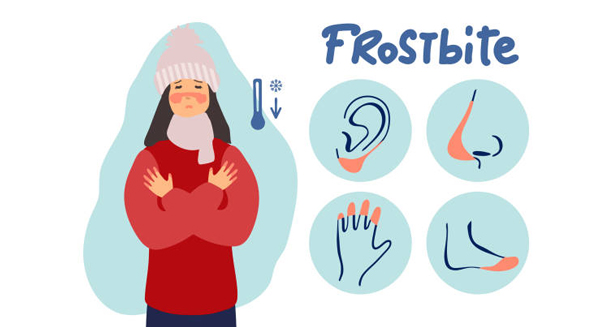
Frostbite complications infographic with affected body parts

Complications of Frostbite

Complications of Frostbite The complications of frostbite depend on how severe the tissue damage is and how quickly treatment was started. Frostbite can lead to long-term physical and emotional consequences, especially in cases of deep or repeated cold exposure. Tissue Death and Amputation Severe frostbite causes necrosis (tissue death), particularly in the fingers, toes, ears, and nose If tissue becomes gangrenous, surgical amputation may be necessary to prevent infection and sepsis In some cases, only part of a digit is removed, while others may require complete amputation This can have a major impact on physical function and emotional wellbeing. Infection Open blisters or dead skin can lead to bacterial infections If left untreated, these infections can spread and cause: Cellulitis Abscesses Sepsis – a life-threatening systemic infection Good wound care and hygiene are essential to prevent infection. Long-Term Sensory Issues Even after the skin heals, many people experience: Numbness or reduced sensation Tingling or burning pain (neuropathy) Heightened sensitivity to cold These symptoms may persist for months or years and can make cold environments difficult to tolerate. Joint and Bone Damage Severe frostbite can damage cartilage, tendons, and bones Joints may become stiff or permanently restricted in movement In children, frostbite may affect bone growth, leading to deformities Recovery may require physiotherapy and long-term orthopaedic care Emotional and Psychological Impact People who suffer significant frostbite may develop: Depression or anxiety Physiotherapy and long-term orthopaedic care may help support recovery and mobility Body image concerns following disfigurement Counselling and support groups are helpful in the recovery process. Risk of Recurrence Areas that have experienced frostbite once are more vulnerable to future cold injury Blood vessels in the damaged area may remain compromised Preventative measures are critical to avoid repeat episodes Complications of Frostbite Understanding the complications of frostbite reinforces the importance of early intervention, protective clothing, and proper post-recovery care. [Next: Back to Overview →]

Complications of Frostbite Read More »

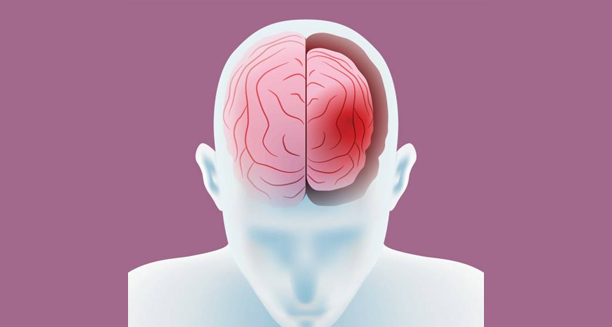
Medical illustration of frontotemporal dementia affecting the brain

Frontotemporal Dementia

Frontotemporal Dementia The condition, frontotemporal dementia (FTD) is a group of brain disorders that primarily affect the frontal and temporal lobes of the brain—regions responsible for personality, behaviour, and language. This form of dementia often causes progressive changes in behaviour and emotional control, making it distinct from other types of dementia, such as Alzheimer’s disease, which typically affects memory first. FTD is one of the most common forms of dementia in people under the age of 65, though it can also occur later in life. It tends to begin gradually and worsens over time. Depending on the specific type, symptoms may centre on behaviour, language ability, or motor function. Frontotemporal Dementia As the condition progresses, individuals may struggle with decision-making, social interaction, empathy, and language expression. This can be extremely challenging for families and caregivers, as the person affected may not be aware of the changes in their behaviour or abilities. Raising awareness of this form of dementia is essential to encourage early diagnosis, appropriate care, and support for those affected and their loved ones. [Next: Causes of Frontotemporal Dementia →]

Frontotemporal Dementia Read More »

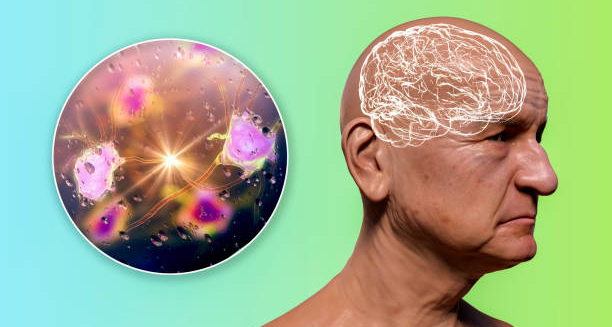
Illustration of an elderly man with neural activity and brain degeneration linked to frontotemporal dementia

Causes of Frontotemporal Dementia

Causes of Frontotemporal Dementia The causes of frontotemporal dementia are related to abnormal deposits of proteins in the brain that damage nerve cells and disrupt normal brain function. Frontotemporal dementia is believed to result from a combination of genetic, molecular, and environmental factors. Protein Buildup in the Brain In FTD, brain cells die because of the accumulation of harmful proteins, including: Tau proteins – linked to neurodegeneration and cell damage TDP-43 proteins – commonly found in both FTD and motor neurone disease (ALS) These proteins interfere with cell communication and lead to brain shrinkage, particularly in the frontal and temporal lobes As the cells in these areas die off, the brain loses its ability to regulate behaviour, language, and movement. Genetic Mutations Around one-third of FTD cases are inherited, meaning the condition runs in families. Mutations in the following genes are known to cause familial FTD: MAPT – affects tau protein production GRN – linked to abnormal progranulin levels C9orf72 – also associated with motor neurone disease If there is a family history of early-onset dementia or neurological decline, genetic testing and counselling may be offered. Sporadic Cases In most people with FTD, there is no known genetic cause. These are referred to as sporadic cases, and the exact triggers remain unclear. Researchers believe that lifestyle factors, inflammation, or cumulative damage may play a role. Risk Factors Age – FTD usually develops between 45 and 65 years Family history – particularly in cases with inherited gene mutations Previous head trauma – long-term effects of repeated injury may contribute Unlike Alzheimer’s disease, FTD is not linked to smoking, heart disease, or high blood pressure in the same way. However, overall brain health is still important in delaying onset and managing progression. Causes of Frontotemporal Dementia Understanding the causes of frontotemporal dementia helps inform care strategies, identify those at higher risk, and guide research into treatments and potential cures. [Next: Symptoms of Frontotemporal Dementia →]

Causes of Frontotemporal Dementia Read More »

Illustration of elderly person with confused expression and brain symbol showing damage

Symptoms of Frontotemporal Dementia

Symptoms of Frontotemporal Dementia The symptoms of frontotemporal dementia depend on which areas of the brain are most affected. Frontotemporal dementia usually causes noticeable changes in personality, behaviour, or language before memory problems appear. These symptoms can be distressing and confusing, both for the person with the condition and for those around them. Behavioural Variant FTD (bvFTD) This is the most common form of FTD. Symptoms include: Apathy or lack of motivation Socially inappropriate behaviour, such as rudeness or impulsiveness Loss of empathy or emotional warmth Compulsive or repetitive actions Poor judgement and risk-taking Changes in eating habits, such as overeating or craving sweet foods These symptoms may be mistaken for depression, bipolar disorder, or midlife crisis in the early stages. Language Variants (Primary Progressive Aphasia) There are two main types: Semantic variant – difficulty understanding words or recognising familiar people/objects Non-fluent variant – slow, effortful speech with poor grammar People with language-based FTD may struggle to: Name everyday objects Follow conversations Express themselves clearly Read or write fluently Despite language problems, memory and thinking skills may remain relatively intact in the early stages. Motor Symptoms Some types of FTD overlap with motor neurone disease (ALS) or conditions like progressive supranuclear palsy (PSP) and corticobasal degeneration (CBD). These can cause: Muscle weakness Difficulty swallowing or speaking Problems with balance or coordination Muscle stiffness or tremors Emotional and Social Changes Lack of emotional response to major events Flat facial expression or limited body language Difficulty recognising other people’s emotions (loss of emotional insight) Later Stages As the disease progresses, symptoms become more widespread and may include: Memory problems Incontinence Immobility Increased dependence on carers Symptoms of Frontotemporal Dementia Identifying the symptoms of frontotemporal dementia early allows families to plan for the future, access support, and explore treatment options that may help manage the condition. [Next: Diagnosis of Frontotemporal Dementia→]

Symptoms of Frontotemporal Dementia Read More »

Digital illustration of brain highlighting frontotemporal lobe damage

Diagnosis of Frontotemporal Dementia

Diagnosis of Frontotemporal Dementia The diagnosis of frontotemporal dementia can be challenging due to the wide variety of symptoms and the fact that frontotemporal dementia often mimics psychiatric disorders or other forms of dementia. Accurate and early diagnosis is essential to ensure appropriate treatment, planning, and support for the individual and their family. Clinical Evaluation The diagnostic process begins with: A detailed history of symptoms, including changes in behaviour, language, or movement Information from close family members or caregivers, who may notice changes the individual doesn’t Neurological and cognitive tests, to assess memory, reasoning, speech, and behaviour patterns Because early-stage FTD doesn’t usually affect short-term memory, standard dementia screening tools may not always detect it. Brain Imaging To confirm the diagnosis and rule out other causes, doctors may order imaging tests such as: MRI (Magnetic Resonance Imaging) – can reveal shrinkage in the frontal and temporal lobes CT scan – may show structural changes in the brain PET or SPECT scans – show how the brain is functioning and highlight areas of reduced activity, even before major shrinkage is visible These scans help differentiate FTD from other conditions like Alzheimer’s disease or vascular dementia. Neuropsychological Testing A neuropsychologist may carry out: Detailed assessments of speech, language, and executive function Tests to evaluate the ability to plan, organise, or interpret social cues Emotional recognition tests, particularly for individuals with behavioural symptoms These tools help identify specific deficits that align with different subtypes of FTD. Blood Tests and Genetic Screening While there is no blood test that confirms FTD, doctors may use blood tests to: Rule out other medical conditions, such as thyroid problems, infections, or vitamin deficiencies In inherited cases, genetic testing may be offered to identify mutations in genes like MAPT, GRN, or C9orf72 Genetic counselling is strongly recommended before and after testing. Differential Diagnosis FTD is often misdiagnosed as: Depression or bipolar disorder Alzheimer’s disease Autism spectrum disorders, particularly in younger adults A team approach involving neurologists, psychiatrists, and speech therapists often leads to more accurate results. Diagnosis of Frontotemporal Dementia A confirmed diagnosis of frontotemporal dementia allows families to access care resources early, plan for the future, and participate in research or clinical trials if appropriate. [Next: Treatment of Frontotemporal Dementia →]

Diagnosis of Frontotemporal Dementia Read More »

Digital illustration of brain highlighting frontotemporal lobe damage

Treatment of Frontotemporal Dementia

Treatment of Frontotemporal Dementia The treatment of frontotemporal dementia focuses on managing symptoms, maintaining quality of life, and supporting the individual and their caregivers. Although there is currently no cure for frontotemporal dementia, a combination of medications, therapies, and supportive strategies can help people live more comfortably and safely. Medications There are no drugs that can stop or reverse the progression of FTD. However, certain medications can ease behavioural and psychological symptoms: Antidepressants such as SSRIs (e.g., sertraline) may reduce compulsive behaviours, anxiety, or irritability Antipsychotic medications may be used cautiously in cases of severe agitation or aggression—but these are prescribed only when absolutely necessary due to risks of side effects Stimulants or mood stabilisers are sometimes trialled for individuals with apathy or disinhibition Unlike Alzheimer’s disease, cholinesterase inhibitors (e.g., donepezil) are not generally effective in FTD and may worsen symptoms in some cases. Speech and Language Therapy For people with primary progressive aphasia (language-based FTD), speech therapy can help maintain communication for as long as possible Strategies may include: Picture boards or writing tools Communication apps Alternative ways to express needs and feelings Regular therapy sessions can slow the loss of verbal skills and support the person’s dignity and independence. Occupational and Physiotherapy Occupational therapists help adapt the home for safety and independence Physiotherapists may be involved in cases with movement disorders, such as those resembling Parkinson’s disease or motor neurone disease These therapies help reduce the risk of falls, maintain mobility, and support daily functioning Lifestyle and Environmental Support Establishing routines can reduce confusion and anxiety Limit environmental stimulation if the person becomes easily overwhelmed Use structured schedules, clear signage, and simplified choices to support independence Carers may need training to understand and respond to challenging behaviours without confrontation or distress. Support for Families Counselling and support groups for carers and family members can reduce emotional strain Respite care, day centres, and in-home assistance may be required as the condition progresses Legal planning, including power of attorney and advance directives, should be addressed early Treatment of Frontotemporal Dementia The treatment of frontotemporal dementia requires a person-centred approach tailored to the subtype and symptoms. With the right support, many people with FTD can continue to live meaningfully and safely for several years after diagnosis. [Next: Complications of Frontotemporal Dementia →]

Treatment of Frontotemporal Dementia Read More »

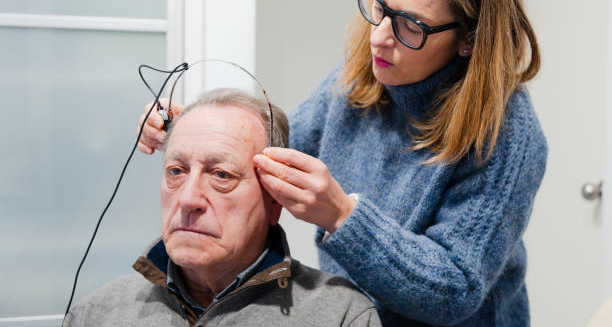
Elderly man receiving neurological assessment for dementia

Complications of Frontotemporal Dementia

Complications of Frontotemporal Dementia The complications of frontotemporal dementia arise as the condition progresses and increasingly affects the person’s ability to function independently. Frontotemporal dementia can lead to physical, emotional, and social challenges that place strain not only on the individual but also on caregivers and loved ones. Loss of Independence As cognitive and behavioural symptoms worsen: The person may lose the ability to manage daily tasks, such as dressing, cooking, or handling finances They may forget appointments, neglect hygiene, or become unable to use language to express needs 24-hour care may become necessary in the later stages Maintaining dignity and respecting the individual’s autonomy for as long as possible is essential. Behavioural Risks Socially inappropriate actions or poor judgement may lead to embarrassment, legal issues, or strained relationships Some people may develop compulsive eating, putting them at risk of choking or weight gain Wandering, aggression, or disinhibition may require supervision or specialised care environments These behaviours are often misunderstood and can be distressing for families and caregivers. Communication Breakdown Progressive language loss can lead to frustration, isolation, and depression The inability to understand or express thoughts clearly affects relationships and can result in social withdrawal Communication aids and caregiver patience play an important role in preserving connection Physical Decline In certain types of FTD with motor involvement: Muscle stiffness, tremors, or weakness may develop Swallowing difficulties (dysphagia) increase the risk of aspiration pneumonia Individuals may become bed-bound, increasing the risk of pressure sores and infections Nutrition and physiotherapy become more important as physical function declines. Emotional and Mental Health Complications Many individuals experience apathy, depression, or emotional blunting They may appear indifferent to once-important relationships or personal milestones Families may struggle to cope with the emotional loss of the person’s personality before physical decline occurs Support for mental wellbeing is just as important as physical care. Impact on Carers Carers often face emotional exhaustion, isolation, and burnout Financial strain may arise from time off work or costs of private care Access to community resources, support groups, and professional respite is vital Complications of Frontotemporal Dementia The complications of frontotemporal dementia can be managed with early planning, multidisciplinary care, and a strong support system. With the right interventions, the journey can be made more manageable for both the person living with FTD and those who care for them. [Next: Back to Overview →]

Complications of Frontotemporal Dementia Read More »

Elderly person with foot drop using a walker beside a puddle on the floor

Foot Drop

Foot Drop The foot drop condition is a condition in which a person has difficulty lifting the front part of thefoot, causing it to drag or slap against the ground while walking. This condition is not a disease in itself, but rather a symptom of an underlying neurological, muscular, or anatomical problem. It results from weakness or paralysis of the muscles that lift the foot, most often due to nerve injury. People with this condition often adapt by lifting their knees higher than usual while walking, producing a distinctive “steppage gait.” In some cases, the condition is temporary and improves with treatment, while in others, it may be permanent or require long-term support through braces, physical therapy, or surgery. Foot Drop This condition can significantly affect mobility, balance, and confidence. It may lead to tripping or falling, particularly on uneven surfaces or stairs. Early diagnosis and intervention improve outcomes and help patients maintain independence and quality of life. Raising awareness of this condition can help people recognise symptoms early and seek appropriate medical attention to prevent further complications. [Next: Causes of Foot Drop →]

Foot Drop Read More »

Scroll to Top