
Mental Matters

Author name: admin

Doctor analysing digital brain scans for epilepsy diagnosis

Diagnosis of Epilepsy

Diagnosis of Epilepsy The diagnosis of epilepsy involves identifying the cause and type of seizures a person is experiencing. Since epilepsy is not a single condition but a group of disorders, diagnosis requires a detailed medical evaluation and often several tests. An accurate diagnosis is essential to determine the best treatment plan and rule out other conditions. Medical History and Symptom Review The first step in diagnosis includes: A detailed description of the seizure episodes What happened before, during, and after the seizure Family history of epilepsy or other neurological conditions Known head injuries, infections, or developmental delays Witness accounts can be very helpful, especially if the person having seizures is unable to recall the event clearly. Physical and Neurological Examination Doctors perform a full examination to assess brain and nervous system function. This includes checking: Reflexes Muscle tone Balance and coordination Speech and memory While the exam might be normal between seizures, it helps rule out other conditions. Electroencephalogram (EEG) The EEG is one of the most important tools in diagnosing epilepsy. It measures electrical activity in the brain using small sensors attached to the scalp. Doctors look for unusual patterns that may suggest epilepsy, even if the person is not actively having a seizure during the test. Sometimes, a sleep-deprived EEG or video EEG monitoring is needed to capture abnormal activity more clearly. Brain Imaging MRI scans help detect structural changes in the brain, such as tumours, scarring, or malformations. CT scans may be used when MRI is not available, although they are less detailed. Advanced centres may use PET or SPECT scans in complex cases. Blood Tests These are used to check for: Infections or inflammation Metabolic or genetic disorders Medication levels (if already on treatment) Diagnosis of Epilepsy In South Africa In South Africa, access to EEG and MRI scans may be limited in rural or underfunded areas. As a result, epilepsy is often diagnosed based on symptoms and history alone. Where available, mobile health units and referral systems help connect patients to urban centres with diagnostic equipment. The diagnosis of epilepsy must be thorough and timely. A clear diagnosis opens the door to proper treatment and long-term management. [Next: Treatment of Epilepsy →]

Diagnosis of Epilepsy Read More »

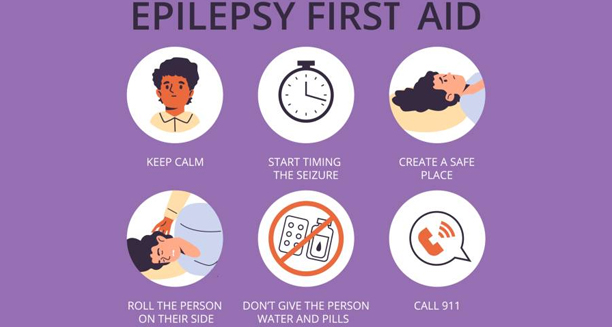
Infographic showing epilepsy first aid steps including seizure management

Treatment of Epilepsy

Treatment of Epilepsy The treatment of epilepsy focuses on controlling seizures, improving quality of life, and preventing complications. While epilepsy is a chronic condition, many people become seizure-free with the right medication and support. Others may need ongoing care and adjustments to their treatment plan. Anti-Seizure Medications Also called antiepileptic drugs (AEDs), these are the first line of treatment. Common medications include: Sodium valproate Lamotrigine Carbamazepine Levetiracetam Topiramate The choice of medication depends on the type of seizures, age, sex, side effects, and whether the person is pregnant or planning to become pregnant. Doctors usually start with a low dose and adjust slowly. Many people respond well to just one medication. If not, a combination may be needed. Side effects vary but may include fatigue, dizziness, weight gain or loss, mood changes, or blurred vision. Regular follow-ups are essential to monitor for side effects and adjust treatment as needed. Lifestyle Management Regular sleep, stress management, and avoiding seizure triggers help reduce episodes Healthy diet and hydration are important Alcohol and recreational drugs should be avoided, as they can interfere with medications or trigger seizures Driving restrictions may apply until seizures are controlled Ketogenic Diet This high-fat, low-carb diet may help some people with drug-resistant epilepsy—especially children. It should be followed under the guidance of a dietitian and medical team. Surgery For some people whose seizures originate from a specific area of the brain and don’t respond to medication. Brain surgery may be considered. This is only done after extensive testing, including video EEG and imaging. Vagus Nerve Stimulation (VNS) A device implanted under the skin sends electrical signals to the brain via the vagus nerve. It can help reduce seizure frequency in some patients. Treatment of Epilepsy In South Africa In South Africa, rural clinics may have limited access to medication, and public hospitals often lack expensive drugs. Non-compliance due to cost or misunderstanding is a major challenge. Public health efforts focus on education, treatment access, and destigmatisation. The treatment of epilepsy requires a long-term, individualised approach. With the right care, many people live full, independent lives. [Next: Complications of Epilepsy →]

Treatment of Epilepsy Read More »

Blurred image of person lying unconscious after a seizure, illustrating epilepsy complications

Complications of Epilepsy

Complications of Epilepsy The complications of epilepsy range from physical injuries to emotional and social challenges. While epilepsy itself is not always dangerous, uncontrolled seizures can have serious consequences. Early treatment and consistent follow-up help reduce risks significantly. Physical Injuries Seizures can occur without warning, increasing the risk of: Falls or head injuries Burns (if near a stove or fire) Drowning (during unsupervised swimming or bathing) Road accidents (if seizures occur while driving) Safety modifications at home and education for caregivers can reduce the likelihood of injuries. Status Epilepticus This is a medical emergency where a seizure lasts more than five minutes or multiple seizures occur without recovery in between. It requires immediate treatment to prevent brain damage or death. Emergency care with oxygen, IV medication, and sometimes intubation is needed. Sudden Unexpected Death in Epilepsy (SUDEP) SUDEP is rare but tragic. It usually happens during sleep and involves breathing or heart rhythm changes. The risk is higher in people with frequent, uncontrolled generalised seizures. Good seizure control is the best way to lower the risk. Cognitive and Emotional Effects Some people with epilepsy experience: Memory problems Learning difficulties Attention issues Depression or anxiety Children may struggle at school due to missed days, stigma, or side effects from medication. Social and Occupational Challenges Living with epilepsy can affect: Education and employment Driving eligibility Personal relationships Self-esteem and independence Stigma remains a major barrier, particularly in South Africa, where epilepsy is often misunderstood or feared. Some people face rejection, isolation, or discrimination due to myths and misinformation. Complications of Epilepsy In South Africa Limited public education and poor access to specialists worsen these complications. Many people delay treatment or stop taking medication due to cost, belief in traditional cures, or social pressure. NGOs and epilepsy support groups are working to improve care, provide information, and protect patient rights. The complications of epilepsy are not inevitable. With the right medication, lifestyle support, and education, people with epilepsy can manage their condition safely and confidently. [Next: Back to Overview →]

Complications of Epilepsy Read More »

Medical diagram comparing normal swallowing and dysphagia related to epiglottitis

Epiglottitis

Epiglottitis Epiglottitis is a rare but life-threatening condition in which the epiglottis—the flap of tissue that covers the windpipe during swallowing—becomes inflamed and swollen. This condition can block airflow to the lungs, making it a medical emergency that requires immediate attention. It can affect both children and adults, although it is more commonly seen in children under five. The epiglottis normally acts as a protective lid, preventing food and liquid from entering the windpipe. When inflamed, this flap can swell so severely that it restricts or completely blocks breathing. Without urgent treatment, suffocation can occur within hours of symptom onset. In children, the condition typically progresses very quickly. Adults may experience a slower onset of symptoms, but still require prompt medical care. Since the introduction of the Hib (Haemophilus influenzae type b) vaccine, cases of childhood epiglottitis have dropped significantly in countries with high immunisation rates. However, this still occurs, particularly in adults and in regions with low vaccine coverage. Epiglottitis In South Africa, disparities in healthcare access and incomplete vaccination schedules may increase the risk of epiglottitis in vulnerable communities. Raising awareness and ensuring up-to-date immunisations remain vital. Understanding epiglottitis is essential for rapid recognition and immediate treatment, which can save lives. [Next: Causes of Epiglottitis →]

Epiglottitis Read More »

3D illustration of Haemophilus influenzae bacteria, a common cause of epiglottitis

Causes of Epiglottitis

Causes of Epiglottitis The causes of epiglottitis are most often infections, particularly bacterial, but other irritants or injuries can also play a role. Epiglottitis leads to rapid inflammation and swelling of the epiglottis, which can block the upper airway and cause breathing difficulty. Infectious Causes The most common cause is Haemophilus influenzae type b (Hib), especially in children who haven’t been vaccinated. Other bacteria that may cause epiglottitis include: Streptococcus pneumoniae Streptococcus pyogenes (group A strep) Staphylococcus aureus, including MRSA strains In adults, mixed bacterial infections are more frequently observed. Viral infections, such as varicella-zoster or herpes simplex virus, can also trigger inflammation of the epiglottis, though these are less common. Non-Infectious Causes Thermal injury from swallowing very hot food or liquids Chemical burns, often from caustic substances Trauma, such as injury from a foreign object or intubation Allergic reactions, leading to sudden epiglottis swelling, similar to anaphylaxis Risk Factors Incomplete vaccination, especially missing the Hib vaccine Weakened immune system, such as from HIV, cancer, or steroid use Young children, particularly under five years old Older adults, especially those with existing throat or respiratory issues Smoking or alcohol abuse, which may weaken local immune defences Causes of Epiglottitis In South Africa In South Africa, limited access to vaccinations in rural or underserved areas may leave children at higher risk of Hib infection. Additionally, HIV-positive individuals—especially those not on antiretroviral therapy—may be more susceptible to severe bacterial infections like epiglottitis. Improved vaccine coverage, public education, and early medical intervention are key to reducing incidence. Understanding the causes of epiglottitis allows for prevention, rapid diagnosis, and better treatment outcomes—especially when the condition strikes unexpectedly. [Next: Symptoms of Epiglottitis →]

Causes of Epiglottitis Read More »

Woman touching sore throat with red inflammation, showing symptoms of epiglottitis

Symptoms of Epiglottitis

Symptoms of Epiglottitis The symptoms of epiglottitis often come on suddenly and worsen quickly. Since epiglottitis can lead to complete airway blockage, recognising the signs early is essential. In many cases, symptoms may seem like a sore throat or flu at first, but they escalate into a medical emergency within hours. In Children Children typically present with: High fever, often above 38.5°C Severe sore throat, with difficulty swallowing Drooling, as it becomes painful or impossible to swallow saliva Muffled or hoarse voice Stridor, a high-pitched wheezing sound when breathing in Rapid, shallow breathing Tripod position, where the child leans forward with mouth open, chin up, and hands on knees—this helps keep the airway open Anxiety or distress, as the child becomes aware of breathing difficulties Coughing is often minimal or absent, which helps distinguish epiglottitis from croup or other respiratory infections. In Adults Adults may experience: Severe sore throat and neck pain Painful swallowing (odynophagia) Fever and chills Voice changes, including hoarseness or muffling Shortness of breath Difficulty speaking Drooling, especially in severe cases Swollen neck or tenderness in the throat area While adult cases may progress more slowly than in children, airway obstruction is still a real risk and must be treated urgently. Warning Signs of Airway Blockage Seek emergency care immediately if any of the following are present: Gasping or noisy breathing Bluish lips or fingertips (cyanosis) Inability to lie flat Severe restlessness or confusion Fainting or loss of consciousness Symptoms of Epiglottitis In South Africa In South Africa, delayed access to emergency care—especially in rural clinics—can be dangerous for patients with epiglottitis. Prompt referral and emergency transport are essential. Parents and caregivers must be taught to identify symptoms quickly and never delay seeking help for a child with breathing difficulties. Recognising the symptoms of epiglottitis early and acting fast can prevent a fatal airway emergency. Immediate hospital treatment is always required. [Next: Diagnosis of Epiglottitis→]

Symptoms of Epiglottitis Read More »

Doctor examining throat X-ray of a woman with epiglottitis symptoms

Diagnosis of Epiglottitis

Diagnosis of Epiglottitis The diagnosis of epiglottitis must be handled carefully, as any interference with the throat can cause the airway to close completely. Because epiglottitis is a medical emergency, doctors act quickly to confirm the diagnosis while ensuring the airway remains open. In most cases, a clinical diagnosis is made based on symptoms alone. Clinical Evaluation Doctors begin by assessing: Breathing difficulty Stridor (noisy breathing) Drooling Difficulty speaking or swallowing General signs of distress or anxiety In children, the classic “tripod” posture—leaning forward, mouth open, and chin up—is a strong diagnostic clue. The child may also avoid speaking or crying, as both can worsen the airway obstruction. Visual Inspection Direct visual examination of the throat is not recommended in a distressed child, as it could trigger full airway blockage. In a controlled hospital setting, trained specialists may gently examine the throat using a flexible laryngoscope to view the epiglottis. In epiglottitis, the epiglottis appears swollen, red, and “cherry-like.” Imaging If the airway is stable, doctors may use a neck X-ray to look for the “thumb sign,” which indicates swelling of the epiglottis. However, imaging is not always necessary and should never delay treatment. Blood and Swab Tests | Diagnosis of Epiglottitis Once they secure the airway, doctors may take: Blood cultures, to identify the bacteria causing the infection Throat swabs, if safe, to test for bacterial or viral infections Full blood count, to check for raised white blood cells indicating infection In South Africa, rural hospitals may have limited access to ENT specialists. However, trained emergency staff can often recognise the condition and begin life-saving treatment even without advanced testing. The diagnosis of epiglottitis relies on recognising the warning signs and acting fast. A delay in diagnosis can lead to complete airway closure and death. [Next: Treatment of Epiglottitis →]

Diagnosis of Epiglottitis Read More »

Hospitalised patient receiving care for epiglottitis from medical staff

Treatment of Epiglottitis

Treatment of Epiglottitis The treatment of epiglottitis is a medical emergency that focuses on securing the airway, fighting infection, and reducing inflammation. Because epiglottitis can cause sudden and complete airway blockage, treatment must begin as soon as the condition is suspected—often before confirmation. Airway Management The first and most urgent priority is to ensure the patient can breathe. In most cases: The patient is taken to an operating theatre or intensive care unit An anaesthetist or ENT specialist carefully performs intubation, placing a breathing tube through the mouth into the windpipe In extreme cases where intubation isn’t possible, a tracheostomy (a surgical opening in the neck) is performed to bypass the swollen epiglottis Doctors perform this step under controlled conditions to prevent airway collapse. Hospital Admission and Monitoring Doctors admit all patients with epiglottitis to hospital for continuous observation. Doctors usually place children in an intensive care unit for close monitoring and give oxygen if needed. Antibiotic Therapy Once they secure the airway, doctors start IV antibiotics to treat the underlying bacterial infection. The most commonly used antibiotics include: Ceftriaxone or cefuroxime for broad-spectrum coverage Doctors may add vancomycin to treatment if they suspect MRSA Treatment usually lasts for 7–10 days, starting with IV medication and possibly switching to oral antibiotics once stable Anti-Inflammatory Treatment Doctors may give corticosteroids to reduce swelling and speed up recovery. Although some debate their use, doctors often recommend corticosteroids in severe cases or when intubation has been difficult. Fluids and Nutrition While the patient cannot eat or drink due to the swollen airway, IV fluids provide hydration. Once the swelling reduces and doctors remove the tube, they gradually introduce soft foods. Treatment of Epiglottitis In South Africa In South Africa, availability of intensive care units and ENT support varies by region. Some rural hospitals stabilise the patient and then transfer them to better-equipped urban centres. Public awareness and early intervention by clinic staff remain key to survival. The treatment of epiglottitis is almost always successful if given promptly. Most patients recover within a few days to a week if they receive timely and appropriate care. [Next: Complications of Epiglottitis →]

Treatment of Epiglottitis Read More »

Woman recovering from a tracheostomy due to complications of epiglottitis

Complications of Epiglottitis

Complications of Epiglottitis The complications of epiglottitis can be severe and life-threatening. Because epiglottitis directly affects the airway, the greatest risk is complete blockage, which can result in death within hours. With early diagnosis and modern treatment, however, most complications are preventable. Airway Obstruction The most dangerous complication is complete airway blockage. Swelling of the epiglottis and surrounding tissues can seal off the windpipe entirely, making it impossible to breathe. This is why securing the airway is the top priority in all suspected cases. Without rapid intervention, respiratory arrest can occur—particularly in children, whose airways are smaller and more easily blocked. Respiratory Failure If the airway is not opened quickly enough, oxygen levels in the body may drop dangerously. This can lead to: Confusion or unconsciousness Brain injury due to lack of oxygen Cardiac arrest Spread of Infection In untreated or advanced cases, the infection may spread beyond the epiglottis to nearby areas, leading to: Pneumonia Abscess formation in the neck or chest Bacteraemia (bacteria in the bloodstream) Sepsis, a life-threatening body-wide response to infection Prompt antibiotic treatment greatly reduces the risk of these complications. Long-Term Issues After Recovery Most people recover fully from epiglottitis with no lasting effects. However, complications during treatment—especially prolonged intubation or tracheostomy—can occasionally result in: Hoarseness or voice changes Scarring of the throat or windpipe Emotional trauma, especially in children who undergo emergency procedures Follow-up with a paediatrician or ENT specialist may be advised to monitor for any long-term concerns. Complications of Epiglottitis In South Africa In South Africa, delayed treatment or lack of emergency airway access increases the risk of complications. Children in rural areas face greater risk when doctors misdiagnose their symptoms as flu or croup. Strengthening training for clinic staff, ensuring vaccine coverage, and improving referral systems can help reduce poor outcomes. The complications of epiglottitis are largely preventable. With rapid medical care and proper follow-up, doctors can help most patients recover completely and save lives even in emergency scenarios. [Next: Back to Overview →]

Complications of Epiglottitis Read More »

Stylised icon representing male reproductive system with a curved arrow indicating inflammation

Epididymitis

Epididymitis The condition Epididymitis is the inflammation of the epididymis—the long, coiled tube at the back of the testicle that stores and transports sperm. Epididymitis is a common condition that can cause pain, swelling, and tenderness in the scrotum. It can affect males of all ages, but it is most frequently diagnosed in men between the ages of 15 and 35. This condition is usually caused by a bacterial infection, including sexually transmitted infections (STIs) like chlamydia or gonorrhoea in younger men, or urinary tract infections (UTIs) in older men. Less commonly, it may result from trauma, viral infections, or prolonged use of catheters. Symptoms typically begin suddenly and may worsen quickly if left untreated. The scrotum may become swollen, red, and warm to the touch. Pain may radiate to the groin or lower abdomen. Some cases also involve fever, painful urination, or discharge from the penis. Epididymitis In South Africa, epididymitis is regularly seen in both public and private healthcare settings. It is especially important to treat infections early to avoid complications like chronic pain or infertility. Awareness and access to sexual health services can help prevent many cases. Understanding epididymitis ensures early recognition, effective treatment, and protection of long-term reproductive health. [Next: Causes of Epididymitis →]

Epididymitis Read More »

Scroll to Top