Diagnosis of Endometriosis
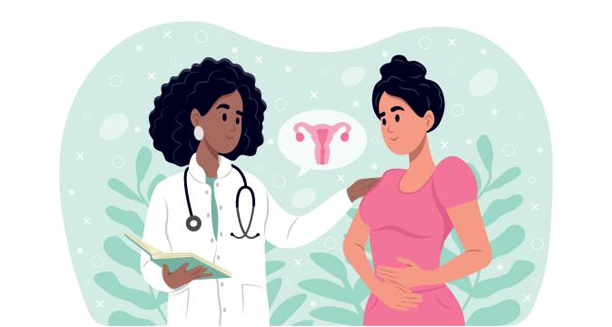
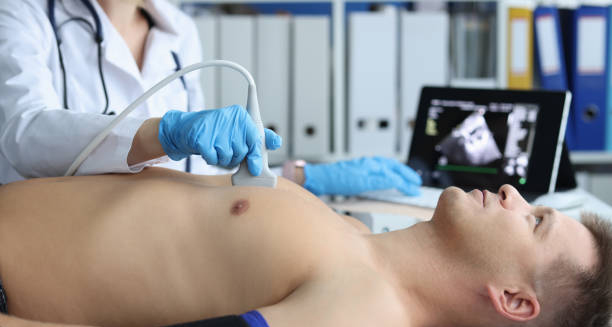
Diagnosis of Endometriosis The diagnosis of endometriosis can be challenging. Because the condition shares symptoms with other illnesses—like irritable bowel syndrome (IBS) or pelvic inflammatory disease—it is often misdiagnosed or dismissed. Sadly, many people with endometriosis wait years before receiving a confirmed diagnosis, especially in areas with limited access to gynaecological specialists. Initial Assessment Doctors begin by taking a detailed medical history. They will ask about: Menstrual cycles and pain patterns Pain during sex, urination, or bowel movements Family history of endometriosis Previous surgeries or fertility concerns A physical examination may follow. The doctor may feel for tenderness or thickened areas in the pelvis. However, mild cases may not show any signs during a manual exam. Imaging Tests While imaging can’t confirm endometriosis, it helps identify larger lesions or complications: Pelvic ultrasound – detects ovarian cysts (endometriomas) and may suggest other abnormalities MRI scans – more detailed than ultrasound, sometimes used to assess deep infiltrating endometriosis These tools help rule out other causes of pelvic pain or bleeding. But many endometrial lesions are too small to be seen on scans. Laparoscopy | Diagnosis of Endometriosis The only way to confirm endometriosis is through laparoscopy, a minor surgical procedure. A small camera is inserted into the abdomen through a small incision. This allows the doctor to see and sometimes remove or biopsy endometrial tissue. Laparoscopy is both diagnostic and therapeutic. It allows for: Direct visual confirmation Staging of the disease (mild, moderate, severe) Removal of tissue to relieve symptoms and improve fertility Diagnostic Delays in South Africa In South Africa, diagnosis is often delayed due to: Stigma around discussing menstrual pain Long public hospital waiting times Lack of trained specialists in rural regions High out-of-pocket costs for private care Efforts are growing to increase awareness, train more professionals, and encourage earlier referrals. The diagnosis of endometriosis is a vital step in managing the condition. While it may take time and persistence, a confirmed diagnosis opens the door to proper treatment, symptom relief, and improved wellbeing. [Next: Treatment of Endometriosis →]