Mental Matters

Author name: admin

Medical professional wrapping a severely affected foot due to Epidermolysis Bullosa complications

Complications of Epidermolysis Bullosa

Complications of Epidermolysis Bullosa The complications of epidermolysis bullosa can be severe, painful, and life-altering. Because epidermolysis bullosa affects the body’s largest organ—the skin—it leads to both local and systemic health challenges. Complications vary by type and severity but require ongoing attention throughout life. Skin Infections Open wounds and frequent blistering increase the risk of: Bacterial infections like Staphylococcus or Streptococcus Cellulitis, a spreading infection of the skin Sepsis, a life-threatening body-wide infection Poor hygiene, limited dressing supplies, and malnutrition increase these risks, especially in under-resourced areas. Anaemia and Malnutrition Chronic wounds can cause blood loss, leading to: Iron-deficiency anaemia, resulting in fatigue and weakness Poor appetite and growth delays, especially in infants and children Vitamin and mineral deficiencies, from restricted diets or pain when eating Feeding tubes are often needed in severe cases, but may not be readily available in public hospitals. Scarring and Contractures Repeated blistering leads to: Thick scars and adhesions, particularly on joints and fingers Contractures, where limbs become stuck in bent positions Reduced mobility and loss of independence In severe dystrophic EB, fingers may fuse together, a condition known as pseudosyndactyly. Vision and Dental Problems Corneal abrasions, from eye blisters Tooth decay and enamel defects, especially in junctional EB Gum disease, leading to pain and difficulty eating Good oral hygiene and specialist dental care are vital but not always accessible in rural settings. Skin Cancer Risk | Complications of Epidermolysis Bullosa In older children and adults with severe EB, the risk of squamous cell carcinoma (SCC) is much higher than in the general population. These cancers may grow rapidly and are difficult to treat due to skin fragility. Psychological Effects Living with EB can lead to: Depression, anxiety, and social isolation Body image concerns, especially in teens Post-traumatic stress, from ongoing pain and repeated hospitalisation Family counselling and peer support groups can help reduce emotional stress and build resilience. In South Africa, the complications of EB are often worsened by delayed diagnosis, lack of wound care supplies, and socioeconomic challenges. NGOs, online communities, and local clinics are crucial in offering education and support. The complications of epidermolysis bullosa are serious but manageable. With the right care, many patients can live longer, more comfortable lives despite the condition’s challenges. [Next: Back to Overview →]
Complications of Epidermolysis Bullosa Read More »

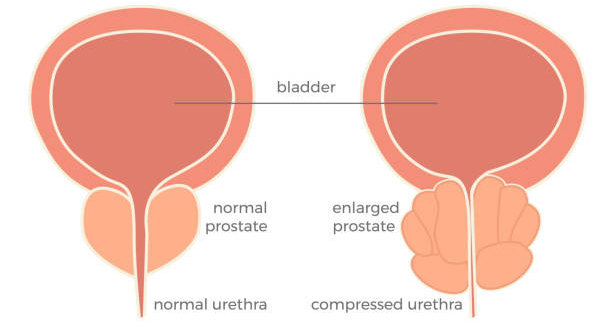
Medical diagram comparing a normal prostate and an enlarged prostate

Enlarged Prostate

Enlarged Prostate An enlarged prostate, also known as benign prostatic hyperplasia (BPH), is a common condition affecting men as they age. The enlarged prostate presses against the urethra, which can interfere with the normal flow of urine and lead to a range of urinary symptoms. While not cancerous, the condition can significantly affect quality of life. The prostate is a small gland, about the size of a walnut, located just below the bladder. It surrounds the urethra—the tube that carries urine out of the body. As men get older, the prostate often grows larger. This natural growth can cause narrowing of the urethra and reduce urine flow. Most men over 50 will experience some degree of prostate enlargement. In South Africa and globally, this condition is a leading cause of urinary discomfort in older men. While it isn’t life-threatening, untreated cases can lead to complications such as bladder damage or urinary tract infections (UTIs). Enlarged Prostate Common symptoms include a weak urine stream, difficulty starting urination, frequent urination (especially at night), and a feeling of incomplete bladder emptying. Understanding this condition and its symptoms helps men take early action. Lifestyle changes, medication, and in some cases, surgery can offer effective relief. [Next: Causes of Enlarged Prostate →]

Enlarged Prostate Read More »

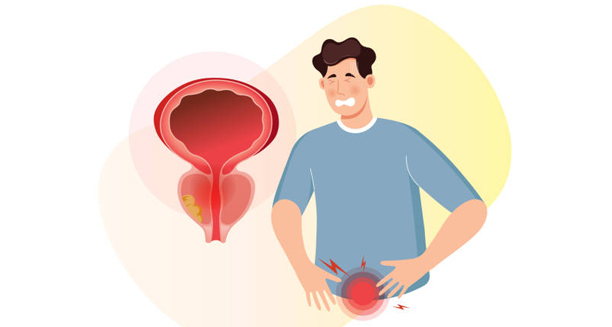
Illustration of man experiencing pelvic pain with an enlarged prostate diagram

Causes of Enlarged Prostate

Causes of Enlarged Prostate The causes of enlarged prostate are not fully understood, but age and hormonal changes are the main contributors. Enlarged prostate is most often linked to benign prostatic hyperplasia (BPH), a non-cancerous increase in the number of prostate cells. Ageing and Hormonal Changes As men age, their testosterone levels gradually decrease, while levels of oestrogen (a hormone also found in men in small amounts) may remain the same or increase. This hormonal shift may stimulate prostate growth. Another key hormone involved is dihydrotestosterone (DHT), a by-product of testosterone. DHT promotes prostate cell growth, and its levels tend to stay high in ageing men, encouraging the prostate to enlarge. Other Contributing Factors Family history – Men with relatives who had BPH are more likely to develop the condition. Lifestyle – Lack of physical activity, poor diet, obesity, and smoking may increase risk. Chronic conditions – Diabetes, heart disease, and high blood pressure are often linked to prostate enlargement. Ethnicity – Some studies suggest African men may experience BPH symptoms more severely than men of other backgrounds. In South Africa, lifestyle-related conditions like obesity and metabolic syndrome are on the rise and may contribute to a higher incidence of BPH. Furthermore, limited awareness and reluctance to discuss urinary symptoms can delay diagnosis and treatment in many communities. Causes of Enlarged Prostate It is important to note that BPH is not the same as prostate cancer. However, both conditions can cause similar symptoms, so proper medical evaluation is crucial to rule out malignancy. Understanding the causes of enlarged prostate helps men reduce risk and seek timely treatment. While ageing is unavoidable, healthy lifestyle choices can slow progression and improve urinary health. [Next: Symptoms of Enlarged Prostate →]

Causes of Enlarged Prostate Read More »

Man clutching lower abdomen in discomfort, indicating symptoms of enlarged prostate

Symptoms of Enlarged Prostate

Symptoms of Enlarged Prostate The symptoms of enlarged prostate vary in intensity, but they typically involve changes in urination. As the prostate enlarges, it squeezes the urethra, leading to urinary flow obstruction. These changes can affect daily activities, sleep quality, and overall comfort. Recognising the symptoms of enlarged prostate allows for early diagnosis and effective management. Common Symptoms Frequent urination – Especially noticeable at night (nocturia), disrupting sleep. Urgency – A sudden, strong need to urinate that’s hard to delay. Weak stream – Reduced force when urinating. Hesitancy – Difficulty starting to urinate, even when the bladder feels full. Incomplete emptying – A constant sensation that the bladder isn’t fully emptied. Dribbling – Leaking or dribbling of urine after finishing. Straining – Needing to push or bear down to start or maintain urination. Less Common Symptoms Urinary tract infections (UTIs) – Due to retained urine creating an environment for bacteria. Blood in the urine (haematuria) – Rare, but may occur due to stretched bladder walls or ruptured veins. Bladder stones – Can develop if urine remains in the bladder for too long. Symptoms do not always relate to prostate size. Some men with large prostates experience few symptoms, while others with small enlargement suffer severe discomfort. Symptom severity is often assessed using a tool called the International Prostate Symptom Score (IPSS). In South Africa | Symptoms of Enlarged Prostate Many South African men delay seeking help for urinary symptoms. This may be due to stigma, fear of cancer, or the belief that urinary changes are a normal part of ageing. Rural and underserved communities may also lack access to specialised urological care. Educational outreach and routine screenings can help detect BPH earlier and prevent complications. The condition is treatable, especially when addressed before the bladder becomes overworked or damaged. Recognising the symptoms of enlarged prostate and seeking help early can greatly improve comfort and quality of life. [Next: Diagnosis of Enlarged Prostate→]

Symptoms of Enlarged Prostate Read More »

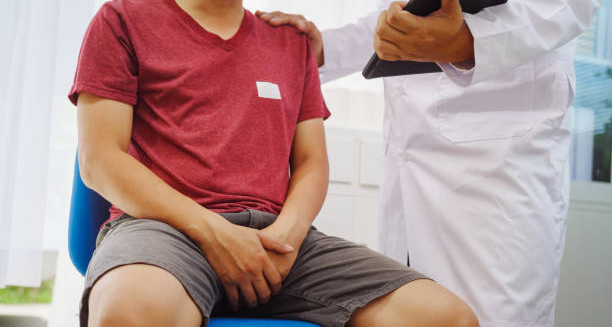
Doctor consulting a man with pelvic discomfort during diagnosis of enlarged prostate

Diagnosis of Enlarged Prostate

Diagnosis of Enlarged Prostate The diagnosis of enlarged prostate begins with a careful review of symptoms, medical history, and a physical examination. Since an enlarged prostate shares symptoms with other conditions—like prostate cancer or urinary tract infections—accurate diagnosis is crucial for choosing the right treatment. Patient History and Symptom Assessment The doctor will ask about: Urinary habits (frequency, urgency, night-time urination) Strength and flow of urine Any difficulty starting or stopping urination Sensation of incomplete bladder emptying Lifestyle and existing health conditions A standard questionnaire, like the International Prostate Symptom Score (IPSS), is often used to measure the severity of symptoms and their impact on daily life. Physical Examination A digital rectal exam (DRE) is a key part of the assessment. The doctor inserts a gloved, lubricated finger into the rectum to feel the size, shape, and consistency of the prostate. While not always comfortable, the test is quick and important for detecting abnormalities. Additional Tests Urinalysis – Checks for blood, infection, or sugar in the urine, ruling out other causes of symptoms. Prostate-specific antigen (PSA) test – Measures PSA levels in the blood. Elevated PSA may indicate BPH, prostate inflammation, or prostate cancer. Bladder scan – Uses ultrasound to measure how much urine remains in the bladder after urination. Uroflowmetry – Measures the speed and strength of urine flow. Cystoscopy – A thin tube with a camera is inserted into the urethra to examine the bladder and prostate. This is usually done if surgery is being considered. Urodynamic testing – Evaluates bladder pressure and function if the diagnosis is unclear. Diagnosis of Enlarged Prostate In South Africa, public clinics and hospitals often start with basic symptom assessments and DRE. Limited access to PSA testing and scans in rural areas may delay diagnosis. Doctors should refer men with prolonged symptoms to urologists for further evaluation. Doctors can usually diagnose an enlarged prostate quickly and non-invasively. Once confirmed, treatment can begin to relieve symptoms and prevent long-term bladder problems. [Next: Treatment of Enlarged Prostate →]

Diagnosis of Enlarged Prostate Read More »

Man placing prostate medication blister pack into trouser pocket

Treatment of Enlarged Prostate

Treatment of Enlarged Prostate The treatment of enlarged prostate focuses on relieving symptoms, improving urine flow, and preventing complications. Enlarged prostate (BPH) is a chronic condition, but it can often be managed successfully through medication, lifestyle changes, or surgical procedures. Watchful Waiting For men with mild symptoms that don’t interfere with daily life, doctors may recommend: Monitoring symptoms regularly Making lifestyle changes (e.g., reducing caffeine or alcohol) Avoiding fluids before bedtimeThis approach avoids unnecessary treatment and allows for quick action if symptoms worsen. Medications | Treatment of Enlarged Prostate Alpha-blockers – Relax muscles in the prostate and bladder neck, improving urine flow (e.g., tamsulosin or alfuzosin). 5-alpha-reductase inhibitors – Shrink the prostate by lowering DHT hormone levels (e.g., finasteride or dutasteride). Combination therapy – Using both types of medication together can be more effective in some cases. Anticholinergics – Help control urgency and frequent urination, especially if overactive bladder is also present. These medications work well for most patients, but side effects may include dizziness, sexual dysfunction, or reduced semen volume. Surgical and Minimally Invasive Options If medications are ineffective or symptoms are severe, surgical treatment may be recommended: Transurethral resection of the prostate (TURP) – The most common surgery, removes part of the prostate using a scope through the urethra. Laser therapy – Uses laser energy to remove or shrink prostate tissue. UroLift system – Small implants hold prostate tissue away from the urethra. Open or robotic prostatectomy – Done in more complex cases or when the prostate is very large. Recovery times and risks vary. TURP and laser surgeries generally provide long-term relief, but may carry risks such as bleeding or temporary loss of bladder control. Lifestyle and Home Remedies Men are also encouraged to: Limit caffeine and alcohol Maintain a healthy weight Stay physically active Urinate when needed—don’t delay Practise double voiding (urinate, then try again a few minutes later) In South Africa, access to surgery may be limited in public hospitals. Referral to specialist urologists is often needed. Increased awareness and earlier intervention can help reduce waiting lists and improve patient outcomes. The treatment of enlarged prostate is often successful, especially when tailored to the individual. Most men see significant improvement in symptoms with the right care. [Next: Complications of Enlarged Prostate →]

Treatment of Enlarged Prostate Read More »

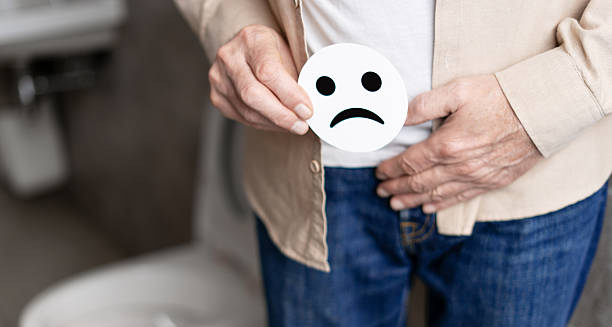
Elderly man holding sad face icon near pelvis, indicating urinary issues from enlarged prostate

Complications of Enlarged Prostate

Complications of Enlarged Prostate The complications of enlarged prostate arise when the condition is left untreated or not properly managed. Over time, enlarged prostate can lead to serious bladder and kidney problems, making early intervention essential. Bladder Problems Urinary retention – Inability to urinate, often painful and sudden. This may require emergency catheterisation. Bladder stones – Caused by concentrated, stagnant urine in the bladder. These can lead to infection or bleeding. Bladder damage – Overstretching from retained urine can weaken the bladder wall, reducing its ability to contract and fully empty. Kidney Damage Chronic bladder pressure from urine backup can affect kidney function over time. Though rare, this may lead to: Hydronephrosis – Swelling of the kidneys Kidney infections Permanent kidney damage if obstruction is not relieved Urinary Tract Infections (UTIs) Incomplete bladder emptying increases the risk of bacterial growth. Repeated UTIs are not only painful but can lead to more serious infections like pyelonephritis (kidney infection). Incontinence Some men develop: Overflow incontinence, where the bladder leaks due to overfilling Urge incontinence, where a sudden need to urinate results in leakageBoth forms are distressing and affect confidence and quality of life. Impact on Sexual Health Certain medications and long-term pressure on pelvic structures may lead to: Reduced libido Erectile dysfunction Decreased semen volume during ejaculation While these complications are not life-threatening, they can deeply impact mental wellbeing and intimate relationships. Complications of Enlarged Prostate In South Africa In South Africa, many men avoid seeking help due to stigma, fear of cancer, or lack of access to specialised care. This delay increases the risk of complications. Education campaigns and mobile health clinics are helping improve early detection in both rural and urban areas. Men with existing health problems—like diabetes or cardiovascular disease—are at even greater risk of urinary and sexual complications. For them, monitoring prostate health is critical. The complications of enlarged prostate are often preventable. Regular check-ups, early diagnosis, and consistent treatment can preserve bladder and kidney function, and maintain a good quality of life. [Next: Back to Overview →]

Complications of Enlarged Prostate Read More »

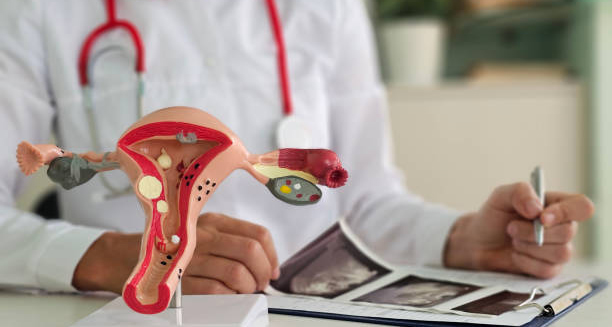
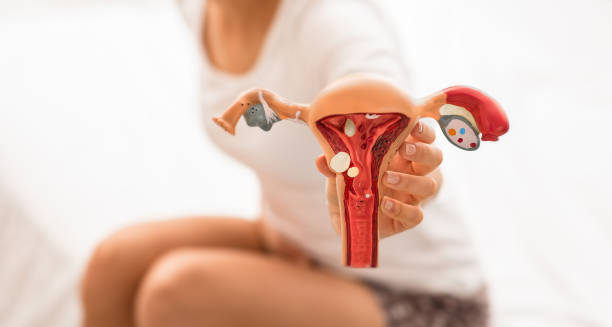
Gynaecologist showing female reproductive anatomy model with signs of endometriosis

Endometriosis

Endometriosis Endometriosis is a chronic condition where tissue similar to the lining of the uterus (endometrium) grows outside the uterus. These growths can be found on the ovaries, fallopian tubes, bladder, bowel, and other pelvic organs. This condition causes inflammation, pain, and sometimes fertility issues, especially if left untreated. Each month, this tissue responds to hormonal changes, just like the uterus lining. It thickens, breaks down, and bleeds. But unlike a normal period, the blood has no way to exit the body. This leads to irritation, scar tissue, and cyst formation. Over time, organs may stick together due to adhesions—bands of fibrous tissue that form in response to ongoing inflammation. Endometriosis affects an estimated 1 in 10 women worldwide. In South Africa, many women are misdiagnosed or undiagnosed for years due to a lack of awareness and access to specialised gynaecological care. This delay contributes to worsening symptoms and unnecessary suffering. Endometriosis The condition often begins during the reproductive years and may worsen over time. It’s not limited to menstruation—some people with endometriosis experience symptoms daily or in response to other triggers like bowel movements or exercise. Understanding endometriosis is essential for recognising symptoms early, seeking appropriate care, and improving quality of life. With proper diagnosis and management, many people can live well despite the condition. [Next: Causes of Endometriosis →]

Endometriosis Read More »

Causes of Endometriosis

Causes of Endometriosis

Causes of Endometriosis The exact causes of endometriosis are still not fully understood. Researchers believe that several factors—genetic, hormonal, immune, and environmental—may work together to trigger the condition. While the precise cause may differ from person to person, certain theories offer insight into how endometriosis develops. Retrograde Menstruation One leading theory is retrograde menstruation. In this process, menstrual blood flows backwards through the fallopian tubes into the pelvic cavity instead of out through the vagina. This blood contains endometrial cells that can attach to pelvic organs, continue to grow, and bleed with each cycle. However, retrograde menstruation alone does not explain why some people develop endometriosis while others do not—since it happens to many without causing disease. This suggests other factors play a role. Genetic Predisposition Endometriosis tends to run in families. If your mother or sister has the condition, you’re more likely to develop it too. Certain genes may make it easier for endometrial tissue to implant and grow outside the uterus. Immune System Dysfunction A faulty immune response may allow endometrial-like tissue to survive in areas where it shouldn’t. Normally, the body would clear these misplaced cells. In endometriosis, this defence system seems to malfunction, leading to chronic inflammation and pain. Hormonal Factors | Causes of Endometriosis Oestrogen appears to promote the growth of endometrial tissue. People with higher oestrogen levels or a heightened sensitivity to this hormone may be more likely to develop endometriosis. Hormonal imbalance can also make symptoms more severe. Surgical Scars and Cell Transformation Endometrial cells may also implant in scars following surgery (such as C-sections) or transform from other types of tissue through a process called metaplasia. In South Africa, delayed treatment and limited access to early screening tools contribute to the underdiagnosis of the condition. Increased public awareness and access to menstrual health education can help reduce the burden of disease in both rural and urban communities. Understanding the causes of endometriosis helps guide both prevention and management strategies. While we cannot always prevent the condition, knowing your risk factors can encourage earlier investigation and treatment. [Next: Symptoms of Endometriosis →]

Causes of Endometriosis Read More »

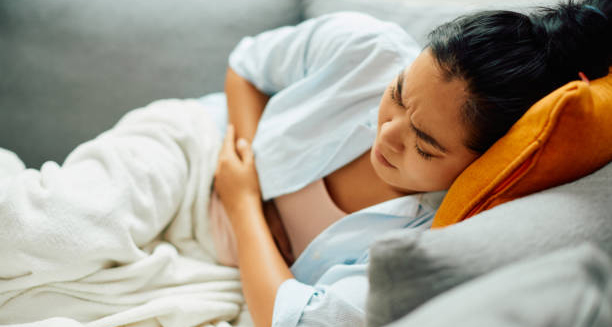
Woman lying on couch clutching her abdomen in pain, showing symptoms of endometriosis

Symptoms of Endometriosis

Symptoms of Endometriosis The symptoms of endometriosis can vary greatly from person to person. Some people experience extreme pain, while others may have mild or no symptoms. Regardless of severity, endometriosis can affect many areas of life, from physical wellbeing to mental health, relationships, and fertility. Common Symptoms Pelvic pain – the most recognised symptom. Pain often begins before menstruation and continues for several days. It may feel sharp, throbbing, or deep, and may worsen over time. Painful periods (dysmenorrhoea) – cramping and discomfort far beyond normal period pain, often requiring strong medication. Pain during or after sex (dyspareunia) – caused by inflammation or scar tissue pulling on pelvic organs. Pain with bowel movements or urination, particularly during menstruation. Heavy or irregular periods, sometimes with spotting between cycles. Chronic fatigue, even with adequate rest. Bloating or nausea, often mistaken for IBS or gastrointestinal issues. Difficulty falling pregnant – endometriosis is one of the leading causes of infertility in women of reproductive age. Less Common Symptoms of Endometriosis Lower back pain Leg pain, especially if nerves are involved Mood swings, anxiety, or depression due to chronic pain and hormonal changes Symptoms that worsen with exercise or prolonged sitting The severity of symptoms doesn’t always match the extent of the condition. Some people with minimal endometrial growth have severe symptoms, while others with widespread disease may feel very little discomfort. In South Africa Many women and girls in South Africa delay seeking help for menstrual pain, thinking it is normal. Cultural taboos around discussing periods and pain contribute to this silence. Additionally, long referral times and lack of specialists make diagnosis difficult, particularly in rural provinces. Advocacy is helping shift these norms. More young people are learning to recognise when period pain is not normal. This is especially important for improving outcomes through earlier treatment. Recognising the symptoms of endometriosis empowers people to take their pain seriously and seek medical attention. Early intervention leads to better control of the disease and a significantly improved quality of life. [Next: Diagnosis of Endometriosis→]

Symptoms of Endometriosis Read More »

Scroll to Top