Mental Matters

Author name: admin

Ejaculation Problems

Ejaculation Problems

Ejaculation Problems Ejaculation problems are common sexual health concerns affecting men of all ages. These issues involve difficulties with the timing, control, or experience of ejaculation. Ejaculation problems can affect relationships, self-esteem, and overall quality of life, and may also signal underlying medical or psychological conditions. There are several types of ejaculation issues: Premature ejaculation – when ejaculation happens too quickly, often within a minute of penetration Delayed ejaculation – when ejaculation takes an unusually long time or doesn’t happen at all Retrograde ejaculation – when semen travels backwards into the bladder instead of out through the penis Painful ejaculation – when ejaculation causes physical discomfort or burning sensation Anejaculation – the complete absence of ejaculation despite orgasm These problems can occur occasionally or become ongoing. Many men experience temporary issues due to stress, fatigue, or relationship problems. However, when the problem is persistent, it may require medical or psychological attention. Ejaculation Problems In South Africa, stigma around men’s sexual health can lead to silence and untreated symptoms. Cultural expectations around masculinity often prevent open discussion, which may delay diagnosis and support. Encouraging honest conversations between patients and doctors is the first step in effective treatment. Ejaculation is a complex process involving the brain, hormones, nerves, muscles, and the reproductive system. A disruption in any of these areas can lead to dysfunction. While not life-threatening, ejaculation disorders can cause emotional distress and affect fertility, especially in men trying to conceive. Understanding ejaculation problems allows men to seek appropriate care and make informed decisions about their sexual health. These issues are more common than many realise—and most are treatable with the right support. [Next: Causes of Ejaculation Problems →]


Ejaculation Problems Read More »

Causes of Ejaculation Problems

Causes of Ejaculation Problems

Causes of Ejaculation Problems The causes of ejaculation problems are varied and often depend on the type of issue. Ejaculation problems may result from physical conditions, psychological factors, lifestyle habits, or side effects of medication. Identifying the underlying cause is essential for choosing the right treatment. Physical Causes Many ejaculation problems are linked to physical health. These include: Prostate conditions, such as infection (prostatitis), enlargement, or surgery Diabetes, which can damage the nerves involved in sexual function Multiple sclerosis, spinal cord injuries, or other neurological disorders Hormonal imbalances, such as low testosterone levels Bladder or pelvic surgery, which may interfere with ejaculation pathways Side effects of medication, particularly antidepressants (SSRIs), blood pressure drugs, and certain sedatives Retrograde ejaculation is often caused by prostate or bladder surgery, especially after procedures like transurethral resection of the prostate (TURP). In this condition, semen flows backwards into the bladder rather than exiting the penis. Delayed ejaculation or anejaculation may result from nerve damage, medication use, or hormonal problems. Painful ejaculation is typically linked to infections, inflammation, or physical injury. Psychological Causes Mental and emotional factors play a major role in ejaculation problems. These may include: Performance anxiety Relationship issues or lack of emotional connection Depression or stress History of trauma or abuse Religious or cultural shame around sexuality Premature ejaculation is often linked to anxiety and overstimulation. In some cases, men develop habits during adolescence (such as rushing masturbation) that affect control during partnered sex later in life. Lifestyle Factors | Causes of Ejaculation Problems Certain behaviours and choices can increase the risk of ejaculation issues: Excessive alcohol or drug use Smoking, which affects blood flow and nerve sensitivity Lack of sleep or poor physical health Overuse of pornography or unrealistic sexual expectations Causes of Ejaculation Problems In South Africa, social pressures, relationship stress, or financial hardship may worsen these issues. Men often delay seeking help due to embarrassment or fear of judgement. However, many causes are treatable or reversible. Identifying the causes of ejaculation problems is the first step toward recovery. With open communication and proper support, most men can resolve these challenges and enjoy healthy sexual relationships. [Next: Symptoms of Ejaculation Problems →]

Causes of Ejaculation Problems Read More »

Symptoms of Ejaculation Problems

Symptoms of Ejaculation Problems

Symptoms of Ejaculation Problems The symptoms of ejaculation problems vary depending on the type of issue, but they all involve some form of disruption to the normal ejaculation process. Recognising the symptoms of ejaculation problems early can lead to better outcomes and reduce long-term emotional and relationship strain. Premature Ejaculation This is one of the most common types. Symptoms include: Ejaculation that happens within one minute of penetration Inability to delay ejaculation during most sexual encounters Distress, frustration, or relationship difficulties due to lack of control Some men may also avoid intimacy due to embarrassment or anxiety, worsening the issue over time. Delayed Ejaculation This occurs when ejaculation takes much longer than desired. Symptoms include: Persistent difficulty reaching climax during intercourse Needing extended manual or oral stimulation to ejaculate Sometimes being unable to ejaculate at all, despite strong arousal Delayed ejaculation can cause frustration for both partners and may be mistaken for disinterest or lack of attraction. Retrograde Ejaculation This type may not show obvious symptoms. Key signs include: “Dry orgasm,” where little or no semen is released Cloudy urine after orgasm, indicating semen has entered the bladder Reduced fertility despite normal sexual function Retrograde ejaculation does not typically affect sexual pleasure but can make it difficult to conceive. Anejaculation | Symptoms of Ejaculation Problems Men with this condition reach orgasm but release no semen. Symptoms include: Complete lack of ejaculation despite normal sensation Reduced pressure or volume during orgasm Associated fertility concerns It can be caused by nerve damage, medication, or psychological factors. Painful Ejaculation This condition can cause sharp, burning, or aching pain during or after ejaculation. Symptoms may include: Pain in the penis, testicles, or pelvic area Discomfort during urination following orgasm Blood in the semen (less common but serious) This symptom often points to infection, inflammation, or injury and should not be ignored. In South Africa, men may hesitate to report symptoms due to stigma, cultural expectations, or limited access to men’s health clinics. But ignoring the problem only makes it worse—many ejaculation problems are treatable, and early intervention offers the best chance of success. Recognising the symptoms of ejaculation problems allows men to take charge of their health, improve relationships, and restore sexual confidence with the right treatment. [Next: Diagnosis of Ejaculation Problems→]

Symptoms of Ejaculation Problems Read More »

Diagnosis of Ejaculation Problems

Diagnosis of Ejaculation Problems

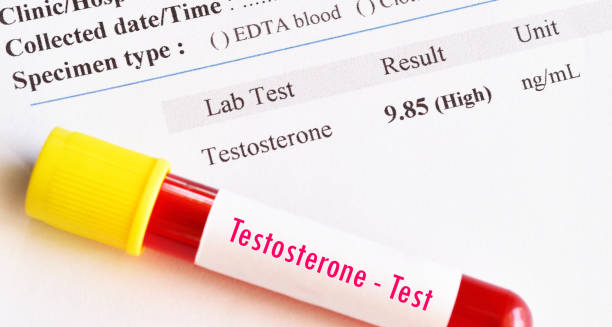
Diagnosis of Ejaculation Problems The diagnosis of ejaculation problems begins with a detailed medical and sexual history. Because ejaculation problems can result from physical, emotional, or lifestyle factors, diagnosis must take a holistic approach. Open communication with a doctor or sexual health specialist is crucial for identifying the type of problem and its root cause. A doctor will first ask questions about: When the problem began How often it occurs Whether it happens with all partners or only in specific situations Associated symptoms, such as pain, anxiety, or erectile difficulties General health conditions, medications, and lifestyle habits This helps determine whether the issue is temporary, situational, or ongoing. Psychological causes are more likely if the problem occurs only in certain contexts or during performance pressure. Physical causes are suspected when symptoms are consistent and long-term. Diagnosis of Ejaculation Problems The next step is a physical examination, especially of the genitals and prostate. If infection, scarring, or structural problems are suspected, a urologist may be involved. The doctor may also test for signs of: Prostatitis Testicular abnormalities Nerve damage Signs of hormonal imbalance Urine tests and semen analysis may be performed to check for infections or retrograde ejaculation. In cases where semen enters the bladder, post-ejaculation urine will contain sperm. Hormonal blood tests may also be ordered to check testosterone and prolactin levels. If delayed ejaculation or low libido is present, hormonal issues may play a role. If medication side effects are suspected, the doctor may suggest switching to alternatives—especially with antidepressants or blood pressure drugs known to cause sexual side effects. Diagnosis of Ejaculation Problems In more complex cases, psychosexual counselling or referral to a specialist may be required. This is especially true for problems linked to anxiety, past trauma, or relationship stress. In South Africa, public clinics may have limited mental health support for men, but private therapists and NGOs are increasingly offering targeted services. Sometimes, the diagnosis process itself is therapeutic. Many men feel relief after discussing symptoms with a professional and realising they are not alone. The diagnosis of ejaculation problems is often straightforward with the right information. Honest, judgment-free discussion helps healthcare professionals provide effective, personalised care to resolve the issue and restore confidence. [Next: Treatment of Ejaculation Problems →]

Diagnosis of Ejaculation Problems Read More »

Treatment of Ejaculation Problems

Treatment of Ejaculation Problems

Treatment of Ejaculation Problems The treatment of ejaculation problems depends on the specific issue and its underlying cause. While ejaculation problems may feel overwhelming, most are treatable with a combination of medical, psychological, and behavioural approaches. Premature Ejaculation This condition often responds well to both therapy and medication. Treatment options include: Behavioural techniques, such as the “stop-start” or “squeeze” method Pelvic floor exercises to improve control Topical anaesthetic creams to reduce penile sensitivity Selective serotonin reuptake inhibitors (SSRIs) prescribed at low doses to delay ejaculation Counselling, especially if anxiety or relationship issues are contributing A combination of techniques often works best. Many men benefit from sexual therapy alongside physical interventions. Delayed Ejaculation This condition may be treated by: Reviewing and adjusting medications, especially antidepressants Psychotherapy for anxiety, depression, or past trauma Improved sexual communication and partner involvement Hormone therapy, if low testosterone is found Encouraging self-awareness and changing patterns around arousal and stimulation can also help. Retrograde Ejaculation Treatment focuses on restoring the forward flow of semen. Options include: Alpha-agonist medications, which help close the bladder neck Treating underlying causes such as diabetes or nerve damage Addressing post-surgical complications where possible For men trying to conceive, fertility specialists may extract sperm from urine or use assisted reproductive techniques. Painful Ejaculation Pain during or after ejaculation may be due to infection, inflammation, or nerve sensitivity. Treatment includes: Antibiotics or anti-inflammatories if prostatitis or urethritis is diagnosed Pelvic floor physiotherapy Pain management through medication or local therapies In rare cases, surgery may be considered if an obstruction or structural issue is identified. Anejaculation Treatment depends on whether the issue is psychological or physical. Options include: Medication changes Penile vibratory stimulation or electroejaculation (in specialised fertility settings) Counselling and couple’s therapy Treatment of Ejaculation Problems Only major centres or private fertility clinics in South Africa typically offer specialised treatments like electroejaculation, limiting access in other areas. However, basic treatment and counselling are available through most GPs and urologists. The treatment of ejaculation problems requires patience, openness, and often a combined approach. With proper care, many men experience full recovery or significant improvement. [Next: Complications of Ejaculation Problems →]

Treatment of Ejaculation Problems Read More »

Complications of Ejaculation Problems

Complications of Ejaculation Problems

Complications of Ejaculation Problems The complications of ejaculation problems go beyond sexual performance—they can affect mental health, relationships, and fertility. While ejaculation problems are not usually dangerous, ignoring them can lead to long-term distress and medical consequences. Emotional and Psychological Impact Men experiencing ejaculation difficulties often suffer from: Low self-esteem or confidence Performance anxiety Embarrassment or shame, leading to avoidance of intimacy Depression or frustration, especially if the problem persists These feelings can create a cycle where the psychological burden worsens the original issue. Partners may feel confused or rejected, resulting in communication breakdowns or sexual dissatisfaction within the relationship. Relationship Strain Couples may experience tension if the problem is not openly discussed. Unresolved ejaculation problems may: Lead to less frequent intimacy Trigger misunderstandings or blame Affect emotional closeness Sexual counselling or couple’s therapy can help restore trust and create shared solutions. Fertility Challenges Some ejaculation issues can make it difficult or impossible to conceive naturally. These include: Anejaculation, where no semen is released Retrograde ejaculation, where sperm enters the bladder Severely delayed ejaculation, which may interfere with timing Couples trying to conceive may need fertility assistance, including sperm retrieval or intrauterine insemination (IUI). In South Africa, access to these services varies widely between public and private healthcare sectors. Medical Complications Painful ejaculation or repeated retrograde ejaculation may indicate: Prostate infection or inflammation Nerve damage, especially in men with diabetes or spinal injuries Medication side effects, particularly from antidepressants Ignoring these signs can lead to worsening health. Pain, blood in semen, or drastic changes in ejaculation should always prompt medical assessment. Social Impact | Complications of Ejaculation Problems Stigma around male sexual health prevents many men from seeking help. In South Africa, cultural expectations and masculinity norms often discourage discussion of such topics. As a result, men may delay care until the problem becomes severe. Awareness campaigns, men’s clinics, and inclusive health education can help reduce the stigma. When men feel supported, they’re more likely to speak up and receive the help they need. Addressing the complications of ejaculation problems is not just about improving sex—it’s about protecting mental health, supporting relationships, and improving quality of life. Most cases are treatable, especially when diagnosed early and managed by a supportive healthcare team. [Next: Back to Overview →]

Complications of Ejaculation Problems Read More »

Ehlers-Danlos Syndromes

Ehlers-Danlos Syndromes

Ehlers-Danlos Syndromes Ehlers-Danlos syndromes (EDS) are a group of rare genetic disorders that affect the connective tissues supporting the skin, joints, blood vessels, and internal organs. People with Ehlers-Danlos syndromes typically have overly flexible joints, fragile skin, and an increased risk of bruising, scarring, and other complications due to weakened collagen. Collagen is a key protein in connective tissue. It provides structure and strength throughout the body. In EDS, genetic mutations disrupt collagen production or processing, making tissues unusually stretchy or fragile. There are several different types of EDS, each linked to a specific gene or protein abnormality. The most common form is hypermobile EDS (hEDS), which causes joint instability, frequent dislocations, and chronic pain. Other forms include: Classical EDS, which features skin that stretches easily and heals with distinctive scars Vascular EDS, a rare and life-threatening type affecting blood vessels and organs Kyphoscoliotic EDS, which causes severe spinal curvature and muscle weakness Arthrochalasia and dermatosparaxis types, which are very rare and present in early infancy EDS can range in severity. Some people have mild symptoms, while others experience daily joint pain, fatigue, or serious complications. Diagnosis can be difficult, especially for milder types like hEDS, which may be mistaken for general joint hypermobility or growing pains in children. Ehlers-Danlos Syndromes In South Africa, EDS remains underdiagnosed due to limited awareness among healthcare providers and the public. Access to genetic testing is often restricted to private clinics or university hospitals, making it harder for patients in rural areas to receive confirmation. Living with EDS requires long-term care, often involving physiotherapy, pain management, and support for mental health. Although there is no cure, early recognition and appropriate care can improve quality of life and prevent complications. Understanding Ehlers-Danlos syndromes helps patients, doctors, and families take proactive steps to manage symptoms, reduce injuries, and plan for long-term health. [Next: Causes of Ehlers-Danlos Syndromes →]

Ehlers-Danlos Syndromes Read More »

Causes of Ehlers-Danlos Syndromes

Causes of Ehlers-Danlos Syndromes

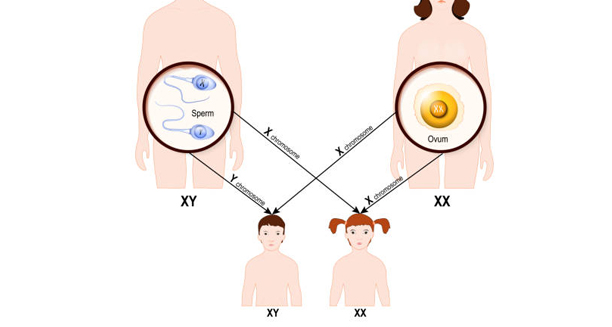
Causes of Ehlers-Danlos Syndromes The causes of Ehlers-Danlos syndromes lie in inherited genetic mutations that affect the structure, production, or processing of collagen. Collagen is essential for strong and elastic connective tissue. In Ehlers-Danlos syndromes, defects in collagen-related genes weaken the body’s connective tissues, leading to joint, skin, and vascular problems. EDS is a genetic condition, meaning it is passed down through families. Depending on the type, it can be inherited in one of two ways: Autosomal dominant, where a single copy of the faulty gene from one parent is enough to cause the condition Autosomal recessive, where the child must inherit faulty genes from both parents to be affected For example: Classical EDS is usually inherited in a dominant pattern and involves mutations in the COL5A1 or COL5A2 genes. Vascular EDS is caused by mutations in the COL3A1 gene, affecting the walls of blood vessels. Kyphoscoliotic EDS is typically recessive and caused by mutations in the PLOD1 gene, affecting enzymes needed for collagen modification. In hypermobile EDS, the most common type, no specific gene has yet been identified. Diagnosis is based on clinical features, including joint hypermobility, frequent dislocations, and chronic pain. Research continues to uncover the genetic basis of hEDS and how it relates to other connective tissue disorders. Spontaneous mutations can also cause EDS, even with no family history. In these cases, the gene changes during conception or early development, meaning the affected person is the first in their family to carry the mutation. In South Africa and other countries with limited access to genetic services, confirming the cause of EDS can be challenging. Genetic testing may be expensive or unavailable, and many cases go undiagnosed or misdiagnosed. Awareness among general practitioners and paediatricians is essential to guide patients toward specialist assessment when symptoms suggest a connective tissue disorder. Causes of Ehlers-Danlos Syndromes Environmental factors do not cause EDS, but lifestyle and injury can influence how symptoms appear. For example, frequent dislocations or skin trauma may make EDS more noticeable in people who lead physically active lives or do not know they are affected. Understanding the causes of Ehlers-Danlos syndromes is essential for diagnosis, family planning, and long-term health management. While genetic testing confirms most types, recognising patterns of inheritance and typical symptoms remains a key part of identifying the condition in clinical settings. [Next: Symptoms of Ehlers-Danlos Syndromes →]

Causes of Ehlers-Danlos Syndromes Read More »

Symptoms of Ehlers-Danlos Syndromes

Symptoms of Ehlers-Danlos Syndromes

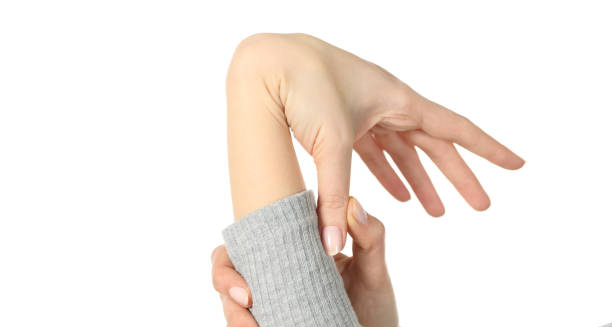
Symptoms of Ehlers-Danlos Syndromes The symptoms of Ehlers-Danlos syndromes vary widely depending on the type. However, all forms involve some level of collagen-related weakness, which leads to problems with the skin, joints, or blood vessels. Recognising the symptoms of Ehlers-Danlos syndromes early can help patients access care, avoid injury, and improve their quality of life. Common general symptoms include: Joint hypermobility – unusually flexible joints that can bend beyond the normal range Frequent joint dislocations or subluxations, especially in the shoulders, knees, and fingers Chronic joint or muscle pain Fatigue, often due to joint instability and poor sleep Soft, stretchy, or fragile skin Easy bruising Poor wound healing, with thin or wide scars In classical EDS, people often have smooth, doughy skin that stretches easily and heals poorly. Scars may appear as thin, “cigarette paper”-like marks on the knees, elbows, or forehead. Hernias and pelvic organ prolapse are also more common. Hypermobile EDS (hEDS) symptoms are centred on joint issues. People may be able to bend their thumbs to their forearms or place their hands flat on the floor without bending their knees. Over time, this flexibility leads to pain, instability, and increased injury risk. Vascular EDS presents with more serious internal symptoms. People with this type may have thin, translucent skin, prominent veins, and a risk of blood vessel or organ rupture. Sudden chest or abdominal pain may signal a medical emergency, requiring immediate attention. Other symptoms seen across EDS types include: Digestive issues such as reflux, bloating, or constipation Gum disease or fragile teeth Poor coordination or proprioception (awareness of body position) Delayed wound healing and surgical complications Symptoms of Ehlers-Danlos Syndromes In children, signs may include frequent bruising, joint dislocations, delayed motor development, or frequent complaints of pain. Parents may notice the child is unusually flexible or struggles with balance. In South Africa, where EDS awareness is still limited, people may be misdiagnosed with other conditions like fibromyalgia, growing pains, or even hypochondria. This can delay appropriate treatment and lead to frustration or mental health strain. Understanding the symptoms of Ehlers-Danlos syndromes helps people advocate for themselves, seek specialist input, and receive supportive care. While the condition cannot be cured, early intervention can make a significant difference in managing its impact. [Next: Diagnosis of Ehlers-Danlos Syndromes→]

Symptoms of Ehlers-Danlos Syndromes Read More »

Diagnosis of Ehlers-Danlos Syndromes

Diagnosis of Ehlers-Danlos Syndromes

Diagnosis of Ehlers-Danlos Syndromes The diagnosis of Ehlers-Danlos syndromes can be complex due to the wide variety of symptoms and overlapping features with other conditions. Since Ehlers-Danlos syndromes are genetic and vary in severity. Diagnosis is often delayed or misinterpreted—especially for milder types such as hypermobile EDS. A proper diagnosis usually involves a combination of clinical examination, family history, and, in some cases, genetic testing. Doctors begin by assessing the patient’s physical signs. For hypermobile EDS, the Beighton Score is used to measure joint hypermobility. This system gives points based on how far joints like the knees, elbows, and fingers can bend beyond their normal range. A high score may support the diagnosis, but it is not enough on its own. A detailed medical history is essential. Doctors look for recurring joint dislocations, chronic pain, frequent bruising, and slow wound healing. Family history is also considered—many forms of EDS run in families, so a parent or sibling with similar symptoms may point toward a hereditary connective tissue disorder. Clinical Diagnostic Criteria Clinical diagnostic criteria differ depending on the EDS type. For instance: Classical EDS is diagnosed through skin and joint findings, sometimes supported by genetic testing for COL5A1 or COL5A2 mutations. Vascular EDS requires DNA testing for mutations in the COL3A1 gene, especially in patients with thin skin, fragile arteries, or unexplained organ rupture. Kyphoscoliotic and arthrochalasia types are extremely rare and confirmed through genetic analysis and specialist evaluation. In hypermobile EDS, no known genetic marker has yet been identified, so diagnosis relies heavily on clinical signs, exclusion of other disorders, and expert judgement. In South Africa, access to genetic testing is limited in many public health settings. This means diagnosis often depends on clinical recognition and symptom history alone. General practitioners may not be familiar with the full range of EDS symptoms, which can lead to underdiagnosis or misdiagnosis, particularly in rural communities. Diagnosis of Ehlers-Danlos Syndromes Specialist referral is often necessary. Rheumatologists, geneticists, or clinical genetic counsellors are best equipped to assess rare connective tissue disorders. In some cases, patients may need to travel to academic hospitals or private facilities for full assessment. Although there is no cure, a confirmed diagnosis of Ehlers-Danlos syndromes opens the door to targeted treatment, lifestyle guidance, and access to specialist care. It also provides clarity and emotional validation for those who have struggled for years without answers. [Next: Treatment of Ehlers-Danlos Syndromes →]

Diagnosis of Ehlers-Danlos Syndromes Read More »

Scroll to Top