Mental Matters

Author name: admin

Man clutching stomach near toilet due to diarrhoea

Diarrhoea

Overview of Diarrhoea Diarrhoea is a common condition marked by loose, watery stools that occur more frequently than usual. Many people experience this several times a year, often as a short-term issue that resolves without treatment. However, in some cases, it can signal a more serious problem and lead to dehydration, especially in young children and older adults. Diarrhoea affects people of all ages and backgrounds. In South Africa, it is a major public health concern, particularly in rural communities where clean water and sanitation may be limited. Globally, it remains one of the leading causes of death in children under five. Travellers often experience it due to unfamiliar food or bacteria, while certain medical conditions like irritable bowel syndrome (IBS), infections, or medication side effects can also trigger symptoms. Diarrhoea Acute diarrhoea usually lasts one to two days. This type is most commonly caused by infections from viruses, bacteria, or parasites. Chronic diarrhoea, on the other hand, persists for weeks and may require more thorough evaluation. Understanding the cause is essential for effective treatment and prevention of complications such as nutrient loss or dehydration. The body loses water, salts, and other vital nutrients during a bout of diarrhoea. This makes it important to act quickly. While most people can manage mild symptoms at home, more severe or prolonged cases may need medical attention. With the right care and attention, the majority of people make a full recovery. [Next: Causes of Diarrhoea →]


Diarrhoea Read More »

Woman with stomach pain refusing milk due to lactose intolerance

Causes of Diarrhoea

Causes of Diarrhoea There are many possible causes of diarrhoea, ranging from infections to chronic illnesses and medication reactions. When dealing with diarrhoea, it’s crucial to identify the root cause, as treatment depends on what’s triggering the symptoms. One of the most frequent causes is infection. This can come from viruses such as rotavirus or norovirus, bacteria like E. coli, Salmonella, and Shigella, or parasites including Giardia. These organisms are often transmitted through contaminated food, water, or surfaces. In South Africa, especially in rural or informal areas, contaminated drinking water and poor sanitation remain significant contributors. Food intolerance or allergies can also lead to diarrhoea. Lactose intolerance, for instance, causes digestive issues when dairy is consumed. Similarly, gluten intolerance (coeliac disease) affects the bowel lining and leads to chronic digestive problems, including loose stools. Certain medications, such as antibiotics, can disturb the gut flora and cause diarrhoea. Some people also experience symptoms when taking heartburn medication, chemotherapy drugs, or magnesium-based antacids. Causes of Diarrhoea Chronic conditions like irritable bowel syndrome (IBS), inflammatory bowel disease (IBD), Crohn’s disease, or ulcerative colitis often trigger frequent bouts of diarrhoea. These conditions need lifelong management and medical guidance. Stress and anxiety can also affect gut health. For some, emotional distress leads to changes in bowel habits, including diarrhoea. Modern medical practice recognises this mind-gut connection well. Understanding the cause is essential. If diarrhoea is severe, persistent, or accompanied by other symptoms like blood in stools or weight loss, one should consult a doctor promptly. [Next: Symptoms of Diarrhoea →]

Causes of Diarrhoea Read More »

Woman holding stomach with illustrated inflamed gut indicating diarrhoea symptoms

Symptoms of Diarrhoea

Symptoms of Diarrhoea Recognising the symptoms of diarrhoea early can help you manage the condition effectively and avoid complications. The key sign is frequent, loose, or watery stools. However, diarrhoea often comes with a group of other symptoms that can vary depending on the underlying cause. A typical episode may start with cramping or pain in the abdomen, followed by an urgent need to pass stool. Many people also experience bloating, nausea, or vomiting. In some cases, there may be fever or chills, especially if an infection is present. These symptoms are the body’s way of responding to irritants in the gut. In children and infants, the signs of diarrhoea may appear suddenly and progress quickly. Parents should watch for dry mouth, sunken eyes, or reduced urine output, which signal dehydration. Babies may have fewer wet nappies, appear unusually drowsy, or cry without tears. If these signs show up, urgent medical care is needed. Adults are also at risk of dehydration. This is especially true for those who lose a lot of fluid over a short period. Signs include extreme thirst, dizziness, dry skin, and fatigue. The elderly are particularly vulnerable and may need help staying hydrated during an episode of diarrhoea. Symptoms of Diarrhoea Sometimes, blood or mucus in the stool can indicate a more serious condition. If this happens, or if symptoms last longer than two days in adults (or 24 hours in children), it’s important to seek medical advice. Chronic or repeated episodes may signal inflammatory bowel disease or another long-term condition. By paying attention to these symptoms, you can act quickly and avoid complications. Early treatment is key to restoring balance and protecting your health. [Next: Diagnosis of Diarrhoea →]

Symptoms of Diarrhoea Read More »

Doctor consulting patient with stomach pain during diarrhoea diagnosis

Diagnosis of Diarrhoea

Diagnosis of Diarrhoea When diarrhoea lasts longer than a couple of days or is accompanied by concerning symptoms, medical evaluation becomes necessary. To accurately perform the diagnosis of diahhroea, the cause of diarrhoea, healthcare providers take a detailed history, perform a physical examination, and may request laboratory tests. Doctors usually begin by asking about recent meals, travel history, medication use, and exposure to potentially contaminated water or food. These details can offer vital clues. For instance, if someone has recently returned from an area with poor sanitation, an infection is a likely cause. Similarly, a patient taking antibiotics may be suffering from antibiotic-associated diarrhoea. Stool tests are often used to check for bacteria, parasites, or signs of inflammation. These samples help pinpoint infections like Salmonella, Shigella, or Giardia. In cases of chronic or recurrent diarrhoea, doctors might do blood tests to check for inflammation, nutrient deficiencies, or autoimmune markers. This can help identify conditions such as coeliac disease or inflammatory bowel disease (IBD). If the cause remains unclear, doctors might use further diagnostic tools. A colonoscopy or flexible sigmoidoscopy allows doctors to view the inside of the bowel and take tissue samples (biopsies) if needed. Imaging tests like abdominal ultrasound or CT scans may help detect structural problems or inflammation in the digestive tract. Diagnosis of Diarrhoea In South Africa, access to these tests may depend on the location and healthcare setting. While private clinics offer faster turnaround times, public healthcare facilities may experience delays. Regardless, early diagnosis of diarrhoea can help prevent dehydration and guide appropriate treatment. Once they identify the cause, doctors can tailor treatment to the specific condition. Whether it’s an infection, chronic illness, or medication-related problem, identifying the root cause is essential for effective care and recovery. [Next: Treatment for Diarrhoea →]

Diagnosis of Diarrhoea Read More »

Treatment for Diarrhoea

Treatment for Diarrhoea

Treatment for Diarrhoea The treatment for diarrhoea depends on its cause, severity, and the person’s overall health. In most mild cases, particularly those caused by viral infections, symptoms resolve on their own within a few days. However, even in mild cases, diarrhoea can lead to dehydration, so the first priority is often fluid replacement. Drinking plenty of clean fluids is vital. Oral rehydration salts (ORS) are recommended, especially for young children and older adults. These sachets, available at most pharmacies and clinics in South Africa, contain the right balance of salts and sugars to help the body retain water. For infants, continued breastfeeding or formula feeding is encouraged. If a bacterial infection is suspected, and symptoms are severe or prolonged, antibiotics may be prescribed. However, not all bacterial causes of diarrhoea require antibiotics, and in some cases, they may do more harm than good. That’s why it’s important to consult a healthcare professional rather than self-medicating. For diarrhoea linked to chronic conditions like irritable bowel syndrome (IBS) or coeliac disease, long-term management is necessary. This may include dietary changes, medication, or lifestyle adjustments. In IBS, for example, a low-FODMAP diet has shown good results. For coeliac disease, eliminating gluten from the diet is essential. Treatment for Diarrhoea Medications like loperamide can be used to slow bowel movements in adults, but they should be avoided if there is blood in the stool or if the cause is an infection. Anti-nausea drugs may also help if vomiting is present. Probiotics can sometimes support recovery by restoring balance in the gut microbiome. In cases of severe diarrhoea, especially when there’s dehydration or complications, hospitalisation might be necessary. This is more common among the very young, elderly, or those with weakened immune systems. Ultimately, treatment should focus on hydration, addressing the cause, and supporting the body’s recovery. Timely action helps ensure a full recovery and prevents further complications. [Next: Complications of Diarrhoea →]

Treatment for Diarrhoea Read More »

Patient with abdominal pain consulting doctor about diarrhoea complications

Complications of Diarrhoea

Complications of Diarrhoea Although diarrhoea is usually a short-term inconvenience, it can lead to serious complications if not treated correctly. The most common and dangerous complication is dehydration. When the body loses more fluid than it takes in, it becomes harder for organs to function properly. In severe cases, dehydration can become life-threatening, especially in babies, young children, and elderly individuals. In South Africa, where access to clean water and healthcare can vary widely, dehydration from diarrhoea remains a leading cause of childhood death. Symptoms like dry mouth, sunken eyes, rapid heartbeat, or reduced urination should be taken seriously and addressed immediately with oral rehydration or hospital care if necessary. Another complication is electrolyte imbalance. When someone has diarrhoea, the body loses not only water but also vital salts such as sodium, potassium, and chloride. This imbalance can affect muscle function, heart rhythm, and nerve signals. In some cases, especially in those with underlying health conditions, this can lead to seizures or heart complications. Frequent or long-term diarrhoea can also lead to malnutrition. The body may not absorb nutrients properly, leading to weight loss, fatigue, and weakness. Children with chronic diarrhoeal diseases may experience stunted growth and developmental delays. In adults, it can contribute to anaemia or immune system issues. Complications of Diarrhoea For individuals with chronic illnesses like inflammatory bowel disease (IBD), repeated bouts of diarrhoea may cause intestinal damage. This can result in bleeding, abscesses, or even bowel obstruction. Those with weakened immune systems — such as people living with HIV — are particularly vulnerable and may suffer more severe or persistent symptoms. Sometimes, overuse of anti-diarrhoeal medication without proper diagnosis can mask underlying problems. This can delay treatment and allow conditions to worsen. Preventing complications requires quick response, proper hydration, and medical guidance when symptoms don’t improve. With timely care and awareness, most people recover fully and avoid long-term effects. [Next: Back to Overview →]

Complications of Diarrhoea Read More »

Illustration comparing a healthy eye with one affected by diabetic retinopathy

Diabetic Retinopathy

Diabetic Retinopathy – Overview Diabetic retinopathy is a serious eye condition that affects people with diabetes. It develops when consistently high blood sugar levels damage the small blood vessels in the retina—the light-sensitive tissue at the back of the eye. If left untreated, diabetic retinopathy can cause permanent vision loss and is one of the leading causes of blindness in working-age adults worldwide. The retina requires a constant blood supply to function properly. In individuals with diabetes, prolonged hyperglycaemia weakens and distorts the blood vessels, causing them to leak fluid or bleed. Over time, this damage disrupts the retina’s ability to process light and images, leading to blurred vision and other complications. In advanced stages, the eye may attempt to grow new blood vessels, but these are often fragile and prone to further leakage or bleeding. There are four main stages of diabetic retinopathy: mild, moderate, and severe non-proliferative retinopathy, and proliferative retinopathy. Early stages may have no symptoms, which is why regular eye screening is essential for people with diabetes. As the condition progresses, signs such as floaters, blurriness, and dark spots in vision may appear. Diabetic Retinopathy While anyone with type 1 or type 2 diabetes is at risk, the chances of developing diabetic retinopathy increase with poor blood sugar control, long-term diabetes, high blood pressure, high cholesterol, and smoking. Pregnancy can also accelerate the progression in some individuals. In summary, diabetic retinopathy is a progressive and preventable complication of diabetes that can lead to severe vision problems. With routine eye exams and proper diabetes management, early detection and treatment can preserve eyesight and quality of life. [Next: Causes of Diabetic Retinopathy →]

Diabetic Retinopathy Read More »

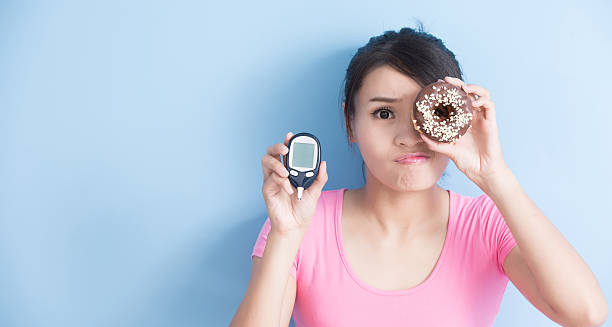
Woman holding glucose meter and donut, symbolising causes of diabetic retinopathy

Causes of Diabetic Retinopathy

Causes of Diabetic Retinopathy Causes of diabetic retinopathy centre on long-term exposure to elevated blood glucose levels, which gradually damage the blood vessels in the retina. Diabetic retinopathy does not occur overnight; it typically develops over time in individuals with uncontrolled or poorly managed diabetes. Understanding what causes the condition is key to prevention and early intervention. High Blood Sugar (Hyperglycaemia) Chronically high blood glucose damages the endothelium—the thin lining of blood vessels in the retina This weakens vessel walls, causing them to bulge (microaneurysms) and leak fluid or blood into retinal tissue The retinal cells become deprived of oxygen and nutrients, affecting their function and survival Formation of Abnormal Blood Vessels As retinal damage progresses, the body attempts to compensate by growing new blood vessels These new vessels, however, are fragile and prone to rupture The bleeding can cause scarring or lead to retinal detachment, both of which may result in blindness Contributing Risk Factors Duration of Diabetes: The longer a person has diabetes, the higher the risk of developing retinopathy Poor Blood Sugar Control: High HbA1c levels significantly increase risk High Blood Pressure: Adds strain on already compromised blood vessels High Cholesterol: Leads to fatty deposits in the blood vessels, reducing circulation Smoking: Restricts blood flow and accelerates vascular damage Pregnancy and Diabetes Women with diabetes who become pregnant, or those who develop gestational diabetes, are at heightened risk Hormonal changes during pregnancy can affect retinal blood vessels Close monitoring is essential throughout the pregnancy Additional Triggers & Causes of Diabetic Retinopathy Kidney disease and anaemia may exacerbate the effects of diabetic retinopathy Lack of regular eye screening and poor diabetes education can delay diagnosis In conclusion, causes of diabetic retinopathy are rooted in prolonged blood sugar elevation and related vascular strain. By identifying modifiable risk factors, individuals can take active steps to reduce their likelihood of developing this serious complication. [Next: Symptoms of Diabetic Retinopathy →]

Causes of Diabetic Retinopathy Read More »

Man squinting with eye chart in background, indicating symptoms of diabetic retinopathy

Symptoms of Diabetic Retinopathy

Symptoms of Diabetic Retinopathy Symptoms of diabetic retinopathy often go unnoticed in the early stages, making regular eye examinations crucial for people with diabetes. As diabetic retinopathy progresses, symptoms become more apparent and may significantly affect quality of life. Recognising these warning signs early allows for timely treatment and a better chance of preserving vision. Early-Stage Symptoms In the initial stages, there may be no noticeable symptoms. This silent progression is why many individuals are unaware they have the condition until significant damage has occurred. However, subtle changes can include: Slight blurring of vision Trouble seeing at night Mild difficulty focusing Progressive Symptoms As the condition worsens, symptoms become more pronounced: Floaters: Dark, shadowy shapes or specks that drift across the field of vision Blurry vision: May affect one or both eyes Fluctuating vision: Vision may improve or worsen throughout the day Impaired colour vision: Difficulty distinguishing certain colours or seeing colour vividly Dark or empty spots in the centre of vision Partial or total vision loss, especially during advanced stages Sudden Vision Changes Sudden vision loss or distortion may signal a retinal bleed or detachment. These are medical emergencies and require urgent intervention to save remaining vision. Signs During Pregnancy Pregnant women with diabetes may notice vision changes due to fluctuating hormones and blood sugar levels Close ophthalmological monitoring is recommended during and after pregnancy When to See an Eye Specialist | Symptoms of Diabetic Retinopathy If experiencing any new or unexplained vision problems Annual retinal screening is advised for all people with diabetes, even without symptoms More frequent monitoring may be required for those with known eye changes In summary, symptoms of diabetic retinopathy range from subtle to severe and can lead to irreversible damage if ignored. Regular screenings and swift attention to new symptoms are essential to managing this vision-threatening condition. [Next: Diagnosis of Diabetic Retinopathy →]

Symptoms of Diabetic Retinopathy Read More »

Man squinting with eye chart in background, indicating symptoms of diabetic retinopathy

Diagnosis of Diabetic Retinopathy

Diagnosis of Diabetic Retinopathy Diagnosis of diabetic retinopathy requires a thorough examination of the eyes to identify damage caused by prolonged high blood sugar levels. As diabetic retinopathy often develops gradually and without symptoms in its early stages, regular screening is vital for all individuals living with diabetes. Early detection can help prevent vision loss and guide timely treatment interventions. Routine Eye Examinations People with diabetes are advised to undergo: Annual dilated eye exams, which allow ophthalmologists or optometrists to inspect the retina and optic nerve in detail These exams are essential, even if vision seems unaffected, as damage can occur silently In some cases, exams may be required more frequently depending on individual risk or severity of existing eye disease Dilated Fundus Examination Special drops are used to widen the pupils, providing a clear view of the retina A slit-lamp microscope or ophthalmoscope allows the specialist to detect signs such as: Microaneurysms Haemorrhages Leaking blood vessels Retinal swelling (macular oedema) New vessel growth (neovascularisation) Optical Coherence Tomography (OCT) A non-invasive imaging test that provides cross-sectional views of the retina OCT detects fluid build-up, thickness, and swelling, particularly useful for diagnosing macular oedema Helps monitor disease progression and response to treatment Fluorescein Angiography Doctors inject a special dye into the arm, which then travels through the bloodstream to the eyes A camera takes rapid photographs of the retina, revealing blood flow patterns and pinpointing leaks or blockages Doctors typically use this test to assess severity or plan laser treatment Classification of Diabetic Retinopathy Doctors categorise the condition into stages: Mild Non-Proliferative Retinopathy – early signs like microaneurysms Moderate to Severe Non-Proliferative Retinopathy – increased blood vessel damage and bleeding Proliferative Diabetic Retinopathy – new abnormal blood vessels form, posing serious risk of vision loss Diabetic Macular Oedema (DMO) – swelling in the central retina, which can occur at any stage When to Screen | Diagnosis of Diabetic Retinopathy Type 1 Diabetes: Start screening 5 years after diagnosis Type 2 Diabetes: Screen at the time of diagnosis Pregnancy: Women with diabetes should have an eye exam before or during early pregnancy, then again later in pregnancy In summary, diagnosis of diabetic retinopathy involves a mix of detailed retinal assessments and imaging. Consistent screening ensures early intervention, preventing irreversible damage and maintaining eye health in people with diabetes. [Next: Treatment of Diabetic Retinopathy →]

Diagnosis of Diabetic Retinopathy Read More »

Scroll to Top