Mental Matters

Author name: admin

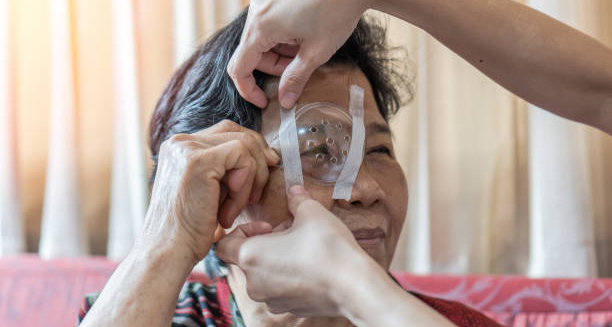
Elderly woman receiving eye protection after diabetic retinopathy treatment

Treatment of Diabetic Retinopathy

Treatment of Diabetic Retinopathy Treatment of diabetic retinopathy depends on the stage of the disease and the severity of retinal damage. While early stages may not require immediate intervention beyond monitoring and blood sugar control, more advanced forms of diabetic retinopathy often need medical or surgical treatment to preserve vision and prevent further complications. Early Stages (Non-Proliferative Retinopathy) No immediate treatment may be necessary Emphasis is placed on managing diabetes through: Blood sugar control (HbA1c below 7%) Blood pressure regulation Lipid management Lifestyle changes, such as quitting smoking, eating a balanced diet, and exercising regularly, play a vital role Diabetic Macular Oedema (DMO) If swelling occurs in the macula, treatment is required even in early disease stages: Anti-VEGF Injections: Medications like ranibizumab (Lucentis), aflibercept (Eylea), or bevacizumab (Avastin) Injected directly into the eye, reducing vessel leakage and improving vision Administered monthly at first, then less frequently based on response Steroid Injections or Implants: Used in patients who don’t respond to anti-VEGF or have contraindications Can raise intraocular pressure, so monitoring is essential Laser Treatment (Focal or Grid Photocoagulation) Targets leaking blood vessels Helps reduce macular swelling Minimises risk of further vision loss, though it does not restore lost vision Proliferative Diabetic Retinopathy (PDR) In advanced cases: Panretinal Photocoagulation (PRP): Destroys areas of the peripheral retina to reduce new blood vessel growth Helps prevent severe bleeding and retinal detachment Side effects may include reduced peripheral or night vision Vitrectomy Surgery: Required if there’s bleeding (vitreous haemorrhage) or retinal detachment Involves removing the vitreous gel and replacing it with a clear solution Allows access to the retina for further treatment Ongoing Monitoring | Treatment of Diabetic Retinopathy Post-treatment, patients need regular eye exams Long-term disease control helps stabilise or improve vision In summary, treatment of diabetic retinopathy ranges from observation and blood sugar control in early stages to eye injections, laser, or surgery in more advanced cases. Early treatment can preserve sight and prevent irreversible damage. [Next: Complications and Recovery from Diabetic Retinopathy →]
Treatment of Diabetic Retinopathy Read More »

Complications and Recovery from Diabetic Retinopathy

Complications and Recovery from Diabetic Retinopathy

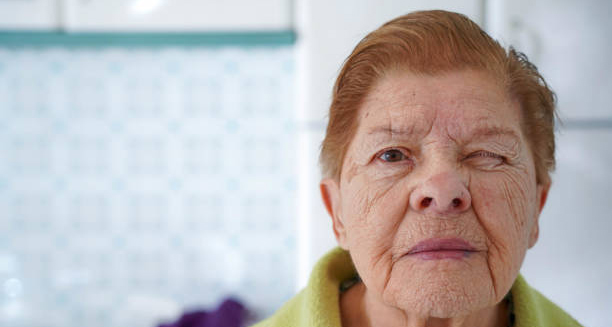
Complications and Recovery from Diabetic Retinopathy Complications and recovery from diabetic retinopathy are influenced by the disease stage at diagnosis, the effectiveness of treatment, and the person’s ability to manage their diabetes. If diabetic retinopathy is left untreated, it can lead to irreversible vision loss or blindness. However, with early intervention and lifestyle adjustments, many complications can be avoided or successfully treated. Possible Complications Vitreous Haemorrhage Bleeding into the vitreous gel due to ruptured abnormal blood vessels Symptoms include sudden vision loss, floaters, or clouded vision Blood may clear on its own, or surgery (vitrectomy) may be needed Retinal Detachment Scar tissue from new vessels pulls the retina away from the back of the eye Can cause a shadow or curtain effect in vision Requires urgent surgical intervention to prevent permanent loss Neovascular Glaucoma New blood vessels block fluid drainage, raising eye pressure Leads to optic nerve damage and additional vision loss Treated with laser therapy or surgery, though management can be difficult Blindness The most severe outcome Often preventable with regular monitoring and treatment Once vision is lost, it cannot be restored, highlighting the need for early detection Recovery and Prognosis With appropriate care, many people maintain good vision for life Treatments like anti-VEGF injections and laser can halt disease progression Even after surgery, further damage can be prevented with optimal diabetes management Vision may stabilise or even improve, depending on severity and response to treatment Self-Care and Prevention of Recurrence Maintain tight glycaemic control (HbA1c around 6.5–7%) Control blood pressure and cholesterol Attend all scheduled eye appointments, even if vision seems normal Avoid smoking and limit alcohol intake Monitor for new symptoms such as blurred vision or increased floaters Support for Vision Loss | Complications and Recovery from Diabetic Retinopathy If vision loss occurs, patients benefit from: Low-vision rehabilitation Assistive devices (e.g. magnifiers, screen readers) Emotional and psychological support In conclusion, complications and recovery from diabetic retinopathy depend on timely diagnosis, effective treatment, and ongoing diabetes control. With the right care, most people can protect their vision and enjoy a good quality of life. [Next: Back to Overview →]

Complications and Recovery from Diabetic Retinopathy Read More »

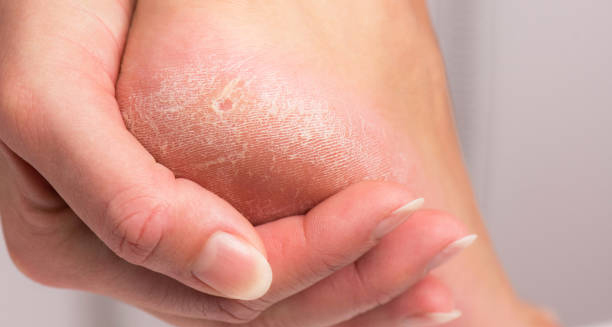
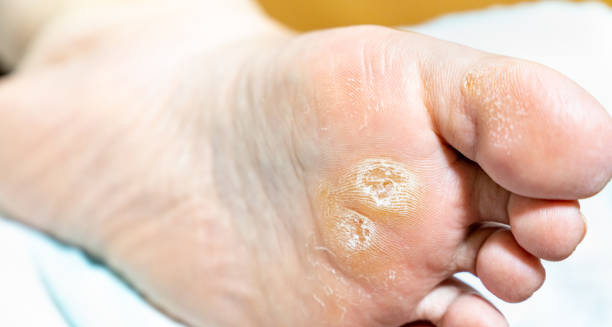
Close-up of calluses on the bottom of a foot

Calluses

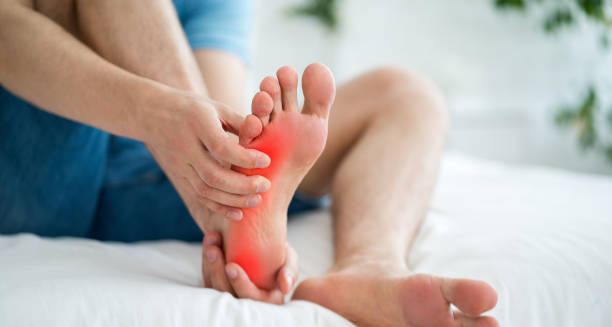
Calluses – Overview Calluses are areas of thickened, hardened skin that develop in response to repeated friction, pressure, or irritation. Commonly found on the feet, hands, or areas of the body subjected to frequent rubbing, calluses serve as a natural protective mechanism. While often painless and harmless, they can become uncomfortable or unsightly, particularly when they grow large or crack. Calluses develop when the outer layer of skin (epidermis) produces excess keratin, a protein that strengthens and thickens the skin. This process is triggered by continuous pressure or mechanical stress, such as walking in tight shoes, manual labour, or playing instruments. The result is a broad, flattened area of thick skin that may feel rough or waxy to the touch. Unlike corns, which are small, circular, and often painful, these are generally larger and less defined in shape. They tend to form on the soles of the feet, especially the heel or ball, and on the palms or fingers. Though not dangerous, large or untreated calluses can cause discomfort when walking or gripping objects. Calluses People who are physically active, wear ill-fitting shoes, or frequently use tools are more likely to develop these sores. Medical conditions such as bunions or gait abnormalities can also contribute to their formation. In summary, calluses are thickened patches of skin that develop as a response to ongoing pressure or friction. While usually benign, proper care is essential to avoid discomfort, cracking, or secondary issues. [Next: Causes of Calluses →]

Calluses Read More »

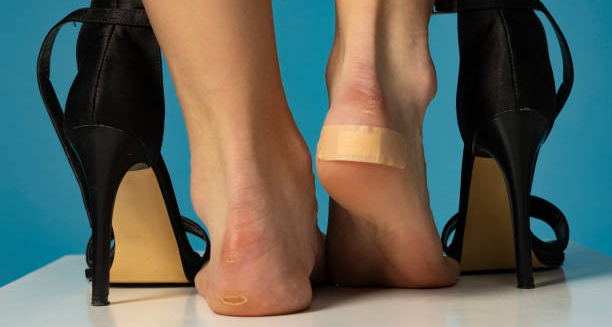
Woman's feet with calluses and plaster from high heels

Causes of Calluses

Causes of Calluses Causes of calluses revolve around repetitive friction, pressure, or irritation of the skin. When subjected to mechanical stress, the skin thickens and becomes tough as a defence mechanism. Over time, these hardened patches form into calluses, helping to shield underlying tissues from damage. While this response is protective, it may become problematic if the thickened skin continues to build or becomes painful. Footwear and Foot Mechanics Wearing tight or ill-fitting shoes is one of the leading causes of calluses. High heels, narrow toe boxes, or shoes without sufficient cushioning put excessive pressure on the balls of the feet, heels, and toes. Walking barefoot or in shoes with hard soles also increases the risk of callus formation. Foot abnormalities, such as bunions, flat feet, or high arches, alter weight distribution during walking, concentrating pressure on specific areas. This imbalance encourages callus development on pressure points, particularly on the soles. Physical Activity | Causes of Calluses Individuals who are physically active, especially those who run, hike, or stand for long periods, are more prone to developing calluses. Activities that repeatedly stress the feet or hands—such as climbing, rowing, or lifting weights—also create ideal conditions for callus formation. Manual work or repetitive hand use, such as gardening, carpentry, or playing string instruments, can cause calluses on the palms and fingers. The constant gripping and rubbing leads to hardened patches over time. Lack of Moisture or Skin Protection Dry skin is more susceptible to developing calluses. When the outer layer lacks moisture, it becomes more prone to thickening. Wearing shoes without socks, using poorly padded gloves, or skipping moisturiser can exacerbate this problem. Underlying Medical Conditions Health issues that alter gait, foot structure, or sensation—such as diabetes or arthritis—may increase callus formation. People with peripheral neuropathy may not feel the pressure or pain of developing calluses, allowing them to grow unchecked. In conclusion, causes of calluses include ill-fitting footwear, repetitive activity, dry skin, and anatomical issues. Identifying and addressing these causes is essential for both prevention and long-term management. [Next: Symptoms of Calluses →]

Causes of Calluses Read More »

Symptoms of Calluses

Symptoms of Calluses

Symptoms of Calluses Symptoms of calluses are usually straightforward, involving visible and tactile changes in the skin. These thickened areas are a protective response to repetitive pressure or friction. Although calluses are often painless, they can become uncomfortable, especially if they grow large or develop cracks. In some cases, they may interfere with normal activity, particularly when walking or using the hands. Visual Appearance Hardened, thickened skin: Calluses appear as rough, dry, and elevated patches that may be grey, yellow, or brown in colour. Broad and flat: Unlike corns, which are smaller and rounder, calluses are typically irregular in shape and more spread out. No defined centre: Calluses usually lack a central core and blend gradually into surrounding skin. Shiny or waxy surface: In some cases, the skin may look glossy due to constant rubbing. Physical Sensations Mild discomfort: While not usually painful, calluses may cause a dull ache when under pressure or during extended activity. Tenderness: If the callus becomes too thick or cracks, it may feel tender or even painful. Dryness and flaking: The affected skin may peel or appear scaly. Cracking: Severe calluses, especially on the heels, may crack open, leading to bleeding or infection. Common Locations | Symptoms of Calluses Feet: Balls of the feet, heels, sides of toes Hands: Palms, fingertips, and knuckles Other areas: Knees or elbows in individuals who crawl or rest on hard surfaces frequently Potential Complications If not treated properly, calluses can: Crack deeply, causing pain and infection Harbour hidden injuries, especially in those with reduced sensation (e.g. people with diabetes) Affect mobility or grip strength, depending on the location In summary, symptoms of calluses include hard, dry skin that may cause discomfort or tenderness. Although usually harmless, worsening symptoms should be addressed to avoid complications and maintain comfort. [Next: Diagnosis of Calluses →]

Symptoms of Calluses Read More »

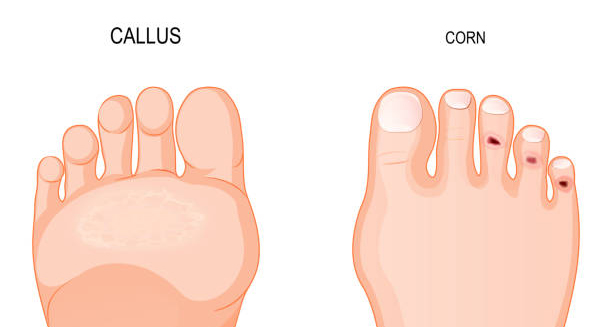
Medical illustration comparing callus and corn on the feet

Diagnosis of Calluses

Diagnosis of Calluses Diagnosis of calluses is typically straightforward and based on clinical evaluation. A healthcare provider can usually identify calluses through visual inspection and a brief discussion of the patient’s lifestyle, footwear, and physical habits. Since calluses are a natural response to mechanical stress, the focus of diagnosis is to confirm their presence and rule out other skin conditions that may appear similar. Medical History The doctor will ask questions such as: When did the thickened skin first appear? Does it cause pain, discomfort, or limit activity? What kind of shoes are worn regularly? Are there repetitive tasks or sports involved? Is there a history of diabetes or circulatory issues? Understanding the patient’s routine helps identify contributing factors like pressure points, foot abnormalities, or occupational hazards. Physical Examination During examination, the clinician will assess: Location and size of the thickened area Skin colour and texture Depth and symmetry of the lesion Presence of cracks, inflammation, or infection Signs of underlying bone deformities, bunions, or structural misalignment Calluses are usually flat, painless, and found over bony prominences subjected to friction or weight-bearing. Differential Diagnosis of Calluses It is important to differentiate calluses from: Corns: Smaller, more localised, often with a painful central core Plantar warts: Caused by HPV, often with black pinpoint dots and pain when pinched from the sides Fungal infections: Scaling and redness may mimic dry callused skin Eczema or psoriasis: May cause thickened skin but are typically itchy and inflamed In rare cases, imaging such as an X-ray may be ordered if a bone abnormality is suspected to be contributing to recurrent or severe callus formation. Diabetic Foot Assessment People with diabetes require more thorough foot evaluations. A doctor may conduct: Monofilament testing to check for neuropathy Circulatory checks to assess blood flow Regular foot screenings to monitor changes In summary, diagnosis of calluses is based on physical appearance and understanding the pressures placed on the affected area. Proper evaluation ensures that the callus is not mistaken for another condition and guides the best course of management. [Next: Treatment of Calluses →]

Diagnosis of Calluses Read More »

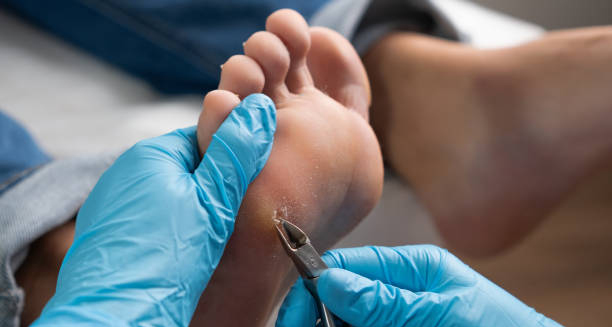
Podiatrist removing callus from foot using a scalpel

Treatment of Calluses

Treatment of Calluses Treatment of calluses focuses on relieving pressure, removing the thickened skin, and preventing recurrence. While most calluses can be managed at home, persistent or painful ones may require professional intervention. The choice of treatment depends on the cause, size, and severity of the callus, as well as the patient’s overall health and lifestyle. Self-Care Approaches For mild or moderate calluses, at-home care may be sufficient: Soaking the affected area in warm, soapy water for 10–15 minutes softens the skin and prepares it for gentle exfoliation. Using a pumice stone or foot file after soaking helps remove excess dead skin. It’s important to avoid over-scrubbing, which may lead to soreness or infection. Applying a moisturiser, especially those containing urea or salicylic acid, keeps skin soft and reduces thickening. Wearing cushioned or properly fitted shoes helps relieve pressure on vulnerable areas. Using gel pads or insoles to redistribute weight and cushion impact. Over-the-Counter Products Creams or patches containing salicylic acid can help dissolve hardened skin. Doctors must use these carefully, especially in people with diabetes or thin skin, to avoid irritation or damage. Professional Treatment of Calluses Podiatrists and dermatologists offer: Debridement: Safe removal of the thickened skin using sterile instruments Orthotics: Custom-made shoe inserts to address biomechanical issues like flat feet or bunions Footwear advice: Recommendations for shoes with better arch support or cushioning Antibiotics: If the callus cracks and becomes infected, doctors may prescribe topical or oral antibiotics Surgical Options In rare cases where foot deformities cause the problem, surgeons may perform minor corrective surgery to realign the foot and reduce callus recurrence. In conclusion, treatment of calluses should address both the symptoms and their underlying causes. Regular care, proper footwear, and medical evaluation help manage discomfort and prevent future build-up of hardened skin. [Next: Complications and Recovery from Calluses →]

Treatment of Calluses Read More »

Complications and Recovery from Calluses

Complications and Recovery from Calluses

Complications and Recovery from Calluses Complications and recovery from calluses vary depending on how early they are treated and whether the underlying causes are addressed. While calluses are generally harmless, they can lead to painful or even dangerous outcomes if ignored—especially in individuals with diabetes or compromised circulation. Common Complications Cracked skin (fissures): Deep cracks in the callused area can become painful and lead to infection if left untreated. Ulcer formation: Prolonged pressure may cause sores to develop beneath the callus, especially in people with neuropathy who do not feel pain or pressure. Reduced mobility: Calluses on weight-bearing areas such as the heels or balls of the feet may cause pain during walking, limiting physical activity. Infection: If bacteria enter through cracks, redness, swelling, and pus may develop, requiring antibiotics. Misdiagnosis: Without professional input, a callus could be confused with a wart, cyst, or more serious skin condition. Who Is Most at Risk? People with diabetes, due to reduced circulation and nerve function Those with foot deformities or poor biomechanics Individuals who are overweight, increasing pressure on the feet People involved in manual labour or athletics, where friction is continuous Recovery Timeline | Complications and Recovery from Calluses Mild cases: Usually resolve within one to two weeks with proper care and pressure relief Moderate to severe cases: May take several weeks, especially if the callus is thick, cracked, or infected Post-surgical or orthotic correction: Healing may be more permanent once the underlying cause is resolved Long-Term Prevention Wear properly fitted, cushioned footwear Use insoles or orthotics if needed Moisturise feet daily to keep skin supple Inspect feet regularly, especially if diabetic Avoid walking barefoot, especially on hard surfaces In summary, complications and recovery from calluses depend on severity and timeliness of care. With proper management and lifestyle changes, most individuals can prevent future issues and enjoy pain-free movement. [Next: Back to Overview →]

Complications and Recovery from Calluses Read More »

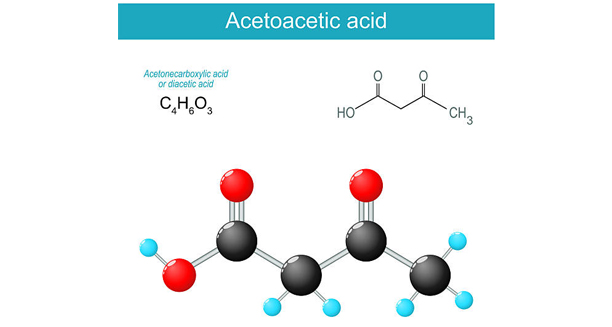
Blood sample labelled diabetic ketoacidosis held by gloved hand

Diabetic Ketoacidosis

Diabetic Ketoacidosis – Overview Diabetic ketoacidosis is a serious and potentially life-threatening complication of diabetes that requires urgent medical attention. It occurs when the body starts breaking down fat too quickly due to a lack of insulin, leading to the build-up of toxic acids known as ketones in the bloodstream. This condition primarily affects people with type 1 diabetes, but it can also develop in individuals with type 2 diabetes, particularly during periods of illness or physical stress. Under normal circumstances, insulin allows glucose to enter cells and provide energy. In the absence of sufficient insulin, the body cannot use glucose properly and begins to break down fat as an alternative energy source. This process releases ketones, which make the blood acidic when present in high levels. If not treated promptly, diabetic ketoacidosis can result in severe dehydration, coma, and even death. This condition develops rapidly, sometimes within 24 hours, and may be the first sign of undiagnosed diabetes in some individuals. It often requires hospitalisation for intravenous fluids, insulin therapy, and close monitoring of electrolytes and vital signs. The longer the treatment is delayed, the greater the risk of complications, including brain swelling and kidney failure. Diabetic Ketoacidosis Diabetic ketoacidosis is preventable with good blood sugar control and regular self-monitoring. People living with diabetes should be aware of the signs and triggers, especially during illness, and have a clear action plan in place. Education, early intervention, and access to medical care significantly improve outcomes. In summary, diabetic ketoacidosis is a dangerous metabolic emergency associated with uncontrolled diabetes. Recognising early warning signs and initiating prompt treatment can be lifesaving and reduce long-term damage. [Next: Causes of Diabetic Ketoacidosis →]

Diabetic Ketoacidosis Read More »

Blood sample labelled diabetic ketoacidosis held by gloved hand

Causes of Diabetic Ketoacidosis

Causes of Diabetic Ketoacidosis Causes of diabetic ketoacidosis revolve around a critical shortage of insulin in the body, leading to dangerous metabolic changes. While most commonly linked to type 1 diabetes, diabetic ketoacidosis can also develop in people with type 2 diabetes under certain conditions. Understanding these causes helps prevent the condition and supports faster diagnosis when symptoms arise. Missed Insulin Doses One of the most frequent causes is skipping or forgetting insulin injections This may be due to financial barriers, travel, misunderstanding dosage instructions, or psychological factors such as fear of hypoglycaemia Even short periods without insulin can trigger ketone production and acidosis Illness or Infection Physical stress from illnesses like flu, pneumonia, or urinary tract infections increases the body’s insulin demands At the same time, illness may suppress appetite, leading to reduced food intake and blood sugar fluctuations Vomiting or diarrhoea can also dehydrate the body, accelerating the onset of diabetic ketoacidosis Uncontrolled Blood Glucose Persistently high blood sugar due to poor diabetes management raises the risk This includes poor dietary habits, sedentary lifestyle, or inadequate glucose monitoring High glucose levels without corresponding insulin doses result in excessive fat breakdown New Diagnosis of Diabetes In some cases, diabetic ketoacidosis is the first indication that a person has diabetes This is particularly true in children and young adults who have not yet been diagnosed Other Medical Triggers & Causes of Diabetic Ketoacidosis Heart attacks, strokes, or pancreatitis can precipitate diabetic ketoacidosis by stressing the body Certain medications, including corticosteroids and diuretics, may worsen insulin resistance Emotional stress or trauma can also cause hormonal changes that contribute to DKA Drug and Alcohol Use Recreational drugs such as cocaine or excess alcohol consumption can trigger DKA Alcohol can suppress appetite and impair judgement, leading to missed insulin doses In conclusion, causes of diabetic ketoacidosis are multifaceted but usually linked to missed insulin, illness, or stress. Preventive strategies focus on education, close glucose monitoring, and prompt management of infections or other health issues. [Next: Symptoms of Diabetic Ketoacidosis →]

Causes of Diabetic Ketoacidosis Read More »

Scroll to Top