Mental Matters

Author name: admin

Doctor checking blood sugar of pregnant woman

Diabetes in Pregnancy

Diabetes in Pregnancy – Overview The condition Diabetes in pregnancy refers to high blood sugar levels that occur during pregnancy. Either as pre-existing diabetes or as gestational diabetes that develops in the second or third trimester. This can pose health risks to both mother and baby if not managed properly, making early detection and careful treatment essential for a healthy outcome. There are three types of diabetes relevant to pregnancy: Type 1: An autoimmune condition diagnosed before pregnancy, requiring insulin. Type 2 diabetes: A chronic condition often linked to insulin resistance. Which may or may not have been diagnosed before conception. Gestational diabetes: A form of this condition that appears during pregnancy and usually resolves after birth. Hormonal changes during pregnancy can reduce insulin sensitivity, leading to a rise in blood glucose levels. Women with risk factors such as obesity, a family history of diabetes. Or previous gestational cases are more likely to develop this during pregnancy. Although the condition is common, affecting up to 18% of pregnancies globally, it requires close monitoring to prevent complications. This increases the risk of pre-eclampsia, premature birth, and delivery complications. For babies, it can result in excessive birth weight, low blood sugar after birth, and a greater chance of developing Type 2 diabetes later in life. With a coordinated care plan involving dietary adjustments, physical activity, and sometimes medication, most women can manage the condition effectively. Diabetes in Pregnancy In summary, diabetes in pregnancy is a manageable yet potentially serious condition. A structured approach that includes education, regular monitoring, and collaborative care ensures the best outcomes for mother and baby. [Next: Causes of Diabetes in Pregnancy →]
Diabetes in Pregnancy Read More »

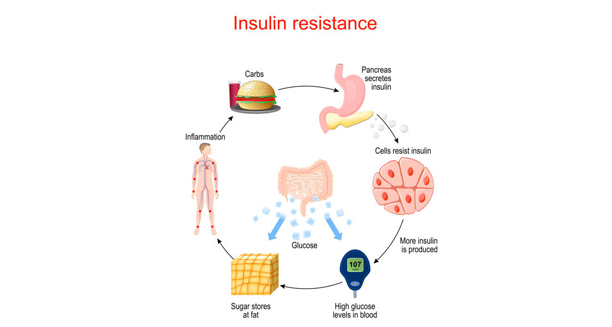
Cycle of insulin resistance and glucose build-up

Causes of Diabetes in Pregnancy

Causes of Diabetes in Pregnancy Causes of diabetes in pregnancy vary depending on whether the condition was pre-existing or developed during pregnancy. However, the primary driver behind diabetes in pregnancy—particularly gestational diabetes—is the hormonal changes that occur as pregnancy progresses. These hormonal shifts affect how the body produces and uses insulin, the hormone responsible for regulating blood glucose levels. Hormonal Changes and Insulin Resistance During pregnancy, the placenta produces hormones such as: Human placental lactogen Cortisol Oestrogen Progesterone These hormones interfere with the body’s ability to use insulin effectively, causing insulin resistance. As a result, the pancreas must work harder to produce sufficient insulin. In some women, the pancreas cannot keep up, leading to elevated blood glucose levels. Risk Factors for Gestational Diabetes Several factors increase the likelihood of developing gestational diabetes: Obesity or high body mass index (BMI) before pregnancy Family history of Type 2 diabetes Age over 25, particularly over 35 Previous pregnancy with gestational diabetes Polycystic ovary syndrome (PCOS) Previous delivery of a large baby (over 4.5 kg) Ethnic background, with higher rates among South Asian, African, and Middle Eastern populations Type 1 and Type 2 Diabetes in Pregnancy For women with pre-existing Type 1 or Type 2 diabetes, the underlying cause remains: Type 1 diabetes results from an autoimmune reaction that destroys insulin-producing cells. Type 2 diabetes is driven by long-term insulin resistance and impaired insulin production. Pregnancy can exacerbate these forms of diabetes, increasing the risk of complications if not tightly controlled. Genetic and Lifestyle Influences A sedentary lifestyle and poor diet can contribute to the development of insulin resistance during pregnancy. Genetics play a significant role, especially in women with a strong family history of metabolic disorders. Temporary but Significant Causes of Diabetes in Pregnancy Although gestational diabetes usually disappears after delivery, it indicates a higher lifetime risk of Type 2 diabetes. This highlights the need for postpartum monitoring and long-term lifestyle adjustments. In conclusion, causes of diabetes in pregnancy are multifactorial and often influenced by hormonal, genetic, and lifestyle elements. Recognising these factors enables early screening and proactive management, reducing risks for both mother and baby. [Next: Symptoms of Diabetes in Pregnancy →]

Causes of Diabetes in Pregnancy Read More »

Pregnant woman holding her belly and drinking a glass of water, possibly experiencing symptoms of diabetes in pregnancy

Symptoms of Diabetes in Pregnancy

Symptoms of Diabetes in Pregnancy Symptoms of diabetes in pregnancy can be subtle or entirely absent, particularly in the early stages. Most cases of diabetes in pregnancy—especially gestational diabetes—are discovered during routine screening rather than through noticeable symptoms. Nonetheless, recognising the warning signs is important for prompt diagnosis and care. Common Symptoms While some overlap with general pregnancy symptoms, others are more specific to high blood sugar levels: Increased thirst (polydipsia): Persistent and excessive thirst despite drinking fluids Frequent urination (polyuria): More than the typical pregnancy-related increase Fatigue: Beyond normal pregnancy tiredness, often linked to unstable blood glucose Blurred vision: Temporary vision changes caused by fluctuating blood sugar Dry mouth and dehydration Increased hunger (polyphagia) Symptoms in Pre-Existing Diabetes Women who already have Type 1 or Type 2 diabetes may notice: High blood sugar levels despite usual treatment Unexplained weight loss Frequent infections, such as urinary tract or vaginal infections Signs in Severe Cases In rare cases, particularly when blood glucose is uncontrolled: Nausea and vomiting Breath smelling fruity Abdominal pain as Symptoms of Diabetes in Pregnancy These symptoms could indicate diabetic ketoacidosis (DKA), a serious medical emergency more common in Type 1 diabetes. Asymptomatic Cases Up to 90% of gestational diabetes cases may show no clear symptoms Regular antenatal care is essential for screening and monitoring Gestational diabetes is usually detected through a glucose tolerance test between 24–28 weeks Impact on the Baby Unmanaged blood sugar can affect foetal health, potentially causing: Excessive growth (macrosomia) Premature delivery Stillbirth in extreme cases Importance of Monitoring Early intervention prevents complications Tracking symptoms and reporting concerns helps detect emerging issues In summary, symptoms of diabetes in pregnancy may be vague or entirely absent, making screening and awareness critical. Recognising potential warning signs supports early diagnosis and ensures safer pregnancies for both mother and child. [Next: Diagnosis of Diabetes in Pregnancy →]

Symptoms of Diabetes in Pregnancy Read More »

Pregnant woman checking blood sugar with a glucose meter, representing the diagnosis of diabetes in pregnancy

Diagnosis of Diabetes in Pregnancy

Diagnosis of Diabetes in Pregnancy Diagnosis of diabetes in pregnancy is essential to ensure the health of both mother and baby. Early identification of diabetes in pregnancy allows for timely interventions that reduce the risk of complications such as high birth weight, premature birth, and birth trauma. Screening is especially important because gestational diabetes often develops without obvious symptoms. Routine Screening All pregnant women are typically screened between 24 and 28 weeks of gestation, although those with risk factors may be tested earlier. These risk factors include: Being overweight or obese Family history of Type 2 diabetes Previous gestational diabetes Polycystic ovary syndrome (PCOS) Advanced maternal age (over 35) Having previously delivered a baby over 4 kg Oral Glucose Tolerance Test (OGTT) The most common method for diagnosing diabetes in pregnancy is the OGTT: The test begins with a fasting blood sugar check after an overnight fast The woman then drinks a sugary solution Blood sugar levels are measured at 1 and 2 hours after consumption Gestational diabetes is typically diagnosed if: Fasting glucose is ≥ 5.1 mmol/L 1-hour reading is ≥ 10.0 mmol/L 2-hour reading is ≥ 8.5 mmol/L Only one elevated reading is needed to confirm the diagnosis. Alternative Testing In some regions, a glucose challenge test (GCT) is used as a preliminary screening. If results are abnormal, it is followed by an OGTT for confirmation. Monitoring After Diagnosis of Diabetes in Pregnancy If diabetes in pregnancy is diagnosed: Blood sugar levels must be regularly monitored, usually with a home glucometer Readings are typically taken fasting and after meals HbA1c is not routinely used during pregnancy as it does not reflect rapid changes in glucose levels Additional Tests Ultrasound scans help monitor foetal growth and check for excessive amniotic fluid Urine tests detect ketones or protein, which can indicate poor control or pre-eclampsia Importance of Early Diagnosis Enables dietary adjustments and glucose monitoring before complications arise Reduces the risk of miscarriage, stillbirth, and neonatal hypoglycaemia Supports planning for safe delivery and postnatal follow-up In conclusion, diagnosis of diabetes in pregnancy is a critical step in protecting maternal and foetal health. Universal screening and consistent monitoring help ensure better outcomes for both mother and child. [Next: Treatment of Diabetes in Pregnancy →]

Diagnosis of Diabetes in Pregnancy Read More »

Pregnant woman holding apple with fresh vegetables on table

Treatment of Diabetes in Pregnancy

Treatment of Diabetes in Pregnancy Treatment of diabetes in pregnancy focuses on keeping blood sugar levels within a healthy range to avoid complications for both mother and baby. Managing diabetes in pregnancy requires a tailored approach that balances nutrition, physical activity, and medication when necessary. Prompt and consistent treatment minimises the risk of pre-eclampsia, premature delivery, and delivery complications. Dietary Management The first line of treatment is usually medical nutrition therapy: Meals are planned to include complex carbohydrates, lean proteins, and healthy fats Simple sugars and highly processed foods are avoided Meals are spread across three smaller meals and two to three snacks per day to maintain steady glucose levels Carbohydrate counting or portion control tools may be used Consultation with a registered dietitian is often recommended to develop a personalised meal plan. Exercise and Lifestyle Regular light-to-moderate exercise, such as walking or prenatal yoga, improves insulin sensitivity Activity after meals helps lower postprandial glucose levels Adequate hydration and sleep also support blood sugar regulation Blood Glucose Monitoring Daily monitoring is essential: Fasting levels should ideally be ≤ 5.3 mmol/L One-hour post-meal levels should be ≤ 7.8 mmol/L If lifestyle changes alone do not maintain these targets, medication may be introduced. Medication during Treatment of Diabetes in Pregnancy Insulin injections are the most common medication used, as they do not cross the placenta Oral medications like metformin may be considered, though they are used cautiously in pregnancy Dosages are frequently adjusted throughout pregnancy due to hormonal changes. Monitoring the Baby Growth scans may be scheduled every 2–4 weeks to monitor for macrosomia (large baby) Amniotic fluid levels and placental health are also assessed Cardiotocography (CTG) may be used in later pregnancy to check foetal heart rate Delivery Planning Women with well-controlled diabetes may carry to full term Induction may be recommended around 38–40 weeks Caesarean delivery may be advised if the baby is large or other risks are present In summary, treatment of diabetes in pregnancy relies on a structured and individualised care plan. With close monitoring and proactive care, most women deliver healthy babies and return to normal glucose levels postnatally. [Next: Complications and Recovery from Diabetes in Pregnancy →]

Treatment of Diabetes in Pregnancy Read More »

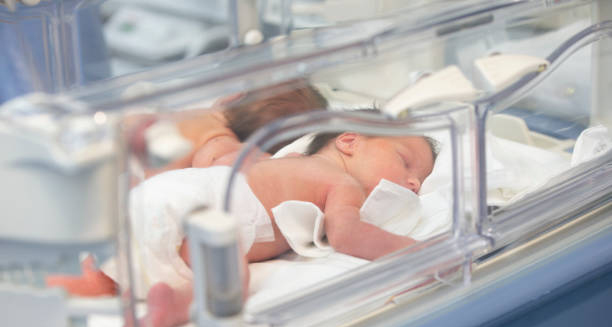
Newborn twins in neonatal incubator care unit

Complications and Recovery from Diabetes in Pregnancy

Complications and Recovery from Diabetes in Pregnancy Complications and recovery from diabetes in pregnancy depend largely on how well blood glucose levels are controlled throughout gestation. While most women with diabetes in pregnancy have healthy outcomes, the condition can lead to maternal and neonatal complications if left unmanaged. Understanding both the risks and recovery pathways helps prepare families for what lies ahead. Potential Complications for the Baby Macrosomia (Large Baby) Excess glucose crosses the placenta, causing foetal overgrowth Increases risk of shoulder dystocia during delivery Neonatal Hypoglycaemia Babies may produce extra insulin, resulting in low blood sugar after birth Requires close monitoring and early feeding after delivery Premature Birth Poor glucose control can lead to early delivery, with associated risks like respiratory distress syndrome Jaundice Higher bilirubin levels are more common in babies of diabetic mothers Stillbirth Although rare with good management, uncontrolled blood sugar significantly increases the risk Complications for the Mother Pre-eclampsia High blood pressure and protein in the urine may develop, requiring early delivery Increased Caesarean Risk Large babies or poorly controlled diabetes often necessitate surgical delivery Urinary Tract Infections (UTIs) More common in women with gestational diabetes Polyhydramnios Excess amniotic fluid, increasing the chance of preterm labour or placental complications Postnatal Recovery | Complications and Recovery from Diabetes in Pregnancy In most cases of gestational diabetes, blood sugar levels return to normal within 6–12 weeks A follow-up OGTT is recommended 6–13 weeks postpartum to confirm resolution Annual screening is advised as women remain at high risk of developing Type 2 diabetes later in life Long-Term Outlook for the Baby Children born to mothers with gestational diabetes may have a higher risk of obesity or Type 2 diabetes later in life Healthy feeding and an active lifestyle reduce this risk Emotional and Psychological Recovery Managing diabetes during pregnancy can be stressful Support from healthcare teams, partners, and support groups helps alleviate anxiety Addressing postpartum depression is also important, especially in high-risk pregnancies In conclusion, complications and recovery from diabetes in pregnancy highlight the importance of consistent prenatal care and postnatal follow-up. With proper management, most complications can be prevented, leading to positive outcomes for both mother and baby. [Next: Back to Overview →]

Complications and Recovery from Diabetes in Pregnancy Read More »

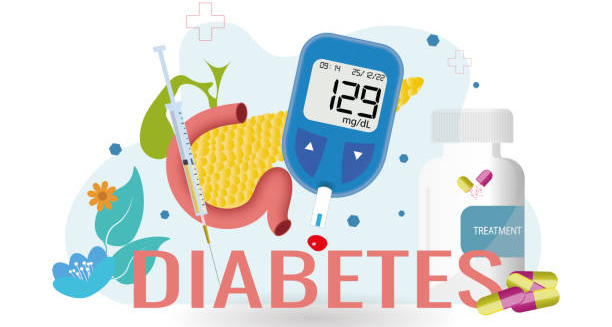
Diabetes management concept with glucose meter and medication

Diabetes

Diabetes – Overview Diabetes is a chronic condition that affects how the body processes blood sugar (glucose), the primary source of energy for our cells. In people with this disease, the body either does not produce enough insulin or cannot use insulin effectively. Insulin is a hormone produced by the pancreas that allows glucose to enter cells. Without it, glucose builds up in the bloodstream, leading to high blood sugar levels. There are several types, with the two most common being Type 1 and Type 2. Type 1 is an autoimmune condition where the immune system attacks insulin-producing cells in the pancreas. Usually diagnosed in childhood or adolescence. Type 2 develops over time due to insulin resistance and is often linked to lifestyle factors like obesity, inactivity, and poor diet. Another type, gestational diabetes, occurs during pregnancy and typically resolves after birth. However, increases the risk of developing Type 2 later. There are also rarer forms, such as MODY (maturity onset diabetes of the young) and LADA (latent autoimmune diabetes in adults). Diabetes This affects more than 460 million people worldwide and is a leading cause of heart disease, stroke, kidney failure, and blindness. Despite its prevalence, many people are unaware they have the condition until complications arise. Early diagnosis, effective treatment, and lifestyle changes can help manage the condition and prevent long-term damage. In summary, this is a serious yet manageable condition that requires continuous monitoring and proactive care. With the right knowledge and support, individuals living with diabetes can lead healthy, active lives. [Next: Causes of Diabetes →]

Diabetes Read More »

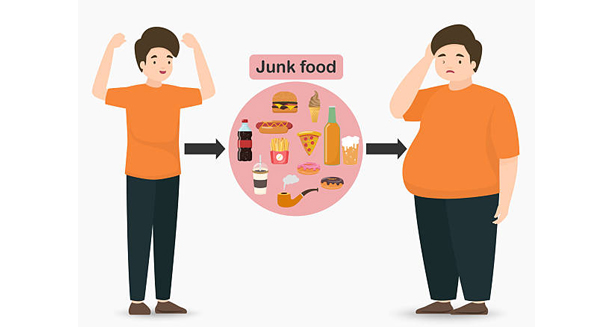
Junk food leading to obesity and diabetes

Causes of Diabetes

Causes of Diabetes Causes of diabetes differ depending on the type of condition. While diabetes is broadly characterised by high blood sugar levels due to insulin issues, the underlying causes involve genetic, environmental, and lifestyle factors. Understanding these causes is essential for prevention, early diagnosis, and effective management. Type 1 Diabetes An autoimmune reaction causes the body’s immune system to attack the insulin-producing beta cells in the pancreas This results in little to no insulin production The exact cause is unclear, but genetics and viral infections may play a role Typically appears in childhood or adolescence, but can develop in adults (LADA) Type 2 Diabetes Caused by insulin resistance, where the body’s cells do not respond effectively to insulin The pancreas initially compensates by producing more insulin, but over time it can’t keep up Strongly associated with: Obesity Physical inactivity Unhealthy diet Family history of diabetes Ageing and ethnic background (higher prevalence in African, South Asian, and Caribbean populations) Gestational Diabetes Occurs during pregnancy when hormones interfere with insulin function Most common in women with a family history of diabetes, overweight individuals, or those over 25 Usually temporary but increases future risk of Type 2 diabetes Other Causes of Diabetes Pancreatic diseases, such as pancreatitis or pancreatic cancer, can impair insulin production Certain medications, including steroids, antipsychotics, and immunosuppressants, can cause secondary diabetes Hormonal disorders, such as Cushing’s syndrome, can also contribute Risk Factors Across All Types Genetic predisposition plays a significant role Environmental triggers, such as viral infections or stress, may initiate autoimmune processes Modifiable factors—diet, weight, and exercise—are especially relevant in Type 2 In conclusion, causes of diabetes range from genetic and autoimmune to lifestyle-related and environmental. While some risk factors are unavoidable, many cases—particularly Type 2—can be prevented or delayed through healthier habits. [Next: Symptoms of Diabetes →]

Causes of Diabetes Read More »

Overweight man discussing symptoms with a healthcare professional

Symptoms of Diabetes

Symptoms of Diabetes Symptoms of diabetes often develop gradually, particularly in Type 2 cases, making early detection difficult. However, recognising the early signs of diabetes is critical for timely diagnosis and treatment. Without intervention, high blood sugar levels can damage vital organs and lead to serious complications. Common Symptoms Frequent urination (polyuria): Excess glucose in the blood draws water from tissues, increasing urine production Excessive thirst (polydipsia): Resulting from frequent urination and dehydration Extreme fatigue: Lack of glucose entering cells leads to energy depletion Unexplained weight loss: More common in Type 1 diabetes due to the body burning fat and muscle for fuel Increased hunger (polyphagia): Glucose doesn’t reach cells, triggering the body to signal more food intake Other Notable Symptoms Blurred vision: High blood sugar alters fluid levels in the eye Slow-healing wounds or frequent infections: High glucose impairs immune response and tissue repair Tingling, numbness, or pain in the hands and feet (neuropathy): Especially in longstanding or poorly controlled diabetes Darkened skin around the neck or armpits (acanthosis nigricans): Often associated with insulin resistance Symptoms of Diabetes in Type 1 vs Type 2 Type 1 symptoms appear suddenly and are more severe, often within weeks Type 2 symptoms develop gradually and may go unnoticed for years In both types, symptoms worsen over time if left untreated Symptoms of Gestational Diabetes Often asymptomatic and detected during routine pregnancy screening Some women may experience increased thirst or more frequent urination When to See a Doctor If experiencing multiple symptoms, especially thirst, fatigue, or vision changes Routine screening is advised for those over 45 or with risk factors In summary, symptoms of diabetes are warning signs that something is wrong with how the body handles glucose. Early recognition allows for faster intervention, reducing the risk of complications and improving long-term health. [Next: Diagnosis of Diabetes →]

Symptoms of Diabetes Read More »

Nurse discussing diabetes diagnosis with patient

Diagnosis of Diabetes

Diagnosis of Diabetes Diagnosis of diabetes involves blood tests that measure glucose levels and evaluate how the body processes sugar. Timely and accurate diagnosis of diabetes is essential to avoid long-term complications, particularly since many people may be living with the condition unknowingly. Early detection allows for better disease management and prevention of serious health problems. Key Diagnostic Tests Fasting Blood Glucose Test Measures blood sugar after an 8-hour fast A reading of 7.0 mmol/L or higher indicates diabetes 5.6–6.9 mmol/L is considered prediabetes (impaired fasting glucose) HbA1c Test (Glycated Haemoglobin) Reflects average blood glucose over the past 2–3 months A result of 6.5% (48 mmol/mol) or above suggests diabetes 5.7–6.4% (39–46 mmol/mol) may indicate prediabetes Random Blood Glucose Test Taken at any time, regardless of last meal A result of 11.1 mmol/L or more, especially with symptoms, confirms diagnosis Oral Glucose Tolerance Test (OGTT) Involves drinking a sugary solution and testing glucose levels two hours later A reading of 11.1 mmol/L or higher confirms diabetes Diagnosis of Different Types Type 1 Diabetes: Often diagnosed in hospital settings after sudden onset; blood tests may include autoantibodies and C-peptide levels to assess insulin production Type 2 Diabetes: Usually detected during routine health screenings or after symptom reporting Gestational Diabetes: Diagnosed between weeks 24–28 of pregnancy using an OGTT Monitoring After Diagnosis of Diabetes Once diagnosed, regular testing becomes part of diabetes management: Daily glucose checks for insulin users Quarterly HbA1c tests Annual screenings for cholesterol, kidney function, and eye health Importance of Early Detection Prevents complications like retinopathy, neuropathy, and cardiovascular disease Encourages early adoption of lifestyle changes Reduces healthcare costs and improves life expectancy Screening Recommendations Adults over 45, or younger individuals with risk factors such as obesity, family history, or high blood pressure, should undergo regular screening In conclusion, diagnosis of diabetes relies on blood testing and symptom analysis. Early detection empowers individuals to take control of their health, reduce risks, and live well with the condition. [Next: Treatment of Diabetes →]

Diagnosis of Diabetes Read More »

Scroll to Top