Mental Matters

Author name: admin

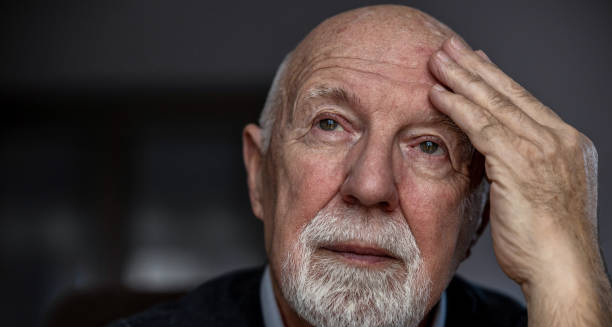
Elderly man holding his head, appearing confused or distressed

Symptoms of Dementia

Symptoms of Dementia Symptoms of dementia can be subtle at first, but they typically worsen over time, affecting various aspects of thinking, memory, language, and behaviour. The early signs of dementia may be mistaken for normal ageing, but as the condition progresses, the impact becomes more noticeable and disruptive. Cognitive Symptoms Memory loss, particularly short-term memory, is often one of the first signs Difficulty recalling recent events, names, or conversations Challenges in planning, organising, or making decisions Trouble understanding time or directions Repetition of questions or stories due to forgetfulness Communication and Language Difficulties Difficulty finding the right words or following conversations Trouble reading or writing Slower response times in verbal exchanges Misunderstanding jokes or figurative language Behavioural and Psychological Changes Mood swings, depression, or anxiety Apathy or loss of interest in hobbies Increased irritability or aggression Inappropriate behaviour in social situations Wandering, especially at night Physical and Motor Symptoms | Symptoms of Dementia While dementia primarily affects mental function, it can also lead to: Loss of coordination or balance Incontinence in later stages Difficulty swallowing or speaking clearly Symptoms by Stage Early-stage dementia may involve mild forgetfulness and confusion Middle-stage presents with increased memory loss, mood changes, and assistance with daily tasks Late-stage dementia often includes severe memory impairment, physical disability, and dependence on full-time care Symptoms in Younger People | Symptoms of Dementia Younger individuals with dementia (under 65) may experience: Unusual behavioural changes Personality shifts Job-related difficulties Depression or isolation due to delayed diagnosis In summary, symptoms of dementia span cognitive, emotional, and physical domains. Recognising these signs early allows for diagnosis and intervention, which can greatly enhance the person’s ability to function and maintain independence. [Next: Diagnosis of Dementia →]

Symptoms of Dementia Read More »

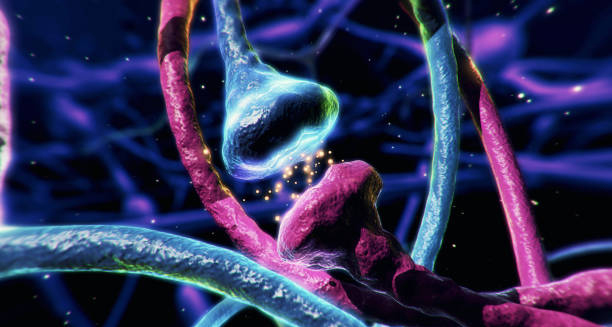
3D illustration of synaptic communication in the brain

Diagnosis of Dementia

Diagnosis of Dementia Diagnosis of dementia requires a detailed evaluation of a person’s mental function, medical history, and physical condition. Because dementia involves a broad range of symptoms and underlying causes, the diagnostic process is comprehensive and may span several appointments with various healthcare professionals. Early diagnosis is essential, as it allows for better planning, symptom management, and access to support services. Initial Assessment The diagnostic journey often begins with a GP or primary care doctor: They will gather a complete medical history, including symptoms, family history of dementia, and any existing health conditions A physical examination and basic neurological checks help rule out other potential causes, such as vitamin deficiencies, thyroid disorders, or medication side effects Cognitive and Mental Tests | Diagnosis of Dementia A variety of cognitive assessments are used to evaluate: Memory, particularly short-term recall Language abilities, including naming objects or following instructions Problem-solving and reasoning Orientation, such as awareness of time, place, and identity The Mini-Mental State Examination (MMSE) and Montreal Cognitive Assessment (MoCA) are widely used screening tools. Laboratory and Blood Tests To eliminate other medical causes or contributing factors, doctors may order tests to check for: Vitamin B12 or folate deficiency Thyroid function Liver and kidney function Infections that could affect the brain Brain Imaging Scans are often used to look for structural abnormalities: CT scans help rule out strokes, tumours, or hydrocephalus MRI scans provide more detailed images of brain tissue and may reveal shrinkage patterns typical of certain types of dementia PET scans assess brain metabolism and can help detect Alzheimer’s-specific changes Specialist Referrals | Diagnosis of Dementia If necessary, individuals may be referred to neurologists, geriatric psychiatrists, or memory clinics for further evaluation and confirmation. Functional Assessment This involves evaluating how dementia affects a person’s ability to carry out everyday activities: Managing finances Cooking or preparing meals Driving Personal hygiene In summary, diagnosis of dementia involves a mix of clinical, cognitive, and imaging assessments to pinpoint the condition and rule out other causes. A timely and accurate diagnosis is vital to support planning and symptom management. [Next: Treatment of Dementia →]

Diagnosis of Dementia Read More »

Nurse comforting an elderly patient during dementia care

Treatment of Dementia

Treatment of Dementia Treatment of dementia focuses on managing symptoms, slowing progression (where possible), and improving the quality of life for both the individual and their carers. While most forms of dementia are irreversible, a combination of medication, therapy, lifestyle adjustments, and support services can significantly ease the burden. Medications | Treatment of Dementia Medications prescribed for dementia aim to: Improve memory and cognitive function Reduce behavioural symptoms such as anxiety or aggression The most common drugs include: Cholinesterase inhibitors (donepezil, rivastigmine, galantamine) – often used for Alzheimer’s disease and Lewy body dementia Memantine – for moderate to severe stages of dementia Antidepressants or antipsychotics – used cautiously to manage mood disorders or severe agitation While these drugs do not cure dementia, they can provide temporary improvement in symptoms or delay worsening. Therapeutic Interventions Non-drug therapies can be just as important as medication: Cognitive stimulation therapy involves memory exercises and problem-solving games to keep the mind active Occupational therapy helps patients adapt to daily tasks and remain independent Music therapy, art therapy, and reminiscence therapy offer emotional engagement and comfort Lifestyle and Environmental Support Simple changes can enhance safety and reduce confusion: Keeping a regular routine Labelling household items or using memory aids Reducing noise or clutter to create a calming environment Ensuring adequate hydration, nutrition, and sleep Support for Carers Dementia can take a serious toll on caregivers, so they must also receive: Training in communication techniques and behavioural management Access to respite care and support groups Guidance on legal and financial planning Advanced Planning | Treatment of Dementia Early discussions about advance care directives, end-of-life wishes, and power of attorney are crucial for ensuring the person’s preferences are respected as the disease progresses. In summary, treatment of dementia is multidisciplinary, addressing both physical symptoms and emotional wellbeing. While a cure remains elusive, many strategies can significantly improve day-to-day living and provide hope and comfort. [Next: Complications and Recovery from Dementia →]

Treatment of Dementia Read More »

Elderly man receiving cognitive therapy with caregiver using colourful memory toys

Complications and Recovery from Dementia

Complications and Recovery from Dementia Complications and recovery from dementia depend heavily on the type, severity, and timing of intervention. While most forms of dementia are progressive and incurable, proactive care, planning, and support can improve quality of life and slow decline. Complications often arise from the interplay of physical, cognitive, emotional, and social challenges. Cognitive Decline and Loss of Independence The most direct complication of dementia is the gradual loss of: Memory Language and communication Decision-making and judgement Over time, individuals may require support for basic activities such as eating, bathing, and dressing. This loss of autonomy can be distressing and requires coordinated caregiving efforts. Injuries and Accidents | Complications and Recovery from Dementia Dementia increases the risk of: Falls, due to impaired coordination and perception Wandering, especially at night or in unfamiliar environments Medication errors, such as overdosing or skipping doses Burns or cuts from cooking or using sharp tools unsafely Environmental adaptations—like motion sensors, locks, and visual cues—can reduce these risks. Physical Health Complications People with dementia often develop other medical problems, including: Malnutrition or dehydration, especially in advanced stages Infections, such as urinary tract infections or pneumonia Incontinence, which can lead to skin infections and social withdrawal Because dementia can affect the ability to report symptoms, health issues may go unnoticed until they become severe. Emotional and Social Challenges | Complications and Recovery from Dementia Depression, anxiety, and social isolation are common, particularly in the early and middle stages: Individuals may feel frustrated by their declining abilities Loss of social networks can lead to loneliness Behavioural changes, such as aggression or paranoia, can strain relationships Caregiver Burden Family carers often experience high levels of stress, exhaustion, and emotional strain. Without support, caregivers may face burnout, affecting both their own health and the quality of care provided. Recovery and Adaptation | Complications and Recovery from Dementia Although dementia cannot be reversed, people can still experience: Meaningful interaction, joy, and emotional connection Improved function with therapies and proper care Dignity and autonomy, especially with early planning and compassionate communication In conclusion, complications and recovery from dementia span the physical, emotional, and practical domains. With holistic, ongoing care, individuals can continue to live purposefully and with dignity, even as the disease progresses. [Next: Back to Overview →]

Complications and Recovery from Dementia Read More »

Woman holding a cloth to her face, appearing fatigued and unwell

Dehydration

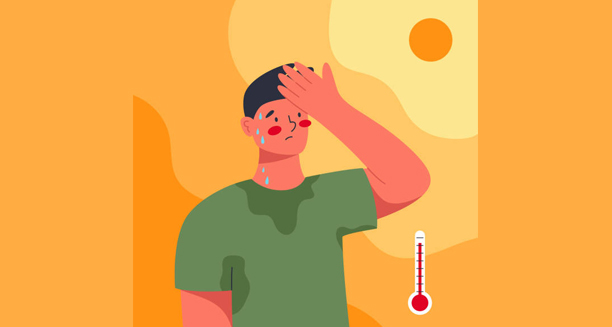
Dehydration – Overview Dehydration occurs when the body loses more fluids than it takes in, leading to an insufficient amount of water to function properly. Water is essential for every cell, tissue, and organ, and dehydration disrupts key bodily processes, including temperature regulation, circulation, and waste removal. It can range from mild to life-threatening and affects people of all ages, especially infants, older adults, and those with chronic illnesses. Mild dehydration may cause headaches, dizziness, fatigue, and dry mouth. In more severe cases, dehydration can result in low blood pressure, rapid heartbeat, confusion, or unconsciousness. If left untreated, it can lead to serious complications, such as kidney failure, heatstroke, or seizures. Dehydration The body loses fluids through sweat, urine, faeces, and even breathing. Dehydration can occur when you don’t drink enough water or lose too much due to diarrhoea, vomiting, fever, or excessive sweating. Climate, physical activity, and health conditions all influence fluid requirements. Recognising the early signs and responding promptly by increasing fluid intake is crucial. In more severe cases, especially in vulnerable groups, medical attention may be necessary. Treatment usually involves rehydration with oral fluids or intravenous fluids in emergency situations. In summary, dehydration is a potentially serious condition that can often be prevented or treated early with proper fluid intake. Awareness, early recognition, and timely action can help prevent complications and support overall health. [Next: Causes of Dehydration →]

Dehydration Read More »

Woman bent over and fatigued after exercise in the sun

Causes of Dehydration

Causes of Dehydration Causes of dehydration are typically linked to either increased fluid loss or inadequate fluid intake. While dehydration is often associated with hot weather or intense exercise, it can also occur due to illness, medication use, or underlying health conditions. Understanding these causes is essential for prevention and effective management. Insufficient Fluid Intake One of the most common causes of dehydration is simply not drinking enough fluids: People who are too busy, forgetful, or unable to access water may not meet their daily hydration needs Elderly individuals often have a reduced sense of thirst, making them more prone to dehydration Infants and young children depend on caregivers to monitor their fluid intake, which can be a concern during illness Increased Fluid Loss The body loses water in several ways, and dehydration occurs when this loss exceeds intake: Diarrhoea and vomiting are major contributors, especially in cases of food poisoning or viral infections Excessive sweating from intense exercise or high temperatures can quickly deplete fluid stores Fever increases water loss through perspiration Diabetes, particularly when poorly controlled, leads to increased urination and fluid loss Medical Conditions and Treatments Certain health conditions increase the risk of dehydration: Kidney disease, which can affect fluid balance Adrenal gland disorders, like Addison’s disease, impair fluid retention Burns or wounds, especially large ones, can lead to fluid loss through damaged skin Diuretic medications used to treat high blood pressure or heart failure increase urination Environmental Factors | Causes of Dehydration Hot, humid weather or dry, windy conditions can accelerate water loss through sweat or evaporation Air travel and high-altitude environments can also increase fluid requirements due to dry air and increased urination Alcohol and Caffeine Consumption Both alcohol and caffeinated drinks have diuretic effects and may contribute to dehydration when consumed in excess In conclusion, causes of dehydration are diverse, ranging from lifestyle factors and environmental conditions to medical illnesses and medications. Identifying and addressing these underlying causes is the first step in effective prevention and treatment. [Next: Symptoms of Dehydration →]

Causes of Dehydration Read More »

Symptoms of Dehydration

Symptoms of Dehydration

Symptoms of Dehydration Symptoms of dehydration vary depending on its severity and the individual affected. In mild to moderate cases, dehydration may present with general discomfort and subtle signs, while severe dehydration can be life-threatening and requires immediate medical attention. Mild to Moderate Symptoms These are often the earliest signs and are easily reversed with prompt fluid intake: Dry mouth and throat Increased thirst Reduced urine output or dark yellow urine Headache or light-headedness Fatigue and weakness Dry or cool skin Muscle cramps, especially during exercise Children may exhibit: Dry nappies for longer than usual Irritability or lethargy Sunken eyes or soft spots on the head (fontanelles) Lack of tears when crying Severe Symptoms | Symptoms of Dehydration As dehydration progresses, more serious symptoms may develop: Rapid heartbeat and low blood pressure Confusion, dizziness, or fainting Sunken eyes, dry and shrivelled skin Lack of sweating even in heat Rapid breathing Loss of consciousness Severe dehydration is a medical emergency and requires immediate attention, particularly in young children, the elderly, or people with underlying health issues. Symptoms in Older Adults Older people may not display typical symptoms due to: A blunted sense of thirst Pre-existing cognitive issues, such as dementia Use of medications that affect fluid balanceSigns may include: Sudden confusion or disorientation Falls or loss of balance Constipation or urinary tract infections Chronic Dehydration In some cases, dehydration may persist at a low level over time, contributing to: Ongoing fatigue Constipation Poor concentration Frequent headaches In summary, symptoms of dehydration range from mild thirst to life-threatening complications. Recognising the signs early allows for quick and effective treatment, reducing the risk of serious health consequences. [Next: Diagnosis of Dehydration →]

Symptoms of Dehydration Read More »

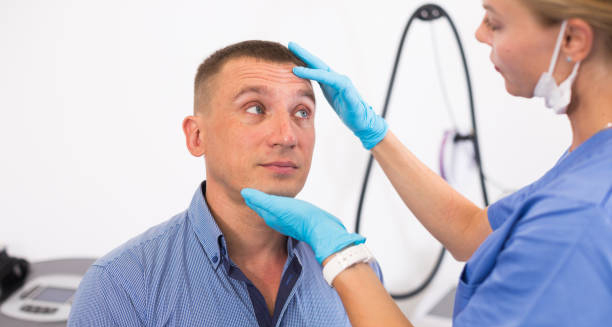
Healthcare professional examining a man's forehead and eyes for dehydration signs

Diagnosis of Dehydration

Diagnosis of Dehydration Diagnosis of dehydration is based on a combination of clinical assessment, patient history, and in some cases, laboratory tests. Detecting dehydration early is essential, especially in high-risk groups like infants, elderly individuals, and those with chronic illnesses. Prompt diagnosis helps prevent complications and guides appropriate treatment strategies. Medical History and Physical Examination A doctor will begin by asking questions about: Recent illnesses, such as diarrhoea, vomiting, or fever Changes in fluid intake Medication use, particularly diuretics Symptoms like fatigue, dizziness, or reduced urination The physical examination includes checking for signs such as: Dry mouth or cracked lips Sunken eyes Skin turgor: Pinching the skin to see how quickly it returns to normal Low blood pressure, especially upon standing (postural hypotension) Increased heart rate or breathing rate In infants and young children, additional signs like sunken fontanelles (soft spots), reduced tears, and decreased alertness are important indicators. Laboratory Tests | Diagnosis of Dehydration If dehydration is suspected to be moderate or severe, especially in hospital settings, the following tests may be conducted: Blood tests to measure electrolyte levels (sodium, potassium, chloride), kidney function (creatinine, urea), and overall hydration status Urinalysis to assess the concentration of urine (specific gravity) and detect possible infections or kidney issues Serum osmolality, which indicates how concentrated the blood is and reflects fluid balance These tests are especially useful in diagnosing dehydration in people who cannot verbally express their symptoms, such as the elderly or unconscious patients. Vital Signs Monitoring Ongoing monitoring of: Heart rate Blood pressure Respiratory rate Body temperature This helps determine the severity of dehydration and track the effectiveness of treatment. Differential Diagnosis It’s important to rule out other conditions that may present with similar symptoms, such as: Heat exhaustion Hypoglycaemia Cardiac or renal issues Sepsis Screening in High-Risk Groups Regular hydration assessments are vital in settings like nursing homes, hospitals, and schools. Staff should be trained to recognise early signs and encourage adequate fluid intake. In summary, diagnosis of dehydration involves a combination of visual cues, physical tests, and lab results. Accurate and early identification ensures timely treatment, particularly in vulnerable populations. [Next: Treatment of Dehydration →]

Diagnosis of Dehydration Read More »

Woman drinking water from a bottle to rehydrate after exercise

Treatment of Dehydration

Treatment of Dehydration Treatment of dehydration aims to restore the body’s fluid balance, relieve symptoms, and address the underlying cause. The method of rehydration depends on the severity of the dehydration, the patient’s age, and whether they are able to drink fluids orally. Early treatment is crucial to prevent complications, especially in infants, older adults, and people with chronic illnesses. Oral Rehydration Increased oral fluid intake usually manages mild to moderate dehydration: Water is the most basic and effective choice Oral Rehydration Solutions (ORS) contain the right balance of salts and sugars to replace lost electrolytes and fluids efficiently Clear broths, herbal teas, and diluted fruit juices can also help, but limit sugary drinks. Children commonly use commercially available ORS products like Pedialyte. Sipping small amounts frequently is more effective than drinking large volumes at once, especially if nausea is present. Intravenous Fluids Severe dehydration or cases where oral intake isn’t possible require: Intravenous (IV) fluids, administered in a hospital or clinic These fluids are typically saline or glucose-based and restore hydration rapidly Healthcare providers monitor and adjust electrolyte levels as needed. This approach is essential for patients who are unconscious, vomiting continuously, or experiencing significant fluid loss due to diarrhoea or burns. Treating the Underlying Cause Rehydration alone does not suffice if you do not address the cause of dehydration: Antibiotics may be prescribed for bacterial infections Antiemetics help control nausea and vomiting Antidiarrhoeal medications may be used cautiously under medical supervision Diuretic adjustments may be necessary for people with heart or kidney disease Supportive Care | Treatment of Dehydration Rest is encouraged during recovery, as physical exertion can worsen dehydration In hot climates, people should be encouraged to avoid the sun, stay in the shade, and wear light clothing Reintroducing food gradually helps restore strength once vomiting or diarrhoea subsides In summary, treatment of dehydration focuses on fluid and electrolyte replacement and addressing the underlying illness or condition. The quicker the response, the better the outcome and the lower the risk of serious complications. [Next: Complications and Recovery from Dehydration →]

Treatment of Dehydration Read More »

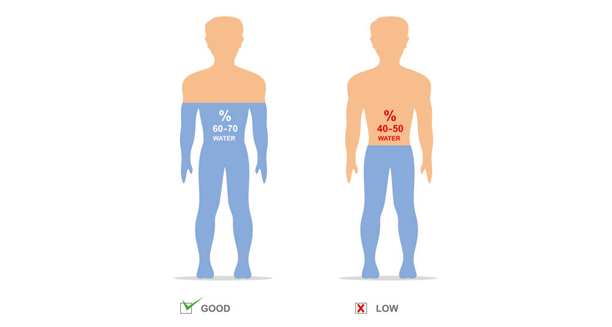
Infographic showing body water percentage levels for good and low hydration

Complications and Recovery from Dehydration

Complications and Recovery from Dehydration Complications and recovery from dehydration depend on how quickly the condition is recognised and treated. While dehydration is often reversible, it can lead to serious health problems if ignored, especially in vulnerable individuals like young children, the elderly, and people with chronic medical conditions. Complications of Dehydration When fluid loss becomes severe or prolonged, the following complications may occur: Kidney problems: Dehydration can lead to urinary tract infections, kidney stones, or even kidney failure if left untreated Electrolyte imbalances: Low levels of sodium, potassium, or calcium can cause muscle cramps, irregular heartbeats, confusion, and seizures Low blood pressure: Reduced fluid volume can lead to hypotension, increasing the risk of fainting and falls, especially in older adults Heat injury: In hot weather, dehydration can contribute to heat exhaustion or heatstroke, which is a medical emergency Shock: Severe dehydration can reduce blood volume to the point where vital organs receive inadequate oxygen—a life-threatening condition requiring immediate intervention Recovery and Aftercare Recovery from mild dehydration is usually quick, especially when fluids are replaced promptly. After rehydration: Continue drinking plenty of water throughout the day Introduce balanced meals with electrolytes to support recovery Monitor urine output—clear or pale yellow urine is a good indicator of adequate hydration Rest and limit exertion until full strength returns Recovery in Severe Cases | Complications and Recovery from Dehydration For those treated with intravenous fluids: Hospitalisation may last a few hours to a couple of days, depending on the severity and cause Follow-up may include blood tests to monitor electrolyte balance and kidney function Patients are educated on recognising early warning signs and preventing recurrence Prevention and Hydration Habits Preventing dehydration is an important part of long-term recovery: Drink fluids consistently, even before feeling thirsty Increase intake during hot weather, exercise, or illness Use reminders or hydration tracking apps, particularly helpful for older adults Long-Term Considerations People with conditions like diabetes, kidney disease, or gastrointestinal disorders should work with their healthcare provider to create a personalised hydration plan. For older adults in care homes, caregivers should monitor fluid intake regularly. In conclusion, complications and recovery from dehydration depend heavily on early intervention. While mild cases recover quickly, severe dehydration can lead to organ damage or death if not treated. Ongoing awareness and hydration practices are the key to preventing recurrence. [Next: Back to Overview →]

Complications and Recovery from Dehydration Read More »

Scroll to Top