Mental Matters

Author name: admin

Smiling man using sign language against a yellow background

Deafness

Deafness – Overview Deafness is a condition marked by partial or complete loss of hearing in one or both ears. It can occur at birth (congenital) or be acquired later in life due to various factors such as illness, injury, ageing, or prolonged exposure to loud noise. This affects communication, social interaction, education, and employment, making it a significant public health concern worldwide. Hearing loss is usually categorised by severity: mild, moderate, severe, or profound. People with mild hearing loss may struggle in noisy environments, while those with profound deafness may not hear anything at all. The degree of hearing impairment determines the level of support or intervention needed, such as hearing aids, cochlear implants, or sign language. Deafness Various types include conductive, sensorineural, and mixed. Conductive deafness is caused by problems in the outer or middle ear that prevent sound from reaching the inner ear. The sensorineural version results from damage to the inner ear (cochlea) or the auditory nerve. Mixed deafness combines features of both. The impact of this extends beyond auditory difficulties. It can affect language development, especially in children, and contribute to social isolation, anxiety, or depression in people of all ages. Early detection, education, and access to assistive technologies significantly improve outcomes for individuals with hearing impairment. In summary, deafness is a complex and diverse condition that affects millions globally. With the right tools and support, many people with hearing loss can lead rich, fulfilling lives. [Next: Causes of Deafness →]

Deafness Read More »

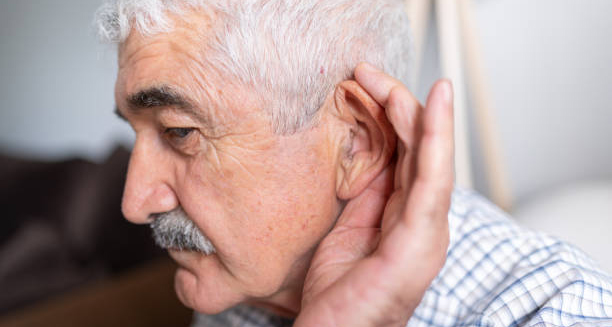
Elderly man cupping his ear to hear better, indicating hearing los

Causes of Deafness

Causes of Deafness Causes of deafness vary depending on whether the condition is congenital or acquired. Understanding the underlying cause of deafness is essential for determining the best course of treatment or intervention. While some causes are genetic or present at birth, others arise later due to environmental factors, illness, or trauma. Congenital Causes These causes are present at birth and may be due to: Genetic factors, either inherited or caused by a spontaneous mutation. More than 50% of congenital deafness cases are genetic Birth complications, including lack of oxygen or premature delivery Maternal infections during pregnancy, such as rubella, cytomegalovirus, or toxoplasmosis, which can damage the developing auditory system Low birth weight or neonatal jaundice, particularly when untreated, may also impact hearing Acquired Causes These occur after birth and include: Chronic ear infections (otitis media), especially if untreated, can lead to conductive hearing loss Prolonged exposure to loud noise, such as music concerts, industrial machinery, or personal audio devices, can damage the hair cells in the inner ear Ageing (presbycusis) is a common cause of gradual hearing loss, often beginning around age 60 Ototoxic medications, including some antibiotics and chemotherapy drugs, may damage the inner ear Head trauma or skull fractures that affect the auditory nerve or structures of the ear Viral infections, such as mumps or meningitis, that affect hearing structures or nerves Other Medical Conditions Autoimmune disorders that cause inflammation of the inner ear Acoustic neuroma, a non-cancerous tumour that compresses the auditory nerve Ménière’s disease, a disorder affecting the inner ear’s balance and hearing Preventable Factors | Causes of Deafness Many acquired causes are preventable with proper education and intervention: Use of hearing protection in loud environments Vaccinations to prevent infections like mumps and rubella Prompt treatment of ear infections and chronic illnesses In conclusion, causes of deafness are diverse, ranging from genetic conditions to environmental and medical factors. Identifying the cause is crucial to choosing appropriate treatment and support strategies. [Next: Symptoms of Deafness →]

Causes of Deafness Read More »

Elderly woman adjusting hearing aid while using a tablet

Symptoms of Deafness

Symptoms of Deafness Symptoms of deafness can range from subtle communication difficulties to complete loss of sound perception. The onset and progression of deafness may be sudden or gradual, and symptoms often depend on the underlying cause and severity of the hearing loss. General Symptoms Difficulty understanding speech, especially in noisy environments Frequently asking people to repeat themselves Mishearing words or misunderstanding conversations Turning up the volume on TVs, radios, or phones Withdrawal from conversations or social events due to communication challenges Tinnitus, or a ringing, buzzing, or hissing sound in the ears, which often accompanies sensorineural hearing loss Speaking louder than necessary, as people with hearing loss may not accurately gauge their own voice volume Symptoms in Infants and Children In young children, hearing loss may manifest as: Delayed speech or language development Inattentiveness or appearing to ignore voices or sounds Not reacting to loud noises or failing to turn toward sound sources Poor academic performance, especially in language-based subjects Social difficulties, including frustration or behavioural issues due to communication barriers Routine hearing screening in newborns and young children is critical to catch these signs early and intervene before developmental delays occur. Sudden Deafness Sudden sensorineural hearing loss (SSHL) is a rapid, unexplained loss of hearing, typically in one ear: May happen within 72 hours or less Often considered a medical emergency Requires immediate treatment to improve chances of recovery Unilateral vs Bilateral Deafness | Symptoms of Deafness Unilateral deafness affects one ear and may cause difficulty localising sounds Bilateral deafness affects both ears and is usually more disabling, especially in speech perception Symptoms Related to Balance As the inner ear controls balance, some individuals may experience: Vertigo Loss of balance Nausea or disorientation In summary, symptoms of deafness can be mild or severe and often evolve over time. Recognising these early signs is vital for seeking professional help and preventing further deterioration of hearing. [Next: Diagnosis of Deafness →]

Symptoms of Deafness Read More »

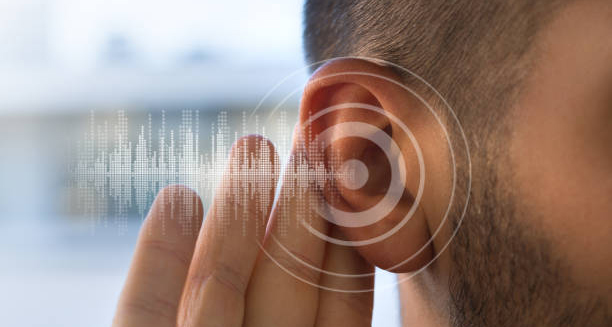
Close-up of a man’s ear with sound wave graphics illustrating hearing diagnosis

Diagnosis of Deafness

Diagnosis of Deafness Diagnosis of deafness involves a combination of clinical evaluation, hearing tests, and imaging studies. The goal is to determine the type, degree, and cause of hearing loss. Accurate diagnosis is essential for developing an effective treatment plan and ensuring the individual receives the support they need. In both children and adults, early diagnosis of deafness can significantly improve long-term outcomes. Initial Assessment Begins with a medical history and discussion of symptoms, including when hearing issues began, how quickly they progressed, and whether one or both ears are affected The doctor may ask about exposure to loud noise, infections, trauma, or family history of hearing problems Physical Examination A visual inspection of the ear canal and eardrum using an otoscope may reveal signs of infection, wax build-up, or structural damage In some cases, earwax blockage may be a simple, reversible cause of hearing loss Hearing Tests The most important part of diagnosing deafness is audiological testing, usually conducted by an audiologist: Pure-tone audiometry: Measures the faintest tones a person can hear at various frequencies Speech audiometry: Assesses the ability to hear and repeat spoken words Tympanometry: Evaluates the movement of the eardrum and middle ear pressure Otoacoustic emissions (OAE): Used to check inner ear function, especially in newborns Auditory brainstem response (ABR): Tests the hearing nerve pathways and is commonly used in infants or when more detailed evaluation is needed These tests help categorise hearing loss as conductive, sensorineural, or mixed, and determine its severity. Imaging and Laboratory Tests | Diagnosis of Deafness If a structural issue or neurological cause is suspected, further tests may include: CT scan or MRI to detect tumours, malformations, or damage in the auditory pathway Genetic testing in cases of congenital or progressive hearing loss Blood tests to identify infections, autoimmune conditions, or vitamin deficiencies that may contribute to hearing problems Newborn and School Screening Many countries now include routine hearing screening as part of newborn health checks School-aged children may undergo regular hearing tests to ensure early intervention In conclusion, diagnosis of deafness combines history-taking, physical examination, and specialised hearing tests. Early and accurate identification of hearing loss allows for prompt treatment and improves educational, social, and occupational outcomes. [Next: Treatment of Deafness →]

Diagnosis of Deafness Read More »

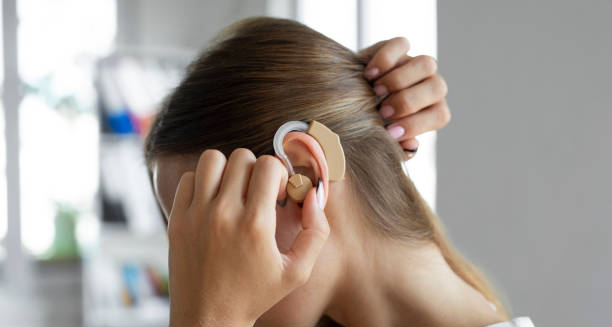
Woman adjusting a modern hearing aid behind her ear

Treatment of Deafness

Treatment of Deafness Treatment of deafness varies depending on the cause, type, and severity of the hearing loss. While not all cases are curable, many people with deafness benefit from medical intervention, hearing aids, cochlear implants, or alternative communication strategies. The earlier treatment is initiated, the better the long-term prognosis, especially in children. Medical and Surgical Treatments Ear infections may be treated with antibiotics or antifungal medications Surgical intervention may be necessary for: Repairing perforated eardrums Removing tumours or growths (e.g. cholesteatoma) Implanting ventilation tubes in children with recurrent otitis media Ossiculoplasty (reconstruction of middle ear bones) can help restore conductive hearing Hearing Aids Suitable for people with mild to severe hearing loss Work by amplifying sound, and modern digital models are adjustable to the user’s specific hearing profile Discreet, comfortable, and increasingly sophisticated with features like Bluetooth connectivity and noise-cancelling technology Cochlear Implants Recommended for individuals with severe to profound sensorineural hearing loss who receive limited benefit from hearing aids A surgically implanted device that bypasses the damaged part of the ear and stimulates the auditory nerve directly Requires auditory rehabilitation and training post-surgery Bone-Anchored Hearing Systems Useful for people with conductive or mixed hearing loss or those who cannot wear traditional hearing aids Transmit sound through bone vibration rather than air conduction Communication and Rehabilitation Speech and language therapy is essential for children with hearing loss and adults experiencing late-onset deafness Lip reading, sign language, and cued speech can supplement or replace auditory communication Assistive listening devices, including captioned phones and personal amplifiers, improve accessibility Preventive Strategies | Treatment of Deafness Hearing protection in noisy environments Avoidance of ototoxic medications, when alternatives are available Immunisations (e.g. MMR) to prevent infections that may cause hearing loss In summary, treatment of deafness can dramatically improve quality of life. Whether through medical care, technology, or therapy, many individuals regain confidence and independence through personalised treatment plans. [Next: Complications and Recovery from Deafness →]

Treatment of Deafness Read More »

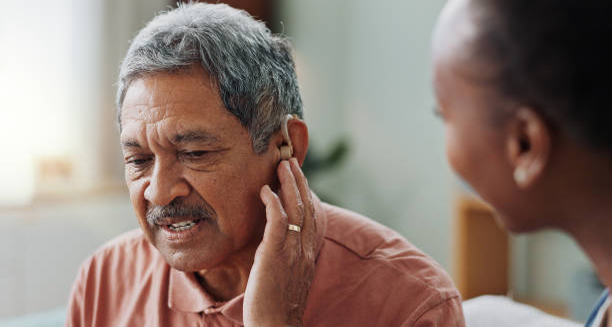
Elderly man struggling with hearing loss while touching his ear

Complications and Recovery from Deafness

Complications and Recovery from Deafness Complications and recovery from deafness depend on the age of onset, cause, and access to support and treatment. While some types of hearing loss are reversible, most cases of deafness involve permanent damage that requires long-term management. The emotional, social, and educational impacts can be significant if the condition is not addressed early. Communication Barriers One of the most immediate complications of deafness is difficulty communicating, particularly in group settings or noisy environments Children may experience language delays if hearing loss is not identified and managed promptly Adults may struggle with professional communication, which can limit job opportunities and advancement Educational Challenges Undiagnosed or untreated deafness in children can lead to delays in reading, writing, and speech Many children with hearing loss require Individual Education Plans (IEPs) or placement in special education environments Social integration in school can be challenging without appropriate support Social Isolation and Mental Health People with deafness often face social withdrawal, especially if they feel excluded or misunderstood Depression, anxiety, and low self-esteem are common in those who lack effective communication strategies or supportive environments Misunderstandings in relationships may create tension, particularly if partners or family members are unaware of the extent of the hearing impairment Safety Concerns Inability to hear alarms, traffic, or emergency instructions can increase risk in daily life Visual alert systems and vibrating devices may be necessary to ensure personal safety Cognitive Decline Recent studies suggest a link between untreated hearing loss and an increased risk of cognitive issues in older adults, including dementia. Theories suggest that reduced auditory input may lead to brain atrophy or social disengagement, both of which negatively affect cognitive function. Recovery and Adaptation For some, recovery is possible through medical treatment or surgery Most people, however, learn to adapt using hearing aids, implants, or alternative communication methods Successful adaptation requires training, practice, and psychological support Ongoing Support | Complications and Recovery from Deafness Audiological follow-ups Maintenance of hearing devices Participation in support groups, rehabilitation programmes, and counselling In conclusion, complications and recovery from deafness go beyond the physical condition. With the right support, education, and tools, individuals with deafness can overcome challenges, regain independence, and lead fulfilling lives. [Next: Back to Overview →]

Complications and Recovery from Deafness Read More »

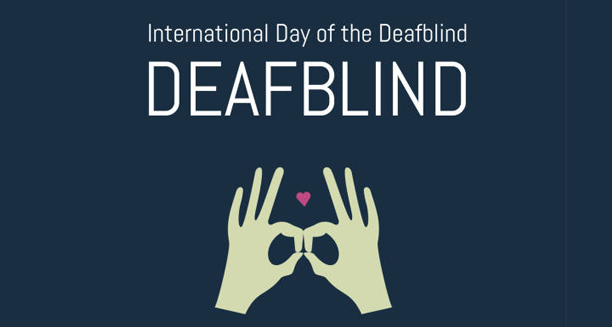
Illustration showing hands making a sign with a heart symbol and the text "International Day of the Deafblind"

Deafblindness

Deafblindness – Overview Deafblindness is a unique and complex disability that results from the combined loss of sight and hearing. This dual sensory impairment significantly impacts an individual’s ability to communicate, access information, and navigate the world. While deafblindness does not always mean complete loss of both senses, even partial impairments can create major challenges in daily life, particularly when both occur together. The condition affects people in many ways and to varying degrees. Some individuals are born with deafblindness (congenital deafblindness), while others acquire it later in life due to illness, injury, or age-related conditions such as Usher syndrome or age-related macular degeneration and hearing loss. The timing of onset plays a key role in determining how a person experiences and adapts to their disability. Deafblindness Deafblindness is recognised as a distinct disability because the combination of visual and auditory impairment creates unique barriers that are not present in those who are only deaf or only blind. For example, a person who is blind may rely on sound for orientation, while someone who is deaf may depend on visual cues. A person with deafblindness may lose access to both, which can severely restrict communication and independence. The effects of deafblindness can vary widely depending on factors such as the severity of sensory loss, the age at which it occurred, support systems, and access to assistive technology. Common difficulties include communicating with others, learning new information, maintaining social relationships, and performing everyday tasks safely. In summary, deafblindness is a complex condition involving dual sensory impairment that affects every aspect of life. Tailored support, assistive technology, and communication strategies are essential to improving independence and quality of life for those affected. [Next: Causes of Deafblindness →]

Deafblindness Read More »

Young man with visual impairment smiling while standing near the ocean, holding a white cane

Causes of Deafblindness

Causes of Deafblindness Causes of deafblindness can vary significantly depending on whether the condition is congenital or acquired later in life. While some people are born with the dual sensory loss, others develop deafblindness due to ageing, illness, or trauma. Understanding these causes is crucial for early intervention and effective support planning. Congenital Causes When deafblindness is present from birth or early childhood, it is referred to as congenital deafblindness. The most common causes include: Genetic conditions such as CHARGE syndrome, Usher syndrome, or Down’s syndrome Prenatal infections, including rubella (German measles), cytomegalovirus (CMV), and toxoplasmosis Premature birth, which increases the risk of sensory impairments due to underdeveloped organs or neonatal complications Birth trauma or oxygen deprivation, which can damage the brain or sensory pathways Children with congenital deafblindness often face developmental delays, especially in language, movement, and social skills, because they cannot access the environment through conventional sensory channels. Acquired Causes When deafblindness occurs later in life, it is termed acquired deafblindness. The primary causes include: Ageing, which is the most common cause, especially as people live longer. Many older adults experience both vision and hearing loss simultaneously Progressive conditions such as Usher syndrome (which causes hearing loss followed by vision loss) and retinitis pigmentosa Infections or diseases, including meningitis, stroke, brain injury, or diabetes (which can lead to both retinopathy and hearing impairment) Accidents or trauma, such as head injuries that damage both the auditory and visual systems Cancer and treatments like chemotherapy and radiation can also impair both senses, either directly or through side effects Combination of Factors | Causes of Deafblindness Some individuals may be born with one sensory loss and acquire the second later. For instance, someone who is deaf from birth may lose their sight in adulthood, compounding the disability and requiring significant lifestyle adjustments. Social and Environmental Contributors In low-income or rural settings, limited access to medical care can delay the diagnosis and treatment of conditions that might otherwise be preventable or manageable, increasing the risk of dual sensory loss. In conclusion, causes of deafblindness are wide-ranging and depend on both genetic and environmental factors. Whether congenital or acquired, understanding the underlying cause plays a vital role in tailoring care, therapy, and communication strategies. [Next: Symptoms of Deafblindness →]

Causes of Deafblindness Read More »

Blind man with a cane sitting on a bench wearing sunglasses in a city setting

Symptoms of Deafblindness

Symptoms of Deafblindness Symptoms of deafblindness depend on the severity and progression of both hearing and vision loss. While some people with deafblindness experience total blindness and deafness, others retain some usable sight or hearing. Because the condition affects two major senses, the symptoms create a range of functional challenges that impact communication, mobility, and independence. Communication Difficulties One of the earliest and most noticeable symptoms is difficulty communicating: Individuals may struggle to follow conversations, especially in noisy environments or if visual cues like lip reading are limited Spoken language may become less effective as hearing declines Reading standard print or interpreting visual gestures can become increasingly difficult as vision worsens These combined impairments severely restrict the ability to use conventional communication methods, requiring alternative approaches such as tactile sign language, braille, or assistive technology. Orientation and Mobility Issues People with deafblindness often have difficulty navigating their environment: Poor depth perception or blurred vision combined with hearing impairment can lead to frequent falls, bumps, or injuries Difficulty detecting oncoming traffic, environmental hazards, or spoken warnings increases risk during travel Many experience disorientation in unfamiliar settings and may avoid public spaces altogether Mobility aids such as canes, guide dogs, and orientation and mobility (O&M) training are essential for increasing safety and confidence. Cognitive and Developmental Symptoms For children with congenital deafblindness: Developmental delays are common, particularly in speech, motor coordination, and social interaction Without early intervention, cognitive development may be significantly impaired due to limited environmental input Social and Emotional Challenges Feelings of isolation, depression, and anxiety are frequent, particularly if support systems are weak Reduced access to group activities, social gatherings, and everyday interactions can diminish self-esteem and increase emotional withdrawal Progressive Symptoms | Symptoms of Deafblindness In some cases, symptoms worsen over time, especially in progressive conditions like Usher syndrome. This requires ongoing adjustments to communication methods and support plans. Symptoms in the Elderly Older adults may not report their sensory difficulties, mistaking them as normal ageing. Symptoms may include: Repeatedly asking people to repeat themselves Difficulty recognising faces or navigating familiar spaces Withdrawing from conversations or social events In summary, symptoms of deafblindness manifest across multiple domains, affecting communication, independence, and emotional wellbeing. Early recognition allows for timely intervention and improved quality of life. [Next: Diagnosis of Deafblindness →]

Symptoms of Deafblindness Read More »

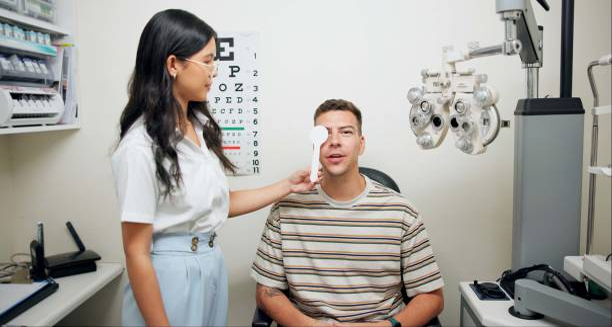
Optometrist performing vision test on male patient during eye examination

Diagnosis of Deafblindness

Diagnosis of Deafblindness Diagnosis of deafblindness involves identifying both hearing and vision impairments and understanding how they interact to affect daily functioning. Since deafblindness can be congenital or acquired, and may vary in severity, the diagnostic process needs to be thorough and individualised. Early diagnosis is especially important in children, where it can significantly impact developmental outcomes. Early Screening and Observation For infants and young children, early signs may include: Failure to respond to sound or light stimuli Delayed speech and language development Lack of visual tracking or inability to make eye contact Minimal reaction to social cues or environmental changes In these cases, paediatricians often recommend early screening tests and referrals to audiologists and ophthalmologists for further evaluation. Hearing Tests Assessment of auditory function includes: Otoacoustic emissions (OAE) and auditory brainstem response (ABR) tests in infants Pure tone audiometry in older children and adults Evaluation of speech recognition and understanding in noisy environments These tests help determine the degree of hearing loss and whether assistive devices such as hearing aids or cochlear implants may be beneficial. Vision Tests Visual assessments often include: Visual acuity tests, using symbols or pictures for non-verbal individuals Retinal imaging, particularly for diagnosing progressive conditions like retinitis pigmentosa Evaluation of field of vision, contrast sensitivity, and light sensitivity In cases of suspected congenital deafblindness, genetic testing may be performed to diagnose conditions such as Usher syndrome or CHARGE syndrome. Functional Assessment | Diagnosis of Deafblindness A functional diagnosis evaluates how the combined sensory loss affects the individual’s ability to: Communicate Navigate their environment Learn new information Participate in daily routines This is often done by a multidisciplinary team, including speech therapists, occupational therapists, and special educators. Acquired Deafblindness Diagnosis In adults and the elderly, diagnosis may be delayed as sensory decline is gradual: Older adults may not report vision or hearing issues until they significantly affect quality of life Professionals should screen for dual sensory impairment when patients show signs of social withdrawal, mobility difficulties, or cognitive confusion Importance of Timely Diagnosis Early diagnosis enables the development of customised support plans, including: Early intervention in children Access to communication aids Rehabilitation services Emotional and psychological support In summary, diagnosis of deafblindness requires a combination of sensory testing and functional assessment. Identifying dual sensory loss early can lead to better educational, social, and personal outcomes. [Next: Treatment of Deafblindness →]

Diagnosis of Deafblindness Read More »

Scroll to Top