Mental Matters

Author name: admin

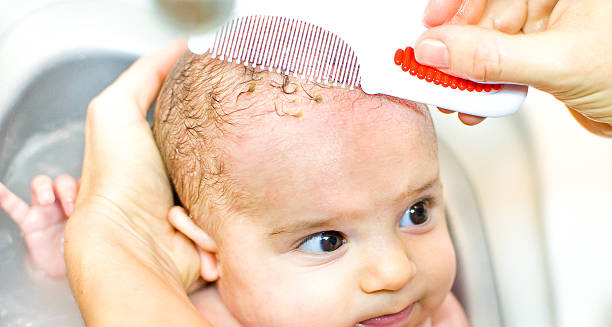
Infant with visible yellowish scales on the scalp being gently combed to manage cradle cap symptoms.

Symptoms of Cradle Cap

Symptoms of Cradle Cap Symptoms of cradle cap are easy to identify, especially for healthcare professionals and experienced parents. Although the appearance of the condition may seem severe, cradle cap does not cause itchiness, pain, or general distress in infants. The condition usually starts within the first few weeks after birth and often resolves by the time the baby is one year old. Scaly Patches The most characteristic symptom is the presence of: Thick, greasy scales that may be white or yellow in colour Crusty patches on the baby’s scalp, especially on the crown Flaky skin that may resemble dandruff as it begins to heal These patches may vary in size and location but are typically confined to the scalp. As the crusts dry and flake, the underlying skin might appear slightly red. Affected Areas | Symptoms of Cradle Cap While the scalp is most commonly involved, cradle cap can also spread to: Eyebrows and eyelids Behind the ears Nose creases Neck folds Nappy area (in more extensive cases, known as seborrhoeic dermatitis) Texture and Appearance The texture is often waxy or oily to the touch. Parents may notice that the scales are difficult to remove and seem to stick to the scalp. In some cases, there may be a slight odour, but this is not due to infection and is not harmful. No Itching or Pain Unlike eczema or allergic rashes, cradle cap is not itchy or painful. Babies usually do not react when the affected areas are touched or cleaned. This is one of the key distinguishing factors from other infant skin conditions. Hair Loss Some babies may temporarily lose hair where the scales form. This is due to the flakes lifting the hair shafts as they come off. However, the hair almost always regrows fully once the cradle cap has cleared. In summary, symptoms of cradle cap include thick, greasy scales on the scalp and surrounding areas, without itching or discomfort. Although it may look unpleasant, the condition is entirely benign and poses no risk to the baby’s health. [Next: Diagnosis of Cradle Cap →]

Symptoms of Cradle Cap Read More »

Mother gently caressing her baby’s head while the infant lies on a changing table, symbolising the care and attention involved in diagnosing cradle cap.

Diagnosis of Cradle Cap

Diagnosis of Cradle Cap Diagnosis of cradle cap is usually straightforward and based entirely on the physical appearance of the affected skin. Since cradle cap has a very distinct look—characterised by greasy, yellowish scales on the baby’s scalp—most doctors or health visitors can make a confident diagnosis without any need for tests or laboratory investigations. Clinical Assessment During a routine check-up or parental consultation, the healthcare provider will examine the baby’s: Scalp and any other affected areas (such as eyebrows, ears, or nappy region) Skin condition, including colour, texture, and signs of irritation General health, ensuring the baby is feeding, sleeping, and developing normally The absence of discomfort, itching, and systemic symptoms helps rule out more serious dermatological conditions. Distinguishing from Other Conditions | Diagnosis of Cradle Cap Although cradle cap is generally easy to recognise, doctors may need to distinguish it from similar-looking conditions: Eczema (atopic dermatitis): Unlike cradle cap, eczema usually causes red, inflamed, and itchy patches. Babies with eczema are often more irritable and scratch the affected areas. Psoriasis: Psoriatic plaques can resemble cradle cap but are typically more well-defined and may extend to other body parts. Fungal infections (like tinea capitis): These may cause scaly scalp lesions, but often with more redness, broken hair, and possible infection. Allergic reactions or seborrhoeic dermatitis in adults: Though related, these are more inflammatory and uncomfortable compared to the infant version. No Need for Tests In almost all cases, no tests or referrals are needed. Diagnosis is based solely on history and visual assessment. If symptoms do not respond to treatment or worsen unexpectedly, a referral to a dermatologist may be considered. Parental Reassurance One of the most important parts of diagnosis is reassuring parents that cradle cap is not harmful, painful, or contagious. Clear communication and simple care instructions can ease anxiety and reduce unnecessary interventions. In conclusion, diagnosis of cradle cap is clinical and based on the characteristic appearance of thick, oily scales on the infant’s scalp. A healthcare professional can distinguish it from more serious skin conditions and guide parents in managing it effectively at home. [Next: Treatment of Cradle Cap →]

Diagnosis of Cradle Cap Read More »

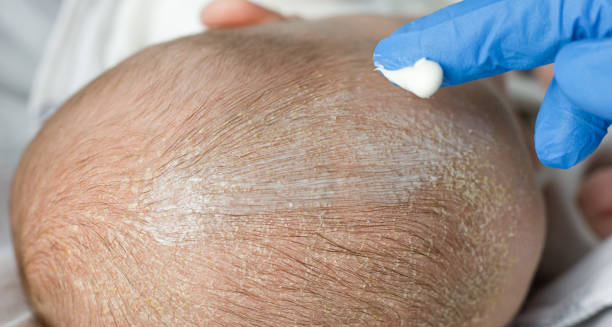
Close-up of a baby’s scalp with visible cradle cap being treated with a topical cream applied by a gloved hand.

Treatment of Cradle Cap

Treatment of Cradle Cap Treatment of cradle cap focuses on gently removing the scales and managing oil build-up on the baby’s scalp. Although cradle cap often clears up without intervention, many parents prefer to speed up the process for cosmetic reasons or peace of mind. Treatment is usually safe, non-invasive, and suitable for home use. Gentle Scalp Care Daily scalp care using mild baby shampoo can help soften and loosen the flakes: Wet the baby’s scalp with warm water Massage gently with baby shampoo and rinse thoroughly Use a soft brush or comb to loosen the flakes after washing Perform this routine gently to prevent irritation or skin damage. Applying Oils | Treatment of Cradle Cap Natural oils can soften stubborn crusts and make them easier to remove: Apply a small amount of olive oil, coconut oil, or baby oil to the scalp Let it sit for 10–15 minutes to loosen the scales Gently brush or wipe away the softened flakes Wash the scalp afterwards with baby shampoo to remove any oil residue Avoid leaving oil on the scalp for too long, as this may clog pores or worsen the condition. Medicated Treatments If cradle cap is more severe or widespread, a doctor may recommend: Antifungal shampoos (such as ketoconazole) to reduce yeast presence Mild corticosteroid creams or lotions if inflammation is present Medicated emollients to hydrate and protect the skin These are used sparingly and only under medical supervision. Things to Avoid Avoid picking or forcibly scraping off the scales, as this may irritate the skin or cause infection Do not use adult shampoos, vinegar, or harsh soaps How Long Does It Take to Clear? Most cases resolve within a few weeks to a few months. Some babies may experience mild recurrence, which is easily managed with ongoing gentle care. In summary, treatment of cradle cap involves regular scalp cleansing, softening crusts with oils, and, in more persistent cases, using medicated products. With the right approach, the condition usually clears completely without complications. [Next: Complications and Recovery from Cradle Cap →]

Treatment of Cradle Cap Read More »

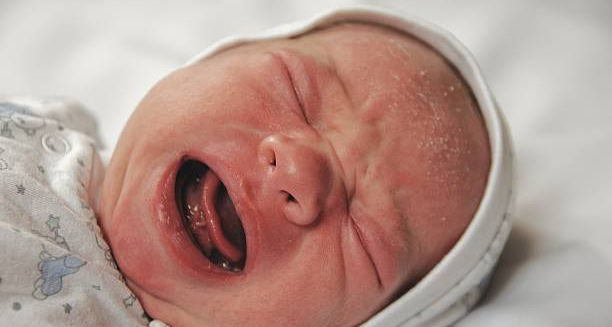
Crying newborn with visible flaky skin on the scalp and forehead, showing signs of cradle cap.

Complications and Recovery from Cradle Cap

Complications and Recovery from Cradle Cap Complications and recovery from cradle cap are generally minimal, as the condition is benign and self-resolving. Most infants recover without any need for medical intervention, and the condition typically disappears within the first year of life. However, in some cases, cradle cap may persist longer or lead to mild complications if improperly managed. Potential Complications Secondary infections: If the skin becomes irritated through excessive scrubbing or if scales are forcibly removed, cracks can appear, allowing bacteria to enter. Signs include redness, oozing, or a foul smell, in which case medical treatment may be needed. Hair thinning or loss: Some babies may temporarily lose hair where the scales were thick, but this usually regrows once the cradle cap resolves. Spreading to other areas: While cradle cap is typically localised to the scalp, it can spread to areas like the eyebrows, eyelids, behind the ears, or the nappy area, especially in severe cases. When to See a Doctor Parents should consult a doctor if: The rash spreads rapidly or becomes inflamed There is evidence of infection (e.g. pus, fever) The condition does not improve after several weeks of home treatment The baby appears irritable or unwell in conjunction with the rash Most concerns are minor and easily resolved with topical treatments or improved care routines. Recovery Timeline | Complications and Recovery from Cradle Cap Mild cases often clear up in a few weeks with regular shampooing Moderate cases may take a few months but typically do not require medical treatment Severe cases may need antifungal or steroid treatment and closer monitoring Preventing Recurrence There is no guaranteed way to prevent cradle cap, but regular washing with mild shampoo and avoiding heavy oils or hair products can help reduce build-up. Ensuring the scalp remains clean and dry also helps. Emotional Reassurance for Parents Seeing thick, scaly patches on a baby’s scalp can be distressing for new parents. Reassurance that cradle cap is temporary, painless, and manageable is crucial in reducing unnecessary worry or overtreatment. In conclusion, complications and recovery from cradle cap are rare and manageable. With gentle care and patience, the condition resolves completely, leaving no lasting impact on the child’s health or development. [Next: Back to Overview →]

Complications and Recovery from Cradle Cap Read More »

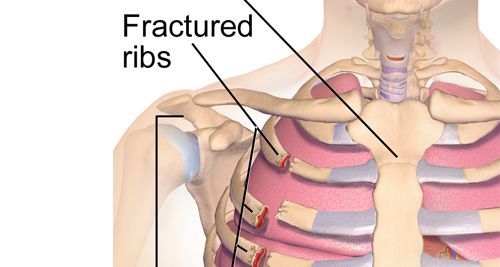
Medical illustration of a human torso showing multiple fractured ribs labeled clearly on the left side.

Cracked Rib

Cracked Rib – Overview A cracked rib refers to a hairline fracture or partial break in one of the rib bones. This is less severe than a fully broken rib but can still cause significant discomfort. Particularly when breathing, coughing, laughing, or moving. These fractures are most often caused by trauma to the chest. Such as from a fall, car accident, or sports injury. The ribcage is designed to protect vital organs, including the lungs and heart, while still allowing flexibility for breathing. A crack in one of the ribs affects this function. Therefore, making each breath painful and potentially leading to reduced lung capacity during healing. Unlike a completely broken rib that may be displaced or cause internal injury, a cracked rib typically maintains its alignment. However, because the ribs move constantly with respiration. Even a small crack can take several weeks to heal and interfere with daily activities. Cracked Rib Most people recover well with rest, pain relief, and breathing exercises. However, complications can arise if the injury affects multiple ribs, causes shallow breathing, or leads to infections like pneumonia. A cracked rib is usually diagnosed through clinical examination and imaging such as X-rays or CT scans. Treatment focuses on managing pain and supporting proper breathing while the bone heals naturally. Managing Discomfort and Healing Recovering from a cracked rib requires patience, as there is no way to immobilise the area completely. Pain management is crucial — typically involving over-the-counter or prescribed medication. To enable deep breathing and prevent complications such as lung infections. Ice packs, supportive pillows, and limiting strenuous activity can also help minimise discomfort. While most cases heal within six to eight weeks, proper care during recovery plays a key role in avoiding setbacks. When to Seek Further Medical Help Although a cracked rib is usually not life-threatening, it’s important to monitor for warning signs such as shortness of breath, worsening chest pain, or signs of internal injury. In cases of multiple rib fractures or injuries involving underlying organs, urgent medical intervention may be required. Timely evaluation and follow-up care ensure that healing stays on track and reduces the risk of long-term issues like chronic pain or limited lung function. [Next: Causes of a Cracked Rib →]

Cracked Rib Read More »

Boxer receiving a blow to the ribs with an illustration highlighting rib impact, showing a possible cause of a cracked rib.

Causes of a Cracked Rib

Causes of a Cracked Rib Causes of a Cracked Rib usually involve direct impact or repetitive stress to the chest area. The most common causes include falls, blunt trauma, car accidents, contact sports, and severe coughing. While often the result of sudden injury, cracked ribs can also develop gradually through repetitive strain. Falling onto a hard surface or receiving a blow to the chest is a leading cause. This might occur in daily accidents, such as slipping in the shower or tripping over an object. The force of the impact compresses the ribcage and may cause one or more ribs to crack, especially in the elderly or those with brittle bones. Car accidents are another major cause. Sudden deceleration or impact, even when wearing a seatbelt, can apply enough pressure to the chest to cause rib injuries. The upper ribs are often affected due to the position of the belt across the torso. Causes of a Cracked Rib Sports injuries, particularly in contact sports like rugby, football, or martial arts, can result in cracked ribs when players collide or fall awkwardly. In high-speed sports like cycling or skiing, falls can generate enough force to crack the ribs. Intense or prolonged coughing fits are a lesser-known cause but quite common in people with chronic bronchitis, asthma, or whooping cough. The pressure exerted repeatedly during forceful coughing can stress the ribcage and lead to small fractures. Repetitive strain from certain activities — such as rowing, lifting weights improperly, or manual labour involving twisting movements — may also cause microtrauma that eventually results in a cracked rib. Causes of a Cracked Rib Underlying conditions such as osteoporosis or bone cancer increase the risk. Weakened bones are more prone to injury from minor trauma that would not otherwise cause damage in healthy individuals. Understanding the causes of a cracked rib helps guide both treatment and prevention strategies, including safe lifting techniques, respiratory care, protective sports gear, and bone health management. [Next: Symptoms of a Cracked Rib →]

Causes of a Cracked Rib Read More »

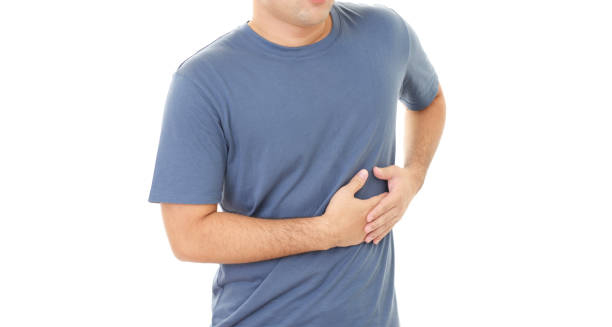
Man holding his side in discomfort, indicating pain that may be a symptom of a cracked rib.

Symptoms of a Cracked Rib

Symptoms of a Cracked Rib Symptoms of a Cracked Rib typically appear shortly after injury and are similar to those of bruised or broken ribs. The most common symptoms of a cracked rib include sharp pain in the chest, tenderness, swelling, difficulty breathing deeply, and pain with movement or coughing. Prompt recognition helps manage the injury effectively and prevent complications. Pain is the most prominent symptom. It is usually localised to one side of the chest and worsens with deep breaths, coughing, sneezing, or certain movements. Many people describe it as a sharp or stabbing sensation, especially when inhaling or shifting positions. Tenderness when touching the injured area is very common. Pressing on the ribcage may reproduce the pain, helping to distinguish the affected rib. Swelling or mild bruising may also develop over the site of the crack, depending on the cause of the injury. Symptoms of a Cracked Rib Discomfort while breathing is a key sign. People often find themselves taking shallow breaths to avoid pain, which can lead to reduced oxygen intake and increase the risk of respiratory infections like pneumonia. Coughing, laughing, or sudden movement usually triggers sharp, shooting pain across the chest or back. Some individuals feel a crackling sensation under the skin (subcutaneous emphysema), though this is rare and more common in displaced fractures. Sleeping becomes challenging for many patients, especially when lying on the injured side. Using extra pillows or sleeping in a semi-upright position may help reduce discomfort. In some cases, people may also experience muscle spasms in the chest or upper back as the body tries to protect the injured area. These spasms can further limit movement and increase overall discomfort. Symptoms of a Cracked Rib Symptoms of a cracked rib are often mistaken for heart-related chest pain. If there is uncertainty — especially if the pain radiates to the arm or jaw, or is accompanied by sweating or dizziness — immediate medical attention is essential to rule out cardiac causes. Identifying these symptoms early supports proper healing and helps avoid more serious outcomes such as lung infections or delayed recovery. [Next: Diagnosis of a Cracked Rib →]

Symptoms of a Cracked Rib Read More »

Doctor holding a tablet displaying a rib X-ray in front of a patient’s side, indicating cracked rib diagnosis.

Diagnosis of a Cracked Rib

Diagnosis of a Cracked Rib Diagnosis of a Cracked Rib involves a clinical examination and imaging tests to confirm the injury and rule out other causes of chest pain. A proper diagnosis of a cracked rib is essential to guide treatment. Additionally, prevent complications, and distinguish it from more serious issues like broken ribs, internal bleeding, or cardiac conditions. The doctor will begin with a full history of the injury — how it happened. The nature of the pain, and any difficulty with breathing or movement. A physical examination follows, with gentle palpation of the chest wall to locate areas of tenderness or swelling. Patients may be asked to breathe deeply, cough, or move their arms to help identify the specific rib involved. If breathing deeply triggers localised, sharp pain, this often points to a rib injury. Diagnosis of a Cracked Rib X-rays are commonly used to confirm the diagnosis. However, because a cracked rib is a hairline fracture, it may not always show clearly on a standard chest X-ray. If symptoms are present but the X-ray appears normal, doctors often treat the condition based on clinical suspicion. CT scans offer a more detailed image and are particularly useful if multiple ribs are injured or if complications such as lung bruising, pneumothorax, or fluid build-up are suspected. CT can detect subtle fractures that may not be visible on X-ray. Diagnosis of a Cracked Rib In some cases, an ultrasound may be used to evaluate soft tissue swelling or to look for signs of pleural effusion (fluid around the lungs). This can be particularly helpful in children or pregnant patients where radiation exposure is a concern. If heart-related causes are suspected due to the nature of the pain, additional tests such as ECG or blood markers may be done to rule out cardiac issues. An accurate diagnosis of a cracked rib ensures that appropriate treatment is given without unnecessary procedures, and helps avoid complications such as pneumonia from shallow breathing or chronic pain from untreated injury. [Next: Treatment of a Cracked Rib →]

Diagnosis of a Cracked Rib Read More »

Woman lying on a mat receiving gentle therapeutic care, representing holistic treatment for a cracked rib.

Treatment of a Cracked Rib

Treatment of a Cracked Rib Treatment of a Cracked Rib focuses on reducing pain, supporting lung function, and allowing the rib to heal naturally over time. Most cases of a cracked rib do not require surgery and recover fully with conservative care. However, early intervention helps prevent complications such as pneumonia or long-term discomfort. Pain management is the top priority. Over-the-counter medication such as paracetamol or ibuprofen helps reduce inflammation and makes it easier to breathe deeply. In more severe cases, prescription painkillers or anti-inflammatory medication may be needed. Treatment of a Cracked Rib Applying ice packs to the affected area for 15–20 minutes several times a day during the first 48 hours helps manage swelling and reduce discomfort. After the initial inflammation subsides, warm compresses may be used to loosen stiff muscles and promote blood flow. Unlike older practices, doctors no longer recommend binding or wrapping the chest. Tight bindings can restrict lung expansion and increase the risk of lung infections. Instead, patients are encouraged to take deep breaths and perform gentle coughing exercises to keep the lungs clear. Rest is important, but patients should also remain mildly active to prevent stiffness and blood clots. Short walks and light movement are encouraged as soon as pain allows. Treatment of a Cracked Rib Breathing exercises may be prescribed to support lung health and reduce the risk of pneumonia. These include slow, deep inhalations and use of incentive spirometers (breathing tools commonly used in hospitals). If sleep is difficult, propping up with pillows or sleeping in a reclined position may help reduce pain and prevent nighttime coughing fits. In rare cases where the pain is unmanageable or the crack progresses into a more serious injury, further imaging and referral to a specialist may be necessary. Most people recover from a cracked rib within 4 to 6 weeks. During this time, avoiding contact sports, heavy lifting, or vigorous exercise is essential to prevent further injury. [Next: Complications and Recovery from a Cracked Rib →]

Treatment of a Cracked Rib Read More »

Woman holding her side in pain, indicating discomfort from a cracked rib injury.

Complications and Recovery from a Cracked Rib

Complications and Recovery from a Cracked Rib Complications and Recovery from a Cracked Rib are usually minor, but certain factors can delay healing or increase the risk of secondary issues. The most important complications considerations include lung infections, persistent pain, and breathing difficulties. With proper care, however, full recovery is expected in most cases. The most common complication is pneumonia. Because pain often causes people to avoid deep breathing or coughing, mucus can build up in the lungs, creating a breeding ground for infection. This is especially concerning for older adults, smokers, or those with chronic lung conditions. Breathing exercises and proper pain management are key preventive steps. Chronic pain can occur if the injury doesn’t heal properly, or if the patient returns to strenuous activity too early. In some cases, untreated cracked ribs may result in costochondritis — inflammation of the cartilage that connects the ribs to the breastbone. Muscle spasms around the ribcage may develop due to overcompensation and guarding of the painful area. This can further limit movement and delay healing. Recovery time typically ranges from 4 to 6 weeks for most people. During this time, gradual return to activity is important. Patients should avoid pushing through pain and instead prioritise gentle mobility, good posture, and deep breathing. In rare cases, the rib crack may deepen and evolve into a complete fracture if the chest is subjected to additional trauma before healing. This underscores the importance of rest and protective measures during the recovery period. Complications and Recovery from a Cracked Rib Emotional impacts like sleep disruption, anxiety over breathing, or fear of reinjury are also common but manageable with reassurance and support from healthcare providers. Successful complications and recovery from a cracked rib depend on proper pain control, good respiratory habits, and a slow return to normal physical routines. Most patients return to full function without lasting problems when these principles are followed. [Next: Back to Overview →]

Complications and Recovery from a Cracked Rib Read More »

Scroll to Top